```html
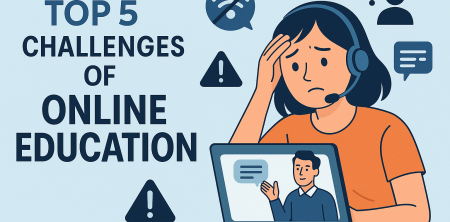
Online education has transformed the learning landscape dramatically in recent years. While it offers numerous advantages, it also presents distinct challenges that both students and educators face daily. Understanding these challenges is key to navigating the complexities of digital learning effectively. Here, we delve into the top five challenges of online education, providing insights and solutions to help you thrive in this evolving environment.
1. Lack of Face-to-Face Interaction
One of the most significant challenges of online education is the absence of in-person interaction. Traditional classrooms provide students with opportunities to engage directly with peers and instructors, fostering a sense of community and collaboration. Online platforms, however, often lack this dynamic, leaving students feeling isolated.
The impact of this isolation can be profound. Studies have shown that students who engage in face-to-face interaction are more likely to participate actively in discussions, seek help when needed, and develop a deeper understanding of the material. To counteract this challenge, educators can implement virtual study groups, discussion forums, and live video sessions that mimic the classroom experience. Encouraging students to connect through social media and collaborative projects can also help bridge the gap.
2. Self-Motivation and Discipline
Online education requires a level of self-motivation and discipline that many students may struggle to maintain. Without the structured environment of a physical classroom, it can be easy to become distracted or disengaged. This lack of accountability can lead to procrastination and ultimately impact academic performance.
To combat this challenge, students should establish a dedicated study space and set specific goals for their learning. Creating a consistent schedule that includes regular breaks can help maintain focus and productivity. Additionally, educators can support students by incorporating accountability measures, such as regular check-ins or requiring progress reports, to encourage timely completion of assignments.
3. Technological Barriers
While technology is central to the delivery of online education, it can also pose significant challenges. Students may face issues related to internet connectivity, access to necessary devices, and technical proficiency. These barriers can create disparities in learning opportunities, particularly for those in underserved communities.
To address these technological challenges, institutions must prioritize equitable access to resources. This could mean providing financial assistance for devices or developing partnerships with local organizations to improve internet access. Additionally, offering training sessions to enhance students' technological skills can empower them to navigate online learning platforms more effectively.
4. Difficulty in Tracking Progress
In an online learning environment, tracking student progress can be challenging for both educators and learners. Traditional assessments may not fully capture a student's understanding and engagement, making it harder to identify those who are struggling. This difficulty can lead to gaps in learning and hinder student success.
To mitigate this issue, educators should utilize a variety of assessment methods. Incorporating quizzes, interactive assignments, and peer reviews can provide a more comprehensive view of student performance. Furthermore, utilizing learning management systems (LMS) that offer analytical tools can help educators monitor progress in real-time and intervene when necessary.
5. Overcoming the Digital Divide
The digital divide remains one of the most pressing challenges of online education. Not all students have equal access to technology and the internet, which can lead to significant disparities in educational quality. According to a report by the Pew Research Center, about 15% of U.S. households with school-age children do not have access to high-speed internet, which disproportionately affects low-income families.
Addressing the digital divide requires a multifaceted approach. Schools and governments can collaborate to provide subsidized or free internet access for low-income families. Additionally, creating hybrid models that combine online and in-person instruction can offer more equitable learning opportunities for all students. By recognizing and addressing these inequities, educational institutions can work toward more inclusive online learning environments. (See: importance of academic engagement.)
6. Maintaining Engagement
Engagement is another significant challenge in online education. Without the energy of a physical classroom, students may find it difficult to stay motivated and involved in their studies. Educators must be creative in finding ways to keep students interested and invested in their learning.
Employing interactive teaching strategies such as gamification, multimedia presentations, and real-world applications of course material can make lessons more engaging. Regular feedback and recognition of student achievements can also foster a sense of accomplishment and motivate them to participate actively. Additionally, incorporating student input in course design can enhance ownership and engagement in their learning journey.
7. Adapting Teaching Methods
Educators often face the challenge of adapting their teaching methods to fit the online format. Not all traditional teaching strategies translate well to virtual platforms, and teachers may need to rethink their approaches to ensure effective learning. This challenge can be particularly daunting for educators who are accustomed to face-to-face interactions.
To overcome this, professional development opportunities focused on online teaching methodologies can be invaluable. Workshops and training programs can equip educators with the skills they need to create engaging and effective online courses. Collaboration among educators can also foster the sharing of best practices and innovative teaching methods that enhance student learning in the digital environment.
8. Assessment Integrity
Ensuring the integrity of assessments is one of the more complex challenges of online education. With the rise of online testing, concerns about cheating and academic dishonesty have increased. Maintaining fairness in assessments is crucial to upholding academic standards and ensuring that all students are evaluated fairly.
To address this challenge, institutions can implement various strategies such as using proctoring software, creating unique assessments for each student, or employing oral examinations. Additionally, emphasizing the importance of academic integrity and fostering a culture of honesty within the learning environment can help deter dishonest behavior. By being proactive about assessment integrity, educators can contribute to a fairer online education experience.
9. Communication Barriers
In online education, effective communication is vital yet challenging. Without the non-verbal cues present in face-to-face interactions, misunderstandings can arise more easily. Students may feel hesitant to reach out for help, fearing that their questions may seem trivial or that they might burden their instructors. See also teaching challenges.
To improve communication, educators should encourage an open-door policy where students feel comfortable asking questions. Regular check-ins via forums, emails, or virtual office hours can create a more supportive environment. Implementing tools like chat applications or discussion boards can also facilitate more straightforward interactions and reduce the barriers that often come with online learning.
10. Social and Emotional Well-Being
The mental health of students can be significantly impacted by the challenges of online education. The lack of social interaction, combined with the pressures of self-directed learning, can lead to feelings of anxiety and stress. It's crucial to recognize the importance of social and emotional well-being in an online education setting.
Institutions should prioritize mental health resources and support systems for students. This can include providing access to counseling services, creating wellness programs, and fostering a sense of community through online events. Encouraging students to share their experiences and providing platforms for peer support can also help mitigate feelings of isolation.
11. The Importance of Feedback
Feedback plays a crucial role in the learning process, yet it can be overlooked in online education. With less immediate interaction, students may not receive timely responses to their work, which can hinder their learning and progress. Establishing a routine for feedback can help students understand their strengths and areas for improvement.
Educators should aim to provide constructive feedback frequently and promptly. Using tools within learning management systems to comment on assignments or conducting virtual one-on-one meetings can foster a more personalized learning experience. This consistent feedback loop can motivate students and help them stay on track with their academic goals.
12. Challenges for Diverse Learners
In an online education setting, diverse learners—those with different backgrounds, learning styles, and abilities—may face unique challenges. These challenges can sometimes be compounded by the online format, making it essential for educators to be aware of and responsive to the needs of all students. (See: impact of online education.)
Providing differentiated instruction, tailored resources, and flexibility in assessments can help accommodate diverse learners. Incorporating various multimedia content and interactive elements can also cater to different learning preferences, allowing students to engage with the material in ways that work best for them.
13. Future Trends in Online Education
As technology continues to evolve, so does the landscape of online education. Emerging trends, such as artificial intelligence (AI), virtual reality (VR), and personalized learning algorithms, are beginning to reshape how education is delivered and experienced. These advancements can offer innovative solutions to existing challenges, but they also bring new considerations for implementation.
For instance, AI can be utilized to create more personalized learning experiences, adapting content and pacing based on individual student needs. VR can simulate real-world scenarios, providing immersive learning experiences that can enhance engagement. However, educators and institutions must remain mindful of the ethical implications and accessibility of these technologies, ensuring that all students can benefit.
14. FAQs About the Challenges of Online Education
What are the most common challenges students face in online education?
Students often encounter challenges such as lack of face-to-face interaction, self-motivation, technological barriers, and maintaining engagement throughout their courses.
How can educators support students in overcoming these challenges?
Educators can implement varied teaching methods, provide regular feedback, promote communication, and incorporate accountability measures to help students stay engaged and motivated.
What role does technology play in online education?
Technology is fundamental to online education, enabling content delivery, communication, and assessments. However, it can also present challenges, particularly for those lacking access or proficiency.
How can schools address the digital divide?
Schools can work collaboratively with local organizations, governments, and tech companies to provide resources such as subsidized internet access, devices, and training for underserved communities.
What are some effective strategies for maintaining student engagement?
Strategies include using interactive content, gamifying lessons, providing opportunities for collaboration, and regularly acknowledging student achievements to cultivate a sense of community. (overcoming college application hurdles)
15. Exploring Solutions to Online Education Challenges
Addressing the challenges of online education requires innovative solutions tailored to the unique needs of students and educators. Here are some strategies that can be effectively employed:
Utilizing Hybrid Learning Models
Hybrid learning, which combines online and in-person instruction, can offer the best of both worlds. This model allows for the flexibility of online education while providing essential face-to-face interaction. By implementing hybrid options, institutions can cater to different learning preferences, making education more accessible and engaging for all students.
Leveraging Technology for Enhanced Communication
Technology can also bridge communication gaps. Tools like video conferencing, instant messaging apps, and collaborative platforms allow for real-time interactions and feedback. Educators can create virtual office hours, where students can drop in for assistance, fostering a sense of connection and support.
Implementing Peer Mentorship Programs
Peer mentorship can be a valuable resource in online education. Pairing experienced students with those who may be struggling creates opportunities for collaboration and support. This approach not only helps students learn from one another but also builds a sense of community, countering feelings of isolation.
16. Statistics Highlighting Online Education Challenges
Recent studies provide insights into the challenges of online education:
- According to a survey by Online Learning Consortium, 56% of online students report feeling isolated from their peers.
- Research by the National Center for Education Statistics indicates that approximately 30% of online learners drop out before completing their courses, often due to lack of engagement and support.
- In a study by the Bill & Melinda Gates Foundation, 70% of educators expressed concerns about students’ ability to stay motivated in an online learning environment.
These statistics underline the importance of addressing the challenges of online education to improve retention and success rates.
17. Expert Perspectives on Online Education Challenges
Many educators and researchers have offered insights into overcoming the challenges of online education:
Dr. Linda Harasim, a pioneer in online education, emphasizes the need for collaborative learning environments. She states, "Creating a community of learners is essential for engagement and motivation in online education. When students feel connected, they are more likely to succeed."
Dr. Richard DeMillo, a former dean of the College of Computing at Georgia Tech, advocates for leveraging technology to enhance learning experiences. "We must adopt technologies that not only deliver content but also facilitate interaction and engagement among students," he notes.
18. Conclusion: Navigating the Future of Online Education
In summary, while online education presents numerous challenges, understanding these obstacles is the first step towards overcoming them. By fostering communication, cultivating self-discipline, ensuring equitable access to technology, and adapting teaching methods, students and educators can thrive in this digital learning landscape. The evolution of online education is ongoing, and by addressing these challenges head-on, we can create a more inclusive and effective educational experience for everyone.
```
Trending Now
Frequently Asked Questions
What are the main challenges of online education?
The main challenges of online education include lack of face-to-face interaction, self-motivation and discipline, technology issues, limited feedback, and feelings of isolation. These challenges can hinder the learning experience, but understanding them allows students and educators to implement effective strategies to overcome them.
How does lack of interaction affect online learners?
Lack of face-to-face interaction in online education can lead to feelings of isolation and decreased engagement. Students may miss out on collaborative learning opportunities that enhance understanding and participation. To mitigate this, educators can create virtual study groups and encourage social interactions through online platforms.
Why is self-motivation important in online education?
Self-motivation is crucial in online education as it helps students remain focused and disciplined without the structured environment of a traditional classroom. Students need to set specific goals and create consistent study schedules to combat distractions and procrastination, ultimately improving their academic performance.
What strategies can help students stay motivated in online classes?
Students can stay motivated in online classes by establishing a dedicated study space, setting specific goals, and creating a consistent schedule that includes regular breaks. Additionally, participating in virtual discussions and study groups can foster accountability and enhance engagement.
How can educators support online learners effectively?
Educators can support online learners by implementing interactive tools such as virtual study groups and live video sessions to enhance engagement. Providing timely feedback, creating a sense of community, and encouraging collaboration through social media can also help students feel connected and supported in their learning journey.
What's your take on this? Share your thoughts in the comments below — we read every one.

