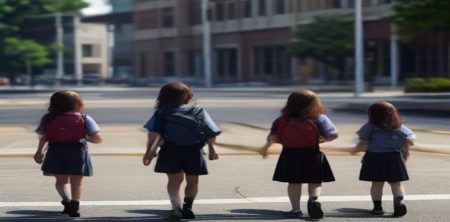
The landscape of education in America is shifting, and frankly, it's becoming a battleground. For years, parents have largely trusted the public school system to educate their children, imparting knowledge and preparing them for the future. But recent developments, particularly around parental rights and curriculum content, are making many families rethink that trust. You've probably seen the headlines – contentious school board meetings, lawsuits, and passionate debates about what exactly our children are being taught, and who gets to decide. It’s no longer just about reading, writing, and arithmetic; it’s about values, identity, and the very core of what families believe.
This escalating tension is forcing a critical homeschooling vs public school comparison. With court cases like the one involving Carlos and Jenny Encinas in California, where a school district was compelled to reverse its policy and allow parental opt-outs for conflicting religious material, the conversation has moved beyond theoretical discussions. It's now about tangible legal victories for parents and a growing awareness that the power balance between families and educational institutions is, thankfully, being recalibrated. For many, this isn't just a policy debate; it's a deeply personal decision impacting their children's well-being and their family's foundational beliefs. So, what are your options, and how do you even begin to weigh them?
1. The Shifting Sands of Parental Rights: What's Really Happening?
Let's be clear: the notion of parental rights isn't new, but its legal enforcement and public visibility are certainly experiencing a resurgence. For decades, it was largely assumed that parents held the primary authority over their children's upbringing, including their education. However, in recent years, particularly concerning sensitive topics like gender identity and certain curriculum materials, some school districts have adopted policies that seem to bypass, or even contradict, parental involvement. This has led to a significant amount of outrage and legal challenges across the country.
The case of Carlos and Jenny Encinas in California is a prime example of this pushback. They sued their local school district after policies were enacted that seemed to undermine their religious freedom by mandating exposure to materials that conflicted with their beliefs. The district's reversal, agreeing to notify parents and allow opt-outs, wasn't just a win for the Encinas family; it was a significant victory for parental rights advocates nationwide. It reinforced a U.S. Supreme Court ruling from last summer, which found that schools indeed burden religious freedom when they mandate exposure to conflicting material. This kind of legal precedent is incredibly important because it provides a framework for other parents facing similar issues, signaling that they have legitimate grounds to challenge school policies that infringe on their values.
2. The Gender Identity Debate: A Core Conflict for Many
Perhaps one of the most emotionally charged aspects of the current parental rights debate centers around gender identity policies in schools. This isn't just about curriculum; it's about a child's social and emotional development, and often, a family's deeply held moral or religious convictions. The core of the conflict often lies in policies that allow students to change their gender identity at school without mandatory parental notification. Imagine this: your child might be using a different name or pronouns, or even accessing different facilities, at school, and you, as their parent, are completely unaware. For many, this is an unacceptable breach of trust and a fundamental overreach of school authority.
Consider the ongoing lawsuit in New Jersey, where parents in the Chatham School District are challenging exactly such a policy. They argue that it infringes on their fundamental right to guide their children's upbringing and make informed decisions about their welfare. This isn't an isolated incident; it reflects a national trend where school districts are grappling with how to support LGBTQ+ students while also respecting parental authority. The Trump administration is reportedly increasing pressure on school districts, leveraging federal student privacy laws to compel parental notification regarding gender identity. This is a complex issue, with valid concerns on all sides, but for parents who feel their role is being sidelined, it’s often the tipping point that makes them reconsider public education altogether, pushing them towards a serious homeschooling vs public school comparison.
3. Public Schooling: The Traditional Path and Its Enduring Strengths
Despite the recent controversies, public schooling remains the cornerstone of education for the vast majority of American children, and for good reason. Public schools offer a wealth of resources and experiences that are difficult to replicate in a homeschooling environment. Think about the sheer diversity of extracurricular activities available: sports teams, drama clubs, debate teams, marching bands, and a seemingly endless array of after-school programs. These opportunities are crucial for developing well-rounded individuals, fostering teamwork, leadership skills, and providing avenues for children to explore various interests and talents.
Beyond extracurriculars, public schools provide a diverse social environment. Children interact with peers from different backgrounds, cultures, and socioeconomic statuses. This exposure is invaluable for developing social skills, empathy, and understanding the complexities of the world outside their immediate family unit. They learn how to navigate social hierarchies, resolve conflicts, and build friendships in a larger group setting. Furthermore, public schools typically employ highly qualified, state-certified teachers, often specializing in particular subjects. They have access to extensive facilities like science labs, libraries, and technology centers that individual families would struggle to provide. For many, the structure, resources, and social fabric of public schools still represent the best path forward for their children's education.
4. Homeschooling: Taking Control of the Curriculum and Environment
On the other side of the coin, homeschooling offers an entirely different educational paradigm, one that is increasingly appealing to parents concerned about public school policies and curriculum. The most significant benefit of homeschooling is the unparalleled control it gives parents over their child's education. You get to decide what your child learns, how they learn it, and at what pace. This means you can tailor the curriculum to align perfectly with your family's values, religious beliefs, and educational philosophy. If you're concerned about specific topics being taught in public schools, or conversely, if you want to delve deeper into subjects that public schools might only touch upon, homeschooling provides that freedom. (See: U.S. Department of Education on parental rights.)
Beyond curriculum, homeschooling allows for a highly individualized learning experience. You can adapt teaching methods to suit your child's unique learning style, whether they are a visual learner, an auditory learner, or kinesthetic. This personalized approach can lead to deeper understanding and greater academic success, especially for children who might struggle in a traditional classroom setting. It also offers flexibility in scheduling, allowing families to travel, pursue passion projects, or simply enjoy a more relaxed daily routine. For families seeking to integrate education seamlessly into their lifestyle and maintain direct oversight of their child's development, homeschooling presents a powerful alternative in the ongoing homeschooling vs public school comparison. For more context, see how parents forced a government U-turn on education.
5. Navigating the Legalities and Resources for Homeschooling: It's Easier Than You Think
If you're considering homeschooling, the thought of navigating legal requirements and finding resources can feel daunting, but it doesn't have to be. Each state has its own regulations regarding homeschooling, so your first step is always to research the specific laws in your state. Generally, these laws cover requirements such as notifying your local school district of your intent to homeschool, maintaining attendance records, and sometimes, submitting to annual assessments or portfolios. Organizations like the Home School Legal Defense Association (HSLDA) are invaluable resources, offering legal guidance and support to homeschooling families across the nation. They can help you understand your state's laws and protect your rights as a homeschooling parent.
When it comes to curriculum and resources, the homeschooling landscape has exploded with options. You can choose from a wide array of pre-packaged curricula that cover all subjects, or you can piece together your own using various resources. Online learning platforms like Khan Academy, Outschool, and even dedicated online schools offer virtual classes and interactive lessons. There are also countless textbooks, workbooks, educational games, and apps available. Local homeschooling co-ops and support groups are fantastic for connecting with other families, sharing resources, and organizing field trips and social events. Don't forget about your local library – a treasure trove of educational materials and often free programs. Getting started often involves simply notifying your district and then diving into the wealth of online and community resources available to you.
6. Socialization and Extracurriculars: Addressing Common Homeschooling Concerns
One of the most frequent concerns parents express about homeschooling is the issue of socialization. The image of a homeschooled child isolated from their peers is a persistent, but largely outdated, stereotype. In reality, homeschooled children often have a more diverse range of social interactions than their traditionally schooled counterparts. They're not limited to interacting with children only of their own age in a single classroom setting. Instead, they often engage with people of all ages through various activities, developing stronger communication and social skills.
Homeschooling families actively seek out opportunities for their children to socialize. This includes joining local homeschooling co-ops, which often organize classes, field trips, and playdates. Children participate in community sports leagues, scouting programs, church groups, and extracurricular classes like art, music, or dance. Many public schools even allow homeschooled students to participate in their sports programs or specific classes, depending on state and district policies. These varied interactions help homeschooled children develop adaptability, confidence, and the ability to connect with a wider range of people, effectively dispelling the myth of social isolation. When conducting a homeschooling vs public school comparison, it's important to look beyond stereotypes and consider the actual opportunities available.
7. Academic Outcomes and Long-Term Success: What the Data Says
When we talk about a homeschooling vs public school comparison, a crucial question always arises: how do homeschooled children perform academically compared to their public school peers? While it's difficult to conduct perfectly controlled studies due to the diverse nature of homeschooling, available research consistently indicates that homeschooled students perform at or above average on standardized tests. In fact, many studies suggest they often score significantly higher.
One of the key factors contributing to this academic success is the individualized attention and tailored learning environment that homeschooling provides. Parents can identify and address learning gaps immediately, move at their child's optimal pace, and focus on areas of strength and interest. Furthermore, homeschooled students often develop strong self-discipline, independent learning skills, and a genuine love for learning, which serves them well in higher education and beyond. Many universities actively recruit homeschooled students, recognizing their unique strengths and readiness for academic rigor. Long-term studies have also shown that adults who were homeschooled are well-adjusted, active community members, and successful in their careers, debunking any lingering doubts about their overall preparedness for life.
8. Making the Right Choice for Your Family: A Deeply Personal Decision
Ultimately, the decision between homeschooling and public schooling is deeply personal and depends entirely on your family's unique circumstances, values, and your child's specific needs. There's no one-size-fits-all answer. For some families, the rich resources, diverse social environment, and structured curriculum of public schools will be the ideal fit. They might feel confident in their ability to advocate within the system and appreciate the collective experience public education offers. For these families, the occasional policy disagreement might be a hurdle, but not a reason to abandon the system entirely.
For others, recent developments in parental rights and curriculum content have made public school an untenable option. They prioritize direct control over their child's education, the ability to align learning with their family's core values, and the flexibility that homeschooling provides. The growing legal victories for parental rights, like the one in California, are empowering more families to consider this alternative. It's about weighing the benefits and drawbacks of each approach, understanding the legal landscape, and, most importantly, listening to your gut about what truly serves your child's best interests and aligns with your family's vision for their future. This homeschooling vs public school comparison isn't just academic; it's about finding the educational path that fosters your child's growth, happiness, and success. (See: New York Times on school board meetings.)
9. The Future of Education: A Call for Parental Engagement
Regardless of whether you choose homeschooling or public schooling, one thing is clear: parental engagement in education has never been more vital. The recent legal battles and policy shifts are a stark reminder that parents are not merely passive recipients of educational services; they are primary stakeholders with fundamental rights and responsibilities. Whether you're a public school parent or a homeschooling parent, staying informed, advocating for your children, and participating in the educational process is absolutely crucial.
For public school parents, this means attending school board meetings, communicating with teachers and administrators, and voicing your concerns about curriculum or policies that don't align with your values. Don't underestimate the power of collective action; the California district reversal is a testament to what determined parents can achieve. For homeschooling parents, it means actively engaging with the homeschooling community, staying abreast of legal changes, and continuously seeking out resources to enrich your child's learning experience. The education landscape is evolving rapidly, and an engaged, informed parent is the best advocate a child can have. The ongoing dialogue around the homeschooling vs public school comparison is, at its heart, about empowering parents to make the best choices for their children in an increasingly complex world. For more context, see the education overhaul and why your voice matters.
10. Understanding the Financial Implications: A Practical Consideration
When you're making a homeschooling vs public school comparison, it's easy to get caught up in the philosophical and academic aspects. But let's be real, the financial implications are a huge factor for most families. Public education, at its core, is tax-funded and generally free at the point of use for families. This means you don't typically pay tuition, and many resources like textbooks, basic supplies, and access to facilities are provided without direct cost. Of course, there are often fees for extracurriculars, field trips, and sometimes even technology, but these are usually modest compared to other options.
Homeschooling, on the other hand, comes with direct financial costs that can vary wildly depending on your approach. You'll need to budget for curriculum materials, which could range from inexpensive online resources to comprehensive, all-in-one packages that cost hundreds of dollars per child each year. Then there are supplies: art materials, science kits, books, and potentially technology like laptops or tablets. If you join co-ops, there might be membership fees or class costs. Field trips, museum passes, and other educational outings also add up. And let's not forget the "opportunity cost" – if one parent significantly reduces work hours or leaves a job to homeschool, that's a direct loss of income. It's crucial to sit down and realistically crunch the numbers for your family to see if homeschooling is financially viable, or if the free nature of public school is a necessity.
11. The Role of Technology: Bridging Gaps in Both Models
Technology has fundamentally changed the homeschooling vs public school comparison, offering new avenues and solutions for both. In public schools, technology is now an integral part of the classroom experience. Interactive whiteboards, Chromebooks for every student, online learning platforms, and digital textbooks are commonplace. This provides students with access to a vast amount of information, personalized learning tools, and prepares them for a technology-driven world. For public schools, the challenge is often equitable access to technology and ensuring effective integration into pedagogy.
For homeschooling families, technology has been a game-changer. It has democratized access to high-quality educational content and made individualized learning more achievable than ever before. Online courses, virtual labs, educational apps, and digital libraries mean that homeschooled children aren't limited by what their parents know or what physical resources they can access. They can learn a foreign language from a native speaker online, take advanced math classes from a university professor, or even participate in virtual field trips around the world. This technological revolution has significantly broadened the scope and quality of homeschooling, making it a more robust and attractive option for many families who might have previously felt constrained by resource limitations.
12. Teacher Qualifications and Support Structures: A Deeper Look
When evaluating public school versus homeschooling, the qualifications of the educators involved are a significant point. Public schools employ teachers who typically hold state certifications, requiring them to have specific degrees, pass competency exams, and often participate in ongoing professional development. These teachers are trained in pedagogy, classroom management, and curriculum delivery, and they work within a structured system with support staff like special education teachers, counselors, and librarians. This professional infrastructure means a wide range of expertise is available to students, addressing diverse learning needs.
In homeschooling, parents become the primary educators. While many homeschooling parents are highly educated and dedicated, they may not have formal teaching credentials or specific training in education. However, this doesn't mean homeschooled children are at a disadvantage. Many homeschooling parents invest heavily in learning effective teaching strategies, utilizing online resources, workshops, and educational conferences. Furthermore, the one-on-one attention a parent can provide often outweighs the benefits of a certified teacher in a large classroom. Support structures for homeschooling parents come from co-ops, online forums, and educational consultants, providing a community of shared knowledge and resources. It's a different kind of support system, but one that can be incredibly effective for many families. (See: BBC on education and parental choice.)
Frequently Asked Questions About Homeschooling vs Public School
Q1: Is homeschooling legal in all 50 states?
Yes, homeschooling is legal in all 50 U.S. states. However, the specific regulations and requirements vary significantly from state to state. Some states have very relaxed laws, while others require things like notifying your local school district, submitting to annual assessments, or maintaining specific records. It's crucial to research your particular state's laws through resources like the Home School Legal Defense Association (HSLDA) to ensure you're compliant.
Q2: Do homeschooled children miss out on socialization?
This is a common misconception. Homeschooled children often have a more varied and robust social life than their traditionally schooled peers. They interact with people of all ages through community activities, sports leagues, church groups, and homeschooling co-ops. These co-ops specifically organize classes, field trips, and social gatherings, ensuring ample opportunities for peer interaction and the development of strong social skills.
Q3: How do homeschooled students perform academically compared to public school students?
Research consistently shows that homeschooled students perform at or above average on standardized tests. Many studies even indicate they score significantly higher. This often comes down to the individualized attention, tailored curriculum, and flexible learning environment that homeschooling provides, allowing parents to address specific learning styles and paces.
Q4: What are the typical costs associated with homeschooling?
The costs of homeschooling can vary widely. While public school is generally free, homeschooling families need to budget for curriculum materials (which can range from free online resources to hundreds of dollars per year), school supplies, educational software, field trips, and potentially fees for co-ops or extracurricular activities. There's also the potential "opportunity cost" if a parent reduces their work hours to homeschool.
Q5: Can homeschooled students participate in public school sports or extracurriculars?
This depends entirely on your state and local school district policies. Some states have "equal access" laws that allow homeschooled students to participate in public school sports, clubs, or even specific classes. Other states or districts may have stricter rules or not allow it at all. You'll need to check with your local school district for their specific regulations.
Q6: What resources are available for new homeschooling parents?
The homeschooling community is incredibly supportive. New parents can find a wealth of resources, including online forums, local homeschooling co-ops and support groups, pre-packaged curricula, online learning platforms (like Khan Academy or Outschool), and legal guidance from organizations like HSLDA. Your local library is also a fantastic, often free, resource for educational materials.
Trending Now
Frequently Asked Questions
Why are parents leaving public schools?
Many parents are leaving public schools due to growing concerns over parental rights, curriculum content, and educational values. Recent conflicts over issues like gender identity and controversial materials have prompted families to reconsider their trust in the public education system.
What are the main issues causing parents to reconsider public education?
The main issues include debates over curriculum content, parental rights in educational decisions, and the perceived erosion of family values in schools. Parents are increasingly concerned about how these factors impact their children's education and well-being.
How are legal cases affecting parental rights in education?
Legal cases, such as the Encinas case in California, are reshaping parental rights by affirming the ability of parents to opt-out of certain curriculum materials. These cases highlight a growing movement towards redefining the balance of power between families and educational institutions.
What alternatives do parents have to public schools?
Parents considering alternatives to public schools can explore options such as homeschooling, private schools, or charter schools. Each of these alternatives offers different educational philosophies and approaches that may align better with a family's values and beliefs.
What role do school board meetings play in these issues?
School board meetings have become battlegrounds for parents voicing their concerns about educational policies and curriculum content. These meetings are crucial for parents to engage with decision-makers and advocate for changes that reflect their values and priorities in education.
Have you experienced this yourself? We'd love to hear your story in the comments.


0 Responses