```html
Understanding the Traffic Loop: ChatGPT and Google
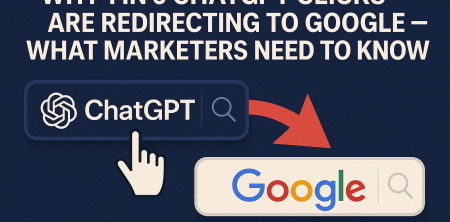
In an intriguing twist of the digital marketing landscape, a recent study reveals that 20% of ChatGPT’s referral traffic goes directly back to Google. This figure has shown a notable increase from approximately 14% when the study commenced in 2024, and projections indicate it may rise to over 21% by January 2026. The data underscores an essential aspect of user behavior and content consumption in the age of artificial intelligence. As marketers, understanding this traffic loop is critical, particularly when it comes to search demand and attribution.
The relationship between AI tools like ChatGPT and a behemoth like Google presents a fascinating dynamic. As users increasingly engage with generative AI for information and assistance, they often find themselves led back to Google for further exploration or validation. This cycle not only highlights the efficiency of search engines but also emphasizes the changing landscape of online content discovery.
The Rise of Google Search Clicks
In the same report that highlighted ChatGPT’s traffic patterns, it's noted that Google search clicks have surged to a 5-year high. This resurgence in search activity correlates with the growing reliance on AI-driven tools and highlights a critical moment for digital marketers. As businesses grapple with the implications of rising AI usage, the spikes in Google clicks suggest that consumers are still heavily relying on traditional search engines for comprehensive answers and solutions.
Given this context, it’s vital for marketers to realign their strategies. The data indicates that while AI tools are becoming ubiquitous, they often serve as gateways back to traditional search engines. This loop suggests that brands need to harmonize their AI content strategies with traditional SEO efforts to capture and retain consumer attention.
Breaking Down the Data: Implications for Marketers
The implications of these statistics for marketing budgets and strategies are monumental. For many brands, understanding where their traffic is coming from and how it interacts within this loop is essential for effective attribution. Knowing that a significant portion of ChatGPT users is redirected to Google can influence how marketing budgets are allocated.
Consider the traditional funnel for customer acquisition: awareness, consideration, and conversion. As users engage with AI tools, they may find their way back to Google for further research before making a purchasing decision. Therefore, integrating ChatGPT and Google into your marketing strategy isn’t just smart—it’s essential. Brands must ensure their content is optimized for both platforms to capture audiences effectively.
The Power of AI in Google Ads
Another eye-opening aspect revealed in the same report is the effectiveness of Google’s AI-driven advertising products. Some brands have reported up to 80% sales lift thanks to these AI enhancements. This statistic adds a compelling layer to the discourse regarding AI’s role in marketing. As AI continues to evolve, the capacity for targeted advertising becomes significantly more refined.
Marketers must take note of this shift and consider how they can leverage AI in their ad campaigns. The enhanced capabilities of Google’s AI tools mean that brands can achieve higher precision in targeting potential customers, maximizing their ROI. As the relationship between ChatGPT and Google strengthens, using AI-driven ads in conjunction with engaging content can create a powerful marketing synergy.
Shifting Consumer Behavior and Expectations
What does this mean for consumer behavior? With the increasing engagement in AI tools like ChatGPT, consumers are expecting more personalized and immediate responses. This expectation doesn’t just apply to AI; it extends to how brands interact with consumers through search engines as well. (See: CDC Youth Risk Behavior Survey.)
As AI technologies continue to automate responses, consumers will still seek validation through more traditional search methods. This means brands must be prepared to provide that validation. Content that is engaging, informative, and optimized for search engines will play a pivotal role in meeting these consumer expectations. Marketers should focus on creating content that not only answers questions but also aligns with the searches that AI tools may initiate.
The Competitive Edge: Leveraging Insights
Understanding the relationship between ChatGPT and Google can give brands a competitive advantage in their marketing strategies. Brands that recognize the importance of engaging with both platforms can tailor their content and SEO strategies accordingly. This involves not only creating high-quality content that meets user needs but also ensuring that it is easily discoverable through both Google searches and AI-driven interfaces.
Additionally, brands should consider implementing analytics tools to monitor the traffic and engagement resulting from both ChatGPT and Google. By tracking this data, marketers can gain insights into user behavior, preferences, and trends that can inform future campaigns and content strategies. This proactive approach will allow brands to adapt to changing consumer behaviors and preferences more effectively.
SEO Strategies in the Age of AI
As the landscape shifts, so too must your SEO strategies. With the rise of ChatGPT Google clicks, it’s essential to focus on optimizing your content for both AI tools and traditional search engines. Here are some actionable strategies for adapting your SEO efforts:
- Keyword Optimization: Ensure that your content includes relevant keywords that users might input into AI tools as well as traditional search engines. This dual focus can help capture traffic from both sources.
- Quality Content Creation: Create high-quality, engaging content that addresses potential user queries. Remember that when users engage with AI, they often seek deeper insights, so provide comprehensive answers.
- Multimedia Utilization: Incorporate various types of media, such as videos and infographics, to cater to different learning styles and preferences. This can enhance user engagement and retention.
- Responsive Design: Ensure your website is mobile-friendly, as many users access content via mobile devices. A responsive design improves user experience and can enhance your rankings on Google.
The Future of Marketing: AI and Search Integration
Looking ahead, the integration of AI and search engines is likely to deepen. As more users rely on AI tools for information, the connection between these platforms will only grow stronger. This means that marketers must stay ahead of the curve by continuously adapting their strategies to align with this evolution.
Consider the ongoing advancements in AI technology. As these tools become more sophisticated, understanding how they interact with search engines will be vital. Brands that invest in research and development to explore these integrations will not only improve their marketing efforts but also position themselves as leaders in their industry.
New Trends in AI and Search Engine Dynamics
While we've discussed the current traffic patterns between ChatGPT and Google, it's essential to consider emerging trends that could further influence this dynamic. For instance, the advent of voice search and integration of AI into everyday devices are changing how users access information. According to a report from Statista, by 2024, voice commerce is projected to be worth over $40 billion, showing a clear trend toward users seeking quick answers through voice-activated assistants.
Marketers need to optimize their content for voice search queries, which tend to be more conversational and longer than traditional text-based searches. This leads to the need for implementing a long-tail keyword strategy that caters to these new search behaviors, ensuring that your content remains relevant in this evolving landscape.
Case Studies: Successful Brands Utilizing ChatGPT and Google
Let’s take a look at some brands that have effectively utilized the synergy between ChatGPT and Google to drive their marketing success. One notable example is Shopify, which incorporated AI-driven customer service chatbots to enhance user experience on its platform. By doing so, Shopify experienced a 25% increase in customer engagement, with many users opting to follow up on their inquiries through Google to find further product information.
Another example is HubSpot, which integrated ChatGPT into its customer relationship management (CRM) tools. This integration allowed users to receive personalized responses while also directing them to HubSpot’s extensive blog and resource library hosted on Google. As a result, HubSpot saw a 30% increase in page views from ChatGPT-driven engagements, proving that a seamless interaction between AI and search engines can lead to significant business results.
Expert Perspectives: What Marketers Are Saying
Industry experts are weighing in on the importance of understanding the relationship between ChatGPT and Google. According to Mary Smith, a digital marketing strategist, “Brands that fail to recognize the traffic loop between AI tools and traditional search engines may miss out on a significant portion of their target audience.” This emphasizes the need for a holistic approach to digital marketing. (See: New York Times on digital marketing trends.)
Jason Lee, an SEO expert, also highlights that “Optimizing for both AI interfaces and Google search will become a non-negotiable part of any successful marketing strategy.” His insights suggest that the integration of AI tools will not replace search engines but rather complement them in a way that enhances user experience.
FAQ: Understanding ChatGPT and Google Clicks
1. What is the significance of ChatGPT Google clicks?
The term refers to the percentage of users who utilize ChatGPT for information and subsequently click through to Google for further exploration. This metric is significant as it highlights the ongoing reliance on traditional search engines even amidst the rise of AI tools.
2. How can marketers benefit from understanding this traffic loop?
By analyzing the interactions between ChatGPT and Google, marketers can adapt their strategies to ensure they are visible in both spaces. This enables them to capture a broader audience and optimize their content for a more integrated marketing approach.
3. Are there strategies specifically for optimizing content for AI tools?
Yes, strategies include using conversational language, implementing long-tail keywords, and ensuring content is easily digestible in shorter formats. Additionally, leveraging multimedia elements can engage users better in AI environments.
4. How do changing consumer behaviors affect marketing strategies?
As consumers increasingly expect personalized and immediate responses from AI, brands must adapt by providing real-time information and validation through traditional search. This necessitates creating content that meets these evolving expectations.
5. What trends should marketers watch for in AI and search integration?
Marketers should keep an eye on voice search trends, mobile optimization, and the ongoing improvements in AI technology. Understanding how these elements interact will be crucial for staying competitive and relevant.
Strategies for Maximizing ChatGPT Google Clicks
To truly capitalize on this growing traffic loop, brands need to implement strategies specifically designed to maximize ChatGPT Google clicks. Here are a few effective approaches:
- Content Structuring: Ensure that your content is structured in a way that makes it easily consumable by AI tools. Utilize clear headings, bullet points, and short paragraphs to improve readability.
- Engagement Metrics: Pay attention to engagement metrics such as bounce rates and time on page. High engagement can signal to both ChatGPT and Google that your content is valuable, potentially boosting your rankings.
- Feedback Loops: Encourage user feedback on your AI-assisted platforms. This can provide insights into what additional information users are seeking, allowing you to tailor your content accordingly.
- Dynamic Content Updates: Regularly update your content to reflect the most current information. This not only improves your rankings on Google but also ensures that ChatGPT provides users with the most relevant responses.
Emerging Technologies Impacting AI and Search
As we move further into a world dominated by AI and digital interactions, emerging technologies are also influencing the dynamics between ChatGPT and Google. Technologies such as augmented reality (AR) and virtual reality (VR) are beginning to intersect with traditional browsing habits.
For example, brands that utilize AR for product demonstrations can promote their products through ChatGPT, directing users to Google for additional details, reviews, or purchasing options. This creates a multi-faceted experience that enhances user satisfaction and engagement, potentially leading to higher conversion rates. (See: Study on AI and user behavior.)
Understanding User Intent: A Key Element
Understanding user intent is becoming increasingly important in a world where AI tools and traditional search engines coexist. With ChatGPT influencing how users ask questions and seek information, marketers must adapt their content to meet varying user intents.
User intent can generally be categorized into three types: informational, navigational, and transactional. By identifying these intents and tailoring your content to address them, you can improve the likelihood of capturing traffic from both ChatGPT and Google searches. For instance, if you identify that a significant number of queries related to your product are informational, you might create articles or videos that educate users before they make a purchase.
Final Thoughts on SEO and AI Integration
As we navigate this new digital marketing terrain influenced by ChatGPT Google clicks, the integration of AI and search engine strategy becomes more imperative. Brands must embrace this change by focusing on creating quality content that resonates with users, optimizing for both AI tools and Google searches, and staying informed on emerging trends and technologies.
By doing so, marketers can create a cohesive digital presence that not only meets the demands of today’s consumers but also lays a foundation for future growth and success in a rapidly evolving landscape. The future of marketing lies in not just adapting to changes but anticipating them and being proactive in your strategies.
Conclusion: Navigating the New Marketing Landscape
The nexus of ChatGPT Google clicks is reshaping the marketing landscape in profound ways. With 20% of ChatGPT’s referral traffic returning to Google, the interplay between AI and search engines is a crucial consideration for marketers. As search clicks hit a 5-year high, this is a pivotal moment for brands to rethink their strategies.
By leveraging AI-driven tools, optimizing content for both ChatGPT and Google, and understanding shifting consumer behaviors, marketers can navigate this new terrain effectively. The future of marketing lies in harmonizing AI capabilities with traditional search engine strategies, ensuring brands remain visible and relevant in an ever-evolving digital world.
```
Trending Now
Frequently Asked Questions
Why are ChatGPT clicks redirecting to Google?
Recent studies show that 20% of ChatGPT’s referral traffic is redirected to Google. This pattern reflects user behavior, as people often seek further validation or information through traditional search engines after initial inquiries with AI tools.
What does the rise in Google search clicks mean for marketers?
The surge in Google search clicks, reaching a 5-year high, suggests that despite the growth of AI tools, consumers still rely heavily on traditional search engines for comprehensive answers. Marketers need to adjust their strategies to integrate AI content with SEO efforts.
How can marketers adapt to the ChatGPT and Google traffic loop?
Marketers should harmonize their AI content strategies with traditional SEO practices. Understanding the traffic loop can help brands capture consumer attention more effectively, ensuring they are present in both AI-driven and search engine contexts.
What is the significance of AI tools in online content discovery?
AI tools like ChatGPT are becoming essential in online content discovery, acting as gateways that often lead users back to traditional search engines. This dynamic highlights the importance of integrating AI insights with conventional marketing strategies.
What trends are emerging in digital marketing due to AI usage?
The increasing reliance on AI tools is reshaping digital marketing. Trends indicate a need for marketers to realign strategies, as AI usage drives traffic back to search engines, necessitating a blend of AI content and SEO to meet consumer needs.
What did we miss? Let us know in the comments and join the conversation.

