```html
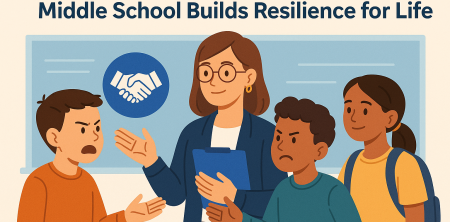
Conflict is an inevitable part of human interaction, especially in the formative years of middle school. As children transition from elementary school to adolescence, they encounter a plethora of social challenges that can lead to disagreements and strife. Teaching conflict resolution in middle school not only helps students navigate these challenges but also fosters resilience—a critical life skill that will serve them well into adulthood. In this article, we'll explore the importance of teaching conflict resolution, the strategies and methods that can be implemented in middle schools, and the profound impact these lessons can have on young individuals.
Understanding Conflict in Middle School
Before we discuss the teaching of conflict resolution in middle school, it’s essential to grasp the nature of conflicts that arise during this stage. The middle school years, roughly ages 11 to 14, are marked by significant emotional, social, and cognitive development. As students begin to form their identities, they also become more aware of peer dynamics and social hierarchies. This often leads to conflicts over various issues—whether it's differing opinions, competition for resources, or misunderstandings.
Research indicates that conflicts during this stage can be particularly intense. Adolescents are more prone to emotional responses, which can escalate disagreements into more significant confrontations. According to a study by the American Psychological Association, nearly 60% of middle school students report experiencing conflicts with their peers at least once a week. This highlights the crucial need for effective conflict resolution strategies that can help students manage and resolve their disputes constructively.
The Importance of Resilience
Resilience refers to the ability to bounce back from adversity, trauma, or stress. In the context of middle school, resilience can mean coping with social challenges, managing academic pressures, and recovering from interpersonal disputes. Teaching conflict resolution directly contributes to building resilience in students by equipping them with the skills needed to handle difficult situations effectively.
Moreover, resilience is not just about overcoming challenges; it's also about learning and growing from them. According to Dr. Kenneth Ginsburg, a pediatrician and resilience expert, fostering resilience in children involves teaching them problem-solving skills, emotional regulation, and effective communication—all of which are integral components of conflict resolution. By learning to navigate conflicts, students can develop a greater sense of self-efficacy, which is crucial for their overall well-being.
Key Components of Conflict Resolution in Middle School
When implementing conflict resolution in middle school, educators should focus on several key components that form the foundation of effective conflict management. These include:
- Communication Skills: Teaching students how to express their feelings and opinions clearly is vital. Effective communication can prevent misunderstandings and facilitate constructive dialogue.
- Active Listening: Encouraging students to listen actively to their peers promotes empathy and understanding. When students feel heard, they are more likely to engage in productive discussions.
- Problem-Solving Techniques: Providing students with structured approaches to resolve conflicts helps them think critically and collaboratively. Techniques such as brainstorming solutions and evaluating options can lead to mutually beneficial outcomes.
- Emotional Regulation: Teaching students how to manage their emotions during conflicts can help prevent escalation. Techniques such as deep breathing, mindfulness, and self-reflection can be effective.
Incorporating these components into conflict resolution training can create a more harmonious school environment and empower students to tackle conflicts head-on.
Strategies for Teaching Conflict Resolution
Implementing conflict resolution strategies in middle school classrooms can take various forms. Here are some effective methods that educators can employ:
Role-Playing Activities
Role-playing is a powerful tool for teaching conflict resolution. By simulating real-life scenarios, students can practice their communication and problem-solving skills in a safe environment. For instance, educators can create scenarios based on common conflicts, such as disagreements over group projects or issues stemming from social media interactions. Students can then take turns playing different roles, which allows them to experience the perspectives of all parties involved. (See: CDC on adolescent health and development.)
Conflict Resolution Workshops
Organizing workshops focused specifically on conflict resolution can provide students with dedicated time to learn and practice these skills. Workshops can include activities that cover the key components previously mentioned, such as communication skills and emotional regulation. Engaging guest speakers, such as counselors or conflict resolution specialists, can also enhance the learning experience.
Peer Mediation Programs
Implementing peer mediation programs can be highly effective in fostering conflict resolution among students. In these programs, trained student mediators facilitate discussions between peers in conflict, guiding them toward mutually agreeable solutions. This not only empowers students to take charge of their conflicts but also promotes a sense of community and support within the school environment.
Creating a Supportive School Culture
A supportive school culture is essential for the effective teaching of conflict resolution. Schools should create an environment where students feel safe to express their feelings and resolve conflicts without fear of judgment or retaliation. Here are some strategies schools can adopt to foster such a culture:
- Encouraging Open Dialogue: Schools should promote open communication among students, teachers, and staff. Regular check-ins, discussions about emotions, and opportunities for feedback can help build trust and transparency.
- Modeling Conflict Resolution: Teachers and staff should model effective conflict resolution in their interactions, demonstrating how to handle disagreements professionally and respectfully.
- Recognizing Positive Conflict Resolution: Schools can celebrate instances of positive conflict resolution through awards, shout-outs, or recognition programs. This reinforces the value of resolving conflicts constructively.
Challenges in Teaching Conflict Resolution
While there are numerous benefits to teaching conflict resolution in middle school, educators may face challenges in implementing these programs effectively. Some common obstacles include:
- Resistance from Students: Some students may be reluctant to engage in conflict resolution training, viewing it as unnecessary or irrelevant. Overcoming this resistance requires demonstrating the real-world importance of these skills.
- Diverse Backgrounds and Experiences: Students come from various backgrounds, and their experiences with conflict can differ significantly. Educators must be sensitive to these differences and tailor their approaches accordingly.
- Time Constraints: With packed curricula, finding time to devote to conflict resolution training can be challenging. Educators may need to integrate these lessons into existing subjects or after-school programs.
Current Relevance of Conflict Resolution Education
In today’s society, the importance of conflict resolution skills cannot be overstated. With the rise of digital communication, conflicts are increasingly playing out online, leading to cyberbullying and social media disputes. According to the Cyberbullying Research Center, approximately 36% of students have experienced cyberbullying in their lifetime. Teaching conflict resolution in middle school can help students navigate these new challenges and develop the skills necessary to manage conflicts online and offline.
Additionally, the COVID-19 pandemic has heightened stresses in students’ lives, leading to increased conflicts and emotional struggles. Schools are now more aware than ever of the need to prioritize mental health and resilience in education. Integrating conflict resolution training into the curriculum can play a significant role in equipping students to deal with these unprecedented challenges.
Integrating Conflict Resolution into the Curriculum
Incorporating conflict resolution into the broader school curriculum can help reinforce these skills across various subjects. Here are a few ways to achieve this:
Cross-Disciplinary Approaches
Teachers can incorporate conflict resolution concepts into subjects such as social studies, literature, and health education. For example, discussions about character conflicts in literature can lead to lessons about empathy, understanding different perspectives, and problem-solving strategies. In social studies, students can analyze historical conflicts and their resolutions, drawing parallels to their own experiences.
Service Learning Projects
Engaging students in service learning projects that involve teamwork can be an ideal opportunity to teach conflict resolution. As students work together to address community needs, they will inevitably encounter differences in opinions and approaches. Facilitating conversations around these disputes helps reinforce the skills learned in conflict resolution training.
Incorporating Technology
Utilizing technology can enhance conflict resolution teaching. Online platforms can simulate conflict scenarios in a controlled environment, allowing students to practice their skills virtually. Additionally, using apps for communication and collaboration in group projects can provide real-time opportunities for conflict resolution practice. Educators can monitor interactions and provide feedback where necessary.
Measuring Success: Assessing Conflict Resolution Skills
To understand the effectiveness of conflict resolution programs, it's important to regularly assess students’ skills and growth. Here are some strategies for measuring success: (See: NIH article on conflict resolution and youth.)
Surveys and Self-Assessments
Conducting surveys before and after conflict resolution training can help gauge students’ confidence in their skills. Self-assessments can also encourage students to reflect on their growth and identify areas where they may need improvement. Questions can include how well they feel they can manage conflicts or how comfortable they are in discussing disagreements.
Observations and Feedback
Teachers can observe student interactions and provide feedback on their conflict resolution skills in action. Noting improvements in communication, listening, and emotional regulation can indicate the effectiveness of the training. Providing constructive feedback helps students understand their progress and areas for continued growth.
Peer Evaluations
Encouraging peer evaluations during role-playing activities or group projects can also provide insights into conflict resolution skills. Students can assess their classmates on their ability to listen, communicate effectively, and find solutions. This not only reinforces the skills but also fosters a sense of responsibility among students to support one another.
Expert Perspectives on Conflict Resolution in Middle School
Experts emphasize the importance of conflict resolution education, particularly in middle school settings. Dr. Linda Lantieri, a leader in social-emotional learning, notes that "teaching children to resolve conflicts peacefully is fundamental to their development as caring, responsible adults." Many experts advocate for comprehensive programs that integrate emotional intelligence, communication skills, and conflict resolution strategies into the curriculum, suggesting that such approaches can profoundly influence students’ interpersonal relationships and overall mental health.
Frequently Asked Questions (FAQ) About Conflict Resolution in Middle School
What are the benefits of teaching conflict resolution in middle school?
Teaching conflict resolution helps students develop essential life skills such as communication, empathy, and problem-solving. These skills not only aid in resolving disputes but also foster healthier relationships and promote a positive school climate.
How can parents support conflict resolution efforts at school?
Parents can support conflict resolution by reinforcing the skills their children learn at school. Encouraging open discussions about conflicts, modeling effective communication, and guiding their children in problem-solving can enhance their ability to resolve disputes constructively.
Are there specific resources or programs available for conflict resolution education?
Yes, there are numerous resources and programs available for schools. Organizations like the National Association for Mediation in Education offer training and materials for implementing conflict resolution programs. Additionally, many online platforms provide curricula and activities focused on conflict resolution skills.
How can students practice conflict resolution outside of school?
Students can practice conflict resolution in various settings, such as at home or in extracurricular activities. Engaging in team sports, group projects, or community service can present opportunities to apply conflict resolution skills in real-life situations.
What role do teachers play in conflict resolution education?
Teachers play a critical role in conflict resolution education by modeling positive conflict resolution during interactions, facilitating lessons, and creating a safe environment for students to practice these skills. Their support and guidance can significantly influence students' ability to manage conflicts effectively.
Building Empathy Through Conflict Resolution
One of the most significant benefits of teaching conflict resolution is the opportunity it provides for fostering empathy. Empathy allows students to see situations from other people's perspectives, which is crucial during conflicts. When students learn to consider others' feelings and motivations, they are better equipped to resolve disagreements amicably. Educators can facilitate this learning through activities such as:
- Group Discussions: In a structured setting, students can discuss conflicts they have witnessed or experienced, emphasizing the feelings and perspectives of all parties involved.
- Storytelling: Sharing stories of conflict and resolution from various cultures or historical contexts can help students relate to and understand diverse viewpoints.
- Empathy Mapping: This activity involves creating visual representations of how different individuals may feel in a conflict situation, which helps students appreciate different emotional responses.
Real-World Applications of Conflict Resolution Skills
Conflict resolution skills extend beyond the school environment and are applicable in various aspects of life. For instance, students can utilize these skills in part-time jobs, volunteer positions, and community interactions. Employers value individuals who can manage conflicts effectively, and understanding conflict resolution can set students up for success in their future careers. A study by the National Association of Colleges and Employers found that communication and interpersonal skills are among the top attributes employers seek in new hires.
Furthermore, students can apply conflict resolution strategies in their familial relationships. Navigating disagreements with siblings or parents requires similar skills, reinforcing the lessons learned in school. By understanding that conflicts are a normal part of relationships, students can approach disagreements with a more constructive mindset.
Long-Term Impact of Conflict Resolution Education
The long-term benefits of conflict resolution education are profound. When students learn to manage conflicts positively, they are likely to carry these skills into adulthood. Adults who are adept at conflict resolution tend to maintain healthier relationships, whether personal or professional. Research published in the journal Negotiation and Conflict Management Research suggests that individuals who practice effective conflict resolution are less likely to experience chronic stress and mental health issues.
Moreover, communities with a strong emphasis on conflict resolution education in schools often see reductions in violence and bullying. The positive outcomes ripple through society, creating a more compassionate and understanding populace. Schools that prioritize conflict resolution not only enhance student interactions but also contribute to the overall well-being of the community.
Conclusion: A Lifelong Investment
Teaching conflict resolution in middle school is not just about resolving disputes; it's about laying the groundwork for resilient, empathetic individuals who can navigate the complexities of life. By equipping students with the necessary skills to handle conflicts effectively, we prepare them for future challenges, both personally and professionally. Investing in conflict resolution education is an investment in the future—one that can lead to healthier relationships and a more harmonious society.
```
Trending Now
Frequently Asked Questions
Why is conflict resolution important in middle school?
Conflict resolution is crucial in middle school as it equips students with the skills to navigate social challenges and disagreements. By learning to resolve conflicts constructively, students develop resilience, which helps them manage emotional responses and build stronger peer relationships, essential for their overall development.
What are effective strategies for teaching conflict resolution?
Effective strategies for teaching conflict resolution in middle school include role-playing scenarios, group discussions, and conflict mediation workshops. These methods encourage students to practice communication and negotiation skills, helping them understand different perspectives and develop empathy while resolving disputes.
How does conflict resolution build resilience in students?
Teaching conflict resolution builds resilience by empowering students to face and manage challenges effectively. As they learn to resolve conflicts, they gain confidence in their problem-solving abilities, which helps them cope with stress and adversity in both social and academic contexts.
What types of conflicts do middle school students typically face?
Middle school students typically encounter conflicts related to peer dynamics, differing opinions, competition for resources, and misunderstandings. These conflicts often arise due to emotional and social development during this transitional period, making conflict resolution skills essential for their growth.
How can teachers support conflict resolution in the classroom?
Teachers can support conflict resolution by creating a safe environment for open dialogue, implementing conflict resolution curricula, and modeling effective communication strategies. Encouraging students to express their feelings and views fosters a culture of respect and understanding, essential for resolving disputes.
What did we miss? Let us know in the comments and join the conversation.

