```html
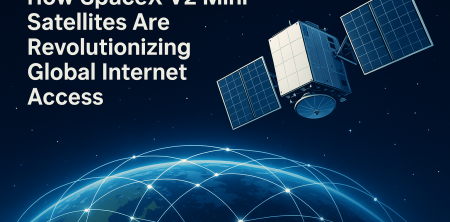
In an era where internet connectivity is paramount to daily life, SpaceX V2 Mini Satellites are making headlines for their potential to reshape how we access the web. Launched recently, this innovative network aims to deliver high-speed internet to homes, businesses, and even vehicles across the globe. With a 50% increase in coverage compared to previous generations, the implications of this technology are profound and far-reaching. Below, we explore nine key aspects of the SpaceX V2 Mini Satellites and their impact on global internet access.
1. The Launch That Changed Everything
On a recent launch, SpaceX deployed its V2 Mini Satellites, marking a significant milestone in the quest for global broadband coverage. Unlike traditional satellite systems, these miniaturized satellites are designed to work in conjunction with a mesh network, creating a seamless connection even in remote areas. This launch not only enhances internet access but also challenges the existing monopolies held by major telecom companies.
The engineering team at SpaceX has emphasized that the V2 Mini Satellites are built with advanced technology that allows for better signal processing and reduced latency. As a result, users across various demographics—from rural households to urban businesses—can expect a more robust and reliable connection. This represents a shift towards democratizing internet access, which has been a long-standing goal in the tech community.
2. Technological Advancements Behind V2 Mini Satellites
The technology behind SpaceX V2 Mini Satellites is a significant improvement over its predecessors. With a smaller form factor and enhanced capabilities, these satellites can cover larger areas with fewer units, thereby reducing deployment costs and increasing efficiency. The integration of artificial intelligence and machine learning into their operation allows for dynamic adjustments based on user demand and environmental factors.
Moreover, the ability of these satellites to operate in low Earth orbit minimizes the latency issues that have plagued traditional satellite internet. Users can expect speeds comparable to fiber-optic connections, which is a dramatic improvement for areas that have been underserved in terms of internet access. This technology doesn’t just promise faster internet; it has the potential to alter how we interact online, enabling services that require high bandwidth, such as telemedicine and remote education.
3. Global Implications of Enhanced Connectivity
The launch of the SpaceX V2 Mini Satellites carries substantial global implications. With the capacity to provide internet access to underserved regions, this technology can bridge the digital divide. Current estimates suggest that nearly 3 billion people still lack reliable internet access, primarily in developing countries. The introduction of these satellites could catalyze economic growth through improved access to information, education, and e-commerce.
Furthermore, the impact of enhanced connectivity extends to various sectors, including healthcare, education, and agriculture. Farmers in remote areas can access real-time data about weather patterns and market prices, while students can participate in online courses regardless of geographic constraints. Essentially, the V2 Mini Satellites could empower marginalized communities by providing the tools necessary for advancement.
4. Disruption of Existing Internet Providers
The emergence of SpaceX V2 Mini Satellites is poised to disrupt existing internet service providers. Telecom giants who have long held dominance in the market may find themselves challenged by this new competitor. As SpaceX's Starlink service grows, traditional providers may be forced to reevaluate their pricing structures and service offerings in order to remain competitive.
This disruption could lead to better pricing and service quality for consumers. Increased competition often results in innovation and better customer service—factors that are crucial in an industry dominated by a few large players. The threat posed by SpaceX V2 Mini Satellites could potentially accelerate advancements in internet technology across the board.
5. Controversies Surrounding Satellite Internet
Despite the promising prospects of SpaceX V2 Mini Satellites, the project is not without its controversies. Critics argue that the proliferation of satellites in low Earth orbit could exacerbate the problem of space debris, posing risks to both existing satellites and future space missions. The sheer number of satellites proposed (SpaceX has plans for thousands) raises legitimate concerns about overcrowding in space.
Moreover, there are worries about the environmental impact of such large-scale satellite launches. While SpaceX has improved rocket recycling processes, the carbon footprint of frequent launches could still be significant. Environmentalists are closely monitoring these developments to ensure that advancements in technology do not come at the cost of our planet's health.
6. The Role of Government Regulations
As SpaceX V2 Mini Satellites make their way into the market, government regulations will play a crucial role in shaping their implementation. Agencies like the Federal Communications Commission (FCC) in the United States are tasked with overseeing satellite communications and ensuring that new technologies comply with existing laws and standards. This oversight is essential to prevent potential monopolistic practices and ensure fair access to the technology.
Moreover, international regulations will be necessary to manage satellite operations on a global scale. The coordination between countries on issues of spectrum allocation and orbital rights will be vital in preventing conflicts and promoting cooperative use of space. As SpaceX and other companies venture into this frontier, the dialogue around regulation will also evolve, potentially leading to new frameworks for satellite communication.
7. Customer Experiences and Expectations
The launch of SpaceX V2 Mini Satellites has generated excitement among potential users eager for improved internet services. Early adopters have reported experiencing significant boosts in speed and reliability, which has raised expectations for mainstream rollout. Customers’ experiences will ultimately dictate the success of this initiative—if the technology fails to deliver, dissatisfaction could lead to public backlash.
Customer service will also be a critical component of user satisfaction. As users transition to this new form of internet access, they will likely seek support for installation and troubleshooting. SpaceX's ability to provide responsive customer service will influence its reputation in the market. As this project unfolds, keeping an eye on user feedback will be essential for understanding its impact.
8. Future Prospects and Innovations
The future of SpaceX V2 Mini Satellites is filled with potential innovations and advancements. As technology continues to evolve, SpaceX may explore more efficient ways to deploy and operate its satellites. The integration of cutting-edge technologies like quantum computing and advanced AI could further enhance satellite capabilities and performance.
Additionally, collaborations with other tech companies could lead to synergies that enhance the functionality of these satellites. For instance, partnerships with companies focused on data analytics and cybersecurity could improve overall service quality and security measures, addressing one of the critical concerns surrounding satellite internet.
9. Final Thoughts on SpaceX V2 Mini Satellites
The launch of SpaceX V2 Mini Satellites is heralding a new era in global internet access, with the potential to disrupt existing paradigms and open up opportunities for millions. While the project faces challenges and controversies, the benefits of enhanced connectivity are hard to ignore. If executed successfully, this initiative could redefine how we connect, communicate, and work in our increasingly digital world.
As we continue to monitor the developments surrounding SpaceX V2 Mini Satellites, it’s clear that this endeavor is more than just a technological feat; it’s a critical step towards a more connected future. The excitement around this launch is palpable, and it serves as a reminder of the transformative potential of innovation in overcoming longstanding barriers in internet accessibility.
10. The Satellite Internet Market Landscape
The SpaceX V2 Mini Satellites are entering an increasingly competitive market for satellite internet services. Companies like OneWeb, Amazon's Project Kuiper, and traditional internet providers are vying for a piece of the lucrative satellite broadband pie. As these technologies expand, the landscape will become more dynamic, with new players potentially entering the market.
According to industry reports, the global satellite internet market is projected to grow significantly over the next decade, with estimates suggesting a value of over $70 billion by 2027. The advent of mini satellites such as those from SpaceX could increase consumer access and lower costs, leading to a surge in adoption. This competition could drive innovation and improve user experiences across the board as companies strive to set themselves apart.
11. Comparative Analysis: SpaceX vs. Traditional ISPs
When evaluating SpaceX V2 Mini Satellites against traditional internet service providers (ISPs), several key differences emerge. Traditional ISPs often face significant infrastructure costs, especially when deploying services in rural areas. In contrast, satellite internet does not require extensive ground-based infrastructure, providing a compelling alternative for remote users.
Moreover, latency and speed are critical factors. Traditional fiber-optic connections offer the fastest speeds, but the deployment can be limited by geographic challenges. On the other hand, while satellite internet has historically suffered from higher latency, the new generation of satellites aims to minimize this issue. Early results from the SpaceX V2 Mini Satellites show promise in reducing latency to levels that could rival traditional ISPs, especially in areas where fiber-optic service is unavailable.
12. Environmental Considerations
As we embrace the technological advancements represented by SpaceX V2 Mini Satellites, it's imperative to consider their environmental impact. While satellite technology can increase connectivity, the increase in the number of satellites raises critical questions about sustainability. Space debris is a growing concern, with thousands of satellites planned for launch, which could lead to an increase in collisions in space, potentially rendering entire orbits unusable.
SpaceX has initiated measures to mitigate these risks by designing satellites that can deorbit themselves at the end of their lifespan. However, environmental scientists and space agencies worldwide are advocating for stricter regulations and guidelines to ensure that space remains a safe and sustainable environment for future generations. Balancing the benefits of satellite internet with environmental stewardship will be essential as this industry evolves.
13. FAQs About SpaceX V2 Mini Satellites
What are SpaceX V2 Mini Satellites?
SpaceX V2 Mini Satellites are a new generation of satellites designed to provide high-speed internet access globally, particularly focusing on underserved and rural areas. They operate in low Earth orbit, providing improved speed and reduced latency compared to traditional satellite internet systems.
How do SpaceX V2 Mini Satellites work?
These satellites work by creating a mesh network in low Earth orbit, allowing them to communicate with each other and ground stations effectively. This network architecture enhances coverage and reliability, ensuring that users receive stable internet connections even in remote locations.
What is the expected internet speed with SpaceX V2 Mini Satellites?
Users can expect speeds that rival traditional broadband options, with reported speeds reaching up to 1 Gbps under optimal conditions. However, actual performance may vary based on user location and network load.
Are there any countries where SpaceX V2 Mini Satellites are not available?
As of now, SpaceX is working on expanding its services worldwide, but availability may vary by region due to regulatory approvals. Some countries may have restrictions on satellite internet services, affecting overall connectivity.
What are the advantages of using SpaceX V2 Mini Satellites over traditional ISPs?
The primary advantages include broader coverage, especially in remote areas where ground-based infrastructure is lacking, lower latency due to low Earth orbit operation, and the potential for competitive pricing driven by increased market competition.
What environmental issues do SpaceX V2 Mini Satellites pose?
The launch of numerous satellites raises concerns about space debris and the sustainability of low Earth orbit. SpaceX is taking steps to address these issues, but ongoing discussions are necessary to ensure responsible satellite deployment.
14. Economic Impact of SpaceX V2 Mini Satellites
The introduction of SpaceX V2 Mini Satellites is not just a technological advancement but also a significant economic opportunity. Experts estimate that expanding internet access to underserved regions can add billions to the global economy. For example, a report by McKinsey Global Institute highlights that improved internet access can boost GDP growth by over 1% in developing countries. This is primarily due to increased participation in e-commerce, education, and digital services.
Additionally, businesses in emerging markets may thrive as they gain access to online platforms for marketing and sales. Small businesses that previously struggled to reach wider audiences can now leverage the internet for growth, which translates into job creation and enhanced livelihoods.
15. Safety and Security Concerns
With the deployment of SpaceX V2 Mini Satellites, safety and security concerns are also coming to the forefront. As users increasingly rely on satellite internet for sensitive transactions, such as online banking or telehealth appointments, ensuring data security becomes paramount. Cybersecurity experts are raising alarms about potential vulnerabilities that could be exploited by malicious actors.
SpaceX is aware of these concerns and has invested in robust security measures. Encryption protocols, regular updates, and monitoring systems are part of the strategy to safeguard user data. However, as cyber threats continue to evolve, ongoing vigilance will be necessary to protect users from potential security breaches.
16. Potential for Community-Driven Initiatives
The deployment of SpaceX V2 Mini Satellites could spur community-driven initiatives aimed at maximizing the benefits of enhanced connectivity. Local governments and organizations can collaborate with SpaceX to establish programs that educate residents about utilizing the internet effectively. For instance, workshops could be organized to teach digital literacy skills, helping individuals and businesses leverage the internet for growth.
Furthermore, community networks could emerge, allowing residents to share resources and knowledge. This collaborative approach could strengthen local economies and foster a sense of connection among residents, making the most of the opportunities created by satellite internet.
17. Case Studies: Successful Implementations
To understand the impact of SpaceX V2 Mini Satellites, examining successful case studies can be insightful. In rural areas of the U.S., early adopters of SpaceX's Starlink service reported significant improvements in their internet experiences. For example, a family in Montana shared that they transitioned from unreliable DSL to high-speed satellite internet, enabling their children to attend online classes seamlessly.
Similarly, in remote regions of Nigeria, pilot programs have demonstrated that satellite internet can facilitate access to telemedicine services. Patients can consult healthcare professionals remotely, reducing travel time and costs associated with getting medical advice. These early successes showcase the transformative potential of satellite connectivity in areas that have long struggled with inadequate internet access.
As the SpaceX V2 Mini Satellites continue to unfold their potential, they are set to redefine the landscape of global internet access. By addressing both connectivity and accessibility, they pave the way for innovative opportunities and enhanced living standards for millions worldwide.
```
Trending Now
Frequently Asked Questions
How do SpaceX V2 Mini Satellites work?
SpaceX V2 Mini Satellites operate by forming a mesh network that connects users to the internet. They utilize advanced technology for improved signal processing and reduced latency, allowing for seamless connectivity even in remote areas.
What are the benefits of SpaceX V2 Mini Satellites?
The benefits include increased internet coverage by 50%, better reliability, and lower latency. This technology aims to democratize internet access, providing high-speed connections to rural households, urban businesses, and vehicles.
How do V2 Mini Satellites compare to traditional satellites?
Unlike traditional satellites, V2 Mini Satellites are smaller, more efficient, and designed to work together in a mesh network. This allows them to cover larger areas with fewer units, significantly enhancing global internet access.
What impact do SpaceX V2 Mini Satellites have on internet access?
SpaceX V2 Mini Satellites are set to revolutionize global internet access by providing high-speed connections to underserved areas, challenging existing telecom monopolies, and enabling a more equitable distribution of internet resources.
What technology is used in SpaceX V2 Mini Satellites?
The V2 Mini Satellites incorporate advanced technology, including artificial intelligence and machine learning, which allows for dynamic adjustments based on user demand and environmental factors, enhancing overall performance and efficiency.
What did we miss? Let us know in the comments and join the conversation.

