```html
The Lima Auto Show has emerged as a stunning hotspot for automotive enthusiasts, especially those with a passion for classic cars and trucks. Recently, this event has attracted massive crowds, creating a viral phenomenon that’s sweeping across social media platforms and igniting fervent discussions about automotive history. But what is it that makes this event so captivating? In this article, we’ll explore the various aspects of the Lima Auto Show, the surprising trends among its attendees, and why classic vehicles are gaining renewed interest, particularly among younger generations.
The Lima Auto Show: A Hub for Automotive Enthusiasts
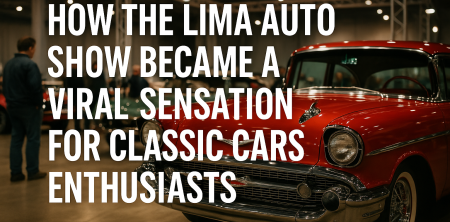
Located in Lima, Ohio, the Lima Auto Show has become a must-visit event for anyone with an appreciation for automobiles, whether they’re classic or modern. The recent public car show featured an astonishing variety of vehicles, including classic cars, trucks, motorcycles, and the latest models from manufacturers. This eclectic mix ensures that there’s something for every kind of automotive enthusiast.
As attendees wandered through rows of gleaming chrome and vintage paint jobs, it was evident that the event was more than just a car show; it was a celebration of automotive heritage. Owners proudly shared stories behind their vehicles, revealing the passion and dedication that goes into restoring these timeless machines. The personal connections formed between owners and spectators added a unique dimension to the experience, making it memorable for everyone involved.
A Viral Sensation Fueled by Social Media
What truly sets the Lima Auto Show apart is the way it has leveraged social media to amplify its reach. Attendees frequently share their experiences online, posting photos and videos that showcase their favorite vehicles from the show. These posts often receive significant engagement, leading to discussions and debates in automotive forums and on platforms like Instagram and Facebook.
This viral aspect is particularly intriguing given the nature of the vehicles showcased. As classic cars and trucks continue to gain traction, the event serves as a reminder of their cultural significance. The combination of nostalgia, the fear of missing out, and the thrill of connecting with fellow enthusiasts creates a compelling reason for people to engage with and share their experiences from the show.
Classic Vehicles Capturing the Hearts of Younger Generations
One of the most unexpected trends emerging from the Lima Auto Show is the increasing popularity of classic vehicles among younger attendees. Traditionally, classic cars were often viewed as relics of a bygone era, appreciated mainly by older generations. However, today’s youth are displaying a keen interest in these timeless machines, heralding a resurgence in classic car culture.
This newfound enthusiasm can be attributed to several factors. For one, there’s an undeniable charm associated with classic cars that many find appealing. The artistry of vintage automotive design, the sound of a roaring engine, and the stories behind each model resonate with young car enthusiasts in ways that modern vehicles may not. Additionally, as younger generations seek to embrace authenticity in various aspects of their lives, classic cars symbolize a connection to a more genuine and simpler time.
The Impact of Nostalgia on Automotive Preferences
Nostalgia plays a significant role in the revival of interest in classic cars at events like the Lima Auto Show. The emotional attachment that many people have to these vehicles often stems from personal stories, such as memories of family road trips or first cars. For younger generations, the allure of classic cars often lies in the stories told by their parents and grandparents.
As these stories are shared at car shows, they resonate deeply with attendees, creating a sense of community and shared heritage. The Lima Auto Show provides the perfect platform for these stories to be exchanged. It’s not just about the cars; it’s about the memories, the experiences, and the connections that these vehicles represent.
Vehicle Diversity: A Key Factor in Attracting Crowds
The Lima Auto Show stood out this year not only for its sheer number of attendees but also for the incredible diversity of vehicles on display. From vintage muscle cars to classic trucks and even modern electric vehicles, the range of automotive styles keeps visitors engaged and excited.
This variety allows attendees to experience the evolution of automotive design and technology over the decades. For example, classic muscle cars like the Ford Mustang and Chevrolet Camaro were positioned alongside the latest Teslas, sparking conversations about how far the industry has come. Such contrasts highlight the innovations that have occurred while simultaneously honoring the classic designs that laid the groundwork for modern vehicles. (See: history of automobiles.)
Controversies and Discussions: The Heart of the Community
No automotive gathering is without its controversies, and the Lima Auto Show is no exception. Discussions often arise over the preservation of classic vehicles versus the desire to modify them for performance or aesthetic reasons. These debates reflect broader conversations within the automotive community about what defines a true classic car and how far one can go in altering its original state.
Additionally, the show has sparked discussions about the environmental impact of classic cars, especially in light of the growing emphasis on electric vehicles and sustainability. While some attendees advocate for preserving classic vehicles, others argue for the need to adopt more eco-friendly practices in the automotive world. These discussions are essential for the future of car culture and contribute to the vibrant atmosphere at the show.
Learning and Exploring: Educational Opportunities at the Show
The Lima Auto Show goes beyond just showcasing vehicles; it also serves as an educational platform. Attendees have opportunities to participate in workshops, panel discussions, and Q&A sessions with industry experts and seasoned car restorers. This educational aspect is particularly appealing to younger enthusiasts who are eager to learn about automotive history and restoration techniques.
By providing insights into the mechanics and craftsmanship behind classic vehicles, the show helps foster a deeper appreciation for the art of car restoration. Attendees leave with not only a greater understanding of the vehicles on display but also a newfound appreciation for the hard work that goes into preserving these pieces of automotive history.
The Economic Impact of the Lima Auto Show
The success of the Lima Auto Show extends beyond its immediate attendees; it has a broader economic impact on the local community. As thousands flock to the area for the event, local businesses, including hotels, restaurants, and shops, benefit significantly from the influx of visitors.
Moreover, the event creates a platform for local vendors and artisans to showcase their products, ranging from car accessories to custom memorabilia. This not only bolsters the local economy but also helps foster a sense of community pride and identity, as residents come together to celebrate their shared love for classic cars.
What Lies Ahead for Classic Cars and Auto Shows
As interest in classic vehicles continues to grow, events like the Lima Auto Show are likely to play an even more prominent role in the automotive community. The unique blend of nostalgia, education, and community engagement creates an environment that draws people in and keeps them coming back year after year.
Looking forward, it’s essential for organizers to embrace the changing demographics of attendees, ensuring that the event remains relevant and appealing to younger generations. As classic cars and trucks increasingly captivate a new audience, the Lima Auto Show stands to become a cornerstone of automotive culture for years to come.
Final Thoughts: Embracing the Legacy of Classic Cars
The Lima Auto Show is a testament to the enduring appeal of classic cars and the rich heritage they represent. As thousands gather to celebrate these vehicles, they also celebrate the stories, memories, and community that comes along with them. In a world increasingly dominated by modern technology, the revival of interest in classic vehicles offers a refreshing perspective on the importance of heritage and tradition.
So, if you haven’t yet experienced the magic of a classic cars auto show, consider adding it to your calendar. You might just find yourself captivated by the charm of classic cars and the vibrant community that surrounds them. After all, the road to the past is paved with the stories of these iconic vehicles, waiting to be shared, cherished, and celebrated.
The Popularity of Auto Shows Nationwide
While the Lima Auto Show has carved out its own identity, it’s essential to recognize that it fits into a larger trend of classic car shows popping up across the United States. Events in cities like Detroit, Los Angeles, and Chicago not only attract local car enthusiasts but draw national attention. For instance, the Detroit Auto Show is famous for its larger-than-life displays and has attracted hundreds of thousands of visitors over the years. The sheer scale and variety of vehicles at these events provide ample opportunities for networking, education, and excitement surrounding automotive culture.
Statistics indicate that attendance at classic car shows has increased by nearly 30% over the past ten years, highlighting the growing interest in automotive history and vintage vehicles. With more than 330 auto shows taking place annually in the U.S. alone, these events serve as critical touchpoints for enthusiasts to connect and share their passion.
Case Study: The Evolution of Classic Cars
To understand the resurgence of interest in classic cars, consider the evolution of models like the Chevrolet Corvette. First introduced in 1953, the Corvette has become an iconic representation of American automotive innovation. From its initial fiberglass body to the technologically advanced models of today, the Corvette's journey reflects the broader trends in the automotive industry. (See: growing interest in classic cars.)
Classic cars like the Corvette are celebrated not only for their performance but also for their design and engineering breakthroughs. This evolution showcases how the classic car market can thrive alongside modern innovations. In fact, many younger enthusiasts are drawn to classic cars because they represent the pinnacle of design—each model tells a story of its time, encapsulating cultural elements that resonate with the values of today's youth.
The Role of Online Communities
As social media continues to shape our interactions, online communities around classic cars have flourished. Websites and platforms dedicated to classic car restoration, modification, and appreciation provide enthusiasts with resources and support. Forums like ClassicCarRestorationClub.com and social media groups on Facebook have become valuable networks for sharing tips, finding parts, and discussing restoration projects.
These online communities often extend the learning opportunities that events like the Lima Auto Show provide. They allow people to connect year-round, facilitating conversations and camaraderie that transcend geographical limits. This digital engagement translates to higher attendance at car shows, as enthusiasts feel more connected and informed about the vehicles they are passionate about.
Engaging with the Next Generation: Youth Programs
Recognizing the importance of nurturing future generations of car enthusiasts, many auto shows, including the Lima Auto Show, are introducing youth programs. These initiatives aim to engage younger attendees through hands-on activities, mentorship from seasoned car restorers, and educational workshops focused on automotive mechanics and history.
By providing these opportunities, auto shows encourage young people to explore careers in automotive technology, design, and restoration. Organizations like the Automotive Youth Educational Systems (AYES) are working with schools to develop programs that introduce students to the automotive industry, ensuring the preservation of automotive knowledge and skills for the future.
Frequently Asked Questions About Classic Cars Auto Shows
What should I expect at a classic cars auto show?
At a classic cars auto show, you can expect to see a wide variety of vintage vehicles, ranging from muscle cars to antique trucks. Many shows also include vendor booths with automotive products, accessories, and memorabilia. Additionally, there are often educational panels, workshops, and opportunities to meet industry experts.
How do I prepare for attending a classic car show?
It’s a good idea to wear comfortable shoes, as you’ll likely be walking a lot. Bring a camera to capture your favorite vehicles, and consider bringing a notebook if you’re interested in jotting down information or stories shared by vehicle owners. Don’t forget to check the event schedule for any workshops or panels you might want to attend!
Can I bring my classic car to the show?
Many classic car shows allow owners to display their vehicles. However, it’s important to check the specific event’s registration and entry requirements in advance. Some shows may have limited space or specific categories for entries.
Are classic car shows family-friendly?
Most classic car shows are designed to be family-friendly, with activities and attractions suitable for all ages. Many shows feature food vendors, kids’ activities, and entertainment to ensure a fun experience for everyone.
What are the benefits of attending a classic car show?
Attending a classic car show allows you to connect with fellow enthusiasts, learn about automotive history, and gain insights into restoration techniques. It’s also a great opportunity to discover rare models and engage with the stories behind them.
How can I stay updated on upcoming classic car shows?
To stay informed about upcoming classic car shows, follow automotive organizations on social media, join online car enthusiast forums, and subscribe to newsletters from auto shows. Websites like CarShowFinder.com can also help you locate events in your area. (See: impact of transportation on health.)
Exploring Classic Car Trends
As the classic car scene continues to evolve, certain trends are gaining momentum. One notable trend is the rise of electric conversions for classic cars. Enthusiasts are increasingly looking to modernize their classic vehicles while maintaining their original aesthetics. Companies like Zelectric Motors and EV West specialize in converting classic cars into fully electric models, preserving their iconic designs while offering eco-friendly performance.
This trend not only appeals to environmentally conscious consumers but also allows classic car owners to enjoy the benefits of modern technology, such as improved performance and reliability. It's an exciting intersection of nostalgia and innovation that reflects the values of younger generations interested in sustainability without sacrificing style.
The Cultural Significance of Classic Cars
Classic cars are more than just vehicles; they represent cultural milestones and societal changes. Each model reflects the era in which it was created, showcasing design philosophies, technological advancements, and even shifts in consumer preferences. For instance, the rise of the muscle car in the 1960s spoke to a generation eager for speed and performance, while the compact car movement in the 1970s aligned with economic shifts and changing lifestyles.
At shows like the Lima Auto Show, attendees can explore these cultural narratives through the cars themselves. A beautifully restored 1969 Chevrolet Camaro doesn’t just represent automotive excellence; it also embodies the spirit of American ingenuity and the thrill of the open road that defined a generation. Engaging with these stories adds depth to the experience of attending a classic car show, making it a cultural exploration as much as a celebration of engineering.
Future of Classic Cars in a Digital Age
As technology transforms various industries, the classic car community is not left behind. The integration of tech solutions into classic car maintenance and restoration has opened new avenues for enthusiasts. Digital tools for tracking vehicle history, restoration guides, and even 3D printing for hard-to-find parts are enhancing the classic car ownership experience.
Additionally, online marketplaces like Hemmings and Bring a Trailer are revolutionizing how classic cars are bought and sold. These platforms provide extensive resources and community engagement, allowing buyers and sellers to connect in ways that were not possible just a few years ago. This digital landscape is creating a vibrant, global community of classic car enthusiasts who can share knowledge, resources, and experiences like never before.
Conclusion
As we reflect on the Lima Auto Show and its impact on the classic car community, it's clear that these events serve as vital gatherings for enthusiasts of all generations. They not only celebrate the beauty and engineering of classic vehicles but also foster a sense of belonging among attendees. With the incorporation of educational opportunities, online communities, and youth engagement initiatives, the future of classic cars and auto shows looks incredibly bright.
Whether you're a long-time enthusiast or someone just discovering the allure of classic cars, experiencing a classic cars auto show can be a transformative experience. So mark your calendar, gather your friends and family, and dive into the world of vintage vehicles; there's a rich history waiting for you to explore!
```
Trending Now
Frequently Asked Questions
What is the Lima Auto Show known for?
The Lima Auto Show is renowned for being a premier event for automotive enthusiasts, focusing particularly on classic cars and trucks. It features a diverse array of vehicles, from vintage classics to modern models, making it a must-visit for car lovers.
Why has the Lima Auto Show gone viral?
The Lima Auto Show has become a viral sensation due to its effective use of social media. Attendees share their experiences online, posting engaging photos and videos that spark discussions on various platforms, amplifying the event's reach and popularity.
What types of vehicles are displayed at the Lima Auto Show?
The Lima Auto Show showcases a wide variety of vehicles, including classic cars, trucks, motorcycles, and the latest models from various manufacturers. This eclectic mix ensures there’s something for every type of automotive enthusiast.
How does the Lima Auto Show connect car owners with attendees?
At the Lima Auto Show, car owners engage with attendees by sharing personal stories and experiences about their vehicles. This interaction fosters connections and adds a memorable dimension to the event, enhancing the overall experience for everyone involved.
What trends are emerging among attendees of the Lima Auto Show?
Recent trends indicate that younger generations are showing increased interest in classic vehicles. The Lima Auto Show highlights this shift, as it attracts diverse attendees who appreciate automotive history and the artistry of vintage cars.
Agree or disagree? Drop a comment and tell us what you think.

