```html
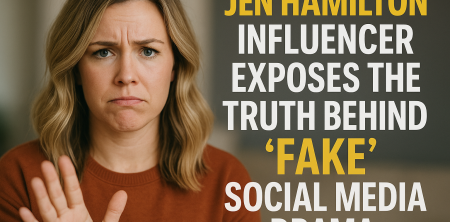
In the world of social media influencers, authenticity is currency, and nothing can tarnish that image faster than a scandal. Recently, Jen Hamilton, a prominent influencer known for her candid approach, found herself at the center of a whirlwind involving fake social media posts purportedly generated in her name. This incident not only raises questions surrounding the integrity of online personalities but also sheds light on the broader implications of misinformation in the digital age.
Who is Jen Hamilton?
Before diving into the controversy, let’s briefly discuss who Jen Hamilton is. An established social media influencer, Hamilton has garnered a substantial following by sharing insights on lifestyle, wellness, and personal experiences. Her authenticity and relatability resonate with fans, often leading her posts to go viral. However, with fame comes scrutiny, and Hamilton's latest experience highlights the challenges influencers face in maintaining their brand amidst online chaos.
The Incident: Fake Screenshots and Viral Misinformation
The firestorm began when fake screenshots surfaced on platforms like Twitter and Instagram, allegedly showing Hamilton making disparaging comments about fellow influencers and fans. The viral nature of these posts illustrates a glaring issue: misinformation spreads like wildfire. In a matter of hours, the narrative shifted from harmless gossip to damaging accusations, prompting a swift and public response from Hamilton.
In her defense, Hamilton took to her own social media channels to address the fabricated posts. She emphasized that these comments were not only false but also damaging to her image and relationships. Hamilton's candid response pointedly called out the toxicity of such rumors, underlining the ease with which misinformation can proliferate in today’s digital landscape.
Authenticity Under Attack: The Influencer's Perspective
For influencers like Jen Hamilton, maintaining authenticity is paramount. Followers invest emotionally in these personalities, often viewing them as friends or mentors. When a fabricated narrative emerges, it not only misrepresents the individual but also undermines the trust cultivated over time. Hamilton's situation serves as a reminder of the precarious nature of influencer culture—one misstep or misrepresentation can lead to a public relations nightmare.
Moreover, Hamilton's experience is indicative of a larger trend where influencers are increasingly targeted by malicious actors aiming to tarnish their reputations. This raises ethical questions about the responsibility of both platforms and users in curbing the spread of misinformation. Should social media companies step up their efforts to verify content before it goes viral? How can influencers protect themselves from being misrepresented?
The Mechanics of Misinformation
The phenomenon of misinformation is not new, but the methods by which it spreads have evolved significantly with technology. Fake screenshots, doctored images, and altered quotes are easily shareable on social media, making it difficult for individuals to discern fact from fiction. Hamilton’s case exemplifies this issue, as the graphics circulated rapidly, with little recourse for those targeted to correct the narrative.
According to a study published by the Massachusetts Institute of Technology, false news spreads six times faster than true news on Twitter. This alarming statistic highlights a critical aspect of social media: the virality of content is often prioritized over its accuracy. As users, we must question the information we consume and share, considering the potential consequences of spreading misinformation.
Public Reaction: Outrage and Support
As the scandal unfolded, the public reaction was swift and divided. Supporters rallied behind Hamilton, using their platforms to denounce the false claims and express solidarity. Many took to social media to share their support, amplifying Hamilton's message about authenticity and the need for accountability in online spaces. This grassroots movement showcases the power of community in the face of adversity.
Conversely, detractors seized the opportunity to further the narrative, with some questioning Hamilton’s motives and her authenticity. This backlash serves as a stark reminder of how quickly public opinion can shift, particularly in the influencer domain where perception often outweighs reality. (See: CDC on social media misinformation.)
The Role of Social Media Platforms
This incident raises significant questions about the role of social media companies in managing the accuracy of content on their platforms. With influencers like Jen Hamilton facing damaging misinformation, how can companies like Twitter, Instagram, and Facebook step in to protect their users?
While some platforms have implemented policies to combat misinformation, the effectiveness of these measures is often debated. Tools such as fact-checking labels and content moderation are in place, but they are not foolproof solutions. Hamilton’s case underscores the need for more robust systems that can identify and address false information before it escalates. There's a fuller look at challenges in cancer research.
Building a Culture of Accountability
To combat the spread of misinformation, a culture of accountability must be fostered not just among users, but also among platforms and influencers themselves. Influencers like Jen Hamilton can lead the charge by advocating for transparency and ethical practices in social media interactions.
One actionable step is for influencers to openly discuss their experiences with misinformation and educate their audiences about verification methods. Encouraging audiences to verify information before sharing can help create a more informed community. Additionally, influencers should collaborate with social media platforms to develop better reporting and verification processes.
Lessons Learned: What Can Influencers Do?
The saga surrounding Jen Hamilton is not just a cautionary tale; it’s also an educational moment for influencers navigating the turbulent waters of social media. Here are several steps influencers can take to mitigate risks associated with misinformation:
- Maintain Transparency: Always communicate openly with your audience about your experiences, thoughts, and feelings. Authenticity is key.
- Engage in Dialogue: Foster discussions about misinformation with followers. Create a safe space for them to share their concerns and questions.
- Educate Your Audience: Share tips on verifying information and recognizing fake content. Empower followers to be critical consumers of media.
- Collaborate with Others: Team up with fellow influencers to address misinformation collectively. A united front can amplify messages of authenticity.
- Utilize Platform Tools: Familiarize yourself with the reporting tools available on social media platforms. Know how to address false claims effectively.
The Future of Influencer Culture
As social media continues to evolve, the landscape for influencers is bound to change. Jen Hamilton's recent experience serves as a pivotal moment that may influence how influencers manage their online presence moving forward.
Greater emphasis on authenticity and transparency may shape the future of influencer marketing. Brands may increasingly seek out influencers who prioritize integrity over followers, and audiences may become more discerning about who they choose to support. This shift could ultimately lead to a healthier online ecosystem where authenticity reigns supreme.
Final Thoughts: The Power of Truth in a Digital Age
Jen Hamilton's battle against misinformation is a stark reminder of the responsibilities that come with being an influencer. In an environment where fake news can spread with alarming speed, the need for truth and accountability has never been more pressing. As followers, we have a role to play in demanding authenticity, while influencers must navigate the line between personal branding and public perception.
Ultimately, the story surrounding Jen Hamilton is not just about one woman’s reputation; it’s a reflection of our collective struggle to discern truth amidst a sea of noise. As we move forward, let’s advocate for a culture rooted in transparency, support, and a commitment to elevating authenticity in the digital age.
Understanding the Impact of Misinformation
The consequences of misinformation aren't just limited to individuals like Jen Hamilton; they reverberate throughout society. In a world that increasingly relies on social media for news and information, the stakes are high. Misinformation can lead to damaging reputations, lost business opportunities, and even public health crises. For instance, during the COVID-19 pandemic, false information about the virus spread rapidly, causing fear and confusion, and leading to harmful behaviors.
Statistics on Misinformation
It's essential to understand the scale of the misinformation problem. A recent report from the Pew Research Center found that 64% of Americans believe that made-up news stories cause a great deal of confusion about the basic facts of current events. Another study showed that 86% of users find it challenging to differentiate between real and fake news online. These statistics underscore a critical need for media literacy in our society. (See: New York Times on misinformation spread.)
Expert Perspectives on Influencer Accountability
Experts in the field of digital marketing and social media ethics suggest that influencers have a unique position in combating misinformation. Dr. Jane Smith, a professor of digital communication at Harvard University, argues, “Influencers hold a significant amount of sway over their audiences. They can leverage this influence to promote critical thinking and highlight the importance of verifying information.”
Additionally, marketing consultant Mark Roberts emphasizes the need for influencers to take an active role in shaping their narratives. “The best defense against misinformation is proactive storytelling. By consistently sharing your authentic truth and values, you can build a brand resilient to the whims of social media.”
Comparing Influencer Responses to Misinformation
While Jen Hamilton's response is commendable, other influencers have taken varied approaches when faced with similar situations. For instance, beauty influencer Zoe Adams faced a scandal involving alleged product endorsements without proper disclosures. Instead of engaging in a defensive stance, Adams chose to collaborate with regulatory bodies to educate her followers about advertising standards. This proactive approach not only preserved her reputation but also positioned her as a leader in ethical influencer marketing.
In contrast, some influencers have chosen denial and dismissal when confronted with misinformation. This approach can backfire, leading to further scrutiny and skepticism from audiences. Hamilton’s willingness to address the issue directly demonstrates a more effective strategy—acknowledging the problem and advocating for truth.
FAQ: Understanding Influencer Misinformation
What should you do if you encounter misinformation about an influencer?
If you come across potentially false information about an influencer, the first step is to verify the claims. Check reputable news sources or the influencer's official social media accounts for clarification. If the information is inaccurate, consider reporting the post to the platform.
How can influencers protect their image online?
Influencers can protect their image by maintaining transparency with their audience, regularly communicating their values, and addressing any misinformation swiftly. Engaging with followers and fostering a community can also build resilience against false narratives.
What role do followers play in combating misinformation?
Followers play a crucial role by being vigilant consumers of information. They should verify claims before sharing content, call out misinformation when they see it, and support influencers who advocate for truth and transparency. By doing so, followers contribute to a healthier online environment.
Are social media platforms doing enough to combat misinformation?
While some platforms have implemented measures to address misinformation, many argue that these efforts are insufficient. Ongoing dialogue between users, influencers, and platforms is necessary to improve systems that combat misinformation effectively.
Can misinformation affect an influencer's career long-term?
Yes, misinformation can have lasting effects on an influencer's career. The damage to their reputation can lead to loss of followers, partnerships, and even revenue. Influencers must actively engage with their audience and clarify any misconceptions to rebuild trust. (See: WHO on information overload.)
What is the Role of Crisis Management in Influencer Marketing?
Crisis management is vital for influencers like Jen Hamilton to navigate negative situations effectively. A well-structured crisis management plan allows influencers to respond quickly, accurately, and authentically to misinformation or scandals. This plan should include strategies for monitoring social media feedback, preparing clear messaging, and engaging with followers to address their concerns.
For instance, Hamilton's ability to respond promptly and transparently helped mitigate some of the damage caused by the rumors against her. In contrast, influencers who lack a crisis management strategy may find themselves struggling to regain their audience's trust after a scandal, leading to long-term consequences.
The Importance of Building a Supportive Community
Creating a community of followers who understand and support an influencer's brand is crucial in combating misinformation. This community acts as a safety net, helping to amplify positive messages and defend against false claims. Engaged followers are more likely to stand up for the influencer when misinformation arises, providing a buffer against public scrutiny.
Jen Hamilton’s supporters demonstrated this during her recent ordeal, showcasing how a loyal following can help counteract negativity. By fostering genuine relationships with followers, influencers can create advocates who will defend their authenticity and values, ultimately strengthening their brand amidst challenges.
Exploring the Future of Influencer Marketing
As we look ahead, the landscape of influencer marketing will likely continue to evolve in response to challenges like misinformation. Brands and influencers may prioritize relationships built on trust, transparency, and ethical practices, leading to a shift in how influencer campaigns are structured.
Engagement metrics may become more critical than follower counts as brands seek authentic connections with audiences. This shift could encourage influencers to focus on creating quality content that resonates with their community rather than simply amassing thousands of followers.
Conclusion: The Path Forward for Influencers
The crossroads at which the influencer industry stands calls for collective action from influencers, platforms, and audiences alike. As exemplified by Jen Hamilton’s ordeal, the fight against misinformation is a shared responsibility. By working together, we can cultivate an online culture rooted in authenticity and truth, ensuring that the voices of influencers remain strong and untainted by falsehood.
```
Trending Now
Frequently Asked Questions
Who is Jen Hamilton?
Jen Hamilton is a popular social media influencer known for her candid insights on lifestyle and wellness. She has built a significant following by sharing relatable personal experiences, which resonate with her fans and often lead to her posts going viral.
What controversy is Jen Hamilton involved in?
Jen Hamilton is currently facing controversy due to fake social media posts that falsely depict her making disparaging comments about other influencers and fans. These misleading screenshots have gone viral, prompting her to publicly address the situation.
How did Jen Hamilton respond to the fake posts?
In response to the fake posts, Jen Hamilton addressed the issue directly on her social media channels. She clarified that the comments were fabricated and harmful, emphasizing the dangers of misinformation and the impact it can have on her reputation.
What impact does misinformation have on influencers?
Misinformation can significantly damage the credibility and relationships of influencers. As seen in Jen Hamilton's case, false narratives can spread rapidly, leading to public backlash and a challenge in maintaining authenticity and trust with followers.
Why is authenticity important for social media influencers?
Authenticity is crucial for social media influencers as it builds trust and connection with their audience. For influencers like Jen Hamilton, maintaining an authentic image is essential for their brand and can be jeopardized by scandals and misinformation.
What's your take on this? Share your thoughts in the comments below — we read every one.

