```html
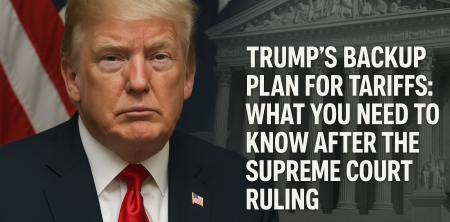
The world of trade is witnessing a dramatic turn of events, with President Trump announcing a backup plan for tariffs following a recent Supreme Court ruling. This high-stakes development has the potential to disrupt global markets and impact consumers directly. With an additional 10% global tariff imposed atop existing tariffs, the implications are significant. Let’s break down what this means in detail, focusing on the Trump tariffs backup plan and the broader economic landscape.
1. The Supreme Court Ruling: A Game-Changer for Trade
The Supreme Court’s recent decision regarding trade regulations has sent ripples through the economic fabric of the nation. This ruling did not just clarify legal ambiguities; it also set the stage for Trump's next move in his ongoing trade battle. As we know, legal uncertainties can create a volatile environment for international business, and this case was no exception.
The ruling was seen as a pivotal moment, allowing the administration greater latitude in imposing tariffs. This legal backing is crucial for Trump, who has leaned heavily on tariffs as a tool to protect American industries. However, the implications are two-fold: while it empowers the administration, it also raises questions regarding future trade relationships and economic stability.
2. Additional 10% Tariff: What Does It Mean for Consumers?
As part of his tariffs backup plan, Trump announced a hefty 10% tariff on a range of imports, which compounds the existing tariffs already affecting numerous products. This move is expected to impact everyday consumers significantly. From electronics to clothing, the prices of imported goods are likely to rise, leading to increased costs for American families.
Retail analysts warn that these tariffs could exacerbate inflationary pressures, especially as the economy continues to recover from the pandemic. For many households, this adds further strain to budgets already stretched thin. The concern is palpable as consumers brace themselves for higher prices and reduced purchasing power.
It’s worth noting that an increase in tariffs not only affects the cost of goods but also the diversity of products available in the market. With higher costs, retailers may opt to reduce the variety of imported items they carry, limiting consumer choices. The shift may lead to a greater emphasis on domestically produced alternatives, which could take time to ramp up production capacity.
3. Impact on Businesses: Navigating the New Landscape
Businesses, both large and small, are bracing for the ramifications of these new tariffs. Companies that rely on imported materials will likely experience increased costs, which could force them to either raise prices or cut back on production. This scenario could lead to job losses, as businesses may struggle to maintain profitability under the weight of higher input costs.
Moreover, many businesses had anticipated a different outcome from the Supreme Court ruling, which could complicate their long-term planning. With new legal precedents set, companies might have to reconsider their supply chains and pricing strategies. The uncertainty is troubling; in a world where stability is often key to success, unpredictability can be a significant obstacle.
To adapt, companies may seek to shift their supply chains to countries with lower tariffs or even increase investments in domestic manufacturing. While this could lead to short-term disruptions, a long-term focus on local production could benefit some industries and reduce reliance on imports. However, transitioning to new suppliers takes time and could hinder immediate business operations. For more on this, see Germany's fiscal stimulus impact.
4. International Relations: Strain on Global Partnerships
The announcement of the additional tariff is not just an economic issue; it has considerable implications for international relations. Countries that are directly affected by these tariffs may retaliate, leading to a tit-for-tat scenario that could escalate into a full-blown trade war. Historical precedents show that such confrontations can have devastating impacts on global trade.
Moreover, allies and trading partners may feel betrayed by the unilateral imposition of tariffs, which could sour diplomatic ties. This situation places the United States in a precarious position on the global stage, as other nations might seek to form new trade alliances that exclude American interests.
Countries like Canada and Mexico, which have historically been some of the closest trading partners of the U.S., may reassess their trade agreements in light of these tariffs. The fear among economists is that a breakdown in these relationships could diminish market access for U.S. goods and services abroad, further hurting American businesses and consumers alike.
5. Public Reaction: Mixed Feelings Amidst Economic Anxiety
The public reaction to Trump’s tariffs backup plan has been predictably mixed. While some support the move as a necessary step to protect American jobs and industries, others voice concerns about the potential for increased prices and the risk of economic stagnation. Social media platforms are buzzing with debates, showcasing a range of opinions from enthusiastic support to outright condemnation. (See: CDC on economic impacts of tariffs.)
This division in public sentiment reflects broader societal concerns about economic stability and the future of American manufacturing. As consumers begin to feel the pinch at the checkout line, the administration may face mounting pressure to justify its trade policies. The reality is that while some may benefit, many others could find themselves worse off.
Surveys reveal that a significant portion of the American population is apprehensive about the long-term economic implications of tariffs. A recent poll indicated that more than 60% of respondents believed tariffs would raise prices on everyday products, with many expressing concern regarding job security in industries dependent on global supply chains.
6. Economic Consequences: Short-Term vs. Long-Term Effects
The immediate economic consequences of these tariffs are evident, but what about the long-term effects? In the short term, we can expect a spike in prices and potential job losses in sectors heavily reliant on imported goods. However, the long-term ramifications are less certain. If companies can adapt to the new tariff landscape, they may find ways to offset costs and remain competitive.
On the other hand, if the tariffs lead to sustained inflation or trigger a recession, the consequences could be severe. Economists predict that prolonged trade tensions could stifle economic growth, leading to a slowdown that affects everyone. Policymakers must tread carefully to balance protectionism with the need for continued economic expansion.
For instance, if the tariffs remain in place for an extended period, new businesses may be deterred from entering the market due to increased operational costs. This situation could stifle innovation and entrepreneurship, impacting the economy's overall dynamism. In contrast, short-term boosts to specific sectors might not justify the long-term economic distortion caused by tariffs.
7. Future Trade Policies: What Comes Next?
With the announcement of the Trump tariffs backup plan, the future of American trade policy is now under scrutiny. Experts speculate that we may see an acceleration of similar tariff measures as the administration seeks to assert its stance on trade. However, the potential for backlash from both consumers and international partners means that a careful approach will be necessary.
In the coming months, we can expect to see a more aggressive trade strategy, possibly including negotiations with other countries and revisions to existing trade agreements. It’s also likely that we’ll hear calls for economic relief measures aimed at mitigating the impact of these tariffs on consumers and businesses alike.
Additionally, the administration may explore initiatives to foster domestic production, such as tax incentives for manufacturers or support for workforce development programs aimed at skilled labor. These efforts would aim to bolster industries affected by tariffs while seeking to reassure American consumers that their needs are being prioritized.
8. Effects on Specific Industries: Who Will Be Hit Hardest?
When it comes to the Trump tariffs backup plan, specific industries are bound to feel the brunt of the new tariff structure more than others. For instance, industries that rely heavily on imported materials, such as automotive and electronics, could see significant price increases.
The automotive sector is particularly vulnerable. Many car manufacturers depend on parts from overseas. A 10% increase in tariffs could lead to a rise in vehicle prices, translating to higher costs for consumers. Studies indicate that a 10% tariff could increase the cost of a car by approximately $1,000 on average, which could deter potential buyers and slow sales.
Another industry that may struggle is the apparel sector. With many clothing items imported, retailers may have no choice but to pass on the additional costs to consumers, who may then opt for cheaper, domestically produced alternatives or delay purchases altogether. Analysts project that the cost of clothing could rise by as much as 5-10% in response to the tariffs.
Considering the agricultural sector, farmers who export their products could be facing retaliatory tariffs from other countries. For example, countries may impose tariffs on U.S. agricultural exports like soybeans, affecting farmers’ income and potentially leading to a rise in domestic food prices.
Interestingly, some sectors may find an unexpected benefit from the tariffs. For instance, domestic manufacturers competing with imported goods may see a surge in demand as consumers turn to local alternatives. This shift could bolster job creation in certain manufacturing sectors, leading to potential economic rejuvenation in those areas.
9. Global Economic Impact: A Ripple Effect
The implications of Trump's tariffs backup plan aren’t confined to the United States. Global economies are intricately linked, and any U.S. tariff changes can precipitate substantial ripple effects worldwide. Countries dependent on exporting goods to the U.S. will experience changes in demand, impacting their own economies.
For instance, China, a major player in global manufacturing, could feel immediate consequences. If tariffs lead to reduced orders from American companies, it could result in job losses and economic slowdowns in Chinese provinces that specialize in manufacturing. The European Union, too, may respond with counter-tariffs, which could escalate trade tensions further. (See: New York Times on Supreme Court rulings.)
A study conducted by the Peterson Institute for International Economics suggests that a significant rise in tariffs could reduce global GDP by as much as 1%. This reduction, while seemingly small, represents billions of dollars in lost economic activity, demonstrating the interconnectedness of global markets.
Additionally, countries that might not be directly involved in the trade disputes could still face repercussions. For example, countries that rely on exports to both the U.S. and affected nations may find their economic growth stunted as demand shifts and international supply chains are disrupted.
10. Expert Perspectives: What Do Economists Say?
Economists and trade experts are divided on the potential outcomes of Trump's tariffs backup plan. Some argue that the tariffs are necessary to protect American jobs, while others warn of the long-term economic damage they could cause.
Dr. Emily Johnson, a leading economist at Harvard, believes that while short-term protections may help specific industries, the long-term impacts could be detrimental. “Tariffs often lead to higher prices for consumers and can stifle innovation by reducing competition. The goal should be to create an environment where American businesses can thrive without relying on protective measures,” she states.
Conversely, trade policy analyst Mark Thompson argues that these tariffs are a strategic move to counteract unfair trade practices from other nations. “We need to stand firm against countries that manipulate their currencies or impose unfair trade barriers. The tariffs are a necessary tool in leveling the playing field,” he argues.
Adding another layer to the discussion, economist Sarah O’Malley emphasizes the need for a balanced approach. “While tariffs can protect specific sectors, we must also consider the consumer impact and broader economic implications. Comprehensive trade strategies that include negotiations and collaborations may be more beneficial in the long run,” she advises.
11. FAQs About the Trump Tariffs Backup Plan
What exactly does the Trump tariffs backup plan entail?
The Trump tariffs backup plan includes an additional 10% tariff on a wide range of imported goods, compounding existing tariffs already in place. This plan aims to protect American industries and jobs but could have significant implications for prices and international relations.
How will these tariffs affect the average consumer?
Consumers can expect a rise in prices for various goods, including electronics, clothing, and household items. Retail analysts predict that inflationary pressures may increase due to higher import costs, leading to reduced purchasing power for many families.
Which industries are likely to be most affected?
Industries that rely heavily on imported materials, such as automotive, electronics, and apparel, are likely to be hit hardest. In particular, the automotive sector could see significant price increases, while the clothing industry may pass additional costs to consumers.
What are the potential long-term effects of these tariffs?
While short-term effects include price spikes and job losses, long-term effects could vary. If companies adapt effectively, they may mitigate costs. However, prolonged trade tensions could lead to stifled economic growth and increased consumer prices.
How might international relations change as a result of these tariffs?
Unilateral tariff impositions could strain relationships with trading partners. Countries affected by the tariffs may retaliate, leading to a cycle of escalated tariffs and potential trade wars, which could disrupt global trade networks.
What should consumers do in response to the tariffs?
Consumers may want to adjust their purchasing strategies. This could involve considering alternatives to imported goods, waiting for sales, or budgeting for potential price increases to manage the financial impact of the tariffs.
12. Strategies for Businesses Facing Tariffs
As businesses navigate through the challenging landscape posed by the Trump tariffs backup plan, adopting effective strategies is crucial. Here are several approaches that can help mitigate the impact: (See: BBC coverage of global trade issues.)
Diversifying Supply Chains
Companies might want to consider diversifying their supply chains to include a mixture of domestic and international sources. By doing so, they can reduce their reliance on specific countries and minimize the impact of tariffs on their operations. Establishing relationships with suppliers in countries with lower tariff rates could be beneficial.
Investing in Technology and Automation
Investing in new technologies and automation can help businesses increase efficiency and reduce production costs over time. While this requires upfront costs, it may provide long-term savings that can offset the impacts of tariffs.
Enhancing Domestic Production
For businesses that produce goods domestically, now may be the time to ramp up production capacity. By increasing local manufacturing, companies could benefit from lower transportation costs and capitalize on the potential shift towards domestically produced goods among consumers.
Communicating with Consumers
Transparent communication with customers about how tariffs affect pricing is vital. Businesses that engage in honest dialogues may foster goodwill and consumer loyalty, even in times of rising costs. Explaining the reasons behind price changes can help consumers understand the broader economic context.
13. Long-Term Outlook on Tariffs and Trade
The long-term outlook for tariffs and trade policies remains uncertain. With the global economy becoming increasingly interconnected, any shifts in U.S. tariff policies will resonate worldwide. Analysts suggest that as nations grapple with these changes, the need for diplomatic negotiations and trade agreements will become more pronounced.
It’s also possible that the global economic landscape could evolve, with countries reassessing their reliance on traditional trade partners. Nations may seek to build new alliances or enhance trade agreements that promote mutual benefits, creating a more collaborative international trade environment. (Trump's interest rate strategy)
In the absence of a strategic pivot, continued protectionist measures may lead to a fragmented global market, limiting growth opportunities. As businesses adapt to this new reality, their responses to tariffs will play a pivotal role in shaping the future of international trade.
14. Conclusion: Keeping an Eye on the Economic Landscape
The implications of Trump's backup plan for tariffs following the Supreme Court ruling are multifaceted and complex. As consumers face rising prices and businesses grapple with increased costs, the economic landscape is shifting in real-time. The stakes are high, and the potential for significant disruption is undeniable.
As we move forward, it will be crucial to monitor how these developments unfold and assess their impact on both domestic and international economies. Whether this plan ultimately strengthens American industries or leads to greater economic challenges remains to be seen.
```
Trending Now
Frequently Asked Questions
What is Trump's backup plan for tariffs after the Supreme Court ruling?
Trump's backup plan involves imposing an additional 10% global tariff on a range of imports, compounding existing tariffs. This move aims to protect American industries, but it also raises concerns about rising consumer prices and potential inflation.
How does the Supreme Court ruling affect trade regulations?
The Supreme Court ruling provides the Trump administration greater latitude in imposing tariffs, clarifying legal ambiguities in trade regulations. This decision empowers Trump's trade strategies but also raises concerns about future trade relationships and economic stability.
What products will be affected by the new 10% tariff?
The new 10% tariff will impact a variety of imports, including electronics and clothing. This increase in tariffs is likely to raise prices for these products, directly affecting American consumers and their household budgets.
What are the economic implications of the additional tariffs?
The additional tariffs could exacerbate inflationary pressures, leading to higher prices for imported goods. As the economy continues to recover from the pandemic, these tariffs may put further strain on American families already facing financial challenges.
How might consumers react to the new tariffs?
Consumers may react negatively to the new tariffs as they lead to increased prices on everyday goods, such as electronics and clothing. Retail analysts warn that this could further strain household budgets and contribute to rising inflation.
Agree or disagree? Drop a comment and tell us what you think.

