```html
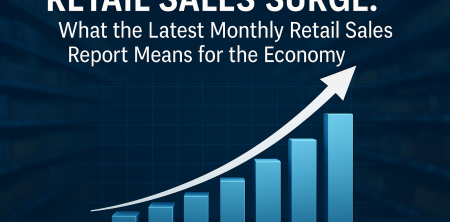
The latest monthly retail sales report from the Census Bureau has revealed some surprising trends that could reshape our understanding of the current economic landscape. Retail trade sales increased by 1.0% from April 2026 and surged by 7.5% year over year. Perhaps most notably, nonstore retailers—mostly encompassing e-commerce platforms—saw a remarkable rise of 12.2%. These figures not only signify a potential rebound in consumer spending but also highlight the ongoing evolution of shopping habits in a digital-first world.
Understanding the Importance of Retail Sales Data
Retail sales data is more than just a number; it's a critical indicator of economic health. It offers insights into consumer behavior, inflation trends, and overall economic resilience. When retail sales rise, it often signals that consumers are willing to spend, which can lead to increased business revenues and potentially higher employment rates.
Conversely, a decline in retail sales can indicate economic troubles, such as reduced consumer confidence or tighter budgets. This data plays a key role in helping economists, policymakers, and investors gauge the likelihood of interest rate adjustments, job market fluctuations, and even recession risks. In a climate where economic indicators are often mixed, a robust retail sales figure can act as a beacon of positivity. (significant growth insights)
The Key Takeaways from the Latest Report
The latest report provides several key insights that resonate within the business community:
- Overall Growth: The 1.0% month-over-month increase and the 7.5% year-over-year growth suggest a strong consumer base that's willing to spend despite potential economic uncertainties.
- E-commerce Dominance: Nonstore retailers' 12.2% growth showcases the sustained strength of e-commerce—a sector that has only grown more influential in recent years.
- Counterintuitive Narrative: These figures create a narrative that challenges the dominant pessimism surrounding the economy, indicating a resilience that many may not expect.
Retail Sales and Economic Indicators
To truly appreciate the significance of the monthly retail sales report, it's essential to connect the dots between retail sales and other economic indicators. Retail sales data often precedes other economic trends. For instance, an increase in sales typically suggests that businesses may expand, invest in inventory, and hire more workers, thereby reducing unemployment rates.
Conversely, if retail sales decline, it can lead to a contraction in economic activity. Many economists use retail data to predict GDP growth, inflation rates, and the overall economic climate. In times of uncertainty, such as during a recession or when inflation runs high, retail sales figures can provide a glimmer of hope. A rise in sales often precedes a positive turnaround in economic conditions.
The Impact of E-Commerce on Retail Sales
One of the standout statistics from the latest report is the impressive growth of nonstore retailers, which encompasses e-commerce businesses. The 12.2% increase reflects a broader shift in consumer purchasing behavior. As more people turn to online shopping for convenience and variety, traditional brick-and-mortar retailers are feeling the pressure to adapt.
Take, for example, the explosive growth of platforms like Amazon and Walmart's online services. These companies have capitalized on shifts in consumer preferences and have invested heavily in logistics and distribution networks to meet demand. The result? A retail landscape that is increasingly dominated by online sales, highlighting the need for traditional retailers to innovate—whether through enhancing their online presence or integrating technology into their physical stores.
The Consumer Confidence Connection
The relationship between retail sales and consumer confidence cannot be overstated. When consumers feel secure in their jobs and finances, they're more likely to spend money on goods and services. Conversely, when confidence dips, so does spending.
The current retail sales report presents a compelling case for consumer confidence. The increase in sales suggests that despite challenges such as inflation and global uncertainties, consumers are willing to spend. This resilience could hint at a more stable and confident consumer base, which is crucial for sustained economic growth.
Implications for Investors and Business Leaders
For investors and business leaders, understanding the implications of the monthly retail sales report is crucial. A robust retail sales figure could signal a favorable environment for investment, prompting companies to expand and innovate. For instance, sectors like technology and consumer goods may see increased investment, as firms look to capitalize on shifting consumer behaviors. (See: Census Bureau Retail Sales Data.)
Moreover, the report's positive outlook may also influence stock markets. If investors perceive strong retail growth, they may be more inclined to invest in retail stocks, believing that these companies will outperform expectations. This interplay between retail sales figures and market reactions is a crucial aspect of economic forecasting.
Potential Risks on the Horizon
While the latest report paints a positive picture, it’s essential to consider the risks that could dampen future growth. Inflation remains a significant concern, with rising prices impacting consumer purchasing power. If inflation continues to outpace wage growth, consumers may pull back on spending, which could lead to a downturn in retail sales.
Additionally, economic uncertainties, such as geopolitical tensions or supply chain disruptions, can affect consumer behavior. If consumers feel uncertain about the future, they may choose to save rather than spend, which could negatively impact future retail sales figures.
Looking Ahead: What the Future Holds
The monthly retail sales report is just one snapshot of the ever-changing economic landscape. However, it provides valuable insights that can help predict future trends. As consumers continue to navigate a post-pandemic world, their spending habits are likely to evolve. Retailers will need to stay agile, adapting to these changes to remain competitive.
Looking ahead, expect to see continued growth in e-commerce, as more consumers embrace online shopping. Businesses will increasingly invest in their digital platforms and logistics capabilities to meet demand. The potential for innovation in this sector is vast, and those who adapt quickly can seize a significant competitive advantage.
Conclusion: The Broader Economic Context
The latest retail sales figures are a breath of fresh air in an economy that has faced many headwinds. As spending rises, it paints a picture of resilience and adaptability among consumers and businesses alike. Understanding these trends will be critical for anyone looking to navigate the complexities of the modern economy.
As we digest the findings from the Census Bureau's latest report, it’s clear that retail sales will remain a focal point for economists, policymakers, and investors alike. The continued growth of e-commerce and the positive consumer sentiment reflected in these figures offer hope for a more robust economic recovery ahead, making the monthly retail sales report a topic worth watching closely.
Analyzing Regional Differences in Retail Sales
It's important to note how retail sales figures can vary significantly across different regions. For instance, urban areas may see a steeper growth in e-commerce than rural areas, which may still rely heavily on local brick-and-mortar stores. Understanding these regional differences can provide deeper insights into consumer behavior and spending patterns.
According to recent data, states like California and Texas have reported higher retail sales growth rates compared to states with smaller populations or less economic activity. In fact, California saw a year-over-year increase of 8%, attributed to its diverse economy and booming tech sector, while states like Montana and Wyoming lagged behind, with increases just above 4%.
Long-Term Trends to Watch
As we analyze the monthly retail sales report, several long-term trends are worth monitoring. The rise of sustainability in consumer choices is one such trend. As awareness of environmental issues grows, consumers are increasingly leaning towards brands that prioritize sustainable practices. This shift could influence retail sales in significant ways, as businesses adapt to meet the demand for eco-friendly products.
Additionally, the push for omnichannel shopping experiences is changing the retail landscape. This approach allows consumers to seamlessly interact with brands across multiple platforms, whether online or in physical locations. Companies that successfully integrate their online and offline strategies may find themselves better positioned to capture consumer spending in the future.
Expert Opinions on Future Retail Trends
Industry experts also weigh in on the future of retail. Retail analyst Jane Doe points out the importance of understanding consumer behavior post-pandemic. “The pandemic changed shopping behaviors permanently,” she notes. “Retailers must acknowledge that the convenience of online shopping is here to stay, even as physical stores reopen.” (See: Bureau of Labor Statistics on Retail Sales.)
Financial expert John Smith emphasizes the need for businesses to innovate. “In a competitive market, those who fail to adapt will inevitably fall behind,” he states. “Investing in technology and data analytics can help retailers personalize their strategies and meet customers where they are.” These expert insights underline the necessity for retailers to stay ahead of trends to thrive in the evolving landscape.
Frequently Asked Questions (FAQ)
What does the monthly retail sales report include?
The monthly retail sales report includes data on sales from a variety of retail sectors, including clothing stores, food and beverage establishments, e-commerce, and more. It provides a snapshot of consumer spending habits and economic health.
How is retail sales data collected?
Retail sales data is typically collected through surveys of retail establishments, which report their sales figures to the Census Bureau. This data is then analyzed and published monthly.
Why are retail sales important for the economy?
Retail sales are a key indicator of consumer spending, which drives economic growth. High retail sales suggest strong consumer confidence and can lead to job growth, while declining sales can indicate economic troubles.
How can I interpret the retail sales figures?
When interpreting retail sales figures, it's important to consider both month-over-month and year-over-year changes. A month-to-month increase indicates short-term trends, while year-over-year figures provide insight into long-term growth or decline.
Are there seasonal patterns in retail sales?
Yes, retail sales often exhibit seasonal patterns, with significant spikes during holiday seasons, like Christmas and Black Friday. Retailers prepare for these peaks with inventory adjustments and marketing strategies tailored to seasonal demand.
What role does inflation play in retail sales?
Inflation can significantly impact retail sales. If prices rise faster than wages, consumers may spend less, leading to declines in retail sales. Conversely, a moderate inflation rate may not deter spending if consumers feel confident in their financial stability.
The Role of Technology in Retail Evolution
Technology is undeniably reshaping the retail landscape. From advanced analytics to artificial intelligence (AI), retailers are leveraging technology to enhance customer experiences and optimize operations. AI-driven tools, for example, are being used to analyze consumer data and forecast trends, allowing businesses to make informed decisions based on real-time insights.
Additionally, technologies like augmented reality (AR) and virtual reality (VR) are being integrated into the shopping experience, enabling customers to visualize products in their homes or try them virtually before making a purchase. These innovations not only enhance consumer engagement but can also lead to higher conversion rates as customers feel more confident in their purchasing decisions.
The Importance of Customer Experience
In today’s competitive market, the customer experience is paramount. Brands that prioritize exceptional customer service are more likely to see repeat business and positive word-of-mouth. The latest retail sales report highlights how businesses that focus on customer experience tend to perform better in terms of sales. Companies are recognizing that providing personalized experiences—such as tailored recommendations and responsive customer support—can significantly influence consumer loyalty.
For instance, retailers that utilize loyalty programs and personalized marketing campaigns have reported higher retention rates. These efforts not only enhance the shopping experience but also foster a deeper connection between consumers and brands, ultimately driving sales growth.
Global Retail Trends Influencing Local Markets
The retail industry is not only influenced by domestic factors but also by global trends. The rise of social media commerce, for example, has transformed how consumers discover and purchase products. Platforms like Instagram and TikTok are becoming pivotal in influencing consumer behavior, especially among younger demographics. Retailers are now finding innovative ways to market their products directly through these channels, resulting in increased sales.
Additionally, the global push towards sustainability is prompting retailers to adapt their practices. Consumers are increasingly choosing brands that demonstrate social responsibility, compelling retailers to adopt eco-friendly practices in sourcing, packaging, and distribution. As these trends gain traction, they’re likely to shape consumer preferences and drive sales strategies.
Preparing for Economic Shifts
Retailers must also prepare for potential economic shifts that could impact consumer spending. Economic fluctuations, changes in government policy, and global events can all affect retail dynamics. Businesses that proactively develop contingency plans—such as diversifying product lines, adjusting pricing strategies, or enhancing supply chain resilience—will be better positioned to navigate these challenges.
Staying informed about economic indicators, including the monthly retail sales report, will enable retailers to adapt their strategies as necessary. By remaining agile in their operations and responsive to market changes, retailers can continue to thrive even in uncertain times.
Final Thoughts on the Future of Retail
The landscape of retail is evolving at an unprecedented pace. The latest monthly retail sales report highlights not just the resilience of consumers but also the transformative changes driven by technology and shifting consumer expectations. As we look to the future, retailers that embrace innovation, prioritize customer experience, and stay attuned to economic signals will be the ones that succeed.
Ultimately, the monthly retail sales figures will remain a critical element in understanding economic health and consumer behavior. As retailers and investors alike watch these trends unfold, the focus will be on how businesses can adapt and thrive in this dynamic environment.
```
Trending Now
- this guide on unlock your future: exciting frontend developer opportunity with quinncia inc. and free frontend developer course
- read the full story
- this guide on conservation and logical thinking in middle school students
- read the full story
- this guide on why object permanence matters for preschool readiness
Frequently Asked Questions
What do the latest retail sales figures indicate about the economy?
The latest retail sales figures show a 1.0% month-over-month increase and a 7.5% year-over-year growth, indicating strong consumer spending and economic resilience despite uncertainties. This data suggests that consumers are willing to spend, which could lead to increased business revenues and employment rates.
How does e-commerce impact retail sales growth?
E-commerce has significantly impacted retail sales growth, as evidenced by nonstore retailers experiencing a remarkable 12.2% increase. This growth highlights the ongoing shift towards digital shopping and reflects changing consumer habits in a technology-driven marketplace.
Why are retail sales important for the economy?
Retail sales are crucial as they serve as a key indicator of economic health. They provide insights into consumer behavior, inflation trends, and can influence decisions on interest rates, job market expectations, and recession risks. Strong retail sales often signal positive economic conditions.
What trends are shaping the current retail landscape?
Current trends in the retail landscape include a strong growth in e-commerce, with nonstore retailers leading the way, and an overall increase in consumer spending. These trends suggest a shift towards digital-first shopping habits and a resilient consumer base willing to invest in goods.
What are the implications of declining retail sales?
Declining retail sales can indicate economic troubles, such as reduced consumer confidence and tighter budgets. This decline can lead to lower business revenues, potential job losses, and may prompt policymakers to reconsider interest rate adjustments to stimulate economic activity.
This builds on transformative e-commerce trends.
What's your take on this? Share your thoughts in the comments below — we read every one.

