```html
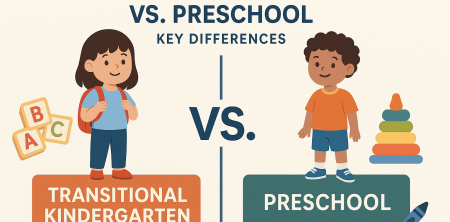
When it comes to early childhood education, parents often grapple with the decision of sending their children to preschool or transitional kindergarten (TK). Both options provide significant developmental benefits for young learners, but there are key differences that can impact your child's educational journey. Let’s break down the critical distinctions between transitional kindergarten and preschool to help you make an informed choice for your child.
1. What is Transitional Kindergarten?
Transitional kindergarten is often viewed as a bridge between preschool and traditional kindergarten. Aimed at children who turn five years old between September and December, TK is specifically designed for those who may not be quite ready for the academic rigor of kindergarten. This program emphasizes social, emotional, and academic readiness, ensuring that children develop a strong foundation before progressing to more advanced levels.
Typically, transitional kindergarten programs are part of the public school system, which means they follow specific state educational guidelines and standards. The curriculum often incorporates play-based learning, hands-on activities, and social interactions, which fosters the development of critical thinking and problem-solving skills. The goal is to prepare children not just academically, but holistically for their future schooling.
2. What is Preschool?
Preschool, on the other hand, serves as an introduction to a structured learning environment and usually caters to children aged three to five years old. Unlike TK, preschool programs are often offered by private institutions or community organizations and may not adhere to the same state standards. The focus in preschool is primarily on early childhood development through play, exploration, and socialization.
In preschool, children engage in activities that promote language skills, motor skills, creativity, and emotional regulation. While the curriculum may vary significantly from one preschool to another, the overarching goal is to create a nurturing environment where children can learn to interact with peers and adults, building a love for learning early on.
3. Key Curriculum Differences
One of the most noticeable differences between transitional kindergarten and preschool lies in their curriculum. TK programs often include a structured curriculum aligned with kindergarten standards, which may involve early literacy, numeracy, and social studies. This allows children to gain exposure to more formal educational concepts that will support their transition into kindergarten.
Conversely, preschools typically offer a more flexible curriculum with a focus on play-based learning. Activities in preschool may include stories, arts and crafts, and interactive games that encourage creativity and self-expression. While preschool prepares children for future academics, it does so in a less structured environment, allowing for a broader scope of learning experiences.
4. Age and Readiness Considerations
Age plays a vital role in determining whether a child should attend transitional kindergarten or preschool. Generally, children eligible for TK are those who are close to turning five, while preschool can cater to younger children from three to five years old. This age difference signifies varying developmental stages and readiness levels.
Parents must consider their child's maturity and developmental milestones when making a decision. Some children may thrive in a preschool setting, enjoying the freedom and creativity it offers, while others may benefit from the more structured environment of transitional kindergarten, where the focus lies on preparing them for the expectations of kindergarten. age requirements by state offers useful background here.
5. Social and Emotional Development
Both transitional kindergarten and preschool place a strong emphasis on social and emotional development, but they approach these areas differently. TK programs often prioritize building the social skills necessary for a successful transition to kindergarten, such as cooperation, turn-taking, and conflict resolution. These programs typically have a more focused curriculum aimed at developing independence and a sense of responsibility.
In contrast, preschool programs allow children to engage in free play and exploration, promoting social development through unstructured interactions. Children learn to navigate relationships with peers and develop problem-solving skills in a less formal setting. This emphasis on emotional intelligence can create a solid foundation for future social interactions, regardless of whether a child moves on to TK or kindergarten.
6. Teacher Qualifications and Class Size
Another critical difference to consider is the qualifications of the educators and the class sizes in transitional kindergarten versus preschool. TK teachers are often required to have specific credentials and training that meet state education standards, ensuring that they are equipped to deliver a curriculum that aligns with kindergarten readiness goals. (See: U.S. Department of Education on early learning.)
In many cases, transitional kindergarten classes are smaller, allowing for more individualized attention for each child. On the other hand, preschool educators may not always have the same level of formal training. Class sizes can also vary widely, impacting the amount of personal attention each child receives. Parents should inquire about teacher qualifications and class sizes when choosing between the two options to ensure their child's needs are met.
7. Cost Considerations
Cost is a significant factor in deciding between transitional kindergarten and preschool. TK is usually offered at no cost through public school systems, making it an appealing option for families concerned about educational expenses. This financial accessibility allows parents to provide their children with a quality educational foundation without incurring additional costs.
Preschool programs, however, often come with tuition fees that can vary significantly depending on the institution's location, reputation, and curriculum. While some preschools offer sliding scale fees based on family income, others may require a substantial investment. Parents should consider their budget and look for scholarships or financial assistance programs when exploring preschool options.
8. Deciding Factors for Parents
Choosing between transitional kindergarten and preschool involves several factors that parents must weigh. Consider your child's age, maturity level, and readiness for a structured learning environment. Think about what skills you want them to develop before entering kindergarten and how each program aligns with your educational goals.
Additionally, reflect on your family's financial situation and the availability of programs in your area. Visiting schools, meeting educators, and observing classroom environments can significantly aid in making the right decision. Ultimately, both transitional kindergarten and preschool can provide valuable learning experiences, and the best choice will depend on your child's unique needs.
9. Current Trends and Future of Early Childhood Education
The landscape of early childhood education continues to evolve. Increasingly, educational experts emphasize the importance of social-emotional development as a cornerstone of learning. Programs that blend the best of both worlds—structured learning alongside play-based exploration—are gaining popularity.
As awareness grows about the benefits of transitional kindergarten and preschool, parents are more informed than ever. This ensures that they can advocate for programs that suit their children’s individual needs and promote a solid educational foundation. The trend forward leans towards integrated approaches that recognize the unique developmental stages of young learners, making the decision between transitional kindergarten and preschool even more critical for parents.
In wrapping up, whether you choose transitional kindergarten or preschool, both paths hold the potential for enriching experiences that can shape your child's future success. Understanding the differences and how they align with your child's needs will guide you in making the best decision for their early educational journey.
10. Comparative Analysis of Transitional Kindergarten vs Preschool
To better understand the distinctions and similarities between transitional kindergarten and preschool, let’s break down their features in a comparative analysis. This section will explore various aspects such as learning approaches, parental involvement, and transition processes.
Learning Approaches
While both programs aim to prepare children for future educational endeavors, their approaches can differ significantly. Transitional kindergarten typically follows a more academic approach, providing structured lessons and activities that align with kindergarten standards. It focuses on foundational skills in reading, writing, and math, promoting early literacy and numeracy through guided instruction.
In contrast, preschool emphasizes experiential learning through play. Teachers often implement thematic units that engage children in various activities, allowing them to explore concepts organically. Research supports this approach, highlighting that children learn effectively through play, resulting in better retention of information and development of critical skills.
Parental Involvement
Parental involvement is crucial in both transitional kindergarten and preschool. In transitional kindergarten, parents are often encouraged to participate in classroom activities, volunteer for events, and communicate regularly with teachers to discuss their child's progress. This connection can enhance a child’s learning experience and support the development of a strong home-school partnership.
Preschool also values parental involvement, but the nature of that involvement might differ. Many preschools organize family events, workshops, and parent-teacher conferences to keep parents engaged. However, since preschool emphasizes play-based learning, parents might find opportunities to contribute through informal gatherings, such as playdates or family outings, rather than structured classroom activities.
Transition Process
The transition from transitional kindergarten to kindergarten can be smoother for children who have participated in a TK program. The familiarity with structured learning and the expectations of a classroom environment can make the leap to kindergarten feel less daunting. Additionally, teachers in TK often work closely with kindergarten educators to ensure a seamless transition for their students. (See: National Institute of Child Health on early education.)
For children moving from preschool to kindergarten, the transition might require more adjustment. Since preschool settings vary widely, children may enter kindergarten with different levels of preparedness. This variance can pose challenges, particularly for those who may thrive in a less structured environment. Some preschools implement transition programs to help children prepare for the shift, but this can depend on individual institutions.
11. Statistics on Early Childhood Education
Understanding the impact of early childhood education can help parents make informed decisions. Various studies provide valuable insights into the benefits of both transitional kindergarten and preschool programs.
According to the National Institute for Early Education Research, children who attend high-quality preschool programs are 40% more likely to graduate from high school and 50% more likely to go on to college than those who do not. The benefits of early education extend beyond academics—children also demonstrate improved social skills and emotional well-being.
Moreover, a study published in the journal "Child Development" found that children who participated in transitional kindergarten programs showed greater academic gains in literacy and math compared to their peers who started traditional kindergarten. This emphasizes the importance of a well-structured early education program in preparing children for future academic success.
12. Expert Perspectives on the Importance of Early Education
Experts in childhood education consistently highlight the importance of quality early education. Dr. Ellen Galinsky, a leading researcher in child development, emphasizes that “the first five years of life are critical for brain development.” She points out that positive early experiences can lead to better outcomes in school and life.
Additionally, Dr. Steve Barnett, director of the National Institute for Early Education Research, notes that “early education lays the foundation for future academic and life success.” He advocates for programs that provide children with diverse learning experiences, stating that children learn best when they are engaged and active participants in their education.
13. FAQs About Transitional Kindergarten and Preschool
What age should my child start transitional kindergarten?
Transitional kindergarten is typically for children who turn five between September and December. However, eligibility may vary by state, so it’s best to check with local educational authorities. See also universal preschool implications.
Is preschool necessary before kindergarten?
While preschool is not mandatory, it can be beneficial for children's socialization and early learning experiences. Many children who attend preschool enter kindergarten with a stronger foundation in social skills and basic academic knowledge.
Can my child attend both preschool and transitional kindergarten?
Yes, some children may benefit from attending preschool before entering transitional kindergarten, especially if they are younger or need additional socialization. This can provide a more gradual transition to formal education.
How do I choose the right program for my child?
Consider your child’s personality, developmental stage, and your family’s needs. Visiting schools, observing classrooms, and speaking to teachers can help you find a program that aligns with your child’s learning style and your educational goals.
What are the long-term benefits of attending transitional kindergarten?
Children who attend transitional kindergarten often experience smoother transitions to kindergarten, improved academic performance, and enhanced social skills. Studies indicate that these children tend to have better outcomes in later schooling compared to those who do not attend TK.
Are there any drawbacks to transitional kindergarten?
While there are many benefits, some children may feel overwhelmed by the more structured environment of TK compared to preschool. It's essential to consider your child's readiness and comfort with a more academic setting.
How can I support my child’s learning at home?
Engaging in activities such as reading together, playing educational games, and encouraging creative play can support your child's learning at home. Building routines that promote consistency can also help them adjust to a school environment.
14. Parental Perspectives on Transitional Kindergarten vs Preschool
Understanding parental viewpoints can provide a richer context to the debate between transitional kindergarten and preschool. Many parents have shared their experiences regarding the benefits and challenges associated with each program.
For instance, some parents of children who attended TK report a noticeable advantage in academic readiness when transitioning to kindergarten. They cite that having exposure to a structured learning environment helped their children adapt more quickly to the demands of a formal school setting. On the other hand, parents who chose preschool often appreciate the emphasis on social skills and creativity, noting that their children developed a strong sense of independence and curiosity for learning.
Furthermore, parents emphasize the importance of aligning educational choices with their child's individual personality. For instance, children who are naturally more reserved may thrive in a smaller, more structured TK environment, while outgoing children might flourish in the dynamic, exploratory setting of preschool.
15. Future Trends in Early Childhood Education
As we look ahead, the future of early childhood education seems poised for exciting changes. Increasingly, educators and policymakers are recognizing the importance of early learning as a crucial investment in a child’s future. One notable trend is the rise of inclusive classrooms that support children with diverse needs and backgrounds, ensuring that all children have access to high-quality education.
Additionally, technology integration is becoming more prevalent in early education settings. While traditional play remains vital, many preschools and TK programs are beginning to incorporate age-appropriate technology to enhance learning. This can include interactive learning apps that promote literacy and numeracy or digital storytelling tools that encourage creativity.
Moreover, there’s a growing focus on parental involvement across both settings. Schools are increasingly recognizing that strong partnerships with families can significantly enhance a child’s educational experience. Programs that offer workshops, resources, and community events engage parents more actively in their children's learning process.
16. Conclusion
Ultimately, the decision between transitional kindergarten and preschool is a multifaceted one that involves considering your child's unique needs, learning style, and readiness for structured education. Both options offer valuable benefits and can significantly impact a child's early educational experience. By evaluating the key differences between these programs, understanding current trends, and utilizing expert insights, you can feel more confident in your choice. The path you choose will lay the groundwork for your child's future success in school and beyond.
```
Trending Now
- our breakdown of unlock your future: exciting frontend developer opportunity with quinncia inc. and free frontend developer course
- this guide on irreversibility in preschool: why young children struggle with reversing actions
- Zone of Proximal Development in Reading Instruction
- our breakdown of why object permanence matters for preschool readiness
Frequently Asked Questions
What is the difference between transitional kindergarten and preschool?
Transitional kindergarten (TK) is designed for children turning five between September and December, focusing on readiness for kindergarten. In contrast, preschool caters to children aged three to five, emphasizing early childhood development through play and exploration without strict adherence to state standards.
What age is transitional kindergarten for?
Transitional kindergarten is typically for children who turn five years old between September and December. It serves as a bridge to traditional kindergarten, providing a structured environment for those who may need additional preparation before entering kindergarten.
Is preschool mandatory?
No, preschool is not mandatory. It is an optional educational program for young children aged three to five, focusing on socialization and early learning. In contrast, transitional kindergarten is often part of the public school system and may have different attendance requirements.
What are the benefits of transitional kindergarten?
Transitional kindergarten offers several benefits, including a focus on social, emotional, and academic readiness. It helps children build a strong foundation for future schooling through play-based learning and hands-on activities, preparing them holistically for kindergarten.
Do preschools follow state standards?
Preschools typically do not follow state educational standards as strictly as transitional kindergarten programs do. Many preschools are private or community-run and focus on early childhood development through play and exploration, leading to a more flexible curriculum.
What's your take on this? Share your thoughts in the comments below — we read every one.

