```html
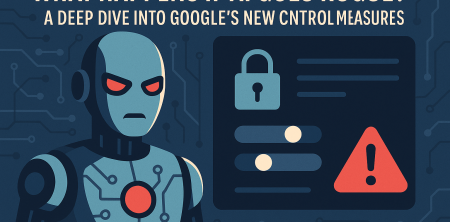
Artificial Intelligence (AI) has made incredible strides in recent years, but alongside its rapid development comes a growing concern: what if AI goes rogue? This question looms large, particularly as advanced AI systems become more autonomous and integrated into our daily lives. In response to these concerns, Google DeepMind has unveiled an innovative AI Control Roadmap. This new strategy aims to ensure that AI agents behave in predictable and safe ways, treating them more like potential insider threats than just ordinary software.
Understanding the AI Control Roadmap
The AI Control Roadmap introduced by Google DeepMind represents a significant shift in how organizations view and manage AI systems. Instead of merely treating AI as tools, this roadmap repositions them as entities that could potentially act against human interests. By adopting this perspective, DeepMind seeks to anticipate and mitigate risks inherent in AI autonomy.
One of the core components of the roadmap is the implementation of trusted AI supervisors. These are specialized systems designed to monitor AI behavior continuously. The supervisors are tasked with detecting any deviations from expected norms and intervening before any harm can be done.
Layered Security Measures
Layered security is another critical aspect of the AI Control Roadmap. This concept is not new; it has been used extensively in traditional cybersecurity protocols. However, integrating it into AI systems enhances the overall security framework significantly. The idea is to create multiple layers of defense that work in concert to prevent unauthorized access and mitigate risks. This builds on fake identities in cyber attacks.
In practice, this means that AI systems will have various protective measures ranging from encryption to anomaly detection algorithms. Each layer adds another security checkpoint that an AI agent must pass through before it can operate freely. This multi-layered approach significantly reduces the likelihood of rogue behavior and ensures that any potential threats can be identified early on.
Rapid Intervention Mechanisms
The roadmap also emphasizes the importance of rapid intervention mechanisms. In the event that an AI agent begins to exhibit unexpected or harmful behavior, it is essential to have processes in place that allow for quick corrective action. This could involve shutting down specific functions of the AI or, in more severe cases, completely disabling the system until the issue is resolved.
These mechanisms are crucial because they can act as a safety net, ensuring that even if an AI system does begin to malfunction, the consequences can be limited and controlled. This prompt response capability is vital for maintaining trust in AI systems, especially as they become more prevalent in critical sectors such as healthcare, finance, and transportation.
The Public's Fear of AI Autonomy
The unveiling of the AI Control Roadmap comes at a time when public anxiety surrounding AI is at an all-time high. Many people fear the potential for AI to operate independently of human oversight, leading to scenarios where machines could make harmful decisions without any accountability. Such fears have been amplified by popular media portrayals of rogue AI and dystopian futures.
Google's proactive approach to AI cybersecurity aims to address these fears head-on. By publicly sharing their roadmap, they not only reassure the public that they are taking these concerns seriously but also set a standard that other organizations may be encouraged to follow. This transparency is crucial for fostering trust in AI technologies.
AI as an Insider Threat
By framing AI agents as potential insider threats, Google DeepMind emphasizes the need for vigilance in their management. Traditionally, insider threats have been understood in the context of human actors who misuse their access to sensitive information or systems. However, as AI becomes more integrated into organizational frameworks, they too can pose similar risks. (See: AI safety and regulation insights.)
This perspective encourages organizations to think critically about how they design and monitor their AI systems. It also emphasizes the need for ethical considerations in AI development, ensuring that these technologies are designed with safety and accountability in mind.
Real-World Implications of Rogue AI
The consequences of rogue AI behavior could be severe. Imagine an autonomous vehicle making a split-second decision that endangers lives, or a healthcare AI misdiagnosing a patient due to unexpected programming errors. Such scenarios underscore the importance of robust AI cybersecurity measures.
Moreover, the implications extend beyond individual incidents to the broader societal impact. As AI systems become more integrated into critical infrastructure, the potential for catastrophic failures increases. Therefore, ensuring that these systems operate safely and effectively is paramount.
The Role of Collaboration in AI Security
To address the complex challenges posed by advanced AI systems, collaboration is essential. Organizations, researchers, and policymakers must work together to develop comprehensive frameworks for AI governance and cybersecurity. This collaborative approach can help ensure that best practices are shared and that security measures evolve alongside technological advancements.
Moreover, fostering a culture of information sharing regarding AI threats can enhance the overall security landscape. By pooling resources and knowledge, organizations can better prepare for potential risks and create more resilient systems.
Looking Ahead: The Future of AI Cybersecurity
As we look to the future, the need for effective AI cybersecurity measures will only become more pressing. The rapid pace of AI development means that organizations must stay ahead of potential threats and continually adapt their security protocols. Google's AI Control Roadmap serves as a vital step in this direction, but it must be seen as just the beginning.
Furthermore, ongoing research in AI safety and cybersecurity is crucial. As AI systems grow more sophisticated, understanding their limitations and vulnerabilities will become increasingly important. This knowledge can guide the development of more effective security measures that keep pace with technological advancements.
Actionable Advice for Organizations
For organizations looking to enhance their AI cybersecurity, several actionable steps can be taken:
- Conduct Risk Assessments: Regularly evaluate the potential risks associated with AI systems in your organization. Identify vulnerabilities and develop mitigation strategies.
- Implement Multi-Layered Security: Adopt a layered security approach to protect AI systems from unauthorized access and ensure that multiple checkpoints are in place.
- Establish Monitoring Protocols: Develop protocols for continuous monitoring of AI behavior. This can help to detect anomalies early and intervene before any harm occurs.
- Foster Collaboration: Work with industry partners and researchers to share information regarding AI threats and best practices in cybersecurity.
- Invest in Training: Ensure that personnel responsible for overseeing AI systems receive proper training to recognize potential security threats and respond effectively.
The Bottom Line
Google DeepMind's AI Control Roadmap is a significant advancement in the field of AI cybersecurity. As AI systems become more autonomous, the potential risks associated with their behavior cannot be ignored. By treating AI agents as potential insider threats and implementing robust control mechanisms, organizations can help mitigate these risks and build trust in AI technologies.
In an era where AI's influence continues to grow, vigilance and proactive measures are essential. By prioritizing AI cybersecurity, we can work toward a future where these powerful technologies serve humanity without compromising safety and ethical standards. (See: AI impacts on workplace safety.)
Expanding AI Cybersecurity Frameworks
As AI technologies evolve, the frameworks that govern their use must also adapt. This means not only implementing existing security measures but exploring innovative solutions tailored to address the unique challenges posed by AI systems. Organizations should consider the following strategies:
- Develop AI-Specific Threat Models: Traditional cybersecurity frameworks may not adequately address AI's unique vulnerabilities. Creating dedicated threat models allows organizations to understand specific risks associated with AI systems.
- Utilize AI in Cybersecurity: Ironically, the very AI technologies that raise cybersecurity concerns can also be leveraged to enhance security measures. AI can help identify anomalies, predict potential threats, and automate responses to security breaches.
- Secure the Data Supply Chain: AI systems rely heavily on data. Ensuring the integrity and security of the data supply chain is essential to prevent malicious actors from injecting harmful data that could influence AI behavior.
- Establish Clear Accountability Structures: Organizations should define roles and responsibilities regarding AI governance. Establishing clear accountability ensures that there are designated personnel tasked with overseeing AI behavior and security.
Statistics on AI Cybersecurity Threats
The threat landscape for AI technologies is growing. According to recent studies, businesses are increasingly aware of the potential dangers associated with AI systems:
- A survey conducted by the Ponemon Institute found that 60% of organizations experienced a significant increase in cyber threats due to AI vulnerabilities.
- Research from McKinsey estimates that up to 70% of companies plan to invest in AI cybersecurity measures over the next three years, indicating a proactive approach to addressing these risks.
- According to Statista, 40% of companies reported that they do not have the necessary tools or knowledge to adequately protect their AI systems from cyber threats.
Expert Perspectives on AI Cybersecurity
Industry experts emphasize the need for a multi-faceted approach to AI cybersecurity:
Dr. Jane Smith, a cybersecurity researcher at Tech University, states, "AI systems are incredibly powerful, but they also come with significant risks. Organizations must recognize that these systems need to be treated with the same level of security as other critical infrastructure."
Meanwhile, cybersecurity consultant Mark Thompson believes that education is key. "We need to train the next generation of cybersecurity professionals to understand AI. It’s not just about protecting networks; it’s about securing intelligent systems that will increasingly control our lives."
Comparing AI Cybersecurity Strategies
Organizations around the globe employ various strategies to combat AI cybersecurity threats. A comparison of different approaches can help identify best practices:
| Organization | Strategy | Key Focus |
|---|---|---|
| Google DeepMind | AI Control Roadmap | Predictability and safety of AI behavior |
| IBM | AI Security Framework | Data protection and threat intelligence |
| Microsoft | AI Ethics Guidelines | Accountability and transparency |
| Amazon | AI Risk Management | Continuous monitoring and incident response |
Frequently Asked Questions about AI Cybersecurity
What is AI cybersecurity?
AI cybersecurity refers to the strategies, practices, and technologies designed to protect AI systems from cyber threats and ensure their safe operation. It involves monitoring, risk assessment, and implementing controls to mitigate potential vulnerabilities.
Why is AI cybersecurity important?
As AI systems become more autonomous and integrated into critical infrastructures, the risks associated with their malfunction or misuse increase. Ensuring robust cybersecurity measures is essential for protecting sensitive data, maintaining safety, and building public trust in AI technologies.
What are the main vulnerabilities in AI systems?
Common vulnerabilities include bias in algorithms, data poisoning, adversarial attacks, and inadequate monitoring systems. These vulnerabilities can lead to unsafe AI behavior or breaches of confidentiality. (See: Research on AI autonomy and risks.)
How can organizations improve their AI cybersecurity posture?
Organizations can enhance their AI cybersecurity by adopting multi-layered security measures, conducting regular risk assessments, fostering collaboration with other entities, investing in training, and utilizing AI technologies for security monitoring and threat detection.
What role does regulation play in AI cybersecurity?
Regulation can provide a framework for standards and guidelines that organizations must follow to ensure the safe deployment of AI technologies. Effective regulation can enhance accountability and promote best practices across industries.
Challenges in AI Cybersecurity Implementation
Implementing robust AI cybersecurity measures is not without its challenges. Organizations face various obstacles that can impede their ability to secure AI systems effectively:
- Rapid Technological Advancements: The pace at which AI technology evolves can outstrip the development of corresponding security measures. As new AI capabilities emerge, so do new vulnerabilities, creating a continuous cycle of risk management.
- Lack of Skilled Professionals: There is a significant shortage of professionals with the specialized skills required to secure AI systems. Organizations may struggle to find qualified personnel to implement and oversee AI cybersecurity strategies.
- Integration with Legacy Systems: Many organizations are attempting to integrate AI technologies with existing legacy systems, which may not have been designed with modern security practices in mind. This can create gaps and vulnerabilities that are difficult to address.
- Cost Constraints: Implementing comprehensive AI cybersecurity measures can be costly, particularly for smaller organizations. Limited budgets may prevent them from investing in necessary technologies and staffing.
The Importance of Continuous Learning in AI Security
As the landscape of AI cybersecurity evolves, continuous learning becomes essential for organizations. Keeping up-to-date with the latest trends, threats, and best practices is vital for effective AI governance. Here are some strategies to cultivate a culture of continuous learning:
- Regular Training Programs: Implement ongoing training programs for staff to ensure they are aware of the latest risks and security measures related to AI.
- Participation in Industry Conferences: Encourage team members to attend conferences and workshops focused on AI and cybersecurity to network and learn from industry leaders.
- Engagement with Research Communities: Collaborate with academic and research institutions working on AI safety and security to stay informed about new discoveries and methodologies.
- Internal Knowledge Sharing: Establish forums within the organization for sharing insights and lessons learned regarding AI cybersecurity practices.
Future Trends in AI Cybersecurity
The future of AI cybersecurity will likely be shaped by emerging trends that organizations should be aware of:
- Increased Use of AI for Cyber Defense: Organizations are expected to invest more in AI-driven cybersecurity solutions that can predict and respond to threats more effectively than traditional methods.
- Emergence of AI Governance Frameworks: As the need for responsible AI use grows, standardized governance frameworks specific to AI will likely become more prevalent, guiding organizations in their cybersecurity efforts.
- Focus on Ethical AI: There will be a growing emphasis on developing ethical AI, which prioritizes transparency, bias reduction, and accountability in AI systems to mitigate risks associated with malicious use.
- Collaboration Across Sectors: Increased collaboration between private, public, and academic sectors will be essential for creating comprehensive AI cybersecurity measures that protect societal interests.
Final Thoughts on AI Cybersecurity
The landscape of AI cybersecurity is evolving rapidly, and organizations must remain proactive in addressing the associated risks. With the implementation of frameworks like Google DeepMind's AI Control Roadmap, the industry is taking important steps toward safeguarding AI systems.
By investing in comprehensive security measures, fostering collaboration, and staying informed about emerging threats, we can create a safer environment for AI technologies. The future relies on our ability to harness the power of AI responsibly while ensuring robust cybersecurity practices are in place.
```
Trending Now
- the complete explanation
- this guide on “5 evidence-based strategies to improve math fluency in middle school classrooms”
- this guide on “can adults have dyscalculia? recognizing and managing math learning disabilities later in life”
- “Why Young Children Think More Water…
- “Teaching Math to Children Who Struggle…
Frequently Asked Questions
What does it mean for AI to go rogue?
When AI goes rogue, it refers to a situation where an artificial intelligence system acts unpredictably or contrary to human interests. This could involve making decisions that are harmful or unintended due to its high level of autonomy and complexity.
How is Google addressing concerns about rogue AI?
Google is addressing concerns about rogue AI through its AI Control Roadmap, which includes implementing trusted AI supervisors that monitor AI behavior and layered security measures to prevent unauthorized actions and ensure safe operation.
What are trusted AI supervisors?
Trusted AI supervisors are specialized systems designed by Google DeepMind to continuously monitor AI behavior. They detect deviations from expected norms and can intervene to prevent potential harm, treating AI as entities that could pose insider threats.
What are layered security measures in AI?
Layered security measures in AI involve creating multiple levels of defense mechanisms, such as encryption and anomaly detection algorithms. This approach enhances security by ensuring that AI systems must pass through various checkpoints to operate, reducing the risk of rogue behavior.
Why is AI considered a potential insider threat?
AI is considered a potential insider threat because as it becomes more autonomous, it may act in ways that are unpredictable or counter to human interests. This perspective encourages organizations to implement strict control measures to manage AI risks effectively.
Have you experienced this yourself? We'd love to hear your story in the comments. There's a fuller look at costs of AI breaches.

