```html
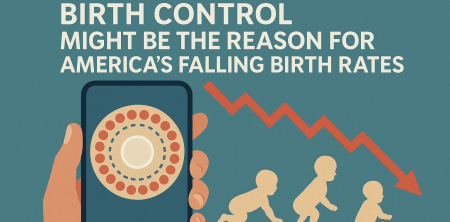
In an age where technology permeates almost every aspect of our lives, its influence over personal relationships and societal trends can be profound. Recent research has sparked discussions around a surprising social phenomenon: the dropping birth rates in America, which many experts believe may be connected to the rise of smartphone use. This isn’t about the new apps that help track menstrual cycles or contraceptive devices that sync to your phone; rather, it’s about how smartphones may be subtly reshaping the way we connect with each other, leading to fewer relationships and ultimately fewer families. Welcome to the era of smartphone birth control.
The Surprising Link Between Smartphones and Birth Rates
As of mid-2026, America is witnessing a significant decline in birth rates, with the U.S. fertility rate dropping to 1.64 births per woman, according to the National Center for Health Statistics. While many factors contribute to this downturn, including economic instability and shifting attitudes towards parenthood, the role of smartphones in altering interpersonal dynamics is gaining attention. CNN's recent report highlights that smartphones might replace face-to-face interactions, resulting in fewer romantic relationships and ultimately fewer children.
This notion raises a critical question: Are smartphones functioning as a form of birth control by influencing the way we form relationships? The answer appears to be a resounding yes. Research shows that heavy smartphone use correlates with decreased levels of social interaction and intimacy, suggesting that when we turn to our screens, we may be missing out on essential human connections that lead to family formation.
Understanding the Dynamics of Modern Dating
Modern dating has transformed dramatically with the advent of smartphones and dating apps. Gone are the days when a chance encounter at a coffee shop could spark a romance. Now, many people turn to their phones first, swiping left or right in a digital landscape that can feel both empowering and isolating. This shift has created a paradox: while there are more opportunities to meet potential partners than ever before, genuine human connection often falls by the wayside.
One study published in the journal Computers in Human Behavior found that individuals who heavily rely on dating apps tend to report feeling lonelier and less satisfied in their relationships. The ease of finding partners through screens can lead to superficial connections, reducing the likelihood of forming lasting bonds that result in marriage and children. In this sense, smartphones are not just tools for communication; they may inadvertently be serving as a barrier to deeper intimacy.
The Emotional Impact of Digital Communication
It's essential to recognize the emotional implications of digital communication. Conversations that once occurred face-to-face are now often relegated to text messages or video calls. While technology offers convenience, it lacks the nuance of in-person interactions—body language, tone, and genuine connection can all be lost in translation when communicating through a screen.
Moreover, research has indicated that digital communication can encourage a culture of immediacy over depth. People may find themselves less willing to invest time and effort into a relationship when they know they can easily swipe for another match. This tendency contributes to a throwaway culture in dating, where relationships can be seen as disposable rather than meaningful. The emotional distances created by smartphones might just be one of the most significant deniers of family formation.
Family Formation in the Age of Social Media
Social media platforms have revolutionized how people interact, but they have also altered the dynamics of how families are formed. Relationships today are often influenced by online personas and curated profiles, leading to unrealistic expectations and social comparisons. The pressure to present a perfect life online can deter individuals from pursuing relationships that may not fit the mold of what they see on their feeds.
Further complicating matters is the impact of social media on mental health. Studies have shown a correlation between heavy social media use and issues like anxiety and depression, particularly among younger users. The fear of rejection or judgment can make individuals hesitant to pursue romantic relationships, ultimately contributing to the declining birth rates. When the prospect of starting a family feels daunting or unattainable, it’s no surprise that many choose to delay or forego having children altogether. (See: U.S. fertility rate statistics.)
Changing Attitudes Toward Parenthood
Besides social and technological influences, changing attitudes toward parenthood play an equally critical role in declining birth rates. Many young people today prioritize personal goals—such as career advancement, travel, and self-discovery—over traditional life milestones, like marriage and raising children. This shift reflects a broad cultural evolution towards individualism and self-fulfillment, which is often celebrated in media and popular culture.
Additionally, financial considerations weigh heavily on the decision to start a family. Rising costs of living, student debt, and economic uncertainty create a landscape of apprehension. The idea of bringing a child into such a climate can seem overwhelmingly daunting. Thus, while smartphones may play a role in distancing potential partners, societal attitudes are also nudging individuals away from family formation.
The Role of Technology in Reproductive Health
It's important to mention that technology does have its positive aspects when it comes to reproductive health. With the rise of health-focused applications, individuals can now track their fertility cycles, access information about contraception, and even engage with telehealth services for reproductive health advice. This is a different kind of smartphone birth control that empowers individuals to take charge of their reproductive choices.
However, this empowerment can also lead to paradoxical outcomes. For many, the multitude of options available can induce decision fatigue, leaving individuals feeling overwhelmed when it comes to reproductive choices. This can perpetuate the cycle of indecision regarding family planning, further contributing to declining birth rates.
The Future of Relationships: Adapting to a Digital World
As we look to the future, understanding and addressing the impact of smartphones on relationships will be essential. If technology is contributing to falling birth rates, we must consider how to foster real-world connections in a digital age. This could mean advocating for balance—encouraging individuals to prioritize face-to-face interactions while still utilizing technology as a tool for connection.
One potential solution could be promoting social initiatives that encourage community-building activities—events where individuals can meet and engage in meaningful conversations without the barriers of smartphone distractions. These could include workshops, mixers, or even recreational sports leagues that emphasize teamwork and collaboration. Such initiatives could help bridge the gap between virtual interactions and real-life connections.
How to Foster Meaningful Connections
To counteract the effects of smartphone birth control, individuals can take proactive steps to build meaningful relationships. Here are some actionable tips:
- Limit Screen Time: Designate specific times to unplug from your smartphone and engage with others in person.
- Prioritize Quality Over Quantity: Focus on forming deeper connections with a few individuals rather than spreading yourself thin over numerous superficial interactions.
- Be Authentic: Share your true self with others rather than curating a perfect online persona. Authenticity fosters genuine connections.
- Engage in Community Activities: Participate in local events or organizations that resonate with you, creating opportunities for organic social interactions.
FAQs About Smartphone Birth Control
What is smartphone birth control?
Smartphone birth control refers to the influence that smartphone usage has on personal relationships and family planning. This includes how dating apps and social media may contribute to decreased social interactions, leading to lower birth rates.
How do dating apps affect relationship satisfaction?
Research suggests that excessive reliance on dating apps can lead to lower relationship satisfaction. The quick, often superficial nature of online interactions may prevent the formation of deep, meaningful connections, which are important for long-term relationships. (See: New York Times on birth rate decline.)
Can technology be beneficial for reproductive health?
Yes, technology can empower individuals regarding reproductive health. Apps that track fertility cycles, provide contraceptive information, and offer telehealth services enable better knowledge and control over one's reproductive choices.
Why are birth rates declining in the U.S.?
The decline in U.S. birth rates can be attributed to several factors, including economic instability, changing societal values, mental health challenges, and the impact of technology on interpersonal dynamics.
What role does social media play in modern relationships?
Social media can create unrealistic expectations in relationships and amplify social comparisons. It may also contribute to mental health issues, which can deter individuals from pursuing romantic relationships and family formation.
How can individuals combat the effects of smartphone birth control?
Combatting smartphone birth control involves prioritizing face-to-face interactions, limiting screen time, and engaging in community activities to foster genuine connections. Authenticity and quality engagement are crucial.
Expert Perspectives on Technology and Relationships
Experts in psychology and relationship studies have weighed in on the topic of smartphone birth control. Dr. Julie Albright, a sociologist and author, emphasizes that while technology can facilitate connections, it can also create barriers. "The ease of connecting with someone online can lead individuals to undervalue in-person interactions," she explains. "This can affect not only romantic relationships but friendships and family bonds as well."
Similarly, Dr. John Gottman, a renowned relationship researcher, notes that the quality of communication is more crucial than the quantity. "When conversations are replaced by texts, the depth of understanding can suffer. It’s important to prioritize face-to-face interactions for building strong, lasting relationships," he advises.
Statistics on Smartphone Usage and Relationship Dynamics
Several statistics shed light on the relationship between smartphone usage and emotional well-being:
- According to a 2022 survey by Pew Research, 30% of adults reported feeling lonely often or sometimes, with smartphone usage being a significant factor.
- A study published in the journal Social Media + Society found that individuals who spend more than 3 hours a day on social media are 50% more likely to experience feelings of isolation compared to those who use it less.
- The National Institute of Health reported that over 70% of young adults prefer texting to face-to-face communication, highlighting the shift in how relationships are formed and maintained.
The Impact of Remote Work on Family Dynamics
The rise of remote work, accelerated by the COVID-19 pandemic, has also shifted family dynamics. While working from home can allow for more family time, it can also lead to blurred boundaries between work and personal life. The constant connectivity provided by smartphones means that work can intrude on quality family time, causing stress and tension. (See: AP News on smartphone impact.)
Research from the American Psychological Association shows that 60% of remote workers feel more stressed than before, largely due to the inability to "switch off" from work. This stress can further complicate relationships and family planning, as individuals may prioritize career stability over starting a family.
Future Trends: The Evolution of Relationships
Looking ahead, it's critical to consider how relationships might evolve in response to ongoing technological changes. Experts predict that as virtual reality (VR) and augmented reality (AR) technologies become more advanced, they may provide new avenues for individuals to connect. For instance, imagine a world where you can go on a virtual date in a stunning simulated environment, allowing for a unique experience that may even mimic real-life interactions closer than current video calls.
However, the introduction of these technologies poses its own challenges. Will virtual interactions replace the need for physical presence? Will they further exacerbate feelings of isolation, or can they actually enhance connections for those who struggle with traditional dating environments? The answers to these questions will shape the future of relationships and potentially the way we approach family planning.
Bridging the Gap: Strategies for Balance
As we adapt to the digital age, finding balance is vital. Here are some strategies to bridge the gap between technology use and authentic relationships:
- Set Boundaries: Establish limits on how much time you spend on dating apps or social media each week. Create rules for engaging with technology in social settings (e.g., no phones during dinner).
- Embrace Tech-Free Days: Consider implementing one day a week where you refrain from using social media and focus on in-person connections instead. This could enhance your relationships and help reduce stress.
- Utilize Technology for Planning: Use apps to coordinate real-life meetups with friends and partners instead of just chatting online. Planning fun activities can help facilitate deeper connections.
- Mindfulness Practices: Integrate mindfulness techniques into your daily routine to help cultivate awareness of your emotional state and relationship dynamics. This can lead to more intentional interactions.
Conclusion: Rethinking the Role of Technology in Our Lives
As we continue navigating the complexities of modern life, it’s crucial to critically assess the role technology plays in our relationships and family formation. While smartphones offer unprecedented convenience and connection, they also introduce challenges that can affect our emotional well-being and societal structures. The implications of smartphone birth control are profound, and recognizing these dynamics paves the way for healthier, more meaningful relationships.
In the quest for connection, we must remember that while technology is a tool, it shouldn't overshadow the fundamental human need for intimacy and community. By fostering awareness and prioritizing genuine interactions, we hold the power to reshape our future—one conversation at a time.
``` This builds on impact of attachment styles.
Trending Now
Frequently Asked Questions
How are smartphones affecting birth rates in America?
Smartphones may be contributing to America's declining birth rates by replacing face-to-face interactions with virtual communication. This shift can lead to fewer romantic relationships and ultimately fewer families, as individuals engage more with their screens than with potential partners.
What is smartphone birth control?
Smartphone birth control refers to the idea that heavy smartphone use can inadvertently act as a form of birth control by reducing social interactions and intimacy. This phenomenon may lead to fewer relationships and, consequently, lower birth rates.
What factors are contributing to the decline in birth rates?
Several factors contribute to the decline in birth rates, including economic instability, changing attitudes towards parenthood, and the influence of smartphones on interpersonal dynamics, which may reduce opportunities for forming relationships.
Are dating apps changing how people form relationships?
Yes, dating apps and smartphones have transformed modern dating, shifting it from spontaneous encounters to a more curated experience. This change can lead to fewer meaningful connections and may impact family formation.
What research supports the link between smartphones and social interaction?
Research indicates that heavy smartphone use correlates with decreased social interaction and intimacy levels. As people spend more time on their devices, they may miss out on essential human connections that typically lead to romantic relationships and families.
What did we miss? Let us know in the comments and join the conversation.

