```html
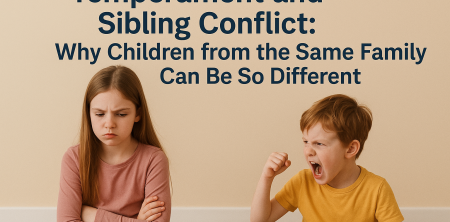
Sibling relationships often come with a complex mix of love, rivalry, and occasional chaos. If you've ever wondered why your children, raised in the same household, can be so different, it all comes down to one significant aspect: temperament. Understanding sibling conflict temperament can shed light on the underlying dynamics that shape these relationships. In the following sections, we’ll explore how temperament influences sibling interactions and conflicts, providing practical insights for parents navigating these often volatile waters.
Understanding Temperament: The Basics
Before diving into the specifics of sibling conflict, it's essential to grasp what temperament means in the context of child development. Temperament refers to the innate and characteristic patterns of behavior, emotion, and self-regulation that distinguish one individual from another. According to researchers like Thomas and Chess, who pioneered temperament theory in the 1950s, there are nine key dimensions of temperament, including activity level, mood, adaptability, and intensity of reactions.
These traits manifest early in life and typically remain relatively stable, influencing how children respond to their environment, interact with others, and cope with challenges. When siblings with differing temperaments coexist, their interactions can lead to misunderstandings, conflicts, and competition, making the family dynamics especially intricate.
The Four Primary Temperament Types
While there are numerous ways to categorize temperament, one widely recognized method involves four primary types: easy, difficult, slow-to-warm-up, and mixed. Each type carries unique characteristics that can exacerbate or mitigate sibling conflicts.
- Easy Children: Typically cheerful, adaptable, and responsive, easy children adjust well to new situations and demands. They’re less likely to engage in conflict with their siblings, as their flexibility often promotes harmony.
- Difficult Children: These children exhibit intense reactions, are often moody, and have trouble adapting to change. Their strong emotional responses can lead to more frequent and severe sibling conflicts.
- Slow-to-Warm-Up Children: Initially reserved and cautious, these children may struggle to adapt to new situations. Their hesitance can lead to misunderstandings with more outgoing siblings, resulting in conflicts.
- Mixed Temperament: Children with mixed temperament show varying traits across different situations. This unpredictability can confuse sibling dynamics, as their behavior may oscillate between easy and difficult.
How Temperament Shapes Sibling Relationships
With these temperament types in mind, let’s delve into how they shape sibling relationships. Conflict often arises from differing temperamental traits that clash in daily interactions.
For example, a difficult child may react aggressively when a sibling interrupts their play, while an easy child may shrug it off, leading to the difficult child feeling frustrated and isolated. On the other hand, slow-to-warm-up siblings might perceive an easy sibling’s outgoing nature as intrusive, leading to withdrawal or negative feedback.
This dynamic creates a cycle of conflict where misunderstandings can escalate into arguments or resentment. Parents often find themselves in the middle, trying to mediate and promote harmony, but without understanding the root of the conflict, their efforts may only temporarily mask the issues.
The Role of Birth Order in Sibling Conflict
Aside from temperament, birth order significantly impacts sibling relationships and conflicts. Firstborns often carry the weight of expectations and responsibility, which can lead to them being more dominant or protective, while younger siblings may feel overshadowed, contributing to feelings of rivalry.
Research indicates that firstborn children tend to be more conscientious, while later-born siblings often display more risk-taking behaviors. These differences can lead to conflicts, especially when firstborns perceive their younger siblings as carefree and irresponsible. For instance, a firstborn might become frustrated when a younger sibling fails to follow rules, while the younger sibling may view their older brother or sister as overly controlling.
On the flip side, younger siblings often seek attention and approval, which may lead them to challenge their older siblings. This competition for parental attention and resources can heighten sibling conflicts, particularly in households where resources are limited or parental attention is split.
Parental Influence on Sibling Conflict Temperament
Parents play an essential role in shaping the sibling dynamics and managing conflicts. The way parents respond to their children's behaviors can either exacerbate or mitigate conflicts. For instance, parents who show favoritism towards one child may inadvertently encourage rivalry and resentment among siblings. (See: Understanding temperament in psychology.)
Additionally, parental modeling of conflict resolution is crucial. Children learn how to handle disagreements by observing their parents. If parents demonstrate healthy communication and effective conflict resolution strategies, children are more likely to adopt these skills in their sibling interactions.
Moreover, parents can help children understand and appreciate each other's temperamental differences. Encouraging empathy between siblings—helping them recognize and understand each other's feelings and reactions—can significantly reduce conflicts.
Strategies for Managing Sibling Conflict
So, how can parents effectively manage sibling conflicts rooted in differing temperaments? Here are some strategies that can help:
- Encourage Open Communication: Create an environment where children feel safe expressing their feelings. Regular family meetings or check-ins can provide a structured way for siblings to discuss their conflicts and feelings.
- Teach Conflict Resolution Skills: Equip your children with tools to resolve conflicts independently. Role-playing can help them practice these skills in a safe, controlled environment.
- Celebrate Individual Differences: Emphasize the strengths of each child's temperament. Help them see that their differences can be complementary rather than conflicting.
- Set Clear Expectations: Establish family rules regarding behavior and conflict resolution. Consistency in expectations can help reduce misunderstandings and conflicts.
- Provide Individual Attention: Spend one-on-one time with each child to validate their feelings and needs, which can help lessen feelings of rivalry.
The Importance of Empathy in Reducing Conflict
Empathy is often touted as a vital skill in navigating relationships, and it holds particular significance in sibling dynamics. When siblings understand each other's perspectives and emotions, they can reduce conflicts stemming from miscommunication or misunderstanding.
One effective way to foster empathy is through shared activities that require teamwork and collaboration. For example, working together on a school project or playing cooperative games can enhance their ability to communicate and understand each other's strengths and weaknesses. This shared experience can help siblings appreciate each other's temperaments and may lead to more harmonious interactions.
Recognizing the Benefits of Sibling Conflict
While sibling conflicts can be frustrating for parents, they aren’t entirely negative. Conflicts can serve as learning experiences for children, teaching them essential skills such as negotiation, compromise, and emotional regulation.
Moreover, navigating conflicts can strengthen sibling bonds in the long run. Children who learn to resolve disputes effectively may develop deeper, more resilient relationships with their siblings. These skills often translate to other relationships outside the family, benefiting children as they grow into adulthood.
Current Relevance: Sibling Conflict in the Digital Age
In our increasingly digital world, sibling conflicts may take on new dimensions. Social media, online gaming, and digital communication have altered how children interact, sometimes leading to misunderstandings and conflicts.
For instance, an easy-going sibling might find themselves frustrated by a difficult sibling's competitive gaming habits, while the difficult sibling may feel misunderstood by their more laid-back sibling. Additionally, the phenomenon of social media can create jealousy and competition, as children compare their online lives.
Parents are called to adapt their strategies for managing conflict in this new landscape. Encouraging face-to-face interactions and fostering healthy communication about online behaviors can help navigate this complex environment.
Understanding the Impact of Cultural Context
It’s essential to recognize that sibling dynamics and conflicts can vary significantly across different cultural contexts. In some cultures, sibling relationships are viewed as lifelong partnerships where cooperation is highly valued, while in others, rivalry may be seen as a natural and necessary part of growing up.
For instance, in collectivist cultures, siblings may be encouraged to work together for the family’s well-being, which can lead to reduced conflict as they prioritize harmony over individual desires. In contrast, in more individualistic societies, children may be socialized to assert their independence and showcase their unique strengths, potentially heightening competition and conflict among siblings.
Parents should consider how cultural values shape their children's perceptions of sibling relationships. Understanding these nuances can help mothers and fathers foster an environment conducive to healthy interactions and conflict resolution. (See: Research on temperament and child development.)
Temperament and Gender Differences in Sibling Conflict
Gender can also play a critical role in how sibling conflicts manifest and how temperamental differences are expressed. Research indicates that boys and girls may exhibit varying conflict styles based on their upbringing and socialization.
For example, boys often employ more physical forms of conflict, such as wrestling or roughhousing, while girls may lean towards verbal disputes or social exclusion. This doesn't mean boys and girls are confined to these behaviors, but they may generally reflect broader societal expectations.
Understanding these gender differences can help parents tailor their conflict resolution strategies. Encouraging siblings to express their feelings in constructive ways, regardless of their gender, can lead to healthier relationships. Teaching boys to articulate their emotions and encouraging girls to engage in physical play can provide balance and understanding.
Statistics on Sibling Conflict and Relationships
Research offers intriguing insights into sibling relationships, revealing just how common and complex sibling conflict can be. According to a study conducted by the University of California, nearly 80% of siblings report conflicts, with arguments peaking during certain developmental stages, particularly during early childhood and adolescence.
Another study published in the Journal of Family Psychology found that about 30% of sibling conflict resulted from competition for parental attention. Interestingly, sibling rivalry can peak around age 2-3 and then again during middle childhood, coinciding with developmental milestones and increased autonomy.
Furthermore, researchers at the University of Cambridge highlight the long-term impacts of sibling relationships, noting that strong sibling bonds can lead to enhanced emotional resilience and better social skills later in life. In contrast, unresolved conflicts can contribute to ongoing rivalry and estrangement into adulthood.
Expert Perspectives on Sibling Conflict and Temperament
To gain a deeper understanding of sibling conflict temperament, we consulted Dr. Laura Markham, a clinical psychologist and parenting expert. She emphasizes the importance of recognizing each child’s unique temperament and how it contributes to sibling dynamics.
"Every sibling relationship is a dance between different temperaments. By understanding these differences, parents can guide their children in navigating their conflicts and building a supportive relationship,” Dr. Markham explains.
Dr. Markham also stresses that parental involvement is key. "Parents should not only mediate conflicts but also teach their children to resolve their disputes independently. This builds their emotional intelligence and strengthens their bonds," she adds.
Frequently Asked Questions
What should I do if my children argue constantly?
It can be exhausting and concerning to see siblings fighting regularly. Start by observing the conflicts to identify patterns or triggers. Encourage open dialogue post-conflict, so they can express their feelings and learn to empathize with each other. It’s also essential to teach conflict resolution skills as mentioned earlier.
Are certain temperament types more likely to cause conflict?
Yes, difficult children often exhibit more frequent and intense conflicts due to their strong emotional responses. However, it’s crucial to remember that all temperament types can experience conflict; it’s how they navigate those differences that matters.
How can I foster empathy between my children?
Encourage shared activities that require teamwork. Games, collaborative projects, or group outings can help siblings learn to appreciate each other’s strengths. Discuss moral stories or situations that require empathy, guiding them to see things from each other's perspectives.
Is it normal for siblings to fight as they grow up?
Yes, sibling conflicts can fluctuate as children grow. It's normal for them to argue, especially during developmental stages. What’s essential is focusing on how they resolve those conflicts and learn from them.
What are the long-term effects of sibling conflict?
While unresolved conflicts can lead to strained relationships into adulthood, managing sibling rivalry effectively can result in strong, supportive bonds. Learning to navigate differences can foster emotional resilience and better social skills.
Tips for Understanding and Supporting Sibling Relationships
Supporting sibling relationships requires patience and insight. Here are some additional tips for understanding and nurturing these unique bonds:
- Encourage Collaboration: Find opportunities for siblings to work together on tasks or projects, such as building a model or planning a family event. This teamwork can promote bonding and lessen conflicts.
- Celebrate Achievements Together: When one child achieves something significant, encourage all siblings to celebrate together. This can foster a sense of unity and diminish feelings of jealousy.
- Set Time for Family Activities: Designate family nights where siblings can engage in activities that everyone enjoys. This reinforces family ties and creates positive memories.
- Teach Problem-Solving: Instead of always stepping in to resolve conflicts, guide your children through the problem-solving process. Ask them how they might address an issue themselves.
- Normalize Conflict: Help your children understand that disagreements are a normal part of any relationship. Teach them that it's how they handle conflicts that truly matters.
Emotional Development through Sibling Interaction
Interaction with siblings can significantly influence emotional development. Children learn important emotional skills from their relationships with their siblings, including how to express feelings, manage disappointment, and share resources. These interactions also provide foundational experiences that shape their understanding of social norms and acceptable ways to resolve disputes.
For instance, a child who regularly navigates disagreements with a sibling may become more adept at articulating their feelings and empathizing with others. They learn that it's okay to disagree and that communication is key in resolving differences. These skills not only benefit sibling relationships but also extend to friendships and other social interactions outside the home.
Final Thoughts: Embracing the Complexity of Sibling Relationships
Understanding sibling conflict temperament is crucial for parents seeking to foster healthy sibling relationships. By recognizing the role of temperament, birth order, and parental influence, caregivers can better navigate the inevitable conflicts that arise between siblings.
Ultimately, sibling relationships are some of the most enduring connections in a person's life. By equipping children with the tools to manage their differences, parents can help them build strong, resilient bonds that will last a lifetime. So, embrace the complexity, celebrate the differences, and work towards understanding the unique dynamics at play in your family.
```
Trending Now
- our breakdown of “building fluency in english language learners: practical classroom techniques that work”
- this guide on “5 evidence-based strategies to improve math fluency in middle school classrooms”
- “Can Adults Have Dyscalculia? Recognizing and Managing Math Learning Disabilities Later in Life”
- our breakdown of “why young children think more water means a taller glass: explaining conservation concepts”
- read the full story
Frequently Asked Questions
Why do siblings from the same family have different temperaments?
Siblings can have different temperaments due to their innate personality traits, which develop early in life. Factors like genetics and individual experiences shape how each child responds to their environment, leading to distinct behavioral patterns even within the same family.
How does temperament affect sibling relationships?
Temperament influences how siblings interact, cope with challenges, and manage conflicts. For instance, an easy child may adapt well to a difficult sibling's behavior, while a difficult child may struggle with flexibility, leading to misunderstandings and rivalry.
What are the four primary types of temperament in children?
The four primary types of temperament are easy, difficult, slow-to-warm-up, and mixed. Each type has unique characteristics that can influence sibling dynamics, affecting how they relate to one another and handle conflicts.
Can understanding temperament reduce sibling conflict?
Yes, understanding temperament can help parents navigate sibling conflicts more effectively. By recognizing each child's unique traits, parents can promote better communication and foster harmony, reducing misunderstandings and competition among siblings.
What are the key dimensions of temperament in child development?
Key dimensions of temperament include activity level, mood, adaptability, intensity of reactions, and self-regulation. These traits help define how children interact with their surroundings and each other, playing a crucial role in sibling relationships.
What did we miss? Let us know in the comments and join the conversation.

