```html
Teaching phoneme segmentation and blending is a crucial skill for young learners. As students transition into reading, these foundational elements play an indispensable role in their literacy journey. This article delves deep into the methodologies, practical insights, and current relevance of phoneme segmentation in the kindergarten classroom.
1. Understanding Phoneme Segmentation and Blending
Phoneme segmentation is the process by which a speaker breaks down a word into its individual sounds, or phonemes. For example, the word "cat" can be segmented into three distinct phonemes: /k/, /æ/, and /t/. On the other hand, blending involves taking these separate phonemes and merging them back together to form the original word. Understanding these concepts lays the groundwork for effective reading strategies in early childhood education.
Why is this so critical for kindergarten students? Research shows that phonemic awareness is one of the strongest predictors of later reading success. According to the National Reading Panel, students with strong phoneme segmentation skills are better equipped to decode new words, which helps them develop overall literacy skills.
2. The Science Behind Phoneme Segmentation
Building phoneme segmentation skills isn't just an arbitrary educational task; it’s rooted in cognitive science. The brain processes sounds and letters in a very specific way. Children learn to recognize that words are made up of smaller sound units, which is essential for decoding and comprehension. This understanding is often referred to as phonemic awareness.
Studies indicate that children who develop phonemic awareness in kindergarten are more likely to excel in reading and writing by the time they reach the third grade. Moreover, these foundational skills can significantly reduce the risk of reading difficulties, helping to close achievement gaps among diverse learners.
3. Practical Tips for Teaching Phoneme Segmentation
To effectively teach phoneme segmentation in kindergarten, educators can employ various strategies. One effective method is to introduce sound boxes. These are simple tools where each box represents a phoneme. For instance, for the word "dog," teachers can use three boxes: one for /d/, one for /ɔ/, and one for /g/. Students physically move a token into each box as they articulate the sounds.
Another engaging way to practice segmentation is through games. Activities like "I Spy" can be adapted to focus on sounds. For example, a teacher might say, "I spy with my little eye something that starts with /b/" to reinforce initial sounds. Incorporating movement and physical activities can make learning more engaging and can aid retention.
4. Blending: The Next Step After Segmentation
Once students have a solid grasp of segmentation, blending becomes the next logical step. Teachers can start blending activities with familiar words to build confidence. One effective approach is using manipulatives like letter tiles. Students can arrange tiles representing phonemes and then blend them verbally to form words.
Moreover, educators can use rhymes and songs to facilitate blending. Chanting nursery rhymes where students can clap on each phoneme helps reinforce the sounds while having fun. This method allows students to practice without the pressure of formal assessments, fostering a love for language.
5. Incorporating Technology into Phoneme Instruction
In today’s digital age, technology can be a powerful ally in teaching phoneme segmentation and blending. There are numerous applications designed specifically for phonics practice. These interactive platforms often include games that adapt to a child’s skill level, making learning both personalized and engaging.
Additionally, online resources can provide a wealth of worksheets and activities for teachers to use in the classroom. Websites like Starfall and ABCmouse offer structured programs that reinforce phonemic awareness through engaging content designed for young learners.
6. Tailoring Instruction to Diverse Learners
Every classroom is made up of diverse learners, each with unique needs. Some children may excel in phoneme segmentation while others struggle. It’s essential for teachers to assess students regularly to identify their individual skill levels. Differentiated instruction is key here, as it allows educators to adapt their approaches based on students' needs. (See: Teaching reading and phonemic awareness.)
For students who may need extra support, small group instruction can be beneficial. This setting allows for targeted practice and immediate feedback, fostering a more personalized learning environment. Conversely, advanced students can be challenged with more complex words or tasks, ensuring that all learners remain engaged.
7. Assessment Techniques for Phoneme Segmentation
Assessing phoneme segmentation skills is crucial in understanding a student’s progression and areas requiring improvement. Teachers can conduct informal assessments through observations during phonological games or structured tasks. For instance, asking a student to segment words during a read-aloud can provide insight into their understanding.
Formal assessments, such as phoneme segmentation tests, can also be employed. These assessments typically involve asking students to break down words into their respective sounds. The results can help inform instructional strategies and interventions, ensuring that all students receive the support they need for literacy success.
8. Current Trends and Research in Phoneme Segmentation
Recently, there has been a growing focus on the importance of phonemic awareness as part of a comprehensive literacy program. Research continues to show that explicit teaching of phoneme segmentation and blending significantly benefits young learners. Programs are increasingly integrating phonics instruction with a broader curriculum that includes comprehension strategies.
This trend is supported by organizations like the International Literacy Association, which has emphasized the need for early interventions. By prioritizing phoneme segmentation in kindergarten, educators can create a solid foundation that will serve students well into their academic futures.
9. Frequently Asked Questions About Phoneme Segmentation
What is the difference between phoneme segmentation and phoneme blending?
Phoneme segmentation involves breaking down a word into its individual sounds, while phoneme blending is the process of taking those sounds and merging them to form the original word. Both skills are crucial for developing reading proficiency.
Why is phoneme segmentation important for kindergarten students?
Phoneme segmentation is critical because it is one of the best predictors of future reading success. By mastering this skill, students are better equipped to decode unfamiliar words, leading to improved literacy skills overall.
How can parents support their child's phoneme segmentation skills at home?
Parents can play various games that involve sounds, such as "I Spy" or rhyming games. Reading aloud and emphasizing sounds in familiar words can also reinforce phoneme segmentation at home. Additionally, using apps that focus on phonics can provide engaging practice opportunities.
What age should children start learning phoneme segmentation?
Introducing phoneme segmentation skills can begin as early as preschool. However, it typically becomes a more formal part of education in kindergarten when children start to learn to read and write.
Are there any specific programs recommended for teaching phoneme segmentation?
Yes, several programs have been noted for their effectiveness in teaching phonics and phonemic awareness, including the Orton-Gillingham approach, Phonics First, and the Wilson Reading System. These programs often incorporate explicit instruction and multisensory activities to engage young learners.
10. Additional Strategies for Enhancing Phoneme Segmentation Skills
Aside from sound boxes and games, there are other strategies teachers can employ to enhance phoneme segmentation skills. Storytelling can be a powerful tool; teachers can select stories with rich, phonetic language and pause to ask questions about the sounds in key words. This can help students connect the dots between spoken language and written text.
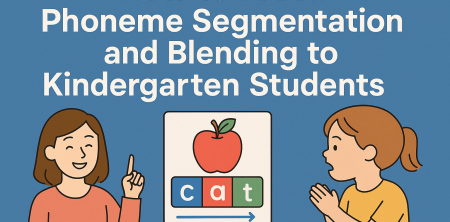
Using visual aids can also support phoneme segmentation. For example, flashcards with images can help students associate sounds with letters. When children see a picture of a cat, they can practice segmenting the sounds by saying /k/, /æ/, /t/ while pointing to the corresponding letters on the card.
11. Creating a Phoneme Segmentation-rich Environment
To foster phoneme segmentation skills, the entire classroom environment should support literacy development. Teachers can create word walls featuring different phonemes and their corresponding words. This visual reference can help students become more aware of sounds as they engage with text in their environment.
Additionally, integrating phonemic awareness into daily routines can make learning feel seamless. For example, during circle time, teachers can incorporate sound games that encourage students to identify sounds in their names or objects in the classroom. These activities help reinforce phoneme segmentation in a natural manner. (See: Phonemic awareness and reading success.)
12. Collaboration with Families to Support Literacy
Engaging families in their children’s literacy journey is vital for reinforcing phoneme segmentation skills. Schools can host workshops to educate parents about phonemic awareness and provide strategies to practice at home. Creating take-home resources, such as phoneme cards or activity guides, can help parents feel equipped to support their children.
Moreover, encouraging parents to read with their children regularly can bolster phoneme segmentation efforts. Reading aloud cultivates a shared experience around language, allowing parents to model segmentation through playful interactions with sounds.
13. The Role of Professional Development for Educators
Effective instruction in phoneme segmentation requires continuous professional development for educators. Schools should invest in training that focuses on phonics instruction and the science of reading. Understanding how children learn sounds can empower teachers to develop more effective strategies in their classrooms.
Professional learning communities can also be beneficial. Teachers can collaborate and share best practices, resources, and experiences related to phonemic awareness instruction. This collective growth can enhance the overall quality of education provided to young learners.
14. Conclusion
In summary, teaching phoneme segmentation and blending in kindergarten is a vital component of early literacy education. By utilizing various strategies, tools, and assessments, educators can foster an engaging environment where students thrive. With the right approach, every child can develop the skills necessary to become proficient readers, setting them on a path to academic success.
15. Understanding the Challenges in Teaching Phoneme Segmentation
While teaching phoneme segmentation is essential, it does come with its challenges. Many young learners may struggle with auditory processing, making it difficult for them to hear and distinguish between phonemes. Teachers often encounter students who have varying levels of exposure to language at home, influencing their ability to segment sounds effectively.
Another challenge is the attention span of kindergarteners. Young children may become easily distracted or lose interest during phonics activities. To combat this, educators can employ shorter, more dynamic lessons that incorporate movement and fun, keeping students engaged while also addressing their learning needs.
16. Engaging Activities to Foster Phoneme Segmentation
Incorporating engaging activities can significantly enhance the learning experience for students. One popular activity is “Sound Hunt,” where students search the classroom or playground for objects that start with a particular phoneme. This not only reinforces segmentation but also makes learning active and enjoyable.
Another effective activity involves using puppets or characters that can demonstrate phoneme segmentation. For instance, a puppet can say a word and then break it down into sounds, inviting students to repeat after it. This interactive approach can help solidify understanding in a playful context.
17. Understanding Different Learning Styles
Every child has a unique learning style, which can impact how they grasp phoneme segmentation. Some children may be visual learners, thriving with charts and pictures, while others may relate better to auditory learning through songs and rhymes. Understanding these differences allows teachers to tailor their methods, ensuring that each child's needs are met.
For kinesthetic learners, incorporating movement can be crucial. Activities that involve clapping, jumping, or using manipulative objects can help these students better connect with phonetic sounds and letters.
18. Using Literature to Support Phoneme Segmentation
Integrating literature into phoneme segmentation lessons can enhance understanding. Selecting books with repetitive and rhyming text allows children to hear phonemes in context. Books like "Chicka Chicka Boom Boom" or "Brown Bear, Brown Bear, What Do You See?" can be particularly effective due to their rhythmic patterns and phonetic play.
Reading these books aloud and pausing to ask students to identify sounds can create a rich interactive experience, promoting engagement while reinforcing their phonemic awareness skills.
19. Impact of Phoneme Segmentation on Future Learning
Research highlights that phoneme segmentation skills developed in kindergarten extend beyond early literacy. Children who are proficient in phonemic awareness tend to perform better in spelling, writing, and comprehension tasks as they progress through their academic career. Studies show that students who struggle with phonemic awareness in the early years are at a higher risk for reading difficulties later on.
By prioritizing phoneme segmentation, educators are not just teaching reading; they are equipping students with tools for lifelong learning. A strong foundation in phonemic awareness leads to improved academic performance across all subjects, highlighting the interconnectedness of literacy skills.
20. Long-term Benefits of Early Phoneme Instruction
Investing in phoneme segmentation instruction in kindergarten can lead to lasting benefits. Students who master these skills tend to have higher self-esteem as readers and writers. They are more confident when tackling new texts and more willing to engage in complex literacy tasks as they grow.
Furthermore, early phonics instruction has been linked to decreased dropout rates and increased graduation rates. Children who excel in reading tend to have greater opportunities in higher education and beyond, underscoring the importance of strong phonemic skills as a predictor of future success.
21. Looking Forward: The Future of Phoneme Segmentation Instruction
As educational practices evolve, the importance of phoneme segmentation remains steadfast. With ongoing research into effective phonics instruction and advancements in educational technology, the possibilities for enhancing learning continue to grow.
Teachers are encouraged to stay informed about new instructional strategies, tools, and resources that can enhance phonemic awareness. Collaborating with fellow educators and participating in professional development can inspire innovative approaches to teaching this essential skill.
22. Final Thoughts
Fostering strong phoneme segmentation skills in kindergarten is a journey that requires patience, creativity, and dedication. By using a variety of teaching strategies, engaging activities, and supportive resources, educators can create a dynamic learning environment where students feel empowered to explore the world of sounds. With the right foundation, every child has the potential to become a confident reader and writer, ready to take on their academic challenges.
```
Trending Now
Frequently Asked Questions
What is phoneme segmentation and blending?
Phoneme segmentation is the process of breaking a word into its individual sounds, like /k/, /æ/, and /t/ for 'cat'. Blending is the reverse, where these sounds are combined to form the original word. Both skills are essential for developing reading abilities in young children.
Why is phonemic awareness important for kindergarten students?
Phonemic awareness is crucial as it significantly predicts later reading success. Research indicates that students with strong phoneme segmentation skills are better at decoding new words, which enhances their overall literacy development.
How can I teach phoneme segmentation to young children?
Teaching phoneme segmentation can be done through engaging activities like sound games, using visual aids, or incorporating songs that emphasize sounds. Consistent practice helps children recognize and manipulate sounds effectively.
What are the benefits of phoneme blending skills?
Phoneme blending skills allow children to combine individual sounds to form words, which is critical for reading. Mastering this skill helps improve their decoding abilities and overall literacy, setting a strong foundation for future learning.
What strategies can improve phonemic awareness in early learners?
Effective strategies include interactive phonics games, storytelling that emphasizes sounds, and using manipulatives like blocks or letters. Regular practice and positive reinforcement also enhance phonemic awareness among kindergarten students.
Have you experienced this yourself? We'd love to hear your story in the comments.

