```html
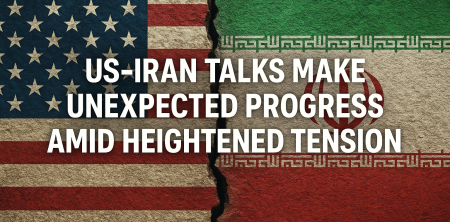
Amid a backdrop of military threats and geopolitical tensions, recent US Iran talks have yielded what some are calling 'encouraging progress.' Mediators from Pakistan and Qatar have confirmed that the United States and Iran reached a significant milestone during an intense 18-hour negotiation session held in Switzerland. This newly paved diplomatic path includes a roadmap for a final agreement within the next 60 days, a timeline that many experts are watching closely.
The Context of the Negotiations
The recent conversations come at a particularly tumultuous time. Just as these discussions were taking place, President Donald Trump made headlines by threatening to resume military action against Iran, specifically indicating a potential for bombing operations. This drastic rhetoric starkly contrasts the diplomatic strides being made and sets the stage for a complex interplay of hope and fear.
Negotiations between the two nations have been fraught with conflict, especially following significant events that have escalated tensions. The history of hostility between the US and Iran dates back decades, with key flashpoints including the 1979 Iranian Revolution and the more recent sanctions imposed on Iran's economy, particularly affecting its oil exports.
The Role of Mediators
Mediators from Pakistan and Qatar have played a crucial role in facilitating this dialogue, providing a neutral ground that encourages both sides to express their grievances and aspirations. These intermediary nations have long maintained a vested interest in stabilizing the region, understanding that US-Iran relations directly impact the wider Middle East landscape. We covered regional peace efforts in Pakistan in more detail.
Their involvement underlines a broader trend where countries like Pakistan, which share borders with Iran, and Qatar, which has historically acted as a diplomatic broker, step into roles typically occupied by larger powers. It’s a reminder that diplomacy often occurs in unexpected places and through unassuming channels.
The Road Ahead
The roadmap established during the negotiations is ambitious. Both parties have reportedly agreed to work towards a comprehensive agreement in the coming two months that would address not just nuclear proliferation but also the broader issues of regional security and economic cooperation. Such steps could lead to the lifting of sanctions that have crippled Iran's economy.
Experts suggest that reaching a final deal within this timeframe is ambitious but not impossible. The recent history of US-Iran negotiations, particularly the 2015 Joint Comprehensive Plan of Action (JCPOA), shows that breakthroughs can happen when both sides are willing to compromise. However, the political landscape remains volatile, and the risk of setbacks is high, especially with external pressures from allies and adversaries alike.
Global Reactions to the Talks
As news of progress in the US Iran talks broke, reactions from around the world were varied. Some nations expressed cautious optimism, noting that any movement toward diplomacy could be a step away from military confrontation. However, others remain skeptical, particularly in light of Trump's aggressive posturing. Analysts are observing how these negotiations will influence other geopolitical dynamics, particularly in Europe and Asia.
The mere suggestion that diplomacy could prevail over military action has ignited debates on social media platforms. Users share their opinions, expressing everything from hope to skepticism, reflecting a global audience's diverse perspectives on the situation.
The Strait of Hormuz: A Flashpoint
Complicating the landscape even further is Iran's recent decision to close the Strait of Hormuz. This narrow passage is a critical chokepoint for global oil shipments, through which about 20% of the world's petroleum passes. The closure, following the tragic deaths of 83 people in Lebanon, raises immediate concerns about economic repercussions and military escalation in the region.
Iran's actions can be interpreted as a show of strength or desperation, depending on one's perspective. For many in the international community, the closure signals a readiness to leverage its strategic geographical position in pursuit of political aims, particularly in negotiating with the US. (See: History of US-Iran relations.)
Implications for Global Energy Markets
The implications of these US Iran talks and the situation in the Strait of Hormuz are profound for global energy markets. Should tensions escalate further or should military action resume, experts warn of severe disruptions to oil supply chains. This could lead to skyrocketing oil prices, inflationary pressures, and economic instability worldwide.
Countries heavily reliant on oil imports, particularly in Europe and Asia, are keenly aware of the potential fallout. The situation thus becomes not just a diplomatic or military concern, but an economic one, as well. The interconnectedness of global markets means that even minor shifts in Iranian policy could reverberate around the globe.
The Domestic Political Landscape in the US
Domestically, Trump's threats to resume bombing operations against Iran complicate the political narrative around the negotiations. Many Americans are divided on the issue, with a significant portion advocating for a diplomatic resolution rather than military intervention. Public opinion polls indicate that a growing number of citizens prefer dialogue over conflict, especially given the long-standing repercussions of past military engagements in the Middle East.
However, Trump's base may support more aggressive actions, viewing them as a means of demonstrating strength against perceived threats. This creates a balancing act for the administration, where they must navigate domestic pressures while engaging internationally.
Expert Perspectives on the Situation
Experts in international relations encourage a cautious approach during this period of negotiation. They highlight the importance of sustained engagement rather than knee-jerk reactions to provocations. Political analysts suggest that the US should remain committed to the talks, leveraging diplomatic channels to mitigate potential conflicts.
Moreover, experts point out that the involvement of third-party mediators can help facilitate a more constructive dialogue. The mediation efforts by Pakistan and Qatar could be pivotal in ensuring that both sides understand each other's positions and find common ground.
What’s at Stake: A Deeper Look
Both the US and Iran stand to gain significant benefits from a successful agreement. For the US, re-establishing diplomatic ties with Iran could enhance its credibility in the international community, particularly in the Middle East, where US influence has waned in recent years. A successful negotiation could also help to stabilize rising oil prices and secure energy routes that are vital for global markets.
On Iran's side, easing sanctions would provide a much-needed boost to its economy, which has suffered tremendously under stringent US-imposed restrictions. This economic relief could enable Iran to invest more in social programs and infrastructure, potentially improving the quality of life for its citizens. Additionally, a successful diplomatic resolution may help Iran regain its standing as a legitimate actor on the world stage, countering the narrative that it is merely a rogue state.
Potential Outcomes of Successful Talks
Should the US Iran talks lead to a successful agreement, a range of positive outcomes could emerge. One potential scenario includes the gradual lifting of sanctions, allowing Iran to reintegrate into the global economy. This could lead to an influx of foreign investments, driving economic growth and development.
Furthermore, a comprehensive agreement could include provisions for increased transparency regarding Iran's nuclear program, as well as commitments to reduce regional tensions. For instance, both nations could agree to joint efforts to combat terrorism and stabilize conflict zones, particularly in Iraq and Syria. Such collaboration could foster a more secure Middle East and change the dynamics of regional power struggles.
Challenges Ahead: What Could Go Wrong?
Despite the optimism surrounding the ongoing negotiations, numerous challenges persist. Many experts warn that hardliners on both sides remain skeptical of the talks. In Iran, hardliners may resist concessions, fearing that they could undermine their position domestically. Likewise, in the US, Trump’s administration faces pressure from allies who are wary of Iran’s intentions and may push for more aggressive action.
Moreover, there are external factors that could complicate the negotiations, such as the influence of Israel and Saudi Arabia. Both nations perceive Iran as a significant threat and may lobby against any agreements that they view as beneficial to Tehran. This means the US must carefully balance its relationships with these allies while pursuing a diplomatic resolution with Iran. (See: Iran's geopolitical significance.)
FAQs About US Iran Talks
What are the main objectives of the US Iran talks?
The primary objectives include addressing nuclear proliferation, ensuring regional security, and discussing economic cooperation that could lead to the lifting of sanctions on Iran.
Who are the mediators in the US Iran talks?
Mediators from Pakistan and Qatar are facilitating the discussions, providing neutral grounds for both parties to negotiate.
What are the potential consequences if no agreement is reached?
If no agreement is reached, tensions could escalate, potentially leading to military confrontations and further sanctions that would deepen Iran's economic struggles.
How do these talks impact global oil prices?
Successful negotiations could stabilize oil markets, while failed talks or military actions could lead to price spikes and economic instability worldwide.
What role do hardliners play in these negotiations?
Hardliners in both the US and Iran can significantly influence the talks, as they may oppose concessions and push for more aggressive stances, complicating diplomatic efforts.
The Importance of Public Opinion
Public sentiment plays a pivotal role in shaping the trajectory of the US Iran talks. In the US, a growing section of the populace is increasingly disillusioned with military interventions abroad, calling for a shift towards diplomacy. Surveys show that more than 60% of Americans favor engaging in dialogue with Iran, reflecting a broader desire for peace over conflict.
Similarly, in Iran, the public is weary of sanctions and economic hardship, with many citizens advocating for a resolution that would alleviate their struggles. This shared desire for peace offers a unique opportunity for both governments to leverage popular support as they navigate the talks.
Impact of Sanctions on Iranian Society
The sanctions imposed on Iran have not only affected its economy but have also had profound social implications. The Iranian middle class has shrunk, unemployment rates have surged, and inflation has skyrocketed, leading to growing public unrest. The social fabric of Iranian society is under strain, with protests erupting in response to rising living costs and economic mismanagement.
Reaching a successful agreement could lead to the lifting of sanctions, providing immediate relief to the Iranian populace. For instance, access to international markets could enhance the availability of essential goods and services. Such changes might foster a sense of stability and hope within the country, which has been missing for years. Related reading: oil prices and market instability.
International Involvement Beyond the Mediators
While Pakistan and Qatar have taken center stage as mediators in the US Iran talks, other countries and international organizations are also closely monitoring the situation. The European Union, for instance, has expressed its willingness to support diplomatic efforts, emphasizing the need for a multilateral approach to address the complex issues at stake. (See: Recent developments in US-Iran tensions.)
China and Russia have also shown interest in the negotiations, given their partnerships with Iran. Both nations may leverage their influence to ensure that any agreement respects Iranian interests, further complicating the dynamic. The involvement of multiple players can either enhance the negotiation process or introduce additional layers of complexity, making a successful resolution even more challenging.
Historical Precedents: Lessons Learned
History is replete with examples of failed negotiations that have led to escalated conflicts. For instance, the breakdown of the 2005 talks between the US and Iran resulted in a more aggressive stance from both sides, culminating in heightened tensions that lasted for years. Analysts emphasize the importance of learning from these past experiences, advocating for transparent communication and incremental trust-building measures.
Another significant precedent is the Iran nuclear deal of 2015, which showcased the potential for diplomacy to yield tangible results. Although the current environment differs, lessons from the JCPOA's successes and failures can guide negotiators in crafting a more sustainable agreement.
Potential Future Scenarios
Looking ahead, various scenarios could unfold depending on the outcome of the US Iran talks. A successful agreement may lead to a gradual thawing of US-Iran relations, potentially opening doors for improved trade and cultural exchanges. In turn, this could positively impact regional stability as both countries work collaboratively to address shared challenges.
Conversely, if negotiations falter, the risk of renewed military confrontations looms large. This could lead to a dangerous cycle of retaliation, further entrenching hostilities and prolonging the suffering of ordinary citizens on both sides. Understanding these potential outcomes is crucial for diplomatic strategists as they navigate this critical juncture.
Conclusion: An Emotional Rollercoaster
The developments surrounding the US Iran talks present an emotional rollercoaster, full of hope yet fraught with tension. As the world holds its breath, waiting to see if diplomacy can prevail over aggression, the stakes remain high. This situation is pivotal not only for US-Iran relations but also for broader geopolitical stability.
With the next 60 days being crucial, observers are keenly aware that every statement, every decision, carries weight. The balance between diplomatic progress and military escalation hangs delicately in the air, making this a defining moment for all parties involved. The world is undoubtedly watching, and the outcome could reshape international relations for years to come.
```
Trending Now
- this guide on “quick phonemic awareness assessments for kindergarten and first grade teachers”
- “Why Phonological Awareness Predicts Reading Success…
- this guide on “how transitional kindergarten prepares children for academic success in elementary school”
- the complete explanation
- “How to Assess Phonological Awareness Skills…
Frequently Asked Questions
What progress has been made in US-Iran talks?
Recent US-Iran talks have made unexpected progress, with negotiators from both sides reaching a significant milestone during an 18-hour session in Switzerland. This includes a roadmap for a final agreement within 60 days, marking a hopeful shift amidst ongoing tensions.
What role do Pakistan and Qatar play in US-Iran negotiations?
Pakistan and Qatar have served as mediators in the US-Iran negotiations, facilitating dialogue between the two nations. Their involvement is crucial as they provide a neutral ground for discussions, reflecting their vested interest in regional stability and US-Iran relations.
How does the US military threat impact Iran talks?
The US military threats, particularly from President Trump, create a complex backdrop for the negotiations. While diplomatic progress is being made, such rhetoric adds tension and uncertainty, highlighting the fragile balance between hope for peace and the risk of conflict.
What historical events have affected US-Iran relations?
US-Iran relations have been shaped by decades of hostility, with key events like the 1979 Iranian Revolution and recent economic sanctions significantly escalating tensions. These historical flashpoints continue to influence the dynamics of current negotiations.
What is the significance of the 60-day timeline in the negotiations?
The 60-day timeline established during the recent US-Iran talks is significant as it sets a clear expectation for reaching a final agreement. This timeframe is being closely monitored by experts, as it reflects the urgency and potential for diplomatic resolution amidst ongoing tensions.
Have you experienced this yourself? We'd love to hear your story in the comments.

