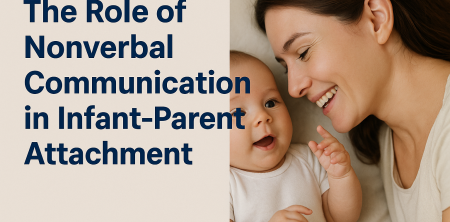
```html
Understanding Nonverbal Communication and Infant Attachment
When we think about communication, words often take the spotlight. However, nonverbal communication plays a critical role in how we connect, especially in the most formative relationships in our lives. In the context of nonverbal communication infant attachment, the subtleties of physical expression, eye contact, and even spatial dynamics can have profound implications for a child's emotional and social development.
The Foundation of Attachment Theory
Attachment theory, first developed by psychologist John Bowlby in the mid-20th century, posits that early relationships with caregivers, particularly parents, shape an individual's emotional and relational patterns throughout life. According to Bowlby, secure attachment is established when a caregiver provides consistent emotional support, safety, and responsiveness to an infant's needs.
From a psychological perspective, attachment styles can broadly be categorized into secure, anxious, avoidant, and disorganized. These styles are not just abstract concepts; they manifest in how infants interact nonverbally with their parents. For example, a securely attached infant who feels safe and nurtured will often seek proximity to their caregiver through physical touch or eye contact, while an avoidantly attached child may display more distant body language.
Nonverbal Signals: The Language of Infants
Babies are equipped with a nonverbal communication toolkit from birth. They use facial expressions, gestures, eye gaze, and body movements to express their needs and emotions. Research has shown that nonverbal cues are often more impactful than verbal ones in forging connections. For example, studies indicate that infants can recognize their mother's face within days of birth, demonstrating an innate capability for nonverbal recognition.
Moreover, studies emphasize the importance of mutual gaze. Eye contact allows infants to gauge their caregiver's emotional state, fostering a sense of security. Conversely, lack of eye contact can lead to feelings of neglect. Dr. Allan Schore, a leading expert in attachment and neurobiology, suggests that these early interactions shape the developing brain, influencing the child’s ability to regulate emotions and form relationships later in life.
The Role of Touch in Building Attachment
Touch is perhaps one of the most potent forms of nonverbal communication when it comes to infant attachment. The human touch triggers the release of oxytocin, often referred to as the "love hormone." This neurotransmitter is crucial in establishing trust and emotional bonds. Skin-to-skin contact, especially in the early days following birth, is essential for promoting attachment. Studies have shown that infants who experience skin-to-skin care are more likely to develop secure attachment styles and demonstrate improved emotional regulation.
Furthermore, simple acts like holding, cuddling, and gentle rocking communicate warmth and safety to infants. The importance of these physical interactions cannot be overstated; they send a message that the caregiver is responsive and attuned to the infant's needs. This kind of nurturing touch lays the groundwork for healthy emotional development.
Facial Expressions: The Window into Emotional States
Facial expressions are another key aspect of nonverbal communication infant attachment. Infants are keen observers of their caregivers' facial cues and use these signals to understand social contexts. For example, a smiling face can elicit smiles and coos from an infant, while a frown may lead to withdrawal or distress.
Research has shown that infants as young as three months can differentiate between happy and sad faces, indicating that they are responsive to emotional tones. This ability to read facial expressions is critical; it helps infants learn about social interactions, empathy, and emotional regulation. Parents who consistently present positive facial expressions foster a nurturing environment, reinforcing secure attachments.
Bridging the Gap: The Importance of Synchrony
Synchrony refers to the natural rhythm of interactions between an infant and their caregiver. This includes mirroring behaviors, matching emotional expressions, and responding in a timely manner to an infant's cues. When a mother smiles and the baby coos back or when a father raises his eyebrows in surprise, they create a harmonious exchange that strengthens their bond. (See: Attachment theory overview.)
Research has shown that synchrony can significantly impact attachment security. In fact, studies demonstrate that infants whose caregivers engage in synchronous interactions are more likely to develop secure attachments compared to those who experience less responsive interactions. This back-and-forth communication fosters trust and emotional connection, making the infant feel understood and valued.
The Impact of Cultural Context on Nonverbal Communication
Cultural factors also play a role in how nonverbal communication is interpreted and expressed. Different cultures have varying norms regarding physical touch, eye contact, and emotional expression. For instance, in some cultures, maintaining eye contact is viewed as a sign of respect, while in others, it may be considered disrespectful. Such differences can influence how attachment is formed and perceived.
Understanding the cultural context is crucial for parents and caregivers. By being sensitive to their cultural backgrounds and expectations, caregivers can adapt their nonverbal communication accordingly. This adaptability can enhance the emotional bond and support secure attachment, regardless of cultural differences.
Challenges in Nonverbal Communication
While nonverbal communication can be a powerful tool for fostering infant-parent attachment, challenges can arise. Parents who experience mental health issues, such as depression or anxiety, may struggle to engage in effective nonverbal communication. This can lead to misunderstandings and hinder the development of secure attachment.
Research indicates that maternal depression can significantly impact the quality of nonverbal interactions with infants. Mothers may display less eye contact, reduced smiling, and less physical affection, which can create an insecure environment for the infant. Addressing mental health concerns through therapy and support can help improve nonverbal communication and rebuild attachment.
Practical Insights for Caregivers
So, how can caregivers enhance their nonverbal communication to foster strong infant-parent attachment? Here are several practical tips:
- Be Present: Engaging fully with your infant, minimizing distractions, and being attuned to their needs can create a strong emotional connection.
- Use Positive Facial Expressions: Smile often and maintain eye contact, as these signals convey warmth and safety.
- Prioritize Touch: Skin-to-skin contact and gentle rocking can promote bonding and emotional security.
- Respond Promptly: Recognize and respond to your infant’s cues in a timely manner to establish a sense of trust.
- Practice Synchrony: Engage in back-and-forth interactions, such as imitating sounds or mimicking facial expressions, to strengthen your bond.
- Understand Cultural Nuances: Be aware of the cultural context and adjust your nonverbal communication accordingly.
The Current Relevance of Attachment Theory
The principles of attachment theory and the significance of nonverbal communication are more relevant than ever in today’s fast-paced society. As more parents return to work and family dynamics shift, understanding the role of nonverbal cues in building secure attachments becomes crucial.
Research continues to unveil the long-term impacts of infant-parent attachment on emotional well-being and social relationships. Studies indicate that children who develop secure attachments are more likely to form healthy relationships in adulthood. Therefore, prioritizing nonverbal communication in early interactions is not just about immediate bonding; it's about setting the stage for future emotional health.
Nonverbal Communication Across Developmental Stages
The importance of nonverbal communication doesn’t stop after infancy; it evolves as children grow. In early childhood, nonverbal cues continue to play a significant role in social interactions. As toddlers begin to verbalize their needs, they still rely heavily on gestures and expressions. For instance, a child might point to an object they want, combine it with a facial expression of excitement or frustration, or reach out for a parent’s hand when feeling shy or scared.
During these stages, parents should continue to pay attention to nonverbal signals. Establishing a common nonverbal language, such as a specific gesture for “thank you” or “help,” can enhance communication and reaffirm the emotional connection. Building a toolkit of nonverbal signs can also reduce frustration when verbal skills are still developing.
Interestingly, research indicates that children who have a strong foundation in nonverbal communication during early childhood tend to perform better socially in school settings. They are often more adept at making friends, resolving conflicts, and understanding social cues, which are critical skills for success in group dynamics.
Statistics on Attachment and Development
Understanding the statistics surrounding infant attachment and nonverbal communication can further illuminate their significance. According to research from the American Psychological Association, approximately 60-70% of infants develop a secure attachment to their primary caregivers, which positively correlates with emotional regulation and social competence later in life. (See: CDC on infant development.)
Conversely, infants who exhibit insecure attachment styles are at a higher risk for behavioral problems, anxiety, and difficulty in adult relationships. A study published in the journal "Child Development" found that children with insecure attachments are more likely to exhibit behavioral issues by age five, suggesting that early nonverbal cues and interactions have lasting implications.
Expert Perspectives on Nonverbal Communication and Attachment
Experts in the field of child psychology emphasize the importance of nonverbal communication in nurturing attachment. Dr. Mary Main, a leading attachment researcher, highlights that the quality of nonverbal interactions between caregivers and infants lays the groundwork for how children will engage with others throughout their lives. “The emotional availability of the caregiver can be measured through their nonverbal communication. This sets the stage for a child’s future relationships,” she explains.
Additionally, Dr. Edward Tronick's work on the "Still-Face Experiment" demonstrates the critical importance of responsive nonverbal communication. In this experiment, when a mother maintains a still face and does not respond to her infant's cues, the infant becomes visibly distressed, showcasing how vital it is for caregivers to engage nonverbally. The experiment underscores that nonverbal interactions foster not only attachment but also the infant's ability to regulate their emotional states.
Nonverbal Communication and the Role of Fathers
While much research has focused on mothers, the role of fathers in nonverbal communication and infant attachment is increasingly recognized. Studies show that fathers engage differently in nonverbal communication, often using playfulness and physical engagement to connect with their infants. This unique style can complement the nurturing approach often associated with mothers, providing a rounded emotional support system for the child.
Fathers who engage in frequent physical play, such as tickling or tossing their infant in the air (safely), communicate trust and security through their body language. A father’s playful touch can lead to laughter and joy, which are also significant components of secure attachment. This highlights the importance of both parents in developing a child’s emotional and social skills through nonverbal communication.
Frequently Asked Questions (FAQ)
What is nonverbal communication?
Nonverbal communication refers to the transmission of messages without the use of words. This includes facial expressions, gestures, posture, eye contact, and physical touch.
How does nonverbal communication impact infant attachment?
Nonverbal communication significantly impacts infant attachment by conveying emotional signals that help infants feel secure and understood. Responsive nonverbal cues, like eye contact and touch, foster a sense of trust and attachment between the caregiver and infant.
What are the signs of secure attachment in infants?
Signs of secure attachment in infants include seeking proximity to the caregiver, showing distress when the caregiver leaves, and being easily comforted upon their return. They often exhibit a mix of exploration and dependence, feeling safe to explore their environment with the caregiver present.
Can nonverbal communication be learned or improved?
Yes, nonverbal communication can be learned and improved. Caregivers can enhance their nonverbal skills by being more aware of their own body language, practicing positive facial expressions, and actively engaging in synchrony with their infants.
What role does culture play in nonverbal communication?
Cultural norms significantly influence nonverbal communication. Different cultures have varying expectations regarding eye contact, touch, and emotional expression, which can affect the way attachment is formed. Understanding these cultural contexts is crucial for effective caregiving.
How can parents improve their nonverbal communication with their infants?
Parents can improve nonverbal communication by being attuned to their infant’s cues, maintaining eye contact, smiling often, and using touch to convey warmth and safety. Engaging in playful interactions that foster synchrony can also enhance the emotional bond.
Nonverbal Communication and Its Effects on Later Relationships
The skills developed through nonverbal communication during infancy and early childhood extend far beyond the relationship with parents. As children grow and enter social environments such as daycare and school, they carry these communication skills with them. Research shows that children with strong nonverbal communication skills are often better at forming friendships and navigating social situations.
For instance, children who are adept at interpreting nonverbal cues can often read the emotional states of their peers, allowing them to respond more effectively in social interactions. They can identify when someone is happy or upset, which helps them to connect on a deeper emotional level. This skill is not only vital for making friends but also for resolving conflicts and empathizing with others, which are critical components of social-emotional learning.
Statistics on Long-Term Effects of Nonverbal Communication
The long-term impact of nonverbal communication in forming attachments cannot be underestimated. According to a longitudinal study by the University of Minnesota, children who received consistent nonverbal communication in their early years exhibited higher emotional intelligence scores in adolescence compared to their peers with less supportive backgrounds. This highlights the critical role that early interactions play in shaping a child’s ability to understand and navigate their emotional world.
Furthermore, a review conducted by the National Institute of Child Health and Human Development found that children with secure attachments were less likely to exhibit behavioral problems and had better academic outcomes. This evidence reinforces the importance of fostering strong nonverbal communication early in life.
Expert Recommendations for Enhancing Nonverbal Communication
Incorporating expert advice can further enhance nonverbal communication skills among caregivers. Many child psychologists recommend the following strategies:
- Model Positive Nonverbal Behaviors: Caregivers should consistently demonstrate positive nonverbal behaviors, such as open body language and responsive facial expressions, to teach children how to engage similarly.
- Create Interactive Play Opportunities: Engaging in play that requires turn-taking, such as board games or role-playing, fosters the ability to read nonverbal cues in a fun, relaxed environment.
- Encourage Expressive Arts: Activities like drawing, dancing, or acting can help children express their emotions nonverbally, enhancing their ability to communicate effectively.
Final Thoughts: The Lasting Impact of Early Communication
In the end, nonverbal communication is a subtle yet powerful force in shaping infant-parent attachment. By recognizing the importance of physical touch, facial expressions, and synchronized interactions, caregivers can forge deep emotional bonds that last a lifetime. These connections not only lay the groundwork for healthy relationships but also contribute to the child's overall development and well-being. The journey of understanding and enhancing nonverbal communication is one that pays dividends throughout life, influencing relationships, emotional stability, and overall quality of life for both the child and caregiver.
```
Trending Now
Frequently Asked Questions
What is the role of nonverbal communication in infant attachment?
Nonverbal communication is crucial in infant attachment as it includes physical expressions, eye contact, and gestures that convey emotions and needs. These nonverbal cues help infants connect with their caregivers, influencing their emotional and social development significantly.
How does attachment theory explain infant-parent relationships?
Attachment theory, developed by John Bowlby, suggests that early relationships with caregivers shape an individual's emotional patterns. Secure attachment is formed when caregivers respond consistently to an infant's needs, impacting their future relational dynamics.
What are the different types of attachment styles in infants?
Infant attachment styles can be categorized into secure, anxious, avoidant, and disorganized. Each style is reflected in nonverbal behaviors, such as proximity seeking in securely attached infants versus distant body language in avoidant infants.
How do babies communicate nonverbally?
Babies communicate nonverbally through facial expressions, gestures, eye gaze, and body movements. These cues are often more effective than verbal communication in expressing their needs and emotions, playing a vital role in their connection with caregivers.
Why is eye contact important for infant development?
Eye contact is essential for infant development as it fosters attachment and emotional bonding. Mutual gaze allows infants to engage with their caregivers, helping them gauge emotional responses and enhancing their social development.
Have you experienced this yourself? We'd love to hear your story in the comments.

