```html
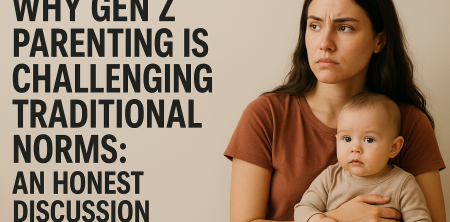
The landscape of parenting is evolving, especially in India, where a viral post by Prem Soni has sparked an intense conversation about the generational divide between parents and their children. The post, which gained traction on X (formerly Twitter), asserts that Gen Z is moving away from the glorification of struggle, a notion deeply rooted in traditional Indian parenting. This represents a shift that could have profound implications for family dynamics, societal expectations, and the emotional well-being of the younger generation.
The Heart of the Debate: Glorifying Struggle
At the core of Soni's argument is the idea that many parents have long encouraged their children to endure hardship as a rite of passage. This perspective, often seen as a way to instill resilience and grit, is increasingly under scrutiny. Soni's assertion challenges the outdated notion that struggling through adversity is the only path to success and fulfillment.
The Instagram and X posts surrounding this debate have ignited conversations across various platforms, drawing emotional responses from both sides. Supporters of Soni’s viewpoint argue that glorifying struggle can be detrimental, leading to mental health issues among young people who feel pressured to endure unnecessary hardships. In contrast, traditionalists believe that enduring struggles builds character and prepares children for the real world.
Understanding Gen Z: A New Perspective
Gen Z, those born between the mid-1990s and early 2010s, has grown up in a vastly different environment than previous generations. With the advent of technology, social media, and an emphasis on mental health, this cohort is redefining success and well-being. Unlike their parents, who may have faced economic challenges and relied on hard work to thrive, Gen Z often seeks balance and purpose in their lives.
This generational shift is emblematic of changing values and priorities. Where previous generations might have seen relentless diligence as the only way to achieve their dreams, Gen Z is advocating for a more nuanced approach—one that prioritizes mental health, emotional well-being, and quality of life alongside professional success.
Convenience Culture: A Double-Edged Sword
One key aspect of the ongoing discussion revolves around what some are calling "convenience culture." This term refers to the desire for easier, more efficient solutions in daily life, which has become increasingly prevalent among younger generations. While this cultural shift can lead to increased productivity and improved mental health, it also raises questions about the importance of resilience and hard work.
This desire for convenience has manifested in various ways, from the rise of online education to the popularity of mental health apps. Many young people are choosing paths that minimize traditional struggles, such as opting for remote work or flexible schooling options. Critics argue that this trend could foster a sense of entitlement and a lack of preparedness for future challenges.
The Role of Social Media in Shaping Perspectives
Social media plays a significant role in shaping Gen Z's worldview, including their attitudes towards parenting and struggle. Platforms like TikTok, Instagram, and X provide young people with a space to share their thoughts, experiences, and challenges. The viral nature of Soni's post is a prime example of how social media can amplify discussions around generational differences.
As Gen Z engages with content that promotes mental health awareness, self-care, and emotional intelligence, they are increasingly exposed to alternative narratives about success. This access to diverse perspectives can lead to a broader understanding of the complexities surrounding parenting and the societal pressures that accompany it. (India's mental health evolution)
Parents Respond: The Emotional Impact of Change
The reactions to Soni's post have been varied, often reflecting deep-seated emotions and beliefs. For many parents, the idea of moving away from traditional teachings feels threatening. They worry that without the struggle, their children may lack the resilience necessary to face life's challenges. This fear is palpable, as parents grapple with their own experiences of hardship and the lessons they learned along the way.
On the other hand, younger individuals have expressed relief and validation in Soni's message. Many feel that acknowledging their experiences and prioritizing their mental health is a step toward breaking the cycle of generational trauma. This emotional landscape is complex, as parents and children navigate their differing beliefs and values in a rapidly changing world.
Finding Common Ground: Parenting in a New Era
Despite the tension surrounding the debate, there is potential for common ground between generations. Both parents and children want what’s best for the family, albeit through different lenses. Open communication can be a key factor in bridging the divide; parents might explore their children's perspectives while sharing their wisdom about resilience and the importance of hard work. (See: Youth risk behavior survey data.)
For instance, parents can highlight the value of persistence without glorifying unnecessary suffering. Discussions about failure, success, and the lessons learned can provide a balanced approach that respects the values of both generations. By fostering an environment of understanding, parents can help their children develop resilience in a way that aligns with modern sensibilities.
Expert Perspectives: Psychological Insights on Parenting
To further enrich this discussion, it’s worthwhile to look at expert insights from psychologists and child development specialists. Dr. Priya Mehta, a clinical psychologist based in Mumbai, emphasizes that “it's essential to teach children healthy coping mechanisms without romanticizing struggle.” According to her, resilience can be developed through supportive environments rather than through exposure to hardship.
Dr. Mehta's perspective aligns with current psychological research, which indicates that children thrive in environments that promote emotional intelligence, self-efficacy, and problem-solving skills. Teaching kids how to approach challenges with a positive mindset can foster resilience without forcing them to endure unnecessary pain.
Strategies for Modern Parenting
As parents navigate this evolving landscape, it is crucial to adopt strategies that resonate with both their values and those of their children. Here are a few actionable approaches that can help:
- Encourage Open Dialogue: Create a safe space for conversations about feelings, challenges, and aspirations. Listening to your child’s perspective can strengthen your relationship and lead to better understanding.
- Model Resilience: Share your own experiences of overcoming obstacles, but highlight the emotional strategies you used rather than focusing solely on the struggle. This can provide context and guidance without romanticizing hardship.
- Teach Coping Skills: Equip your children with tools to manage stress and adversity. Activities such as mindfulness, journaling, or physical exercise can help them develop healthy coping mechanisms.
- Value Emotional Well-Being: Make mental health a priority in your family. Encourage your children to express their feelings and check in on their emotional state regularly.
- Balance Convenience with Challenge: While it’s important to embrace the benefits of convenience, introduce challenges that promote growth and learning. Engage your children in activities that push them out of their comfort zone while providing support.
The Future of Gen Z Parenting
As the dialogue surrounding Gen Z parenting continues to unfold, it’s essential to recognize that change is an opportunity for growth. By embracing new ideas and fostering understanding, parents can cultivate a nurturing environment that prepares their children for success in a complex world. Rather than adhering to rigid traditional norms, the focus can shift to flexible approaches that prioritize emotional intelligence and resilience.
Ultimately, the challenge lies in balancing the desire for convenience with the need for growth. As the cultural landscape evolves, both parents and children will benefit from open conversations and a willingness to adapt. The goal is not to eliminate struggle altogether but to redefine it in a way that honors the experiences of both generations.
A Final Reflection
The current conversations about Gen Z parenting are reflective of broader societal changes that extend far beyond individual families. They challenge us all to reconsider our values and the legacy we wish to leave behind. As we navigate this evolving landscape, it’s vital to remain open to learning from one another, recognizing that the journey of parenting is not a one-size-fits-all endeavor. By fostering a climate of understanding and empathy, we can create a future where both generations flourish together.
Exploring the Emotional Landscape of Gen Z
Gen Z is often described as the most anxious generation yet, with studies indicating that mental health challenges are on the rise among this group. According to a report by the American Psychological Association, over 90% of Gen Zers have reported experiencing some level of anxiety. This reality paints a stark picture of the emotional landscape many young people navigate today. Understanding these emotional challenges can help parents better support their children.
Parents need to recognize that the societal pressures faced by Gen Z are unique and multifaceted. The rise of social media has created an environment where young people constantly compare themselves to others, leading to feelings of inadequacy and low self-esteem. Additionally, the COVID-19 pandemic has further exacerbated these issues, with many young people facing isolation, disrupted education, and uncertainty about the future.
Statistics on Gen Z Mental Health
To highlight the mental health challenges faced by Gen Z, consider the following statistics:
- According to the World Health Organization, mental health issues are estimated to affect around 20% of adolescents worldwide.
- A survey conducted by the Pew Research Center found that 70% of Gen Z teens reported feeling overwhelmed by the pressure to succeed.
- Research from the National Institute of Mental Health reveals that suicide is the second leading cause of death among individuals aged 10 to 24.
- In a study by the American College Health Association, 41% of college students reported feeling so depressed that it was difficult to function.
These figures underline the urgency for parents to provide emotional support and create safe spaces for their children to express their feelings openly.
Common Misconceptions About Gen Z Parenting
As discussions about Gen Z parenting continue, several misconceptions may hinder understanding between generations. Here are a few common myths:
- Myth 1: Gen Z is Lazy: One of the most pervasive myths is that Gen Z lacks a work ethic. In reality, many Gen Zers are entrepreneurial and seek flexible work arrangements that align with their values.
- Myth 2: They Don’t Value Hard Work: While Gen Z may not glorify struggle, they value hard work that aligns with their passions and interests, prioritizing fulfillment over traditional notions of success.
- Myth 3: They Are Just Overly Sensitive: Gen Z is often labeled as overly sensitive. However, they are advocating for mental health awareness and emotional intelligence, crucial elements in today’s world.
Addressing these misconceptions is essential for fostering a more productive dialogue between parents and their Gen Z children. (See: How Gen Z is changing parenting.)
FAQs About Gen Z Parenting
Q1: How can I support my Gen Z child’s mental health?
A1: Open communication is key. Encourage your child to share their feelings and experiences, validate their emotions, and seek professional help if needed.
Q2: Should I still teach my child about resilience if they don’t believe in glorifying struggle?
A2: Absolutely. Teach resilience through positive experiences and learning opportunities rather than through hardship. Focus on problem-solving and coping skills.
Q3: How can I balance my traditional parenting values with my Gen Z child’s needs?
A3: Engage in open discussions about values and collaborate to find a balance that respects both perspectives. This fosters mutual understanding and respect.
Q4: What role does technology play in Gen Z parenting?
A4: Technology can be a double-edged sword. It can provide resources for mental health support and education but also exposes children to unrealistic standards. Monitor their tech use and encourage healthy habits.
Q5: How can I help my child navigate social media pressures?
A5: Discuss the impact of social media openly. Teach them about digital literacy, encourage them to curate their feeds positively, and remind them that online personas often don’t reflect reality.
The Shift in Parenting Styles
A significant aspect of Gen Z parenting is the evolving styles that parents are adopting. Unlike previous generations who often employed authoritative methods, many modern parents are embracing a more egalitarian approach. This shift involves recognizing children's voices as equally valuable and fostering collaboration rather than dictation.
For example, parents might involve their children in decision-making processes regarding their education or extracurricular activities. This not only empowers Gen Z kids but also teaches them accountability and the importance of making informed choices.
Balancing Screen Time and Real-Life Interaction
With technology being omnipresent in Gen Z’s life, one challenge parents face is managing screen time effectively. While it’s essential to leverage technology for educational purposes, it’s equally important to encourage real-life interactions and experiences. Studies indicate that excessive screen time can lead to issues like anxiety and social withdrawal.
Establishing tech-free zones during family meals or setting aside specific times for outdoor activities can foster stronger family bonds. Encouraging hobbies that don’t involve screens—like sports, creative arts, or volunteering—can provide a balanced lifestyle that promotes both mental and physical health.
The Importance of Empathy in Parenting
Empathy is a crucial element in nurturing relationships between parents and their Gen Z children. By understanding and validating their feelings, parents can create a supportive environment where their children feel safe to express themselves. Practicing active listening—where parents genuinely engage with their child's concerns—can significantly strengthen these bonds.
For instance, when a child expresses anxiety about school or friendships, rather than dismissing those feelings, parents can ask open-ended questions to delve deeper and provide reassurance. This not only helps in building trust but also fosters emotional intelligence in children.
Encouraging a Growth Mindset
An essential aspect of parenting in the context of Gen Z is instilling a growth mindset. This concept, popularized by psychologist Carol Dweck, emphasizes the belief that abilities and intelligence can be developed through dedication and hard work. Parents can encourage this mindset by praising efforts over results and framing challenges as opportunities for learning rather than as failures.
For example, if a child struggles with a math problem, instead of focusing solely on the grade they receive, parents can commend their persistence in trying to solve it. This approach helps build resilience and encourages children to embrace challenges in the future.
Conclusion: Embracing the Journey Together
As we explore the complexities of Gen Z parenting, it’s essential for parents to engage with their children in meaningful ways that foster understanding and connection. By acknowledging the challenges faced by Gen Z while also valuing resilience and growth, families can build stronger bonds that support emotional well-being and pave the way for a healthier future. The journey of parenting is ever-evolving, and by embracing this evolution, both parents and children can flourish in a dynamic, interconnected world.
```
Trending Now
Frequently Asked Questions
What are the main differences between Gen Z and previous generations in parenting?
Gen Z parenting diverges from previous generations by emphasizing mental health, balance, and purpose over the traditional glorification of struggle. Unlike older generations who valued resilience through hardship, Gen Z seeks to redefine success and well-being, focusing on emotional fulfillment rather than enduring adversity. See also Gen Z and micro certifications.
Why is the notion of glorifying struggle being challenged?
The idea of glorifying struggle is being challenged because it can lead to mental health issues among young people. Critics argue that enduring unnecessary hardships pressures children and contradicts the values of balance and well-being that Gen Z prioritizes.
How has social media influenced Gen Z's perspective on parenting?
Social media has significantly influenced Gen Z's perspective on parenting by providing platforms for sharing diverse viewpoints and fostering discussions on mental health. This exposure has led to a reevaluation of traditional parenting norms, encouraging a focus on emotional well-being and personal fulfillment.
What impact does Gen Z's parenting style have on family dynamics?
Gen Z's parenting style is reshaping family dynamics by promoting open communication and a collaborative approach to parenting. This shift encourages mutual understanding between parents and children, fostering healthier relationships and reducing the stigma around discussing mental health and emotional challenges.
What are the potential implications of changing parenting norms for society?
Changing parenting norms, particularly those advocated by Gen Z, could lead to a more empathetic and emotionally aware society. As these new values take root, we may see a decline in mental health issues and a shift towards prioritizing well-being and purpose over traditional success metrics.
Have you experienced this yourself? We'd love to hear your story in the comments.

