```html
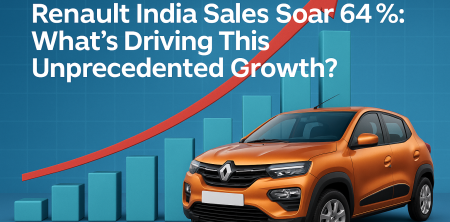
Renault India has made headlines recently with its astonishing 64% year-on-year sales increase in May 2026. The company reported sales of 4,113 passenger vehicles compared to just 2,502 in May 2025. This remarkable turnaround has sparked interest in the automotive world, with enthusiasts and investors keen to understand the reasons behind this sudden leap in Renault India sales. Let's dive deeper into this story and explore the factors contributing to Renault's unexpected success in a fiercely competitive market.
1. Understanding the Surge
The surge in Renault India sales is not just a stat; it represents a significant turnaround for a brand once perceived as struggling in the Indian automotive market. Over recent years, Renault faced stiff competition from both established players and new entrants, which led many analysts to question its viability. However, the company’s recent performance suggests a robust strategy and execution that has caught many by surprise.
This considerable growth in sales is noteworthy, especially considering it occurred in a market that has been challenging for many manufacturers. It raises the question: what has Renault done right? The answer lies in strategic planning, new product launches, and a keen understanding of consumer needs.
2. Key Factors Behind the Growth
One of the primary drivers of Renault India's remarkable sales increase is the launch of new models that cater specifically to the evolving preferences of Indian consumers. With a keen focus on affordability, efficiency, and modern features, Renault has managed to attract a broader audience. Their latest offerings, such as the updated Renault Kwid and the newly launched Renault Kiger, have received positive feedback for their performance and pricing strategy.
Additionally, Renault’s pricing adjustments have made a significant impact. By strategically positioning their vehicles within the mid-price segment, they have effectively appealed to first-time buyers and budget-conscious consumers. This pricing strategy is particularly critical in the Indian market, where consumers are increasingly discerning about value for money.
3. A Closer Look at the New Models
The Renault Kwid has been a game-changer for the company. Updated with modern aesthetics and technology, it continues to resonate with buyers looking for entry-level vehicles with an edge. Its compact design, fuel efficiency, and competitive pricing have made it a popular choice among urban dwellers. Meanwhile, the Kiger has brought a fresh appeal to the compact SUV segment, offering features typically found in higher-end models.
Moreover, the inclusion of advanced technologies such as touchscreen infotainment systems, rear parking sensors, and updated safety features has attracted tech-savvy buyers. This commitment to innovation is a critical component of Renault’s growth strategy and plays a vital role in enhancing customer satisfaction and brand loyalty.
4. Marketing Strategies Paying Off
Renault's marketing strategies have also evolved to better connect with Indian consumers. The brand has ramped up its digital marketing efforts, leveraging social media platforms and online advertising to reach a wider audience. Campaigns that resonate culturally and emotionally with consumers have proven effective in building brand affinity.
Furthermore, Renault has embraced a localized approach in its advertising, showcasing regional influences in its campaigns. This tactic not only promotes a sense of belonging but also helps in establishing a stronger connection with the target demographic, which is crucial for long-term brand loyalty.
5. The Role of Strategic Partnerships
Another aspect contributing to Renault India sales is the strengthening of partnerships within the automotive ecosystem. Collaborations with local dealerships and service centers have improved the overall customer experience. By enhancing service availability and accessibility, Renault has made it easier for customers to choose and maintain their vehicles. (See: Renault company overview.)
Additionally, partnerships with financial institutions for attractive financing schemes have further facilitated the purchasing process. By offering competitive interest rates and flexible payment plans, Renault has made it easier for potential buyers to invest in their products, thus boosting sales.
6. Consumer Engagement Initiatives
Engaging with consumers has become a focal point for Renault India, especially in a market where customer expectations are rapidly evolving. The brand has initiated several engagement programs, such as test drive events, community workshops, and feedback sessions to directly interact with potential buyers.
These initiatives not only allow Renault to address customer concerns and preferences but also enhance brand visibility. By creating a community around their vehicles, Renault fosters brand loyalty and encourages word-of-mouth, which is invaluable in the automotive industry.
7. Looking Ahead: Future Prospects
With May 2026's impressive sales figures, Renault is well-positioned to sustain its growth trajectory in the coming months. The brand's proactive approach in introducing new models while addressing consumer feedback will be critical in maintaining this momentum. Moreover, as the Indian automotive market continues to evolve, staying ahead with technology and sustainability will become increasingly important.
Investments in electric vehicles (EVs) and hybrid technologies may also play a pivotal role in shaping Renault's future strategy. As awareness around environmental concerns grows, consumers are leaning towards more sustainable options. Renault's readiness to adapt to these changes could further enhance its appeal in a competitive market. There's a fuller look at eco-friendly innovations.
8. Challenges on the Horizon
While the outlook appears promising, Renault India must remain vigilant against potential challenges. Market dynamics can shift rapidly, and competition remains fierce. Rivals are constantly innovating, and consumer preferences can change overnight. Adapting to these fluctuations while maintaining quality and affordability will be crucial for Renault's continued success.
Additionally, maintaining a strong supply chain amidst global uncertainties could pose a significant challenge. Ensuring consistent availability of vehicles while managing production costs will be vital for sustaining profitability. Renault will need to continuously evaluate its operations, making necessary adjustments to keep up with industry standards and consumer expectations.
9. Renault India's Competitive Edge
Renault India has been carving out its niche in an intensely competitive landscape, where brands like Maruti Suzuki and Hyundai dominate the market. A significant part of Renault's competitive edge comes from its unique positioning in the compact and subcompact segments. By focusing on producing vehicles that are both affordable and feature-rich, Renault has managed to capture the attention of a younger demographic seeking value without compromising on quality.
Statistics show that the Indian automobile market is expected to grow at a CAGR of 10.5% from 2021 to 2026, driven by increasing disposable incomes and urbanization. This growth presents an opportunity for Renault to expand its footprint and introduce new models that align with emerging consumer trends, such as electric and hybrid vehicles. As the market grows, Renault's ability to innovate and adapt will be crucial for its sustained success.
10. Expert Perspectives: Industry Insights
Industry experts are taking notice of Renault's strategic pivot. An automotive analyst remarked, "Renault's ability to read the market and introduce products that resonate with consumers is commendable. Their focus on technology and affordability is a winning combination in a price-sensitive market like India." Experts suggest that Renault should continue to harness data analytics to understand consumer behavior better, which can inform product development and marketing strategies.
Additionally, leveraging feedback from existing customers can help Renault refine its offerings and maintain a competitive edge. Listening to consumer voices and acting on insights can transform passive buyers into brand advocates, amplifying positive word-of-mouth marketing. (See: automotive industry insights.)
11. Frequently Asked Questions (FAQ)
Q1: What led to Renault India's recent sales surge?
A1: The surge is attributed to new model launches, strategic pricing, enhanced marketing efforts, and improved consumer engagement initiatives that resonate with Indian buyers.
Q2: How do Renault's new models compare to competitors?
A2: Renault's new models, such as the Kwid and Kiger, have been designed with modern aesthetics and technology that appeal to consumers looking for value. They offer competitive pricing while incorporating features that are often seen in more expensive vehicles.
Q3: Is Renault planning to expand its electric vehicle lineup in India?
A3: Yes, Renault has indicated a commitment to investing in electric vehicle technology as part of its strategy to meet growing consumer demand for sustainable options in the automotive market.
Q4: What challenges does Renault India face moving forward?
A4: Renault must navigate fierce competition, adapt to rapidly changing consumer preferences, and maintain a robust supply chain to ensure constant vehicle availability while managing production costs.
Q5: How can consumers engage with Renault India?
A5: Consumers can participate in Renault’s test drive events, community workshops, and feedback sessions, which allow for direct interaction with the brand and valuable input into vehicle development.
12. The Impact of Global Trends on Renault India Sales
Global automotive trends are also playing a vital role in shaping Renault India's strategic approach. The shift towards sustainability and electric vehicles is becoming increasingly significant. As consumers worldwide grow more environmentally conscious, leading manufacturers are prioritizing the development of EVs and hybrids. In line with this trend, Renault aims to introduce more electric models that cater to the Indian market. This strategic move can not only enhance Renault's reputation but also align it with global standards.
Increased competition from international brands entering the Indian market will also influence Renault's strategies. To remain competitive, Renault must innovate not just in product offerings but also in sustainability practices, customer service, and technology. For instance, investing in renewable energy sources for manufacturing or offering charging infrastructure can set Renault apart from its competitors.
13. Renault's Commitment to Sustainability
As part of its long-term strategy, Renault India is actively working toward sustainability, which resonates well with today's conscientious consumers. The automobile industry as a whole has seen a growing trend towards environmentally friendly practices, and Renault is no exception. The company is investing in electric and hybrid technologies, with plans to expand its electric vehicle lineup significantly.
Furthermore, Renault is also focusing on reducing its carbon footprint in manufacturing processes. This includes the use of sustainable materials in vehicle production and optimizing logistics to minimize emissions. By championing sustainable practices, Renault not only enhances its brand image but also aligns with global expectations and regulations surrounding environmental sustainability. (See: trends in the automotive industry.)
14. Local Manufacturing and Economic Impact
Renault's investment in local manufacturing has also played a crucial role in its sales performance. By producing vehicles closer to the consumer base, Renault can reduce costs related to importing vehicles, thus passing those savings onto the buyers. This has been particularly important in the price-sensitive Indian market.
Moreover, local manufacturing creates jobs and stimulates the economy. Renault has established numerous plants throughout India, which not only produces vehicles but also supports local suppliers and service providers. This localized approach not only boosts Renault’s image as a community-focused brand but also strengthens its supply chain resilience.
15. Customer-Centric Innovations
Renault India is focused on customer-centric innovations that enhance the overall ownership experience. For instance, the company has introduced connected car technology in some of its models that provide features like remote diagnostics and real-time vehicle tracking. Such innovations cater to tech-savvy consumers and add significant value to the ownership experience.
Additionally, Renault's commitment to after-sales service is also noteworthy. The company has invested in training its workforce to provide top-notch service, ensuring that customers feel supported long after their purchase. This focus on customer satisfaction has been instrumental in bolstering brand loyalty and encouraging repeat purchases.
16. Market Position and Future Outlook
Renault's current market position is significantly strengthened by its recent sales performance. With a growing lineup of models that appeal to diverse consumer needs, the brand is set to capture a larger share of the Indian automotive market. Analysts predict that Renault's future growth trajectory will be supported by the nation’s economic recovery and increasing consumer spending.
Looking ahead, Renault plans to enhance its product portfolio further by introducing more models tailored to the tastes and demands of Indian consumers. The focus will likely remain on compact SUVs and electric vehicles, areas where consumer interest continues to escalate. The active engagement with consumers, combined with ongoing product developments, positions Renault well for sustained growth in the coming years.
17. Conclusion: A New Dawn for Renault India
Renault India’s remarkable 64% sales increase in May 2026 signifies a new chapter for the brand in the Indian market. Through strategic model launches, effective pricing, and strong consumer engagement, Renault has turned its fortunes around, captivating a growing number of buyers. As the company navigates the rest of the year, its ability to maintain this positive trajectory will depend on its willingness to adapt to market changes while continuing to prioritize customer satisfaction. The automotive industry is ever-evolving, and Renault's journey in India is one to watch closely as they strive to cement their place in this competitive landscape.
```
Trending Now
Frequently Asked Questions
What factors contributed to Renault India's 64% sales increase?
Renault India's 64% sales increase can be attributed to strategic planning, new model launches like the updated Renault Kwid and Renault Kiger, and a focus on affordability and modern features that resonate with Indian consumers.
How did Renault India manage to turn around its sales performance?
Renault India turned around its sales performance through a robust strategy that included launching new models, adjusting pricing to appeal to a broader audience, and understanding consumer preferences in a competitive market.
What new models has Renault India launched recently?
Recently, Renault India launched updated versions of the Renault Kwid and the newly introduced Renault Kiger, both of which have been well-received for their performance, pricing, and features that meet consumer demands.
Is Renault India facing stiff competition in the market?
Yes, Renault India faces stiff competition from both established automotive players and new entrants in the Indian market. However, their recent sales growth suggests they are effectively navigating these challenges. We covered TikTok car reviews in more detail.
What is the significance of Renault India's sales growth?
The significance of Renault India's sales growth lies in its turnaround from a struggling brand to a competitive player, indicating effective strategies in product development, pricing, and understanding consumer needs in a challenging market.
What did we miss? Let us know in the comments and join the conversation.

