```html
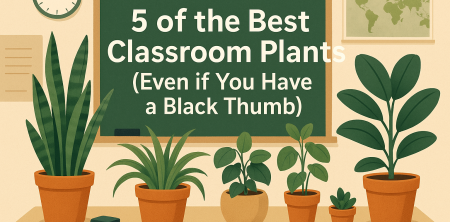
Creating an inviting classroom environment can be as simple as adding a bit of greenery. Plants not only enhance the aesthetic appeal of the space but also improve air quality and promote a calming atmosphere. However, not everyone has a green thumb, and that can be a concern when selecting classroom plants. If you believe you have a ‘black thumb’ and worry about keeping plants alive, fear not! Here are five of the best classroom plants that are hardy, low-maintenance, and perfect for any classroom setting.
1. Spider Plant: The Resilient Survivor
Spider plants (Chlorophytum comosum) are among the most forgiving and adaptable of classroom plants. They can thrive in various light conditions, from bright indirect sunlight to low light. This makes them ideal for classrooms where natural light might be limited.
One of the most compelling features of spider plants is their ability to purify the air. They are renowned for removing toxins such as formaldehyde and xylene, making the air healthier for students and educators alike. Spider plants also produce offshoots, often called “pups,” which can be propagated easily, turning your classroom into a small green haven over time.
2. Pothos: The Low-Light Wonder
Pothos (Epipremnum aureum), often referred to as devil’s ivy, is another fantastic choice for a classroom. Their trailing vines can be trained to climb or hang, providing a lovely aesthetic. What makes pothos particularly appealing is their ability to thrive in low-light conditions and with minimal water. In fact, they prefer to dry out between watering, so overwatering is rarely an issue.
This plant is famous for its air-purifying properties as well. Studies have shown that pothos can significantly reduce indoor pollutants, thus creating a healthier classroom environment. Plus, they’re non-toxic to pets, making them a safe choice for classrooms that might have furry visitors.
3. ZZ Plant: The Tough Guy
For those who might be completely new to plant care or are genuinely concerned about their ability to keep plants alive, the ZZ plant (Zamioculcas zamiifolia) is a perfect match. Known for its thick, waxy leaves, the ZZ plant is extraordinary in its drought resistance. The plant can survive for extended periods without water, thanks to its ability to store water in its rhizomes.
ZZ plants thrive in low to bright indirect light, making them versatile for various classroom setups. Their unique structural form can also serve as a conversation starter among students. Moreover, they are excellent air purifiers and can adapt well to fluctuating temperature conditions, making them a reliable addition to any classroom.
4. Snake Plant: The Air Quality Champion
Snake plants (Sansevieria trifasciata), often referred to as mother-in-law's tongue, are famed for their striking upright leaves and incredible tolerance for neglect. These plants can thrive on neglect and require minimal care, making them perfect for classrooms bustling with activity.
One of the standout features of snake plants is their ability to convert carbon dioxide into oxygen at night, making them unique among plants. This makes them particularly beneficial in environments like classrooms where students spend most of their day. Furthermore, snake plants are also known to filter out allergens and other harmful substances from the air, promoting a healthier classroom atmosphere.
5. Peace Lily: The Elegant Air Purifier
Peace lilies (Spathiphyllum spp.) are often chosen for their beautiful white blooms and glossy green leaves, offering a touch of elegance to any classroom. They prefer low to medium light and only need to be watered when the soil feels dry to the touch. This makes them relatively easy to care for, even if you’re not the most experienced plant caretaker. (See: health benefits of indoor plants.)
In addition to their aesthetic appeal, peace lilies are highly effective at purifying indoor air. They can remove toxins such as ammonia, benzene, and formaldehyde, contributing to a healthier classroom environment. One thing to remember is that while they are excellent air purifiers, peace lilies are mildly toxic if ingested, so they should be kept out of reach of younger students who might be tempted to investigate.
Understanding the Benefits of Classroom Plants
It's clear that the right classroom plants can significantly enhance the learning environment. Not only do these plants add a splash of color and natural beauty, but they also promote a sense of well-being and calm among students and teachers. Research has shown that greenery in classrooms can lead to improved concentration, increased creativity, and even better academic performance.
Furthermore, plants can serve as excellent educational tools. They provide a hands-on way to teach students about biology, the environment, and responsibility as they learn to care for their green companions. Incorporating classroom plants into your teaching can also foster a sense of community and teamwork as students work together to maintain the plants.
The Practicalities of Caring for Classroom Plants
When selecting classroom plants, it's essential to consider not just their aesthetic appeal but also their care requirements. For educators with limited time, choosing resilient plants that can withstand occasional neglect is key. Setting a watering schedule can help ensure that plants receive consistent care without overwhelming busy teachers and students.
It's also wise to involve students in caring for the plants. Assigning student roles can help foster a sense of ownership and responsibility. For example, a rotating schedule for watering and monitoring plant health can engage students while teaching valuable lessons about biology and ecology.
Creating the Ideal Classroom Environment
To create an optimal environment for your classroom plants, consider the placement of each plant. Understanding each plant's light and space needs is crucial. For example, while snake plants can tolerate low light, they will thrive with more indirect sunlight. Conversely, placing a pothos in a very bright spot can lead to leaf burn.
Furthermore, the type of pot you choose can impact the health of your plants. Ensure that pots have drainage holes to prevent overwatering and root rot. Utilizing decorative pots can also enhance the overall aesthetic of the classroom while providing practical advantages.
Expanding the Selection of Classroom Plants
While the five plants mentioned are excellent choices, there are numerous other classroom plants that can thrive in an educational environment. Expanding your selection can cater to diverse classroom needs and preferences.
6. Rubber Plant: The Bold Option
Rubber plants (Ficus elastica) are known for their large, glossy leaves and sturdy structure. They prefer bright, indirect light and can grow quite tall, making them a bold addition to any classroom. Rubber plants are also relatively easy to care for, as they only need watering every few weeks. Their air-purifying qualities can help reduce toxins in the classroom, and they can grow into impressive specimens over time, inspiring students with their size and resilience.
7. Dracaena: The Versatile Performer
Dracaena species, including Dracaena marginata and Dracaena fragrans, are among the most popular houseplants and work well in classrooms. They come in various sizes and colors, making them versatile for different decor themes. Dracaenas prefer moderate light and are drought-tolerant, which means they can survive with minimal care. These plants not only beautify the space but also help to clean the air, making them ideal companions for students and teachers alike. (See: indoor air quality and plants.)
8. Boston Fern: The Natural Humidifier
Boston ferns (Nephrolepis exaltata) are lush, feathery plants that thrive in humid environments. They prefer indirect light and do well when kept slightly moist. Boston ferns not only add visual interest with their cascading fronds but also help to maintain humidity levels in the classroom, which can be particularly beneficial in dry indoor conditions. Their presence can also teach students about the importance of humidity in plant care and health.
Statistics: The Impact of Plants on Learning
Research has shown that incorporating plants into educational environments can have significant positive effects. A study conducted by the University of Queensland found that workplaces with plants saw a 15% increase in productivity. While this study was not specific to classrooms, it suggests a similar impact could be expected in educational settings.
Another study by the Royal College of Agriculture highlighted that students in classrooms enriched with plants performed 10% better on tests than those in plant-free environments. This indicates that green spaces can enhance cognitive functioning and create a more conducive atmosphere for learning.
Expert Perspectives on Classroom Plants
Educators and plant experts agree on the importance of integrating plants into classrooms. According to Dr. Richard Grant, a professor of environmental science, "Plants serve as a visual reminder of our connection to nature, even in urban settings. They can significantly enhance emotional well-being and physical health, which is crucial for effective learning." His research supports the idea that a greener classroom can lead to happier, more engaged students.
Creating Classroom Biodiversity
Diversity among classroom plants can enhance the learning experience. Just like a diverse ecosystem in nature, a variety of plants can teach students about biodiversity and its importance. Each plant has unique care requirements, growth habits, and characteristics, providing an opportunity for interdisciplinary learning.
Consider having students research different plants, their native environments, and how they affect local ecosystems. This can lead to discussions about conservation, climate change, and the importance of maintaining healthy plant life both in classrooms and outside.
Exploring the Therapeutic Effects of Plants in the Classroom
Not only do plants improve air quality and aesthetics, but they also offer therapeutic benefits that can enhance the overall learning experience. Studies in environmental psychology suggest that exposure to greenery can reduce stress and anxiety, helping students feel more at ease in their learning environment.
For example, a study published in the Journal of Health Psychology found that interacting with plants can lower blood pressure and reduce feelings of fatigue. Imagine how incorporating plants in classrooms can create a sanctuary for students, where they feel more relaxed and ready to learn. By simply being in the presence of plants, students may experience a mood boost, which can lead to better focus and improved academic outcomes.
Tips for Introducing Classroom Plants
If you're considering introducing plants to your classroom, here are some practical tips to get started: (See: impact of plants in indoor environments.)
- Start Small: Select a few easy-care plants initially to gauge interest and ensure students can handle the responsibilities.
- Create a Care Calendar: Develop a shared calendar for watering and maintenance tasks, allowing students to sign up for specific responsibilities.
- Incorporate Lessons: Tie plant care into the curriculum by discussing photosynthesis, ecosystems, or environmental science.
- Encourage Student Input: Allow students to suggest which plants they'd like to have in the classroom and discuss why they might choose them.
FAQ: Common Questions about Classroom Plants
Q1: How often should classroom plants be watered?
A: The watering frequency can vary based on the type of plant and the classroom conditions. Generally, it’s best to check the soil moisture and water when it feels dry. Most of the hardy plants mentioned thrive on infrequent watering, anywhere from once a week to once every few weeks.
Q2: Are there any plants that are harmful to children?
A: Yes, some plants can be toxic if ingested. For instance, peace lilies are mildly toxic, and it’s essential to keep them out of reach from younger students. Always research plant safety and choose non-toxic options when possible.
Q3: What if I don’t have natural light in my classroom?
A: Many classroom plants can thrive in low-light conditions. Plants like ZZ plants and pothos are excellent choices for spaces with limited natural light. You can also use grow lights to supplement natural light if needed.
Q4: How can I involve students in plant care?
A: Assign responsibilities such as watering, checking for pests, and providing general maintenance. You can also create a plant journal where students can document growth or changes, turning plant care into a learning project.
Q5: What should I do if a plant starts to wilt?
A: Check the soil moisture first. If it's too dry, give it a good watering. If it's too wet, let it dry out and reduce watering frequency. Additionally, check for pests or disease signs, which could also affect plant health.
Conclusion: Bringing Life to the Classroom
Choosing the right classroom plants can profoundly impact not just the look of your learning space but also the overall atmosphere. Selecting hardy, low-maintenance options like spider plants, pothos, ZZ plants, snake plants, and peace lilies can ensure that even those with little to no gardening experience can successfully grow plants.
Incorporating these green companions into your classroom can spark curiosity, promote environmental awareness, and improve air quality while creating a welcoming atmosphere conducive to learning. So, whether you're an experienced gardener or someone who has struggled to keep plants alive, these five classroom plants can thrive even under the care of a so-called 'black thumb.'
```
Trending Now
Frequently Asked Questions
What are the best classroom plants for beginners?
Some of the best classroom plants for beginners include the spider plant, pothos, and ZZ plant. These plants are hardy, low-maintenance, and can thrive in various light conditions, making them perfect for those who may not have a green thumb.
Which plants are good for low light classrooms?
Pothos and spider plants are excellent choices for low light classrooms. Both can thrive in minimal natural light while also purifying the air, creating a healthier environment for students.
How do classroom plants improve air quality?
Classroom plants, such as spider plants and pothos, help improve air quality by removing toxins like formaldehyde and xylene. This can create a healthier atmosphere for both students and teachers.
What indoor plants are safe for classrooms with pets?
Pothos is a great indoor plant option for classrooms with pets, as it is non-toxic. This makes it a safe choice for environments where furry friends might visit.
Can you recommend low-maintenance plants for a classroom?
Absolutely! Spider plants, pothos, and ZZ plants are all low-maintenance options ideal for classrooms. They require minimal care and are resilient, making them perfect for busy educators.
See also best classroom plants.
What did we miss? Let us know in the comments and join the conversation.

