```html
Gift-giving is a beautiful tradition, but the environmental impact of wrapping paper often goes unnoticed. In the hustle and bustle of the holiday season or special occasions, it's easy to grab the standard shiny wrapping paper without considering its ecological footprint. According to a report by the American Forest & Paper Association, around 4.6 million tons of wrapping paper are discarded each year, most of which isn’t recyclable due to its additives. This staggering statistic makes it more important than ever to seek out eco-friendly wrapping paper alternatives that are both beautiful and sustainable.
Fortunately, there are numerous creative and practical options that allow you to wrap your gifts while staying mindful of the planet. From upcycled materials to natural fibers, the options are plentiful. Let’s explore nine of the best eco-friendly wrapping paper alternatives that will bring joy to your gifting without the guilt of harming the environment.
1. Brown Kraft Paper: A Simple Classic
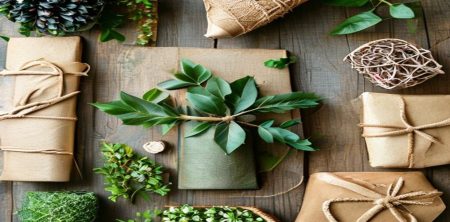
Brown kraft paper is one of the most versatile and eco-friendly wrapping paper alternatives available. Made from recycled content, it’s biodegradable and can be recycled again after use. Kraft paper is sturdy, making it an excellent option for wrapping anything from small trinkets to larger gifts.
One of the best features of brown kraft paper is its rustic aesthetic. You can enhance its look by using natural twine, dried flowers, or even hand-drawn designs. This makes your gift not only sustainable but also personalized. Plus, you can find kraft paper rolls in various sizes and thicknesses, making it convenient for any gifting occasion.
2. Fabric Wrapping: The Gift that Keeps on Giving
Switching to fabric wrapping is a wonderful way to embrace sustainability while adding a unique touch to your gifts. You can use old scarves, dish towels, or even fabric remnants from craft projects. Fabric is reusable, meaning that the recipient can repurpose it for their own gifting needs or crafts later on.
Furoshiki, a traditional Japanese method of wrapping gifts in fabric, is a beautiful way to present gifts. This technique allows for creativity in how you fold and tie the fabric, resulting in a stunning presentation that enhances the experience of receiving the gift. When you choose fabric, you’re also supporting a culture that values sustainability and mindfulness.
3. Newsprint: Creative and Recyclable
Using old newspapers as wrapping paper is not only eco-friendly but also makes for a conversation starter. Newsprint is biodegradable, often recyclable, and carries a charming vintage aesthetic. It’s perfect for casual gifts, and you can customize it even further by adding a splash of color.
Consider using colorful ink to stamp designs on the newspaper or even letting kids draw their own artwork on the paper before wrapping. This personal touch not only elevates the gift but also promotes creativity and resourcefulness, making it a win-win for both the giver and the receiver.
4. Seed Paper: Gifting with a Green Thumb
If you want to make your gift truly unforgettable, consider wrapping it in seed paper. This innovative alternative is made from biodegradable paper embedded with seeds. After unwrapping, the recipient can plant the paper, leading to new growth in their garden or home. It's a delightful way to ensure that your gift continues to give long after the wrapping is gone.
Seed paper comes in various forms, including sheets and cutouts for decorative elements. Available in multiple colors and textures, it can be used creatively to complement the theme of your gift. By choosing seed paper, you’re not only reducing waste but also encouraging more greenery in the world.
5. Brown Paper Bags: Upcycled and Unique
Next time you get a takeout order or shop at the grocery store, don’t throw away those brown paper bags. Instead, repurpose them into unique wrapping paper. Simply cut them open to create larger sheets and use them to wrap your gifts. They are typically made from recycled materials, so you’re giving a second life to something that would otherwise end up in the landfill. (See: Recycling basics and importance.)
Brown paper bags have a naturally rustic look that can be easily dressed up with stamps, washi tape, or ribbons. This method not only promotes sustainability but also showcases your creativity and commitment to zero waste.
6. Biodegradable Cellophane: A Transparent Touch
For those who prefer a transparent wrapping option, biodegradable cellophane is an excellent choice. Unlike traditional plastic cellophane, which is harmful to the environment, biodegradable versions break down naturally. They’re often made from regenerated cellulose, which comes from natural sources like wood or cotton.
This option is particularly appealing for showcasing the beauty of the item inside while still being environmentally responsible. Pair biodegradable cellophane with natural fibers or twine for a beautiful and sustainable presentation. Just be sure to check that the cellophane is indeed biodegradable, as some varieties may not be.
7. Upcycled Maps: A Journey Wrapped in Memories
If you have old road maps or atlases lying around, they can be quickly transformed into eye-catching wrapping paper. Not only does this approach shrink your eco-footprint, but it also provides a fun way to add a personal touch to your gifts. Maps can be perfect for gifts intended for adventure lovers or travel enthusiasts.
When wrapping with maps, consider using coordinating items, like a travel-themed gift tag or a small travel accessory, to complete the ensemble. This thoughtful approach to wrapping showcases your creativity while also repurposing materials that would otherwise be discarded.
8. Recycled Craft Paper: Accessible and Eco-Friendly
Recycled craft paper is made from post-consumer waste and is an excellent option for those looking for readily available and affordable eco-friendly wrapping paper alternatives. It comes in various colors and textures, providing flexibility for any gifting occasion. It's also biodegradable and recyclable, making it a practical choice for conscientious consumers.
You can easily decorate recycled craft paper with stamps, drawings, or even stickers to personalize your gifts. The adaptability of this material allows you to create unique designs, making every wrapped gift special.
9. Compostable Wrapping Paper: A Sustainable Solution
Some companies are now producing compostable wrapping paper, designed specifically to break down in composting systems. This material doesn’t contain toxic chemicals and can be added to your compost pile after use. Many brands offer beautiful designs that rival traditional wrapping paper while maintaining their eco-friendly credentials.
When selecting compostable wrapping paper, ensure that it’s certified as compostable by a recognized organization. This helps to guarantee that it will decompose effectively and won’t contribute to landfill waste. With this option, you can wrap your gifts beautifully and sustainably.
10. Brown Paper and Twine: A Minimalist Approach
For those who appreciate a minimalist aesthetic, the combination of simple brown paper and twine is a classic option. This pairing is not only chic but also eco-friendly. You can use plain brown paper, which can be easily recycled, and tie it with natural jute twine or hemp string. The simplicity of this approach allows the beauty of the gift to shine through, while still being environmentally conscious.
Why Choose Minimalist Wrapping?
Minimalist wrapping reduces waste and emphasizes the gift itself rather than the packaging. It’s an excellent way to promote mindfulness in gift-giving, encouraging people to focus on the meaning of the gift rather than the presentation. This approach can resonate particularly well with recipients who appreciate sustainability without compromising on style.
11. Plant-Based Wrapping Paper: An Innovative Alternative
New advancements in sustainability have led to the creation of plant-based wrapping papers made from materials like bamboo, sugarcane, or even hemp. These options are not only biodegradable but also often produced with a lower carbon footprint compared to traditional paper. Plant-based wrapping paper can come in a range of textures and colors, giving you plenty of choices for any occasion. For more on this, see eco-friendly wrapping options.
Examples of Plant-Based Papers
- Bamboo Paper: Known for its strength and durability, bamboo paper is a fantastic eco-friendly choice.
- Sugarcane Paper: Also known as bagasse paper, it's made from the byproducts of sugar production and is fully biodegradable.
- Hemp Paper: Made from the fibers of the hemp plant, this paper is not only sustainable but also incredibly durable.
12. Gift Baskets or Boxes: A Sustainable Packaging Alternative
Instead of traditional wrapping, consider using a decorative basket or box for your gifts. It adds a unique touch to your presentation and can be reused by the recipient for storage or future gifting. Look for baskets made from natural fibers or boxes made from recycled materials to keep with the eco-friendly theme. (See: Environmental impact of paper waste.)
Benefits of Gift Baskets/Boxes
Gift baskets and boxes offer a two-in-one solution: they serve as both packaging and a gift. They eliminate the need for additional wrapping materials, reducing waste. Additionally, they can be themed to complement the contents, such as a spa day basket filled with eco-friendly bath products.
13. The Impact of Your Choices
Making the switch to eco-friendly wrapping paper alternatives is not just about personal preference; it’s about broader environmental impact. Each year, tons of wrapping paper contribute to landfill waste, emitting greenhouse gases as they decompose. By choosing sustainable options, you're playing a part in reducing this impact.
Statistics on Waste
According to the National Recycling Coalition, about 30% of waste in landfills is comprised of paper products. By opting for alternatives that are recyclable or biodegradable, you help decrease this statistic. Furthermore, a study by the Ellen MacArthur Foundation showed that transitioning to a circular economy in the paper industry could save up to $250 billion by 2030.
14. Frequently Asked Questions (FAQ)
What are eco-friendly wrapping paper alternatives?
Eco-friendly wrapping paper alternatives are materials that can be used for wrapping gifts that are sustainable, biodegradable, recyclable, or made from recycled materials. They can include options such as brown kraft paper, fabric, seed paper, recycled newspapers, and more.
Are there any wrapping papers that can be recycled?
Many wrapping papers can be recycled, but it depends on the type of paper and any additional materials used. Brown kraft paper, recycled craft paper, and paper products without metallic finishes are generally recyclable. Always check local recycling guidelines to determine what can be accepted in your area.
How can I make my own wrapping paper?
You can make your own wrapping paper using various materials such as newspaper, brown paper bags, or even fabric remnants. You can decorate them with stamps, drawings, or natural elements like leaves to add a personal touch.
What are some ways to decorate eco-friendly wrapping paper?
Get creative with your eco-friendly wrapping paper by using natural twine, dried flowers, or homemade stamps. You can also use biodegradable glitter or shredded paper as filler to add some flair.
Why is it important to choose eco-friendly wrapping paper?
Choosing eco-friendly wrapping paper helps reduce waste, lowers your carbon footprint, and encourages sustainable practices. It can inspire others to think about their consumption habits and contribute to a more environmentally friendly culture.
Can I use regular gift bags instead of wrapping paper?
Yes, gift bags can be an eco-friendly alternative if they are made from recycled materials and can be reused multiple times. Just like wrapping paper, be mindful of the materials used and aim for sustainable options.
What are some additional eco-friendly practices I can adopt when gift-giving?
Beyond using eco-friendly wrapping paper alternatives, consider giving experiences instead of physical gifts, using secondhand items, or supporting local artisans and environmentally responsible brands. Additionally, you can opt for digital gift cards to reduce waste further. (See: Green building and sustainable practices.)
Is there a cost difference between traditional and eco-friendly wrapping paper?
While eco-friendly wrapping materials can sometimes be more expensive, many alternatives, like brown kraft paper or recycled newspapers, are often quite affordable. In the long run, the investment in sustainable practices can lead to cost savings through reduced waste and resource use.
As consumers become increasingly aware of their environmental impact, the demand for eco-friendly wrapping paper alternatives is on the rise. By choosing any of these options, you're not only making sustainable choices but also inspiring others to consider the environmental implications of their gifting practices. As the world moves toward greener living, every small step counts, and your thoughtful wrapping can make a significant difference.
The Future of Wrapping Paper
The trend of eco-friendly wrapping paper alternatives signifies a larger movement toward sustainability in consumer habits. Companies are becoming more conscientious about their packaging, and consumers are demanding products that align with their values of environmental responsibility. In the coming years, we might see even more innovative materials being introduced, designed to enhance sustainability while maintaining aesthetic appeal.
Brands are experimenting with materials such as recycled denim, which offers a unique texture and appearance, and mushroom-based packaging, presenting an entirely biodegradable solution. The evolution of these materials ensures that gift-giving can be both environmentally friendly and stylish.
Getting Involved: How You Can Make a Difference
You don't have to make huge changes to contribute positively to the environment. Start by educating friends and family about the benefits of eco-friendly wrapping paper alternatives. Host a wrapping party where everyone brings their own sustainable materials, and share creative ideas on how to wrap gifts beautifully without harming the planet.
Consider collaborating with local businesses that prioritize sustainability. By supporting local artisans who create eco-friendly gift wrap or hosting events that promote sustainable practices, you can help raise awareness and build a community focused on environmentally friendly living.
Wrap It Up: A Call to Action
As we reflect on the importance of our choices, remember that each gift wrapped in an eco-friendly alternative is a step toward a cleaner planet. Next time you prepare to give a gift, think beyond the conventional options and choose to embrace sustainability. Every small effort counts toward making a significant impact in reducing waste and promoting a healthier environment for future generations.
Whether it’s through brown kraft paper, fabric wraps, or innovative plant-based options, your wrapping choices can inspire others and contribute to a more sustainable future. Let’s redefine gift-giving together with compassion for the beautiful world around us.
```
Trending Now
Frequently Asked Questions
What are eco-friendly wrapping paper alternatives?
Eco-friendly wrapping paper alternatives include options like brown kraft paper, fabric wrapping, recycled newspaper, and upcycled materials. These alternatives are biodegradable, reusable, and often made from recycled content, helping to reduce waste and lessen environmental impact.
Why is traditional wrapping paper bad for the environment?
Traditional wrapping paper is often not recyclable due to additives like glitter and laminates. Each year, millions of tons of wrapping paper end up in landfills, contributing to pollution and deforestation, which makes eco-friendly alternatives a more sustainable choice.
How can I make my own wrapping paper?
You can create your own wrapping paper by using recycled materials like old newspapers, brown paper bags, or even fabric scraps. Decorate them with stamps, drawings, or natural elements like leaves to add a personal touch while being environmentally conscious.
What is fabric wrapping and how do I use it?
Fabric wrapping involves using materials like old scarves, dish towels, or fabric remnants to wrap gifts. It’s a sustainable option that allows for creativity and reuse, as the recipient can keep the fabric for future use or repurpose it.
Can I recycle eco-friendly wrapping paper?
Yes, many eco-friendly wrapping papers, like brown kraft paper, are recyclable. However, always check local recycling guidelines, as some materials may need to be composted or reused instead of being placed in recycling bins.
What's your take on this? Share your thoughts in the comments below — we read every one.

