```html
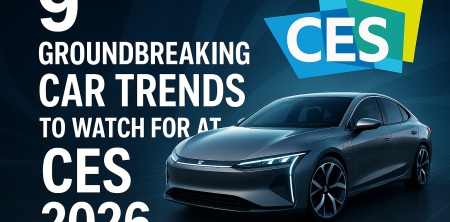
The automotive industry is on the brink of a major transformation, and CES 2026 is set to be a pivotal event showcasing this shift. As technology continues to evolve, the integration of advanced software into vehicles is becoming increasingly apparent. The phrase ‘computers on wheels’ has never been more relevant, and with Sony-Honda's return to the spotlight, we can expect some jaw-dropping innovations. Here’s a rundown of the top car trends at CES 2026 that you won’t want to miss.
1. Software-Defined Vehicles
At CES 2026, one of the most pronounced trends is the emergence of software-defined vehicles (SDVs). These vehicles prioritize software over traditional hardware, marking a significant shift in how we perceive automotive value. Instead of focusing solely on engine power and mechanical specifications, manufacturers are now emphasizing the importance of software updates and AI-driven features. This transition is driven by the need for enhanced connectivity and user experience.
The concept of SDVs suggests that a car's capabilities can be upgraded over time through software, much like your smartphone. This means that features such as performance tuning, safety enhancements, and entertainment options can evolve post-purchase, providing ongoing value to the consumer. This trend has garnered attention on social media, with tech enthusiasts sharing their excitement about the possibilities.
2. Enhanced AI Integration
Artificial Intelligence (AI) is no longer just a buzzword; it’s a fundamental component of the vehicles we’ll see at CES 2026. From personalized driving experiences to advanced safety features, AI is set to redefine how we interact with our cars. Expect to see vehicles equipped with AI systems that can learn from your driving habits, predict your preferences, and even self-optimize for performance and safety.
This year, the spotlight will be on AI’s role in enabling real-time data analysis, which can significantly enhance a vehicle's ability to adapt to different driving conditions. For instance, an AI-driven vehicle could automatically adjust its suspension settings based on road conditions or suggest alternative routes in response to traffic patterns. Such innovations could dramatically change the way we think about driving and vehicle ownership.
3. Cloud-Based Ecosystems
Cloud computing is set to revolutionize the automotive landscape, with many manufacturers adopting this technology to create connected car ecosystems. At CES 2026, expect to see vehicles that are fully integrated with cloud services, allowing for seamless updates and data sharing. This connectivity will enable features such as remote diagnostics, over-the-air updates, and personalized in-car experiences.
Moreover, cloud integration facilitates a level of interactivity that traditional vehicles simply cannot match. Imagine a car that not only learns from your individual preferences but also communicates with other vehicles and infrastructure systems to enhance safety and efficiency. This shift towards a cloud-based approach will redefine how vehicles operate, making them an integral part of the broader technological landscape.
4. Customizable Digital Experiences
As the automotive industry evolves, so does the demand for personalization in vehicles. CES 2026 will showcase cars that offer customizable digital experiences, allowing drivers to tailor their vehicles to fit their unique lifestyles. From interface themes to ambient lighting and sound settings, manufacturers are embracing the idea that a car should reflect its owner’s personality.
These customizable features will not only enhance the driving experience but also contribute to a sense of ownership that goes beyond the physical vehicle. As individuals share their unique configurations on social media, it can lead to a cultural shift where cars are seen more as personal devices rather than mere transportation. The trend speaks to a broader desire for personalization in technology, which is resonating strongly with consumers.
5. Next-Gen Connectivity
Connectivity is a major focus at CES 2026, with manufacturers racing to integrate the latest technologies into their vehicles. Expect to see advancements in Vehicle-to-Everything (V2X) communication, allowing cars to communicate with each other and their surroundings. This technology is anticipated to greatly enhance safety, reduce traffic congestion, and improve overall driving efficiency. (See: automotive trends at CES.)
V2X will enable real-time data sharing between vehicles and infrastructure, creating a more intelligent transportation system. For example, your car could receive alerts about upcoming road hazards or traffic delays from nearby vehicles, helping you make more informed driving decisions. As these technologies become more mainstream, they promise to reshape our daily driving experiences.
6. Focus on Sustainability
Sustainability is a key theme at CES 2026, reflecting the automotive industry’s growing commitment to environmental responsibility. Manufacturers are not just focusing on electric vehicles; they are also exploring new materials and manufacturing processes that minimize environmental impact. Expect to see innovations in battery technology, recycling methods, and alternative fuels that promote eco-friendly practices.
This trend is more than just a response to consumer demand; it’s a necessary evolution for an industry facing scrutiny over its carbon footprint. By prioritizing sustainability, manufacturers can not only comply with regulations but also attract environmentally conscious consumers who are keen to invest in greener technologies.
7. Safety Innovations
With advancements in technology come new possibilities for improving vehicle safety. CES 2026 will highlight cutting-edge safety innovations that leverage AI, machine learning, and real-time data analysis. Expect to see features that enhance collision avoidance, automatic emergency braking, and lane-keeping assistance, all designed to make driving safer for everyone on the road.
Moreover, the integration of AI will allow vehicles to continuously learn from driving conditions and accidents, making real-time adjustments to enhance safety. This proactive approach to safety is crucial in creating a culture of accountability among manufacturers, as consumers increasingly demand vehicles that prioritize their well-being.
8. Dynamic User Interfaces
The user interface is one of the most critical aspects of the modern driving experience, and CES 2026 is poised to unveil dynamic user interfaces that adapt to driver needs. By utilizing AI and real-time data, these interfaces can provide context-sensitive information and tools that enhance usability. Expect dashboards that respond to voice commands, touch gestures, and even facial recognition.
This level of interactivity not only increases convenience but also promotes safety, allowing drivers to access necessary information without distraction. As technology advances, the integration of augmented reality (AR) could also play a role in creating immersive driving experiences, with navigation and vehicle data overlaid onto the real-world view.
9. The Rise of Autonomous Features
Finally, no discussion of car trends at CES 2026 would be complete without mentioning the rise of autonomous features. While fully autonomous vehicles may still be on the horizon, many manufacturers are making strides in driver-assist technologies that enhance the autonomous driving experience. Expect to see advances in adaptive cruise control, automated parking, and traffic jam assistance.
The introduction of these features not only makes driving easier but also addresses consumer concerns about safety and convenience. As manufacturers continue to develop and refine autonomous technologies, we can anticipate a future where driving is less about navigating and more about enjoying the journey.
10. Vehicle Health Monitoring Systems
As technology evolves, so do the capabilities of vehicle health monitoring systems. At CES 2026, expect to see advanced diagnostic tools that go beyond simple alerts for maintenance. These systems will analyze data in real-time, predicting potential mechanical failures before they occur. For instance, through sensors and onboard diagnostics, your car could notify you of a need for tire rotation or an oil change well in advance, minimizing unexpected breakdowns.
This predictive maintenance capability can lead to significant savings over time and enhance the overall ownership experience. The integration of such systems into the cloud will mean that manufacturers can analyze data across their entire fleet, continually improving the reliability and performance of their vehicles.
11. Electric Vehicle Infrastructure
With the growing popularity of electric vehicles (EVs), an essential trend at CES 2026 will focus on the infrastructure supporting this shift. Charging solutions will be a hot topic, with manufacturers and tech companies presenting faster and more efficient charging technologies. Expect to see innovations that reduce charging times significantly, making EVs more convenient for everyday drivers. (See: software-defined vehicles.)
Alongside charging advancements, discussions will revolve around the integration of solar power and other renewable energy sources into charging stations. As cities and municipalities begin to adopt commitments to sustainability, the infrastructure supporting EVs will become increasingly important to ensure a smooth transition from traditional combustion engines to electric alternatives.
12. Consumer-Centric Mobility Solutions
The concept of mobility is evolving, with a shift towards consumer-centric solutions that prioritize user experience. At CES 2026, manufacturers will likely showcase on-demand mobility services, subscription-based ownership models, and even car-sharing platforms. The focus will be on providing consumers with flexible options that fit their lifestyles and needs.
For instance, imagine a subscription model where you can switch between different vehicle types depending on your plans for the week—an SUV for family trips and a compact car for city driving. These solutions reflect a growing trend where consumers are looking for convenience and adaptability in their automotive choices.
13. Technology in Car Interiors
The interior of vehicles is becoming a high-tech environment, and CES 2026 will highlight how manufacturers are transforming cabin spaces into advanced living areas. Features like retractable screens, enhanced infotainment systems, and even smart seating that adapts to passenger preferences will be on display. Expect to see examples of vehicles that can double as mobile offices or entertainment centers, promoting productivity or leisure on the go.
Additionally, advancements in sound systems and ambient noise cancellation technology will ensure that the driving experience is not only enjoyable but also serene. The integration of technology in car interiors represents a shift towards creating environments that enhance the passenger experience, making journeys more comfortable and engaging.
14. FAQs on Car Trends at CES 2026
Q: What are software-defined vehicles?
A: Software-defined vehicles (SDVs) are vehicles that rely heavily on software for their functionality instead of traditional hardware. This allows for features and capabilities to be updated and improved over time through software updates.
Q: Why is AI integration important in cars?
A: AI integration allows vehicles to learn from driver behaviors, optimize performance, and improve safety through real-time data analysis, enhancing the overall driving experience.
Q: How do cloud-based ecosystems benefit consumers?
A: Cloud-based ecosystems enable vehicles to receive updates, diagnostics, and personalized experiences, enhancing connectivity and overall functionality over time.
Q: What role does sustainability play in new car trends?
A: Sustainability is crucial as the automotive industry seeks to reduce its carbon footprint through electric vehicles, innovative materials, and eco-friendly manufacturing processes.
Q: What innovations can we expect in vehicle safety?
A: Innovations in vehicle safety include advanced collision avoidance systems, automatic emergency braking, and the integration of AI for real-time safety enhancements. (See: AI integration in vehicles.)
15. Future Innovations to Watch
As we look toward the future, there are several innovations expected to gain traction beyond CES 2026. One promising area is the development of Vehicle-to-Grid (V2G) technology, which allows electric vehicles to return electricity to the grid. This not only helps in balancing energy loads but also offers EV owners a way to generate revenue by storing and selling energy back during peak times.
Additionally, the potential for integrating blockchain technology into automotive applications is exciting. This could lead to more secure and transparent transactions for vehicle purchases, parts supply chain management, and even digital identity verification for drivers. As manufacturers strive to enhance security and trust in their platforms, blockchain could become a vital part of automotive technology.
16. Consumer Education and Acceptance
As these advanced technologies emerge, consumer education and acceptance will play a crucial role in their adoption. Many people are still unfamiliar with the capabilities and advantages of SDVs, AI integration, or connected ecosystems. Manufacturers will need to invest in outreach and education initiatives to ensure consumers understand the benefits and functionalities of these innovations.
Surveys indicate that while consumers are aware of electric vehicles and some automation, there is still a significant knowledge gap regarding features like V2X communication and advanced safety systems. Engaging consumers through interactive experiences, demonstrations, and educational content will be vital in driving acceptance and enthusiasm for these new trends.
17. Potential Challenges Ahead
As exciting as these trends are, several challenges may arise as the automotive industry navigates this transformative period. Cybersecurity will be a primary concern, with the increasing connectivity of vehicles making them more susceptible to hacking and data breaches. Manufacturers will need to prioritize security measures to protect user data and ensure the integrity of their systems.
Additionally, the rapid pace of technological change may create a divide between early adopters and those who are hesitant to embrace new technologies. This could lead to disparities in the automotive market, where some consumers fully engage with cutting-edge features while others cling to traditional vehicles. Striking a balance between innovation and accessibility is crucial for the industry.
As CES 2026 approaches, the excitement surrounding car trends is palpable. The focus on software, AI, and connectivity represents a monumental shift in the automotive industry, promising vehicles that are not just modes of transport, but also integrated, intelligent systems that enhance our daily lives. For tech enthusiasts and car lovers alike, this year’s showcase is sure to provide an electrifying glimpse into the future of transportation.
```
Trending Now
Frequently Asked Questions
What are software-defined vehicles?
Software-defined vehicles (SDVs) represent a shift in the automotive industry where software takes precedence over traditional hardware. This allows vehicles to receive updates and enhancements post-purchase, similar to smartphones, enabling improved performance, safety features, and entertainment options.
How is AI changing the automotive industry?
AI is fundamentally transforming the automotive industry by providing personalized driving experiences and advanced safety features. At CES 2026, we can expect vehicles equipped with AI that learns from driving habits, predicts preferences, and optimizes performance in real-time.
What trends to expect at CES 2026?
CES 2026 will showcase groundbreaking trends including software-defined vehicles, enhanced AI integration, and innovative connectivity solutions. These trends highlight the ongoing transformation of the automotive industry towards more intelligent and user-centric vehicles.
Why are software updates important for cars?
Software updates are crucial for modern vehicles because they allow manufacturers to enhance features, improve performance, and address safety concerns after the car has been purchased. This ongoing capability adds value and keeps the vehicle up-to-date with the latest technology.
What role will Sony-Honda play at CES 2026?
Sony-Honda is expected to make a significant impact at CES 2026 by showcasing innovative automotive technologies and concepts. Their presence highlights the growing importance of tech companies in the automotive space, particularly in the development of software and AI-driven vehicles.
Have you experienced this yourself? We'd love to hear your story in the comments.

