```html
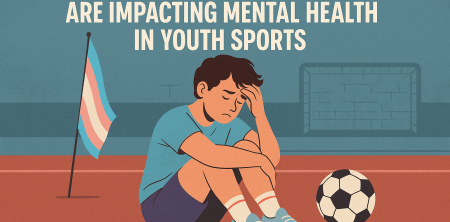
In the July 2026 issue of JAMA Pediatrics, a poignant and controversial discussion emerges surrounding the impact of mental health challenges on athletic performance, specifically focusing on the backlash against sports bans for transgender athletes. This emotionally charged topic has become increasingly relevant, as parents, athletes, and advocates alike search for answers about how these policies affect youth mental health. As conversations about inclusivity, sportsmanship, and fairness evolve, the insights from this issue are vital for understanding the broader implications of these policies.
The Current Landscape of Youth Sports and Transgender Athletes
Youth sports have historically served as a cornerstone for personal development, teaching lessons in teamwork, discipline, and resilience. However, recent legislation targeting transgender athletes has sparked widespread controversy, igniting passionate debates on both sides. As of mid-2026, numerous states have enacted laws restricting transgender participation in sports, claiming a need for fair competition. Proponents argue that these bans protect the integrity of women’s sports, while opponents highlight the detrimental impact on the mental health of transgender youth, who face increased isolation, anxiety, and depression when excluded from athletic opportunities.
The Emotional Toll of Exclusion
The article in JAMA Pediatrics July 2026 presents alarming statistics that underscore the mental health crisis among transgender youth. Research shows that transgender individuals are at a significantly higher risk of experiencing anxiety and depression compared to their cisgender counterparts. In fact, studies have indicated that youth who are banned from participating in sports report a staggering 35% increase in depressive symptoms. Furthermore, the stigma associated with exclusion can exacerbate feelings of isolation and worthlessness, leading to a cycle of mental health challenges.
More than just numbers, these statistics represent real lives and stories. Take the example of a 15-year-old athlete who had been competing in track and field. After a state law barred transgender athletes, this young person faced the disheartening reality of not only losing a place on the team but also being cut off from a support network that had provided camaraderie and confidence. Such experiences can lead to a profound identity crisis, challenging self-esteem and overall mental well-being. See also childhood anxiety insights.
The Backlash Against Sports Bans
The backlash against the bans has been vociferous, with advocacy groups mobilizing to protect the rights of transgender athletes. Organizations like the Human Rights Campaign and Athlete Ally have taken a stand, calling for inclusivity and respect for all athletes, regardless of gender identity. Their campaigns often highlight the psychological implications of exclusionary policies, emphasizing that mental health should not be sacrificed on the altar of competitive fairness.
This movement has gained momentum, especially as parents and allies rally around the cause, advocating for youth sports to be a safe haven for all. Social media platforms have become battlegrounds where emotions run high, and discussions about inclusivity versus fairness unfold in real time. Engaging stories and personal testimonies have gone viral, amplifying the voices of those who feel marginalized by these legislative changes.
The Intersection of Policy and Mental Health
As policies evolve, the intersection of sports and mental health remains a critical area of concern. The JAMA Pediatrics July 2026 issue argues that the focus should not solely be on competitive outcomes but rather on the holistic development of young athletes. Mental health professionals emphasize that participation in sports fosters resilience, self-esteem, and social connections, which are particularly vital during adolescence.
Notably, studies have shown that participation in sports can lead to reduced rates of anxiety and depression. When policies exclude specific demographics from these opportunities, the repercussions can be devastating. In response to these alarming trends, mental health advocates are calling for comprehensive mental health education and support systems within youth sports programs.
Voices from the Community
To illustrate the real-world impact of these issues, it's essential to hear from those within the community. Transgender athletes, parents, and coaches share their experiences, revealing the profound emotional toll that exclusion can take. One parent shared that their child, once passionate about swimming, now grapples with feelings of depression after being barred from competing, feeling as though their identity is invalidated.
Coaches, too, are caught in the crossfire. Many express frustration over the limitations imposed by legislation, lamenting how such restrictions undermine the very spirit of sportsmanship and teamwork. They argue that fostering inclusivity strengthens teams, allowing athletes to learn from one another while celebrating their unique identities.
Advocacy and Awareness
Awareness campaigns have been essential in the fight for inclusivity in youth sports. The JAMA Pediatrics July 2026 issue emphasizes the role of education in dismantling harmful stereotypes and fostering understanding among youth athletes and their families. Workshops, seminars, and training sessions led by mental health professionals aim to bridge the gap between policy and practice, encouraging open conversations about gender identity and the importance of support.
Moreover, allies from various backgrounds have joined forces with transgender advocates, amplifying their voices and advocating for equitable policies. The collaboration of parents, educators, and athletes provides a multi-faceted approach to tackling these challenges, ensuring that the conversation continues even amid legislative pushback. (See: CDC on youth mental health.)
The Role of Mental Health Professionals
Mental health professionals have a critical role in addressing the issues raised by the bans on transgender athletes. They emphasize the importance of creating supportive environments where all athletes feel valued and accepted. The insights shared in the JAMA Pediatrics July 2026 issue illustrate the urgent need for training health professionals to better understand the unique challenges faced by transgender youth.
In addition to therapy and counseling, mental health professionals advocate for the implementation of inclusive practices within sports organizations. They encourage educators and coaches to prioritize mental well-being alongside physical performance, recognizing that one cannot thrive without the other.
Future Implications for Youth Sports
The ongoing debate regarding sports bans for transgender athletes raises critical questions about the future of youth sports. As the conversation evolves, it's crucial to consider the long-term implications of these policies on mental health, inclusivity, and the development of young athletes. In an increasingly polarized climate, finding common ground may seem impossible, but it is essential for the prosperity of youth sports.
Key stakeholders — including policymakers, sports organizations, and mental health advocates — must come together to create frameworks that prioritize both inclusivity and competitive fairness. By addressing the psychological impacts of exclusion, we can work towards a more equitable landscape for all young athletes.
Call to Action: Changing the Narrative
As the July 2026 issue of JAMA Pediatrics highlights, the narrative surrounding transgender athletes and sports bans must shift towards understanding and empathy. It is time for parents, coaches, and athletes to advocate for inclusive practices that embrace diversity rather than fear it. Education and awareness are paramount; communities must actively engage in dialogues that elevate the voices of marginalized athletes.
Involvement in sports should not come at the expense of mental well-being. Rather, fostering inclusive environments can lead to healthier, more resilient athletes who thrive both on and off the field. By prioritizing mental health alongside competitive integrity, we can pave the way for a future where every athlete is valued and celebrated.
Ultimately, the conversation surrounding the JAMA Pediatrics July 2026 issue is only the beginning. As we continue to explore the implications of sports bans on mental health, let’s remember the young athletes whose future depends on our willingness to advocate for change. Together, we can make a difference. For more on this, see impact of violence on kids.
Impact on Athletic Communities
The repercussions of exclusionary policies extend beyond individual athletes; they ripple through entire athletic communities. Teams that once thrived on diversity and collaboration may find themselves fractured. The sense of camaraderie that comes from sharing a love for a sport can diminish when key members are sidelined due to policies they cannot control. Athletic communities must confront their roles in fostering environments of acceptance that celebrate differences rather than enforce arbitrary barriers.
A case study involving a local soccer league illustrates this dynamic. When a number of transgender players were banned from participating, not only did the players feel disheartened, but their teammates also expressed confusion and frustration. Many voiced that they did not understand how their friends could be excluded based on factors outside their control. This led to youth-led initiatives within the league that aimed to promote awareness and inclusivity, demonstrating that young people often hold the keys to social change.
Legislative Trends and Predictions
As of mid-2026, legislative trends show a mixed bag of outcomes regarding sports participation for transgender athletes. Some states have moved towards more inclusive policies, creating pathways for all athletes to compete regardless of gender identity. In contrast, other regions have enacted stricter bans, further polarizing the conversation. The JAMA Pediatrics July 2026 issue provides insights into these legislative shifts and their implications for the future.
Experts predict that as the conversation evolves, we may see a rise in legal challenges against discriminatory policies. Young athletes, empowered by advocacy groups, are increasingly willing to stand up for their rights. This shift could lead to landmark cases that redefine the legal landscape of youth sports, making inclusivity not just a social expectation but a legal requirement.
Statistical Insights from Recent Studies
In addition to qualitative narratives, quantitative research sheds light on the impact of sports bans on mental health. A study published in early 2026 found that transgender youth who participated in inclusive sports programs reported a 50% lower incidence of depression and anxiety compared to their peers in exclusionary environments. The findings reinforce the idea that belonging and participation in athletics can act as a protective factor against mental health issues.
Furthermore, surveys conducted among young athletes revealed that a significant 78% believe that inclusivity in sports enhances team dynamics and overall performance. This statistic challenges the narrative that exclusion is necessary for fairness, showing that young athletes value diversity and acceptance.
Expert Perspectives on Mental Health and Inclusion
Experts in the fields of psychology and sports medicine are increasingly vocal about the need for inclusive practices. Dr. Emily Harper, a leading psychologist specializing in youth mental health, notes that “the psychological benefits of participation in sports cannot be overstated. For many young people, the field is a place of refuge and self-expression. Exclusionary policies strip them of that crucial outlet.” (See: NIH study on transgender youth.)
Additionally, Dr. Alan Meyer, a sports medicine specialist, emphasizes that “the health of young athletes is intrinsically linked to their emotional well-being. When they are allowed to participate fully, the benefits are evident not just in their mental health but also in their physical performance.”
Comparative Analysis: Other Countries’ Policies
Looking beyond the United States, it's worth examining how other countries handle the inclusion of transgender athletes in youth sports. For instance, Canada has implemented progressive policies that support transgender participation across various sports disciplines. Their approach emphasizes creating inclusive environments while maintaining competitive fairness. Research from Canadian youth sports organizations shows a marked decrease in mental health issues among transgender athletes participating in inclusive programs.
Conversely, some European countries have taken a more cautious approach, leading to organized protests from athletes and advocates alike. The varying responses highlight the global nature of this issue and the importance of learning from one another's successes and challenges.
FAQs about Transgender Athletes and Mental Health
What are the main mental health challenges faced by transgender athletes?
Transgender athletes often face challenges such as higher rates of anxiety, depression, and social isolation due to societal stigma and exclusion from sports. These challenges can be exacerbated by policies that bar their participation in sports.
How can sports organizations become more inclusive for transgender athletes?
Sports organizations can adopt inclusive policies that allow for the participation of transgender athletes, provide training for coaches on gender identity issues, and ensure that all athletes feel safe and valued regardless of their gender identity.
What role do parents play in supporting transgender athletes?
Parents can be crucial advocates for their transgender children, encouraging their participation in sports and supporting their emotional well-being. By educating themselves and their communities, they can help dismantle stigma and promote inclusivity. (support for anxious students)
Are there any success stories of transgender athletes thriving in inclusive environments?
Yes, there are numerous success stories where transgender athletes have thrived in inclusive sports programs. These athletes often report higher self-esteem, improved mental health, and a sense of belonging when they are permitted to compete in a supportive environment.
What is the future of youth sports for transgender athletes?
The future of youth sports for transgender athletes is uncertain but hopeful. As advocacy efforts continue and more voices join the conversation, there is potential for more inclusive and supportive environments. Legal challenges may also pave the way for transformative changes in policies.
Expanding the Conversation: Addressing Broader Issues of Inclusivity
While the focus has understandably been on transgender athletes, it's vital to expand the conversation to include other marginalized groups within youth sports. Athletes with disabilities, those from different socio-economic backgrounds, and individuals of varying ethnicities also face unique challenges that can affect their mental health and participation in sports. Programs that prioritize inclusivity across these axes can help create a more supportive athletic landscape.
For instance, adaptive sports programs have made strides in including athletes with disabilities, showcasing that a more inclusive approach leads to increased participation and acceptance. By celebrating diversity in all its forms, youth sports can foster a more supportive atmosphere for everyone involved, encouraging broader participation and engagement.
Community Initiatives: Leading by Example
Many local organizations and communities are taking proactive steps to ensure inclusivity in youth sports. Initiatives like "Play With Pride" and "Inclusive Sports Alliance" focus on creating safe spaces for LGBTQ+ youth and their allies to engage in athletic activities without fear of discrimination. These grassroots movements have not only provided physical activity opportunities but also cultivated support networks that promote mental health and community well-being.
One notable example is a youth baseball league that has implemented anti-discrimination policies and training sessions for coaches and players. As a result, they have seen an increase in participation from transgender youth and have also reported higher levels of camaraderie and team spirit among players. This illustrates how local actions can create ripple effects that lead to broader societal changes in attitude and acceptance.
Understanding the Role of Parental Involvement
Parental involvement plays an integral role in shaping the experiences of transgender athletes in sports. Supportive parents can be instrumental in navigating the often complex landscape of youth sports, advocating for their children's rights, and ensuring that they have access to inclusive environments. A study conducted by the American Academy of Pediatrics highlighted that children with supportive parents are more likely to engage in sports positively and experience better mental health outcomes.
On the flip side, parents who hold negative views about their child's gender identity can inadvertently contribute to feelings of isolation and depression. This emphasizes the importance of education for parents, helping them understand the significance of acceptance in their child's athletic journey. By fostering an environment of support and encouragement, parents can significantly mitigate the mental health challenges often faced by transgender youth in sports.
The Importance of Allyship in Sports
Allyship is a critical component in championing the rights of transgender athletes. Coaches, teammates, and community members can wield significant influence by standing in solidarity with transgender individuals. Advocating for inclusive policies and practices benefits not only the athletes directly affected but also enriches the broader community by promoting diversity and mutual respect.
Examples of successful allyship abound in sports. Many professional athletes have publicly supported transgender rights, using their platforms to foster inclusivity and challenge discriminatory practices. These endorsements can inspire young athletes to embrace their identities and advocate for themselves, creating a culture of acceptance and support that transcends individual teams.
Looking Ahead: Strategies for Change
To drive meaningful change, stakeholders within the youth sports community must engage in ongoing education and dialogue about the importance of inclusivity. Training programs for coaches and administrators should include modules on gender identity, mental health, and the social implications of exclusion. By equipping those in positions of power with the knowledge necessary to foster supportive environments, we can create spaces where all athletes can thrive regardless of their gender identity.
Furthermore, collaboration between advocacy groups and sports organizations can lead to the development of best practices for inclusion. This partnership can yield resources that guide institutions in forming policies that genuinely consider the well-being of all athletes. With the right strategies in place, youth sports can become a beacon of acceptance and support for future generations. We covered mental health awareness resources in more detail.
Concluding Thoughts: The Power of Community in Youth Sports
The insights derived from the JAMA Pediatrics July 2026 issue reveal a pressing need for systemic change within youth sports. As we reflect on the ongoing conversations around inclusivity and mental health, it’s essential to recognize the collective responsibility of all stakeholders to advocate for a more equitable playing field. Communities, parents, and athletes themselves must work together to ensure that no young person is left behind.
By fostering understanding, promoting inclusivity, and prioritizing mental health, we can create an environment where every athlete feels valued, supported, and empowered to reach their full potential. The journey ahead may be challenging, but with determination, empathy, and collaboration, we can reshape the future of youth sports for the better.
```
Trending Now
Frequently Asked Questions
How do bans on transgender athletes affect their mental health?
Bans on transgender athletes significantly impact their mental health by increasing feelings of isolation, anxiety, and depression. Studies indicate that youth excluded from sports due to these bans report a 35% rise in depressive symptoms, highlighting the emotional toll of exclusion and stigma associated with their participation.
What are the arguments for and against bans on transgender athletes?
Proponents of bans argue they protect the integrity of women's sports by ensuring fair competition. In contrast, opponents emphasize the negative mental health consequences for transgender youth, advocating for inclusivity and the importance of athletic participation in personal development.
What statistics highlight the mental health crisis among transgender youth?
Research shows that transgender individuals experience higher rates of anxiety and depression compared to cisgender peers. The article notes alarming statistics, including a 35% increase in depressive symptoms among youth barred from sports, underscoring the urgent need for supportive policies.
Why are youth sports important for personal development?
Youth sports are crucial for personal development as they teach valuable life skills such as teamwork, discipline, and resilience. Participation in sports fosters social connections and boosts self-esteem, which is especially important for youth facing mental health challenges.
What steps can be taken to support transgender youth in sports?
To support transgender youth in sports, advocates suggest implementing inclusive policies that allow participation without discrimination. Creating supportive environments within teams and educating coaches and athletes about gender diversity can also help mitigate the mental health impacts of exclusion.
What's your take on this? Share your thoughts in the comments below — we read every one.

