```html
The trend of biblical eating has surged into public consciousness, captivating attention and sparking debates across social media platforms. This diet, which focuses on consuming foods explicitly mentioned in the Bible while avoiding modern additives, has found a surprising audience. As searches for this diet increase on Google, nutritionists are stepping up, expressing their concerns and skepticism.
The Basics of Biblical Eating
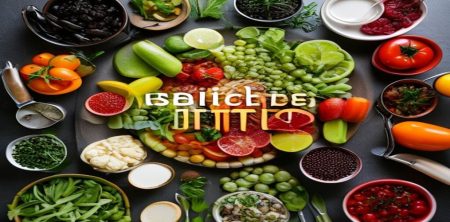
At its core, biblical eating revolves around a diet based on foods listed in the scriptures. Items like olive oil, honey, and various fruits and grains are staples, while processed foods and additives—like canola oil—are largely excluded. What’s intriguing is that olive oil is referenced a staggering 190 times in the Bible; it’s clear that this ancient text has a lot to say about what constitutes a healthy diet.
Supporters assert that biblical eating aligns not just with nutritional principles, but also with faith and spirituality. Many followers cite the health benefits of eating whole, unprocessed foods, drawing parallels between their spiritual journey and their dietary choices. The trend seems to resonate particularly with those seeking a sense of grounding in a fast-paced, modern world, offering a tangible way to connect with their faith.
A Modern Trend with Ancient Roots
While the origins of biblical eating stem from ancient practices, its recent popularity is noteworthy. In a society increasingly dominated by convenience foods and fast-paced lifestyles, many are looking back to simpler times. Advocates argue that the nutritional principles found in the Bible are not just spiritually enriching but also physically beneficial. This desire to return to 'roots'—both culinary and spiritual—has led to a growing community that shares meal plans, recipes, and personal testimonials about their experiences with this diet.
Social media platforms, especially Instagram and Facebook, have become hotbeds for this movement. Users share mouthwatering photos of their meals, often showcasing vibrant fruits, vegetables, and wholesome grains that align with biblical teachings. Hashtags like #BiblicalEating and #FaithfulEating have gained traction, inviting even more individuals to explore what this dietary approach has to offer. Yet, as this trend grows, it raises questions about the validity and practicality of such an approach.
The Nutritional Debate: Experts Weigh In
Nutritionists have been vocal about their concerns regarding the biblical eating trend. Many point out that while the emphasis on whole foods is commendable, the exclusion of entire food groups can lead to nutritional deficiencies. For instance, avoiding certain oils or grains can deprive the body of essential fatty acids and vitamins, which are vital for overall health.
Dr. Lisa Young, a nutritionist and author, emphasizes the importance of balance. “Whole, unprocessed foods are great, but eliminating food categories based solely on scripture can be problematic. We need to consider the full spectrum of nutrition,” she explains. This perspective mirrors the opinions of many health professionals who advocate for a holistic approach to diet, one that allows for both ancient wisdom and modern nutritional science to coexist.
The Allure of Going Back to Basics
Why does the concept of biblical eating resonate with so many? It seems to tap into a larger cultural phenomenon—an appetite for authenticity in an age of artificiality. Many individuals are disillusioned with the processed food industry, which often prioritizes profit over health. Biblical eating offers a refreshing alternative, framed as a return to purity and simplicity.
Moreover, this trend brings with it a sense of community. Followers of biblical eating often create tight-knit groups, sharing recipes, meal plans, and experiences. This social aspect helps reinforce the diet's allure, making it feel less like a solitary endeavor and more like a collective pilgrimage. Indeed, social media plays a significant role in fostering this community, allowing individuals to connect with others who share similar beliefs and dietary preferences.
Recipes and Meal Plans: A New Way to Connect with Faith
As the trend of biblical eating continues to grow, many individuals are seeking out recipes that align with this dietary philosophy. From hearty lentil stews to vibrant salads featuring figs and olives, the choices are diverse and flavorful. These meals are not only nourishing; they also carry spiritual significance, inviting practitioners to reflect on the biblical stories associated with the ingredients.
For example, a simple dish of roasted vegetables drizzled with olive oil can become a moment of meditation when one considers the biblical importance of oil—used for anointing and healing. Breakfast options might include barley porridge with dates and nuts, all ingredients found in ancient texts. These meals foster a sense of connection, bridging the gap between past and present. (See: Nutritional benefits of whole foods.)
The Risks of Exclusivity in Diet
Despite its many appealing aspects, the exclusivity of biblical eating raises several red flags. Critics argue that eliminating modern foods can lead to disordered eating patterns or a fixation on dietary rules that may not be sustainable long-term. Nutritionist Sarah K. notes, “When people start to associate morality with food choices, it can lead to unhealthy relationships with eating. It’s crucial to maintain flexibility.”
This concern is not unfounded; many individuals who adhere strictly to dietary rules may find themselves struggling with anxiety around food. The pressure to maintain a particular diet can lead to a sense of failure if they slip or indulge in something deemed 'unbiblical.' Therefore, it’s essential for followers to maintain a balanced perspective, remembering that healthy eating is about nourishment, not rigidity.
Inclusivity Versus Exclusivity: Finding Balance
The debate surrounding biblical eating ultimately centers on the balance between inclusivity and exclusivity. On one hand, the diet promotes the idea of consuming wholesome, simple foods, which is beneficial. On the other hand, the strict adherence to only those foods mentioned in the Bible could alienate those who may benefit from a more diverse diet.
For example, some nutritionists advocate for a diet that includes a variety of food sources while still drawing inspiration from biblical principles. This approach encourages consuming fruits and vegetables that are in season and locally sourced, regardless of whether they are mentioned in ancient texts. Integrating modern nutritional knowledge with ancient wisdom can create a well-rounded, nourishing diet that is more accessible for everyone.
Exploring the Intersection of Health and Faith
Ultimately, the rise of biblical eating reflects a broader societal desire to merge health and spirituality. People are increasingly looking for ways to incorporate their beliefs into their daily routines, including their dietary choices. This intersection of faith and nutrition is powerful, offering a framework within which individuals can explore their spirituality through the act of eating.
Furthermore, by looking to the Bible for dietary guidance, many are finding a sense of purpose and direction in their food choices. They may feel empowered by their faith to make healthier decisions, aligning their physical bodies with their spiritual beliefs.
Community and Connection: The Role of Social Media
The rise of biblical eating has been amplified by the power of social media. Platforms like Instagram and Facebook act as virtual meeting grounds where individuals can share not just meals, but also their journeys toward healthier living. The success of hashtags like #BiblicalEating showcases the shared enthusiasm for this approach and fosters a supportive environment.
These online communities also serve as a resource for those who might feel lost navigating dietary changes. Followers often post tips, share meal prep ideas, and provide encouragement to one another, transforming the journey of biblical eating into a collective adventure. This sense of belonging can be particularly appealing, especially in a world where many feel isolated.
Is Biblical Eating Right for You? An Honest Assessment
If you’re considering adopting a biblical eating philosophy, it’s essential to do so with mindfulness. While the focus on wholesome, unprocessed foods can be a step in the right direction, it’s also crucial to listen to your body and seek balance. Consulting a nutritionist or a healthcare provider can help ensure that your dietary choices are aligned with your individual health needs.
Ultimately, dietary choices should be about personal empowerment and well-being, rather than strict adherence to rules. Biblical eating can offer a unique perspective and a meaningful way to connect with faith, but it’s vital to strike a balance that works for you and your lifestyle.
The Future of Biblical Eating
The future of biblical eating remains to be seen. Will it continue to gain traction in the mainstream, or will it fade as just another diet fad? One thing is certain: it has ignited a fascinating conversation about food, faith, and health, challenging us to reconsider our relationships with both what we eat and why we eat it.
As the dialogue around biblical eating evolves, it will be interesting to watch how it influences modern dietary practices. Will we see more people turning to ancient texts for guidance, or will the need for more inclusive dietary approaches prevail? Only time will tell, but one thing remains clear: biblical eating has carved out a unique niche in the health and wellness landscape, one that invites us to explore the intersection of faith and nutrition in our lives.
Deeper Analysis: The Biblical Diet and Nutritional Science
Examining biblical eating through the lens of modern nutritional science reveals some intriguing alignments and potential conflicts. The core tenets of biblical eating—focusing on whole, minimally processed foods—echo contemporary nutritional guidelines. For instance, the Mediterranean diet, which emphasizes fruits, vegetables, whole grains, and healthy fats (like olive oil), is often lauded for its health benefits and has roots in ancient eating practices, including those found in biblical texts. (See: CDC Nutrition Guidelines.)
Research has shown that diets rich in whole foods can reduce the risk of chronic diseases such as diabetes, heart disease, and obesity. A study from the American Journal of Clinical Nutrition found that individuals who adhered to a Mediterranean diet had a significantly lower risk of cardiovascular mortality. This raises the question: could biblical eating, with its emphasis on similar foods, promote similar health benefits? While anecdotal evidence suggests positive outcomes for many practitioners, more rigorous scientific research is needed to establish definitive connections.
Statistics on Diet Trends and Biblical Eating
As the biblical eating trend garners attention, it’s essential to look at some statistics that highlight the broader context of dietary trends. According to a report by the International Food Information Council, 40% of Americans are currently trying to eat more healthily, with many seeking to integrate more whole foods into their diets. In 2022, nearly 30% of respondents reported trying a new diet that emphasized plant-based foods, which is aligned with many principles of biblical eating.
Furthermore, a survey by Statista indicated that wellness-focused diets, including those based on religious or spiritual principles, are gaining traction, especially among younger demographics. With 55% of millennials expressing interest in diets that promote mental and spiritual well-being, biblical eating could see a significant rise in followers as it resonates with this quest for holistic health. See also trusting health advice.
FAQs about Biblical Eating
What foods are included in the biblical eating diet?
The biblical diet primarily includes fruits, vegetables, whole grains, nuts, seeds, legumes, fish, and healthy fats like olive oil. Foods that are often avoided include processed foods, refined sugars, and certain modern oils.
Can I still enjoy modern conveniences while practicing biblical eating?
It’s possible to integrate biblical eating principles into your life without completely rejecting modern conveniences. The key is to make mindful choices, opting for whole foods when available but allowing for flexibility in your diet.
Is biblical eating suitable for everyone?
While many may find value in biblical eating, it may not suit everyone’s nutritional needs. Consulting with a healthcare provider or a nutritionist can help you determine if this approach aligns with your health goals.
How can I start with biblical eating?
Begin by gradually introducing more foods mentioned in the Bible into your meals. Try focusing on one or two new recipes per week that utilize whole, biblical ingredients. Engaging with online communities can also provide support and inspiration.
Are there any risks associated with biblical eating?
As with any restrictive diet, there are potential risks, such as nutritional deficiencies and an unhealthy relationship with food. It’s crucial to maintain a balanced perspective and consult with professionals if you have concerns.
Bridging Ancient Wisdom with Modern Nutrition
As we navigate the evolving landscape of dietary practices, the intersection of ancient wisdom and modern nutrition offers a rich tapestry of insights. Biblical eating, with its roots in historical and spiritual contexts, serves as a reminder of the importance of food in our lives, not just for sustenance but as a means of connecting with our heritage and beliefs.
Incorporating aspects of biblical eating doesn’t have to mean rigid adherence to ancient rules; rather, it can inspire a more mindful approach to our food choices. By honoring the foods that nourish our bodies and our spirits, we can create a dietary practice that feels both meaningful and sustainable.
Conclusion: The Personal Journey of Biblical Eating
At the end of the day, your journey with biblical eating is personal. Whether you choose to embrace it fully or selectively incorporate its principles, the goal is to foster a connection between your food choices and your beliefs. As you explore this path, remember that it’s less about the rules and more about the relationships—relationships with your food, your body, and your faith. Embrace the journey, and allow it to guide you toward a more fulfilling and health-conscious lifestyle. (See: Healthy diet fact sheet by WHO.)
The Cultural Significance of Foods in the Bible
Exploring biblical eating offers a glimpse into the cultural significance of certain foods during biblical times. Foods like bread, wine, and fish were not merely sustenance; they held deep symbolic meaning. Bread, for instance, is referred to numerous times in the Bible and is often seen as a symbol of life and sustenance. The breaking of bread in the New Testament signifies community and fellowship, making it a central part of many religious gatherings and practices today.
Wine, too, has its roots in biblical traditions, representing joy, celebration, and the covenant between God and His people. It’s fascinating to see how these foods have transcended time, continuing to play a role in religious rituals and community gatherings. By integrating these foods into modern diets, followers of biblical eating are not just nourishing their bodies; they are also participating in a long-standing tradition that emphasizes community, gratitude, and spirituality.
Personal Stories: Transformative Experiences with Biblical Eating
Many individuals who have adopted biblical eating share transformative experiences that go beyond just diet. Take Sarah, for instance, a 32-year-old mother of three, who found herself overwhelmed by fast food and processed snacks. After stumbling upon the concept of biblical eating, she began to incorporate more whole foods and biblical ingredients into her family's meals. She recounts, “It was not just about the food; it became a family ritual. We started to read the Bible together during meals, discussing the stories behind what we were eating. It deepened our connections and made me more mindful of our consumption.”
Similarly, Mark, a 45-year-old pastor, reflected on how biblical eating has helped him reconnect with his faith. He shared, “I was so caught up in the busyness of life that I forgot to appreciate the meals I was eating. Starting this diet helped me slow down, reflect, and see food as a gift from God. It’s been an eye-opening experience.” These personal stories highlight the broader impact of biblical eating, emphasizing how food can be a vehicle for deeper connections, whether with family, faith, or oneself.
Bringing Biblical Eating Into Your Community
As you explore biblical eating, consider how you can bring this philosophy into your community. Organizing cooking classes centered around biblical recipes can be a fun and educational way to engage others. You could share dishes like lentil soup, which is both nutritious and rich in biblical tradition, or organize potlucks where participants bring dishes made from biblical ingredients. This not only fosters community but also encourages discussions around the significance of the foods we consume.
Additionally, partnering with local churches or community centers to host discussions about the health benefits of biblical eating can inspire others to reconsider their dietary choices. As more individuals become aware of the connections between food, faith, and health, you may find that this trend not only enriches your personal life but also creates ripples within your community.
Looking Ahead: The Evolution of Biblical Eating
As the interest in biblical eating continues to grow, it will be intriguing to watch how this trend evolves. Will it merge with other dietary philosophies, or will it stand alone as a distinct approach to health and spirituality? One possibility is the emergence of a new wave of culinary experts who specialize in creating modern recipes rooted in biblical principles, making biblical eating accessible to a wider audience.
Additionally, as more research is conducted on the health impacts of biblical eating, we may see a stronger scientific foundation that supports this approach. The fusion of tradition and modern nutritional science could lead to a rich tapestry of recipes and practices that honor both the past and present. Whatever the future holds, biblical eating is poised to remain a relevant topic of discussion, reminding us of the enduring connection between our food, faith, and community.
```
Trending Now
Frequently Asked Questions
What is biblical eating?
Biblical eating is a diet that focuses on consuming foods explicitly mentioned in the Bible, such as olive oil, honey, fruits, and grains, while avoiding modern additives and processed foods. This approach emphasizes whole, unprocessed foods and aims to align dietary choices with faith and spirituality.
Is biblical eating healthy?
Many supporters of biblical eating argue that it promotes health by encouraging the consumption of whole, unprocessed foods. Nutritionists express both support and skepticism, highlighting the importance of balanced nutrition and cautioning against overly restrictive diets that may lack essential nutrients.
Why has biblical eating become popular?
Biblical eating has surged in popularity due to a growing desire for simpler, more nutritious diets in a fast-paced, convenience-driven society. It resonates with those seeking a connection to their faith and a grounding in their culinary choices, fostering a community that shares recipes and experiences.
What foods are included in a biblical diet?
A biblical diet includes foods mentioned in the scriptures, such as olive oil, honey, various fruits, and grains. It excludes modern processed foods and additives, focusing instead on whole, natural ingredients that are believed to align with biblical principles of health.
Can biblical eating be considered a fad diet?
While some may view biblical eating as a fad, its roots are deeply historical, stemming from ancient practices. However, its recent surge in popularity may suggest it is more of a trend, blending dietary choices with spiritual beliefs rather than a strictly scientific approach to nutrition.
What's your take on this? Share your thoughts in the comments below — we read every one.

