```html
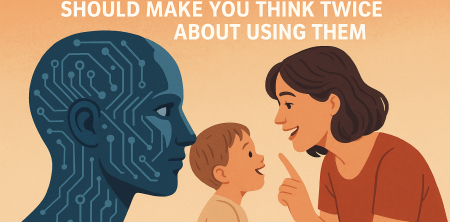
In today’s tech-savvy world, artificial intelligence is making waves in almost every sector, including parenting. A recent study has revealed that Google’s Gemini 2.5 Pro AI can observe parent-child interactions with a remarkable 81% accuracy. This has sparked a whirlwind of debate among parents and experts alike about whether AI should play a role in child development observations. While the accuracy rate is impressive, it raises the question: can we trust AI to understand the complexities of parenting? In this article, we’ll explore Gemini parenting tips, the AI's capabilities, and the implications of relying on technology in the delicate art of parenting.
Understanding the Capabilities of Gemini AI
Google's Gemini AI is not just another algorithm; it’s a sophisticated system designed to analyze human behavior. In the study, Gemini was able to identify observable behaviors such as gaze direction, actions, and vocalizations accurately. These elements are crucial in understanding how children interact with their environment and caregivers. However, this capability is merely the tip of the iceberg.
While observing behaviors accurately is a noteworthy feat, the AI’s performance falters significantly when it comes to assessing the quality of communication or interpreting the underlying meanings behind these observable actions. For instance, while the AI can detect when a child is smiling or frowning, it may not interpret whether the smile is genuine happiness or masking other emotions. This shortfall points to a pivotal limitation of AI: it can see but not understand.
The Limitations of AI in Parenting
The limitations of Gemini highlight a crucial aspect of parenting — the subjective interpretation of behavior. Every child is unique, and various factors can influence their actions, including emotional, social, and environmental cues. AI lacks the nuanced understanding that a human parent or caregiver possesses. This limitation raises a significant debate: should AI tools have a role in assessing child development?
Human judgment is irreplaceable when it comes to understanding child development. Experts argue that relying solely on AI for assessments can lead to misguided conclusions. For example, a child’s withdrawal from a group may signal shyness, anxiety, or simply a preference for solitary play. Without the context that only a human can provide, AI could misinterpret this behavior, leading to unnecessary intervention or concern.
Parental Fears and Trust Issues with AI
The advent of AI in parenting has led to heightened fears among parents. Many worry that AI will overstep boundaries when it comes to their children's safety and development. This anxiety is fueled by alarming headlines and social media discussions that amplify fears about technology's role in parenting. Parents often find themselves in a dilemma: they want to leverage technology for convenience and insight, yet they’re apprehensive about the implications of introducing AI into the sacred parent-child relationship.
This tension creates an urgent need for clarity and understanding. Parents are inundated with information about AI's capabilities, but the conversation often lacks emphasis on ethical considerations and the importance of human involvement. It’s essential to remember that while AI can assist in observing behaviors, it cannot replace the instinctive understanding that comes from human experience.
Social Media's Role in Shaping Opinions
Social media platforms have become a battleground for opinions on the use of AI in parenting. Many parents express concerns over AI's inability to grasp the complexities of child behavior, while others advocate for its potential benefits. This dichotomy fosters a climate of confusion and misinformation, making it challenging for parents to make informed decisions.
Some parents share personal anecdotes about how technology has helped them monitor their children’s behaviors, which can lead to a false sense of security. On the flip side, there are numerous cautionary tales warning about the risks of over-relying on technology. This back-and-forth creates a paradox where parents feel torn between embracing innovation and protecting their child's well-being. (See: AI in child development research.)
The Importance of Human Judgment in Child Development
When it comes to understanding child development, human judgment is essential. Professionals in child psychology, sociology, and education emphasize that parents should not replace intuition and emotional intelligence with technology. For instance, a therapist’s skill lies in their ability to interpret subtle cues in a child’s behavior, something that an AI like Gemini simply cannot replicate.
Moreover, the ability to connect emotionally with a child plays a significant role in their development. Children thrive in environments where they feel understood and supported. AI’s lack of emotional comprehension can lead to gaps in understanding a child’s needs, potentially stunting their emotional growth. (AI Parenting Tools)
Practical Gemini Parenting Tips
While the limitations of AI in parenting are noteworthy, it doesn’t mean that technology should be shunned entirely. Here are some practical Gemini parenting tips that can help you strike a balance between utilizing technology and maintaining your role as a caregiver:
- Use AI as a Supplement: View AI tools as supplementary resources rather than replacements for human understanding. They can provide insights into observable behaviors, but always pair this information with your own observations and insights.
- Stay Informed: Keep yourself updated on the latest technology trends and developments in AI. Understanding how these tools work can help you make informed choices about their use in your family.
- Encourage Open Communication: Foster an environment where your children feel comfortable discussing their feelings and experiences. This communication will help bridge the gap that AI cannot fill.
- Consult Professionals: If you have concerns about your child’s development, consider consulting a child development expert rather than relying solely on AI assessments.
- Limit Screen Time: While technology can offer insights, be mindful of the time your child spends interacting with screens. Encourage active, real-world play and parent-child interactions instead.
The Future of AI in Parenting
The future of AI in parenting remains uncertain. As technology advances, it’s likely that AI systems will continue to improve in their observational capabilities. However, the gap in understanding child behavior is a significant hurdle that may never be fully overcome. As parents, it's crucial to approach AI with a healthy skepticism and a focus on what truly matters: the emotional and developmental needs of your child.
Furthermore, as society grapples with the implications of AI in family life, it's essential to advocate for ethical guidelines that govern its use in sensitive areas such as child development. Parents must voice their concerns and promote discussions about the boundaries of technology, ensuring that human judgment remains at the forefront of parenting.
Lessons from the Debate on AI's Role in Parenting
The ongoing debate about AI and parenting provides valuable lessons for parents navigating the complexities of modern child-rearing. First and foremost, it highlights the importance of critical thinking when it comes to technology. Don’t just accept technology at face value; question its role and implications in your child’s life.
Moreover, this discourse emphasizes the necessity of community and communication among parents. Engaging in discussions with other parents, educators, and professionals can yield insights and support that technology alone cannot provide. By working together, parents can create a more comprehensive understanding of child development that integrates both technology and human insight.
Final Thoughts on AI and Parenting
The intersection of AI and parenting is a complex landscape filled with opportunities and challenges. While Gemini AI may offer valuable insights into observable behaviors, it lacks the depth of understanding necessary for assessing a child's overall development. As parents, it’s vital to maintain a balance between leveraging technology for its benefits and ensuring that human judgment remains the cornerstone of nurturing and guiding our children.
As we move forward in this digital age, let’s remember the irreplaceable value of human connection, empathy, and understanding in parenting. By doing so, we can create an environment where our children can thrive, supported by both innovative technology and the unwavering love of their caregivers.
Additional Gemini Parenting Tips: Building a Balanced Approach
With the integration of technology in parenting, you might be wondering how to create a harmonious balance between the benefits of AI and the essential human touch. Here are some additional tips that can complement the Gemini parenting strategies: (See: AI and human behavior analysis.)
- Set Clear Boundaries: Define what roles AI tools will play in your parenting. This can involve setting guidelines for when and how often technology is used, ensuring it supports rather than dictates parenting decisions.
- Model Healthy Technology Use: Demonstrate to your children how to use technology responsibly. Show them the importance of balancing screen time with other activities like reading, outdoor play, and family time.
- Gather Feedback: If you choose to use AI tools, seek feedback from your children about their experiences. Understanding their perspectives can help you navigate their comfort levels and preferences regarding technology.
- Engage in Joint Activities: Use technology as a means to engage with your children. For example, if you're using an app to track their development, involve them in discussions about their growth and progress.
- Be Mindful of Data Privacy: Ensure that any AI tools you use prioritize data privacy. Understand what data is being collected and how it is used, to protect your child's information.
Exploring the Impact of AI on Parent-Child Relationships
As we explore Gemini parenting tips, it’s also crucial to examine how AI affects the parent-child relationship directly. While technology can offer benefits in tracking and observing behaviors, it's essential to be wary of its impact on interpersonal connections.
One study found that children who frequently interacted with screens, including AI technology, had reduced face-to-face communication skills. This finding emphasizes the need to create opportunities for genuine interactions, encouraging children to engage in conversations that develop their social skills.
Furthermore, establishing a routine that prioritizes quality time over technology can foster stronger emotional connections. Engaging in activities that require collaboration, such as cooking or arts and crafts, can help maintain healthy relationships. These experiences provide children with comfort and understanding that AI cannot replicate.
Statistics on Parenting and Technology Use
Data from various studies indicates a rising trend in parents incorporating technology into their parenting strategies. According to a recent survey, over 70% of parents utilize some form of technology to monitor their children’s activities, ranging from location tracking apps to educational tools.
However, the same survey revealed that only 40% of these parents feel confident in their understanding of how these technologies work. This disconnect highlights the importance of educating oneself about the tools available while also being cautious about over-reliance on them. Parents should remember that technology can assist in parenting but should never replace personal involvement and attention.
Frequently Asked Questions about Gemini Parenting Tips
Here’s a quick FAQ section to address common queries related to Gemini parenting tips and the use of AI in parenting:
1. Can AI like Gemini help with early childhood development?
Yes, AI can assist by providing insights into observable behaviors, but it's essential to pair these insights with human interpretation and understanding.
2. How can I ensure my child doesn’t become overly reliant on technology?
Encourage a balanced approach to technology use by setting limits on screen time and emphasizing offline activities like sports, arts, and family outings.
3. What should I do if I have concerns about my child's development?
Consult with child development professionals who can provide personalized assessments and recommendations based on your child’s needs rather than relying solely on AI tools.
4. Is it safe to use AI tools that track my child's behavior?
While many AI tools are designed with safety in mind, always review privacy policies, and ensure the data collected is secure and used ethically.
5. How can I stay updated on the latest AI trends in parenting?
Follow reputable parenting blogs, join online forums, and subscribe to newsletters from child development experts to remain informed about the latest technology and its implications.
6. What role should empathy play in using AI for parenting?
Empathy should remain at the forefront of parenting. While AI can provide data, it cannot replace the emotional connection and understanding that comes from human interactions.
Testing the Waters: Practical Steps Before Integrating AI into Parenting
Before diving headfirst into using AI tools to assist with parenting, consider taking some practical steps to ensure a smooth integration. Here are some suggestions:
- Begin with a Trial Period: Test out any AI tool for a short period before making it a regular part of your parenting routine. This allows you to evaluate its effectiveness and impact on your child.
- Discuss with Your Partner: Ensure that both parents are on the same page regarding the use of AI. Open discussions can help establish boundaries and shared goals for integrating technology into parenting.
- Educate Yourself Together: Take the time to read about the AI tool you plan to use. Understanding its features, benefits, and limitations will allow you to use it more effectively.
- Observe Your Child’s Reaction: Pay attention to how your child responds to the introduction of AI tools. If they seem uncomfortable or uninterested, it may be time to reevaluate their use.
- Involve Extended Family: Discuss the use of AI tools with grandparents or other caregivers who interact with your child. Having a consistent approach helps reinforce the boundaries established.
Potential Benefits of AI in Parenting
While it’s crucial to recognize the limitations, AI also offers several potential benefits that parents can leverage. Here are some of the advantages:
- Data-Driven Insights: AI can track patterns in behavior over time, helping parents make informed decisions about their child’s needs and development.
- Personalized Learning: Some AI tools can provide personalized learning experiences for children, adapting to their learning styles and pacing, which can enhance educational outcomes.
- Stress Reduction: Using AI tools for monitoring can relieve some parental stress by providing real-time feedback about a child's development, allowing parents to focus on other aspects of parenting.
- Resource Accessibility: AI can help parents access a wealth of resources, including expert advice, educational content, and community support, all tailored to their unique parenting situations.
- Encouraging Engagement: Certain AI-driven applications encourage parent-child interaction through gamification or interactive learning, making learning fun and engaging.
Conclusion: Blending Tradition and Modernity in Parenting
The world of parenting is evolving, with technology becoming an integral part of the journey. By embracing Gemini parenting tips, parents can navigate the complexities of modern child-rearing while ensuring that the core values of empathy, connection, and understanding remain intact. Balancing technology with human insight will not only enrich your parenting experience but also promote a nurturing environment where children can flourish.
```
Trending Now
Frequently Asked Questions
Can AI really help with parenting?
AI, like Google's Gemini 2.5 Pro, can observe parent-child interactions with high accuracy. However, its inability to interpret the emotional nuances behind behaviors limits its effectiveness in providing meaningful parenting insights.
What are the limitations of AI in understanding child behavior?
While AI can accurately identify observable behaviors, it struggles with understanding the context and emotions behind those actions. This lack of nuanced interpretation is a significant limitation when it comes to parenting.
Is AI reliable for parenting advice?
Despite an impressive accuracy rate, AI should not be fully relied upon for parenting advice. Its inability to grasp the complexities of human emotions and interactions makes it less trustworthy for such a delicate task.
How does AI analyze parent-child interactions?
AI systems like Gemini analyze parent-child interactions by observing behaviors such as gaze direction and vocalizations. However, they lack the ability to evaluate the quality of communication or the emotional significance of those behaviors.
Should parents use AI tools for child development?
While AI tools can provide insights into observable behaviors, parents should approach their use with caution. The subjective nature of parenting requires a human touch that AI cannot replicate, making it essential to balance technology with personal judgment.
What did we miss? Let us know in the comments and join the conversation.

