```html
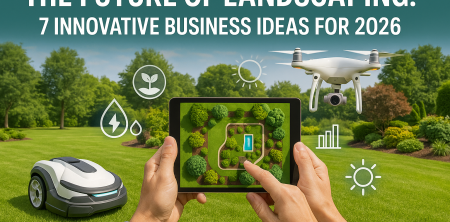
As the landscaping industry evolves, the opportunities for entrepreneurs are becoming more exciting and diverse. With advancements in technology and changing consumer demands, particularly for eco-friendly solutions, the landscaping business landscape is undergoing a significant transformation. In this article, we’ll explore the top seven landscaping business ideas that are set to dominate the market in 2026, focusing on AI-driven smart irrigation and autonomous robotic maintenance.
1. AI-Driven Smart Irrigation Systems
At the forefront of landscaping innovation are AI-driven smart irrigation systems. These systems leverage data from weather forecasts and soil sensors to deliver precise amounts of water to plants, optimizing water usage and reducing waste. Reports suggest that such systems can cut water bills by as much as 40%. This not only appeals to eco-conscious consumers but also addresses an increasing demand for sustainable practices in landscaping.
Entrepreneurs entering this field can provide tailored solutions for homeowners and businesses alike, helping them save money while conserving water. The installation of these systems requires initial investment, but the long-term savings for clients can lead to strong referrals and repeat business. Additionally, as climate change continues to affect weather patterns, the importance of efficient water use will only grow, making this a timely and relevant business idea.
For those looking to start in this area, it's essential to stay updated on the latest technologies and software that can enhance the capabilities of these systems. Training in landscape management software and data analytics can prove beneficial in offering a comprehensive service.
2. Robotic Lawn Mowing Services
Imagine a world where lawns can be mowed without the need for human intervention. Robotic lawn mowers are quickly becoming a reality, offering an opportunity for entrepreneurs to capitalize on this burgeoning trend. These autonomous machines can operate 24/7, providing consistent lawn care without the labor costs associated with traditional mowing services.
The appeal of robotic mowers lies in their low-maintenance nature and the high recurring revenue model they support. Once a system is installed, businesses can serve multiple clients with minimal ongoing effort. This drastically reduces overhead and allows owners to focus on scaling their operations across larger areas. As the technology improves, expect to see even more advanced features, including GPS navigation and customizable mowing patterns.
A significant consideration for anyone entering this market is the upfront cost of purchasing these machines and the need for effective marketing to educate potential clients about their benefits. Moreover, offering a subscription service that includes ongoing maintenance and software updates can ensure client satisfaction and retention.
3. Eco-Friendly Landscaping Services
As awareness of environmental issues grows, so does the demand for eco-friendly landscaping services. This can include everything from native plant landscaping to organic gardening practices. Entrepreneurs can carve out a niche by offering sustainable solutions that not only appeal to environmentally conscious clients but also contribute to local biodiversity.
Starting an eco-friendly landscaping business involves understanding local ecosystems and selecting plants that thrive in your area. It’s not just about aesthetics; it’s about creating functional spaces that benefit the environment. Additionally, promoting the long-term benefits of these practices can attract clientele who are willing to invest in their outdoor spaces for sustainability.
Creating partnerships with local conservation organizations can enhance credibility and attract clients who are passionate about environmental stewardship. Workshops and seminars on sustainable gardening practices can also serve as both marketing tools and community engagement efforts.
4. Landscape Design Software
With the rise in home improvement projects, there’s an increasing need for design tools that can help both professionals and DIY enthusiasts visualize their landscaping ideas. Developing user-friendly landscape design software can cater to this market, providing users with tools to create detailed plans and simulate their designs in 3D. (See: EPA WaterSense program.) We covered top landscaping programs globally in more detail.
This business can be highly lucrative, especially if you incorporate elements like augmented reality for users to view potential designs in their own yards. Offering subscription-based models can also lead to recurring revenue, making this a viable option for tech-savvy entrepreneurs looking to merge technology with landscaping.
To stand out, consider focusing on specific features like plant databases, climate zone mapping, or integration with procurement tools to help users purchase the plants and materials they design. Marketing can be bolstered by engaging with influencers in the home improvement space, showcasing user-generated content, and providing tutorials to enhance customer experience.
5. Drones in Landscaping
Drones are increasingly being utilized in the landscaping industry for a variety of applications, from surveying land to monitoring plant health. By integrating drone technology into landscaping services, entrepreneurs can offer unique insights and efficiency that traditional methods lack.
This can include aerial photography to assess large projects, using drones to map out areas for landscaping, or even delivering materials to hard-to-reach areas. The drone service market is rapidly expanding, and those who can offer specialized landscaping services utilizing this technology will stand out in a crowded field.
Moreover, leveraging drone data can help in creating detailed reports for clients, allowing them to see the status of their properties from a bird's eye view. Educating clients on the benefits of using drones in landscaping can also position your business as an innovative leader in the industry.
6. Subscription-Based Lawn Care
Subscription-based models are revolutionizing many industries, and landscaping is no exception. By offering lawn care services on a subscription basis—where customers pay a monthly fee for regular maintenance—you can create consistent revenue streams and foster long-term client relationships.
This model allows for predictable cash flow and can be tailored to meet different customer needs, whether it’s weekly lawn mowing, seasonal clean-ups, or ongoing garden maintenance. Providing options for tiered services can make this model even more appealing, as different customers have varying demands based on their property size and landscaping needs.
Additionally, consider adding exclusive perks for subscribers, such as seasonal tips, access to webinars about landscaping trends, or discounts on additional services. Building a strong community around your subscription model can significantly enhance customer loyalty.
7. Landscaping Consulting Services
Finally, as the landscaping sector grows increasingly complex, many homeowners and businesses are seeking expert advice. Starting a landscaping consulting business allows you to share your expertise and guide clients through the often-daunting process of landscaping design, plant selection, and implementation.
Consultants can focus on various niches, such as sustainable landscaping, water conservation techniques, or even urban greening projects. With the right marketing strategy, your consulting service can attract a clientele willing to invest in professional guidance for their landscaping projects.
Network with local businesses and real estate agents to offer your services to their clients or as part of a package with home sales. Providing workshops or webinars can also help position you as an expert in your field and generate leads.
8. Outdoor Living Space Design
In recent years, the trend of transforming backyards into luxurious outdoor living spaces has surged. Homeowners are increasingly interested in creating spaces that extend their living areas outdoors, complete with kitchens, fire pits, and comfortable seating arrangements. This presents an opportunity for landscaping businesses to specialize in outdoor living space design and installation.
By understanding the latest trends in outdoor furniture, lighting, and amenities, you can provide clients with comprehensive designs that suit their lifestyle and aesthetic preferences. Research shows that well-designed outdoor spaces can increase property values significantly, making this a lucrative market. Think about marketing packages that include consultations, design, installation, and ongoing maintenance to provide a full-service experience. (See: Nature article on smart irrigation.)
Incorporating eco-friendly materials and sustainable practices in outdoor living space design will further appeal to current market trends. You can also provide options for smart outdoor solutions, such as automated lighting and irrigation, to elevate the functionality of these spaces.
9. Vertical Gardening Solutions
As urban areas become more populated, the demand for innovative gardening solutions continues to grow. Vertical gardening allows people with limited space to create stunning green walls and garden installations. Businesses that specialize in vertical gardening can cater to both residential and commercial clients looking to enhance their spaces.
Your services could include designing custom vertical gardens, installing modular systems, and providing ongoing maintenance. With the right marketing, you can appeal to urban dwellers who crave green spaces but have constraints due to limited square footage. Statistics show that vertical gardens can improve air quality and enhance the aesthetics of a building, making them an attractive option for commercial properties.
Consider collaborating with architects and interior designers to integrate vertical gardens in new developments or renovations. Hosting workshops on vertical gardening techniques can also help generate interest and establish your business as a thought leader in this niche.
10. Hardscaping Services
Hardscaping is a vital component of landscaping that involves the installation of non-plant elements such as patios, walkways, retaining walls, and water features. Offering hardscaping services can set your landscaping business apart by providing a complete solution for your clients’ outdoor needs.
As more homeowners look to enhance their outdoor spaces, the demand for skilled hardscaping services is on the rise. You can market your business by showcasing high-quality materials and innovative designs that complement the natural surroundings. Additionally, consider partnerships with local suppliers to offer discounts on materials, which can enhance your competitive edge.
Incorporating elements such as fire pits, outdoor kitchens, and seating areas into hardscaping designs can significantly increase the appeal of your services. Documenting your projects with high-quality photos and case studies can also serve as powerful marketing tools.
11. Seasonal Landscaping Services
Landscaping needs often change with the seasons, creating an opportunity for businesses to offer seasonal services tailored to specific times of the year. This could include spring planting, summer lawn care, fall clean-ups, and winter snow removal. By providing specialized services for each season, you can maintain steady business year-round.
Marketing a seasonal landscaping service can involve creating packages for each time of year or offering long-term contracts that cover the entire year. By ensuring your clients’ properties are well cared for throughout every season, you’ll foster loyalty and increase customer retention. You could even consider leveraging technology for scheduling and client management to streamline your operations.
Utilizing social media to promote seasonal specials and tips can engage your customer base, encouraging them to book your services in advance. Seasonal newsletters featuring advice on how to prepare gardens and lawns for upcoming seasons can keep your business top-of-mind.
12. Landscaping Business FAQ
What are the startup costs for a landscaping business?
Startup costs can vary widely depending on your business model. Basic tools and equipment can start at a few thousand dollars, but if you plan to invest in technology like drones or smart irrigation systems, your initial investment could be significantly higher. It's important to create a detailed business plan outlining all potential costs, including marketing, insurance, and labor. (See: CDC guidelines on irrigation systems.) For more on this, see leading schools for groundskeeping.
Do I need any special licenses or certifications to start a landscaping business?
Licensing requirements for landscaping businesses vary by location. Some areas may require a general business license, while others might have specific regulations regarding pesticide application or contractor licenses. Always check with local authorities to ensure compliance with all necessary regulations.
How can I market my landscaping business effectively?
Marketing strategies for a landscaping business can include developing a strong online presence through social media and a professional website. Consider using local SEO strategies to attract clients in your area, as well as leveraging customer testimonials and before-and-after photos to showcase your work. Networking with local real estate agents and participating in community events can also help to generate leads.
What types of insurance do I need for a landscaping business?
Common types of insurance for landscaping businesses include general liability insurance, which protects against claims of bodily injury or property damage, and workers' compensation insurance if you have employees. Additionally, you may want to consider equipment insurance to protect your tools and machinery.
How can I ensure high-quality service in my landscaping business?
To maintain high-quality service, training and ongoing education are key. Invest in training for yourself and your staff about the latest landscaping techniques and technologies. Additionally, developing a checklist or standard operating procedures for each job can help ensure consistency in service quality.
How can technology improve my landscaping business?
Technology can significantly enhance efficiency in your landscaping business. Tools like project management software can help with scheduling, budgeting, and communication. Drones can provide aerial assessments, while smart irrigation systems can optimize water use. Utilizing social media and digital marketing can also help reach a broader audience and showcase your projects.
What are the most profitable landscaping services to offer?
Services like hardscaping, eco-friendly landscaping, and outdoor living space design tend to be some of the most profitable. High-demand services often have higher margins due to their specialized nature and the ability to command premium pricing. Additionally, subscription services for lawn care can create stable, recurring revenue streams.
How important is customer service in landscaping?
Customer service is crucial in landscaping. Maintaining good communication, being punctual, and delivering high-quality work are essential for building trust and retaining clients. Happy customers are more likely to refer your services to others, enhancing your reputation and helping to grow your business.
Conclusion: The Future is Bright for Landscaping Entrepreneurs
The landscaping industry is on the cusp of a significant transformation, driven by technology and the increasing demand for sustainable solutions. By focusing on innovative landscaping business ideas such as AI-driven irrigation, robotic mowing, and eco-friendly practices, entrepreneurs can tap into a growing market that not only promises profitability but also positively impacts the environment. As we move towards 2026, those who embrace these trends will not only find success but also contribute to a greener, more sustainable future.
```
Trending Now
Frequently Asked Questions
What are the latest trends in landscaping for 2026?
The latest trends in landscaping for 2026 include AI-driven smart irrigation systems and robotic lawn mowing services. These innovations focus on optimizing resource use and reducing labor costs, appealing to eco-conscious consumers and businesses looking for sustainable solutions.
How do AI-driven smart irrigation systems work?
AI-driven smart irrigation systems utilize data from weather forecasts and soil sensors to determine the precise amount of water needed for plants. This technology helps reduce water waste and can lower water bills by up to 40%, making it an attractive option for environmentally aware consumers.
What business opportunities are available in landscaping?
There are several promising business opportunities in landscaping, including providing AI-driven smart irrigation systems, robotic lawn mowing services, and eco-friendly landscape design. These ideas cater to the growing demand for sustainable practices in the industry.
How can robotic lawn mowers benefit homeowners?
Robotic lawn mowers offer homeowners convenience by automating lawn maintenance. They save time and labor costs while ensuring a consistently well-manicured lawn. As technology advances, these services are becoming more accessible and affordable, making them an attractive investment.
Why is sustainable landscaping important?
Sustainable landscaping is crucial as it promotes efficient resource use, reduces environmental impact, and aligns with the increasing consumer demand for eco-friendly solutions. By adopting sustainable practices, businesses can also enhance their reputation and attract a more environmentally conscious clientele.
What did we miss? Let us know in the comments and join the conversation.

