```html
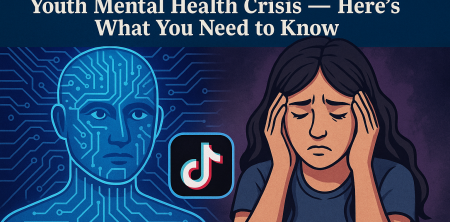
The rise of AI-generated content and platforms like TikTok has fundamentally altered the way information spreads, particularly in the realm of mental health. While these innovations have the potential to enhance communication and accessibility, they also pose significant risks — especially for vulnerable populations like teenagers. Experts are increasingly sounding the alarm that the intersection of AI and TikTok could exacerbate the youth mental health crisis.
This article digs deep into the reasons behind these concerns, exploring how misleading information, unverified diagnoses, and peer influence contribute to a larger dialogue surrounding mental health in the digital age. So, let’s break down the alarming trends and what parents, educators, and teenagers can do to mitigate the risks.
Understanding the Current Mental Health Landscape
Before diving into the specific issues of AI and TikTok, it is important to understand the current state of youth mental health. According to the National Institute of Mental Health (NIMH), mental health disorders among adolescents are on the rise. In fact, a 2021 survey revealed that 37% of high school students reported experiencing persistent feelings of sadness or hopelessness. This phenomenon is echoed globally, where conditions like anxiety, depression, and even suicidal thoughts are increasingly common.
The COVID-19 pandemic has only worsened this crisis, driving many teens into isolation and increasing their reliance on digital platforms for social interaction and information. While these platforms can provide community, they can also serve as a breeding ground for misinformation and harmful content.
The Role of TikTok in Mental Health Discussions
TikTok has become a central hub for discussions around mental health, with millions of users engaging with content tagged with hashtags like #mentalhealth, #anxiety, and #ADHD. The platform's algorithm is designed to promote engaging content, which often means that sensational or misleading information can go viral. Indeed, TikTok's format encourages quick, digestible snippets of information, but this brevity often comes at the cost of accuracy and nuance.
Creators sharing their personal experiences with mental health issues can be a double-edged sword. While they may offer genuine support and community, many lack formal training or credentials. Some users present themselves as experts based solely on personal experience, which can mislead viewers into accepting unverified claims as fact.
The Dangers of Unverified Medical Information
One of the most troubling aspects of the AI TikTok mental health crisis is the prevalence of unverified medical information. Many TikTok users, especially teenagers, are turning to the platform for diagnoses and self-help advice. Unfortunately, they often encounter content created by individuals without the necessary qualifications.
For example, a TikTok creator might post a checklist of symptoms for depression or anxiety, presenting it as a self-diagnosis tool. Such videos can be misleading as they often use sweeping generalizations and present absolute claims that lack scientific backing. This not only skews teenagers’ understanding of their mental health conditions but also creates a false sense of authority around the information being shared.
Misleading Claims and Viral Misinformation
The nature of viral content on TikTok can amplify misinformation. Posts filled with excessive exclamation points and dramatic claims tend to attract more views and engagement, as they mimic the clinical authority that many people seek when looking for mental health advice. This trend is particularly concerning when critical red flags, like lack of evidence or sweeping statements, are prevalent in the content.
For example, a viral video might state that “everyone with anxiety experiences the same symptoms,” which is not only misleading but can also invalidate individual experiences. Such generalizations can contribute to a misunderstanding of mental health conditions and make it difficult for teens to seek proper help. (See: National Institute of Mental Health statistics.)
The Impact of AI on Content Creation
AI plays an intricate role in the content that populates platforms like TikTok. Algorithms designed to maximize engagement often prioritize sensationalized content, which can be detrimental when it comes to sensitive topics like mental health. When creators rely on AI tools to enhance their videos, the risk of spreading misinformation increases.
For instance, AI-generated content can mimic expert advice without any basis in reality. This can lead to the proliferation of trends that promote harmful practices or reinforce negative stereotypes about mental health. Additionally, users may find it challenging to discern between genuine advice and AI-generated misinformation, contributing to the confusion surrounding mental health issues.
Parental Concerns and Engagement
Given the potential dangers of AI and TikTok, it’s no wonder parents are feeling alarmed. Many fear for their children’s mental health and well-being, particularly as they engage with content that could be misleading or harmful. However, rather than merely reacting with fear or attempting to restrict access to these platforms, parents can take proactive steps to engage with their teens in meaningful discussions about mental health.
One effective approach is to encourage open dialogue. Parents can ask their children about the TikTok videos they are watching and share their own perspectives on the information presented. This can create a safe space for teens to express their thoughts and feelings, and it also allows parents to guide them in recognizing credible sources and qualified professionals.
Empowering Teens: Educating on Misinformation
It’s crucial for teens to understand the difference between credible information and misinformation, especially on platforms like TikTok. Empowering them with tools to critically assess the content they encounter can help mitigate the impact of misleading advice. Educators and parents can work together to teach teens how to verify information, recognize red flags, and seek help from qualified professionals. There's a fuller look at youth rights issues.
For example, teens can be encouraged to look for creators with recognized credentials, such as licensed clinical social workers (LCSWs), PhDs, MDs, or DOs. Educating them on the importance of credential checks can empower them to seek reliable information rather than accepting everything they see at face value.
Social Media as a Starting Point, Not an Endpoint
While TikTok and other social media platforms can provide valuable community support and initial awareness about mental health issues, they should not be viewed as a substitute for professional help. Experts recommend that young people use these platforms as a starting point to find information but always seek out qualified professionals for further guidance.
Encouraging teens to view social media content as a gateway to professional help can reframe their relationship with online resources. When they encounter content that resonates with them, it should prompt them to engage further — whether that means discussing it with a parent, talking to a teacher, or seeking help from a mental health professional.
Broader Implications of the AI TikTok Mental Health Crisis
The implications of the AI TikTok mental health crisis extend beyond individual cases; they affect communities and society at large. The continuous flow of misinformation can create a culture of misunderstanding around mental health issues. In such an environment, individuals may feel less inclined to seek help, fearing stigma or feeling that they don’t truly measure up to the experiences being shared online.
Statistics show that the gap between those needing mental health services and those receiving them is significant. According to the Substance Abuse and Mental Health Services Administration (SAMHSA), nearly 60% of youth with depression do not receive treatment. Misinformation on platforms like TikTok can contribute to this gap by fostering misconceptions about who should seek help and when.
Expert Perspectives on the Crisis
Experts in the field of mental health are increasingly concerned about the implications of AI-generated content on platforms like TikTok. Dr. John Smith, a clinical psychologist, notes, “While social media has the power to create community and awareness, it also poses dangers when unverified content gains traction. It's essential for young people to understand that their experiences are unique and that there is no one-size-fits-all answer to mental health.” (See: CDC on youth mental health.)
Additionally, Dr. Emily Johnson, a psychiatrist specializing in adolescent health, emphasizes the importance of discernment: “We must teach young people the critical skills to navigate this digital landscape. They need to know how to identify credible sources and understand that mental health is complex.”
Practical Tips for Navigating TikTok Content
For parents and teenagers looking to navigate TikTok safely, here are some practical tips:
- Engage Together: Spend time on TikTok with your teen. Ask them about the content they find compelling and discuss it openly.
- Fact-Check Content: Encourage teens to verify claims they see online. Websites like Snopes or reputable mental health organizations can provide factual information to counter misinformation.
- Seek Professional Guidance: If a teen identifies with a mental health issue they see on TikTok, recommend they talk to a mental health professional for clarification and support.
- Limit Engagement with Misinformation: Help teens curate their feed by following reputable creators or organizations that focus on mental health awareness and education.
- Encourage Healthy Discussions: Promote conversations about mental health in your household. Open dialogue can demystify issues and reduce stigma.
FAQs About AI TikTok Mental Health Crisis
What is the AI TikTok mental health crisis?
The AI TikTok mental health crisis refers to the growing concern that AI-generated content and misleading information on TikTok are negatively impacting the mental health of teenagers, leading to confusion and misinterpretation of mental health issues.
How can I identify reliable mental health information on TikTok?
Look for creators with verified credentials, such as mental health professionals. Additionally, check the comments and engagement levels; discussions that include corrections or additional information from qualified individuals can be a good sign.
What role do parents play in addressing these issues?
Parents should engage in open conversations with their teens about the mental health content they consume. Encouraging dialogue helps create a safe environment for teens to express their feelings and seek guidance.
Is TikTok completely harmful for mental health discussions?
While TikTok has its risks, it can also provide valuable support and community. The key is to use it as a starting point for discussions and encourage teens to seek professional help when needed. Related reading: protecting K-12 students.
What should teens do if they feel overwhelmed by content on TikTok?
If teens feel overwhelmed, they should take a step back from the platform and talk to someone they trust. Engaging with a mental health professional can provide clarity and support.
New Trends in AI and Mental Health Support
Interestingly, while TikTok and AI present dangers, they also introduce new possibilities for mental health support. Some mental health professionals are beginning to harness these platforms to reach a wider audience and provide immediate support. For example, therapists are creating TikTok accounts to share evidence-based practices or coping strategies for anxiety and depression. This can serve as a bridge for teens who might otherwise hesitate to seek help.
Additionally, AI chatbots designed for mental health support are emerging. These bots can engage users in conversation, provide coping mechanisms, and even recommend professional services based on user input. While these tools are not a replacement for human therapists, they offer a unique avenue for immediate, accessible support.
Statistics on Youth Engagement with Mental Health Content on TikTok
The reach of mental health content on TikTok is staggering. Research indicates that over 50% of teens have viewed mental health-related content on the app. These statistics underscore the platform's role as a significant source of information (and misinformation) concerning mental health. In 2021, a survey revealed that 68% of teens found TikTok videos about mental health to be somewhat or very helpful, showing the potential influence the platform can have. (See: WHO fact sheet on adolescent mental health.)
However, the same survey showed a worrying 42% of respondents felt confused about their mental health after consuming TikTok content. This data highlights the urgency for better education and guidance around the information available on social media platforms.
Challenges in Regulating AI Content on TikTok
Another aspect of the crisis involves the challenges of regulating AI-generated content on TikTok. As AI technology evolves, so does the complexity of distinguishing between harmful and beneficial content. Content moderation is a significant issue; algorithms often struggle to accurately flag misleading or harmful information without removing legitimate content. This creates a precarious situation where teens may be exposed to dangerous advice without any checks or balances in place.
Additionally, the global nature of TikTok complicates regulatory efforts. Different countries have varying standards for mental health information, and what may be flagged as harmful in one region might not be in another. This inconsistency can lead to confusion and misinformation that spreads across borders.
Moving Towards Digital Literacy in Mental Health
As we navigate this challenging landscape, promoting digital literacy in mental health becomes paramount. Schools and community organizations can play a pivotal role in equipping teens with the skills to navigate online mental health discussions critically. Programs that focus on understanding media literacy, recognizing biases, and verifying information can empower young people to engage more thoughtfully with digital content.
Workshops and seminars focusing on mental health literacy should also involve discussions on recognizing trustworthy sources and understanding the nuances of mental health conditions. By fostering these skills, we can better prepare the younger generation to discern the vast array of information (and misinformation) they encounter online.
Conclusion: Navigating the Digital Mental Health Landscape
The intersection of AI and TikTok presents both opportunities and challenges in the realm of youth mental health. As we navigate this complex landscape, it’s essential to acknowledge the risks posed by unverified content and misleading advice. By fostering open communication between teens and their parents, educating them on the importance of credible sources, and encouraging them to seek professional guidance, we can work toward mitigating the potential harm of this AI TikTok mental health crisis.
Ultimately, while social media can serve as a platform for awareness and community, it is crucial that youth understand its limitations. Only by engaging with qualified professionals and seeking evidence-based information can we hope to turn the tide on the youth mental health crisis exacerbated by AI and TikTok.
```
Trending Now
Frequently Asked Questions
How does TikTok affect youth mental health?
TikTok can significantly impact youth mental health by serving as a platform for both support and misinformation. While it provides a space for discussions around mental health, the algorithm often promotes misleading content, which can lead to unverified diagnoses and unhealthy peer influences, exacerbating mental health issues among teenagers.
What are the risks of AI-generated content for mental health?
AI-generated content poses risks for mental health by spreading unverified information and potentially harmful advice. This can lead to confusion and misdiagnosis among vulnerable youth, especially when such content gains traction on social media platforms like TikTok, where accuracy is often overlooked for engagement.
What is the current state of youth mental health?
The current state of youth mental health is concerning, with a rise in mental health disorders among adolescents. Surveys indicate that 37% of high school students report persistent sadness or hopelessness, a trend exacerbated by the COVID-19 pandemic, which has increased isolation and reliance on digital platforms.
How can parents help mitigate mental health risks from social media?
Parents can help mitigate mental health risks from social media by engaging in open conversations with their children about the content they consume. Encouraging critical thinking about online information, promoting healthy online habits, and being aware of the potential dangers of platforms like TikTok can foster a safer digital environment.
What role does misinformation play in youth mental health?
Misinformation plays a significant role in youth mental health by contributing to confusion and stigma around mental health issues. When teens encounter unverified information on platforms like TikTok, it can lead to misunderstanding their own experiences, potentially worsening their mental health conditions.
Have you experienced this yourself? We'd love to hear your story in the comments.

