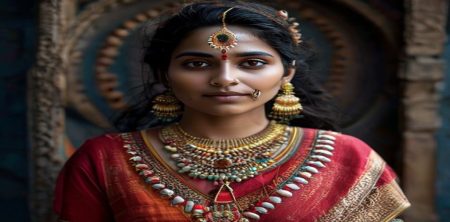
Remember when traditional crafts felt relegated to museum exhibits or niche markets? Well, get ready for a major plot twist. We're witnessing a fascinating, almost electrifying, moment in fashion right now, where centuries-old artistry is not just resurfacing, but absolutely exploding onto the global stage. And at the heart of this dazzling renaissance is a technique known as Abhla embroidery, India's breathtaking mirror-work craft. If you haven't seen it yet, you will soon. In fact, by 2026, experts are predicting it won't just be a trend; it'll be a fashion phenomenon.
This isn't some quiet, understated revival. We're talking about a significant global resurgence, with Abhla embroidery making bold appearances on international runways, gracing the stages of major cultural events like Coachella, and captivating millions across social media. It's a testament to the enduring power of skilled hands and a vibrant cultural heritage, proving that true beauty and intricate craftsmanship can always find their place, even in our hyper-modern world. The secret? A brilliant blend of tradition and a futuristic vision, making these shimmering pieces feel both ancient and utterly cutting-edge.
The Enduring Sparkle of Abhla Embroidery
So, what exactly is Abhla embroidery? Imagine tiny, perfectly circular or sometimes geometric mirrors, each one painstakingly hand-stitched onto fabric using intricate thread work. This isn't just about attaching a reflective surface; it's an art form where the stitches themselves become part of the design, often forming geometric patterns, floral motifs, or even figurative representations around the mirrors. The result is a textile that shimmers and catches the light with every movement, creating a dynamic, almost living surface.
Originating in the Indian subcontinent, particularly in regions like Gujarat and Rajasthan, Abhla embroidery has a rich history spanning centuries. It was traditionally used to adorn garments for festivals, celebrations, and special occasions, often reflecting the status and artistry of the wearer or the artisan. These weren't just decorative elements; in some cultures, mirrors were believed to ward off evil spirits or bring good luck. The craft has been passed down through generations, a vibrant thread connecting communities to their past, and now, to the future of global fashion.
From Ancient Villages to Global Runways: The Journey
The journey of Abhla embroidery from rural Indian villages to the glittering lights of international fashion weeks is a compelling narrative of cultural appreciation and artistic evolution. For a long time, these traditional crafts, while deeply cherished locally, often struggled to gain mainstream global recognition beyond ethnographic collections. But something shifted. The fashion world, perhaps fatigued by mass-produced uniformity, began to crave authenticity, narrative, and the unmistakable touch of the human hand.
This renewed interest isn't accidental. It's the culmination of dedicated efforts by designers, craft revivalists, and increasingly, the powerful amplification of social media. When a piece of Abhla work appears on a celebrity at a high-profile event, or features prominently in a major designer's collection, the exposure is instant and global. Suddenly, a craft once considered regional becomes a talking point in fashion capitals from Paris to New York, demonstrating how cultural exchange, when done respectfully, can truly enrich the creative landscape.
Designers Reimagining Tradition: The Architects of Revival
The current explosion of Abhla embroidery wouldn't be happening without the visionary designers who are giving it a fresh, contemporary voice. They're not just copying old designs; they're interpreting them, pushing boundaries, and finding unexpected ways to integrate this traditional technique into modern aesthetics. Names like Tarun Tahiliani and Abhinav Mishra immediately come to mind. These designers, deeply rooted in Indian heritage, possess a unique ability to bridge the gap between the past and the present.
Tarun Tahiliani, for instance, is renowned for his ability to infuse traditional Indian craftsmanship with a modern, often architectural sensibility. His work with Abhla embroidery often sees it integrated into elegant drapes, structured silhouettes, and luxurious fabrics, making it feel utterly sophisticated and relevant for a global clientele. Abhinav Mishra, on the other hand, is known for his signature mirror-work lehengas and ensembles that often blend the craft with delicate pastels and intricate detailing, creating a romantic and opulent aesthetic that has become highly sought after for weddings and celebrations worldwide. These designers are showing us that Abhla embroidery isn't just for ethnic wear; it can be high fashion, red carpet-worthy, and incredibly versatile.
The Rise of 'Desi-Futurism': A New Aesthetic
One of the most exciting aspects of this resurgence is the emergence of what's been aptly dubbed 'Desi-Futurism.' This isn't just a catchy phrase; it's a genuine design philosophy that perfectly encapsulates the current moment. Desi-Futurism is all about blending traditional Indian craftsmanship – like Abhla embroidery – with contemporary silhouettes, modern cuts, and sometimes even unexpected materials or color palettes. It's a conversation between heritage and innovation, where neither element is sacrificed, but rather, they elevate each other.
Think about that viral mirror-work corset seen at Coachella. That's Desi-Futurism in action. It took a quintessentially Indian craft, often associated with flowing garments or celebratory attire, and applied it to a Western, contemporary fashion item, worn by an influencer at a global music festival. The effect was immediate and widespread. It challenged preconceptions, showcased versatility, and proved that Abhla work could be both edgy and elegant, traditional and avant-garde. This fusion creates pieces that tell a story, rooted in history but looking firmly towards the future. (See: learn about the history of embroidery.)
Beyond Reds and Golds: A Palette Expansion
Traditionally, Abhla embroidery often conjured images of vibrant, rich colors – deep reds, royal blues, emerald greens, often embellished with gold or silver thread work. And while these classic combinations remain timeless and beautiful, the current trend is seeing a significant expansion of the color palette, making the craft accessible to a wider range of styles and occasions.
Designers are now fearlessly experimenting with pastels, creating mirror-work pieces in soft lavenders, mint greens, powder blues, and delicate pinks. Perhaps even more striking is the increasing popularity of white-on-white mirror work. Imagine intricate Abhla embroidery on a pristine white fabric, where the mirrors provide the only 'color' through their reflectivity, creating a subtle yet incredibly sophisticated texture. This shift isn't just about aesthetics; it's about wearability. By moving away from overtly festive color schemes, these elaborate pieces become much more suitable for everyday wear, or at least, for more varied social settings beyond traditional celebrations. It allows the sparkle to be integrated into minimalist looks, or to add a touch of unexpected glamour to otherwise simple ensembles.
The Everyday Glamour of Abhla Embroidery
One of the biggest hurdles for highly elaborate traditional crafts entering mainstream fashion has always been the perception of them being 'too much' for daily life. Who's going to wear a heavily embroidered, mirror-laden outfit to brunch? But this is precisely where the current evolution of Abhla embroidery shines. The shift in color palettes, the integration into modern silhouettes, and the willingness of designers to apply the technique to more casual items are making it surprisingly versatile.
Imagine a denim jacket with delicate Abhla work on the collar or cuffs, or a simple silk slip dress with a shimmering mirror-work panel. These aren't just fantasy concepts; they're becoming reality. This adaptability means that a craft once reserved for grand occasions can now add a touch of unique, handcrafted glamour to your everyday wardrobe. It speaks to a broader consumer desire for clothing that tells a story, that has character, and that isn't just another mass-produced item. This move towards 'everyday glamour' is crucial for the sustained global presence of Abhla work, moving it from a special occasion item to a cherished wardrobe staple.
Social Media's Blinding Spotlight
You simply cannot talk about the global resurgence of any fashion trend in the 2020s without acknowledging the colossal role of social media. For Abhla embroidery, platforms like Instagram, TikTok, and Pinterest have been nothing short of game-changers. The very nature of mirror work – its reflectivity, its shimmer, its intricate details – makes it incredibly photogenic and shareable. A well-lit photograph or a short video clip of an Abhla-embellished garment instantly captivates attention, drawing the eye to its unique aesthetic.
When celebrities and influencers sport these pieces at events like Coachella, the images and videos go viral within hours. This organic, rapid-fire dissemination of content creates massive social media engagement, sparking conversations, generating interest, and driving demand. People see these stunning pieces, want to know more, and seek out similar styles. This digital amplification has significantly shortened the journey from niche craft to global trend, allowing Abhla embroidery to reach millions of potential admirers and consumers worldwide in a way that would have been impossible just a decade or two ago.
The Broader Cultural Shift: Valuing Handcrafted Heritage
The rise of Abhla embroidery isn't an isolated incident; it's part of a much larger, more profound cultural shift happening in high fashion and consumer preferences. There's a growing, undeniable appreciation for handcrafted heritage. In an era dominated by fast fashion and digital immediacy, there's a palpable longing for authenticity, for items that carry a story, and for the unmistakable mark of human skill and dedication. Consumers are increasingly seeking out pieces that are unique, sustainable, and ethically produced, and traditional crafts tick many of those boxes.
This movement is about more than just aesthetics; it's about recognizing the value of human labor, preserving cultural traditions, and supporting artisan communities. When a designer incorporates Abhla embroidery, they're not just creating a beautiful garment; they're often sustaining a centuries-old art form and providing livelihoods for skilled craftspeople. This deeper connection to provenance and process resonates strongly with a generation of consumers who want their purchases to reflect their values. It's a hopeful sign that the fashion industry, often criticized for its environmental and social impact, is beginning to pivot towards a more conscious and appreciative approach to creation.
The Craft Behind the Glare: Techniques and Materials
Understanding the meticulous process behind Abhla embroidery deepens our appreciation for its resurgence. It's not just a quick embellishment; it's a labor-intensive art. The mirrors, traditionally made from mica, are now often crafted from glass or even acrylic for durability and safety. They come in various sizes and shapes, though small circular ones are most common. The base fabric is typically cotton, silk, or satin, providing a sturdy canvas for the intricate work.
The process begins by marking the design onto the fabric. Then, each mirror is individually secured. There are a few key stitching techniques, but the most prevalent involves a buttonhole stitch or a cross-stitch, forming a framework around the mirror. This isn't just functional; these stitches become part of the aesthetic, often creating geometric or floral patterns that frame the reflective surface. Sometimes, tiny beads or sequins are added for extra sparkle. This precise, repetitive work requires immense patience, a steady hand, and years of practice to master, highlighting the artisan's skill in every finished piece. (See: impact of arts on health and culture.)
Economic Impact and Artisan Empowerment
The global demand for Abhla embroidery has a tangible, positive economic impact on the communities where it originates. For generations, this craft has been a primary source of income for many families in regions like Kutch in Gujarat and parts of Rajasthan. The renewed interest means stable work, fairer wages, and a stronger sense of purpose for artisans who might have otherwise seen their traditional skills diminish.
Craft cooperatives and non-profit organizations often play a crucial role here, connecting artisans directly with designers and international markets, cutting out exploitative middlemen. This direct linkage ensures that a larger share of the profits returns to the craftspeople. Furthermore, the increased visibility encourages younger generations to learn and preserve the art form, ensuring its continuity and cultural vitality. It's a powerful example of how fashion can be a force for economic empowerment and cultural preservation when conscious choices are made throughout the supply chain.
Comparisons with Other Embellishment Techniques
While Abhla embroidery stands unique with its mirror work, it's helpful to compare it to other popular embellishment techniques to truly appreciate its distinctiveness. Think about sequin work, for example. Sequins offer sparkle and can create intricate patterns, but they reflect light in a scattered, uniform way. Abhla mirrors, on the other hand, capture and bounce light more dramatically, creating dynamic flashes and a sense of movement that sequins can't quite replicate. Each mirror acts like a tiny, individual spotlight.
Consider beadwork, which adds texture and dimension. While beautiful, beadwork absorbs more light than it reflects, resulting in a different kind of visual richness. Zardozi and Ari embroidery, also from India, use metallic threads to create opulent, raised patterns. These techniques are undeniably luxurious, but they lack the captivating, almost magical play of light that defines Abhla. The inherent reflectivity of Abhla embroidery gives it an unparalleled luminosity, making it instantly recognizable and visually arresting.
Caring for Your Abhla-Embellished Pieces
Given the delicate nature of mirror work, caring for Abhla-embellished garments requires a bit of extra attention to ensure their longevity. The mirrors, especially if they are glass, can be fragile and prone to chipping or breaking with rough handling. The intricate stitching also needs protection.
Firstly, dry cleaning is often the safest option for heavily embroidered pieces. If hand washing is necessary for lighter items, use cold water and a mild detergent, and avoid harsh scrubbing directly on the mirror work. Always turn the garment inside out before washing to protect the embellishments. When drying, lay the item flat on a clean towel or hang it on a padded hanger, away from direct sunlight. Never wring or twist the fabric. For storage, it's best to wrap Abhla pieces in soft muslin cloth and store them flat to prevent the mirrors from snagging on other garments or getting crushed. With proper care, these beautiful pieces can be cherished for years, even generations.
Looking Ahead: The Sustained Shine of Abhla Embroidery
So, what does the future hold for Abhla embroidery? All signs point to a sustained and even expanding presence in the global fashion landscape. This isn't just a fleeting moment; it feels like a genuine integration. As designers continue to innovate, exploring new applications, silhouettes, and color combinations, the versatility of Abhla work will only become more apparent. We can expect to see it not just on couture runways, but also trickle down into more accessible ready-to-wear collections, and even accessories.
The blend of traditional techniques with contemporary styles, the embrace of new palettes, and the powerful amplification of social media create a perfect storm for this ancient craft to not just survive, but truly thrive. The world is clearly ready for a bit more sparkle, a bit more story, and a whole lot more of the incredible artistry that Abhla embroidery brings to the table. It's a dazzling reminder that sometimes, the most innovative fashion statements are those that look back to tradition while boldly stepping forward into the future.
Frequently Asked Questions About Abhla Embroidery
What does "Abhla" mean?
"Abhla" is a Gujarati word that literally translates to "mirror." So, Abhla embroidery directly means "mirror embroidery" or "mirror work," perfectly describing the central element of this craft. (See: fashion's connection to Indian craftsmanship.)
Is all mirror work considered Abhla embroidery?
While Abhla embroidery is a prominent form of mirror work, especially from India, mirror work exists in various cultures globally. However, the term "Abhla embroidery" specifically refers to the distinct style, motifs, and stitching techniques originating from regions like Gujarat and Rajasthan in India.
Are the mirrors real glass?
Traditionally, small pieces of mica were used. Today, the mirrors can be real glass, which offers a brilliant reflection, or sometimes acrylic for a lighter, more durable, and shatter-resistant option, especially for garments that might see more wear and tear.
How can I tell if Abhla embroidery is authentic or machine-made?
Authentic Abhla embroidery is always hand-stitched. You'll often see slight variations in the spacing and tension of the stitches around each mirror, which is a hallmark of human craftsmanship. Machine-made mirror work tends to be perfectly uniform, sometimes using pre-made mirror strips or glued-on embellishments rather than individually stitched pieces. Hand-stitched Abhla also typically has a softer drape due to the individual application.
Is Abhla embroidery sustainable?
Because it's a handcrafted art form, Abhla embroidery generally has a lower environmental footprint compared to mass-produced, machine-made embellishments. It supports local artisan communities, often uses natural fibers, and promotes slow fashion principles. The longevity of a well-made Abhla piece also contributes to sustainability by reducing the need for frequent replacements.
Can Abhla embroidery be repaired if a mirror breaks or falls off?
Yes, absolutely! One of the beauties of handcrafted items is their repairability. Skilled artisans can often replace individual mirrors and re-stitch the surrounding embroidery, making a damaged piece good as new. It's always best to seek out a professional who specializes in traditional embroidery for such repairs.
What types of garments or items typically feature Abhla embroidery?
Historically, Abhla embroidery adorned traditional Indian attire like lehengas, cholis, dupattas, and ghagra-cholis for women, and kurtas or jackets for men, particularly for festive occasions. Today, its versatility means you can find it on Western wear like dresses, jackets, tops, skirts, and even accessories like bags, shoes, and home decor items.
What's the difference between Abhla and Shisha embroidery?
The terms Abhla and Shisha embroidery are often used interchangeably, and they refer to the same mirror-work technique originating from the Indian subcontinent. "Shisha" is derived from the Persian word for glass, and it's another common term for this specific style of mirror embroidery.
Trending Now
Frequently Asked Questions
What is Abhla embroidery?
Abhla embroidery is a traditional Indian craft characterized by hand-stitched mirrors onto fabric, creating intricate patterns and designs. This art form not only enhances the visual appeal of textiles but also incorporates the stitches into the overall design, making it a dynamic and reflective medium.
Where did Abhla embroidery originate?
Abhla embroidery originated in the Indian subcontinent, primarily in the regions of Gujarat and Rajasthan. It has a rich history that spans centuries and was traditionally used to adorn garments for festivals and celebrations.
How is Abhla embroidery made?
Abhla embroidery involves painstakingly hand-stitching tiny mirrors onto fabric, often using intricate thread work. The process requires skill and creativity, as the stitches themselves contribute to the overall design, resulting in stunning geometric patterns and motifs.
Why is Abhla embroidery becoming popular in global fashion?
Abhla embroidery is gaining popularity in global fashion due to its unique blend of traditional artistry and modern aesthetics. Its bold presence on international runways and social media, along with a growing appreciation for cultural heritage, is driving its resurgence in the fashion industry.
What trends are expected for Abhla embroidery by 2026?
By 2026, experts predict that Abhla embroidery will not only be a trend but a fashion phenomenon. Its captivating designs are expected to dominate global fashion, making significant appearances at cultural events and in mainstream fashion collections.
Have you experienced this yourself? We'd love to hear your story in the comments.

