```html
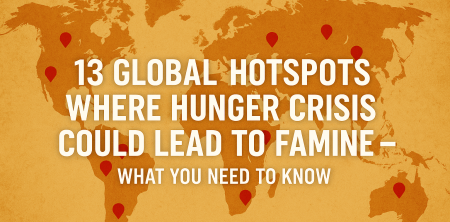
The global hunger crisis is escalating at an alarming rate, with the United Nations sounding the alarm about the dire conditions facing millions in 13 critical hotspots around the world. As conflict, climate change, and economic instability converge, the risk of famine looms larger than ever. Understanding the specifics of this crisis isn't just essential for awareness—it's vital for action. Here’s a deep dive into the regions most affected, the factors at play, and what can be done to combat this pressing issue.
1. The Impact of Conflict on Food Security:
Conflict remains one of the primary drivers of the global hunger crisis. In regions like Yemen, Syria, and South Sudan, ongoing violence disrupts agricultural production and access to food. For instance, in Yemen, a devastating civil war has led to widespread displacement and a nearly collapsed economy, leaving over 16 million people without enough to eat. The interplay between armed conflict and food security is complex, but the consequences are stark: as violence persists, starvation becomes a grim reality for many.
Furthermore, armed conflicts often hinder humanitarian efforts. Food aid that could alleviate suffering is frequently delayed or blocked entirely due to security concerns, putting millions at risk. The situation highlights the urgent need for conflict resolution in these regions as a precursor to achieving food security.
2. Climate Change: A Silent but Deadly Force:
The effects of climate change are increasingly evident in the global hunger crisis. Extreme weather events, such as droughts and floods, devastate agricultural output in many vulnerable regions. For example, in parts of East Africa, prolonged droughts have resulted in failed harvests, affecting food availability and prices. According to the UN, climate shocks are compounding existing vulnerabilities, pushing communities deeper into food insecurity.
The interplay between climate change and hunger isn’t merely a future concern; it's happening now. Countries like Ethiopia and Somalia have already seen significant declines in crop yields due to changing weather patterns, and without immediate intervention, these situations are likely to worsen. The need for sustainable agricultural practices and climate adaptation strategies has never been more urgent.
3. Economic Instability and Rising Food Prices:
Economic factors are also crucial contributors to the global hunger crisis. In many countries, soaring food prices driven by inflation and supply chain issues have pushed staple foods out of reach for millions. The UN reports that economic instability can lead to increased food insecurity, as families are forced to make tough choices between essential needs.
For instance, countries like Haiti have experienced catastrophic inflation, resulting in a scenario where even the most basic foods are unaffordable for the average citizen. As purchasing power declines, malnutrition rates soar, particularly among vulnerable populations such as children and pregnant women. Addressing the root economic issues is thus essential in combating the hunger crisis.
4. Humanitarian Response and Its Challenges:
Humanitarian organizations are doing their utmost to address the escalating hunger crisis, but they face significant challenges. Access to affected areas is often hampered by conflict or logistical difficulties, while funding shortfalls mean that aid organizations can’t meet the growing needs of those affected. The UN has identified that without a substantial increase in funding, lives will be lost.
Moreover, the scale of the crisis can overwhelm existing resources. In a report, the UN highlighted that they need billions of dollars in aid to combat the hunger crisis effectively. However, as the world grapples with multiple crises, securing sufficient funding for food security remains a daunting task. This lack of resources underscores the need for global solidarity and coordinated efforts to address the humanitarian needs.
5. Education and Awareness: A Path to Solutions:
Raising awareness about the global hunger crisis is critical in mobilizing support and resources. Education campaigns can inform the public about the realities of food insecurity and encourage advocacy for policy changes. Understanding the factors contributing to hunger is essential for fostering empathy and encouraging action among individuals and governments alike.
Social media has become a powerful tool for spreading awareness and galvanizing action. Various organizations regularly share stories from the ground, illustrating the plight of those affected by hunger. By amplifying these voices, we not only inform but also inspire action, creating a collective responsibility to combat this crisis. (See: Hunger and malnutrition fact sheet.)
6. Innovative Solutions for Food Security:
Amidst these challenges, innovative solutions are emerging that could help mitigate the global hunger crisis. Technologies such as precision agriculture and vertical farming are making waves in the agricultural sector, providing more efficient ways to grow food using fewer resources. These advancements can be particularly beneficial in urban areas where space is limited.
Additionally, community-based programs that promote local food production can help enhance food security. Engaging local populations in agricultural practices fosters resilience and empowers them to take control of their food sources. By combining traditional knowledge with modern techniques, communities can better withstand shocks from climate change or economic instability.
7. The Role of Global Cooperation:
Addressing the global hunger crisis requires international cooperation and commitment. Countries must work together to address the underlying issues contributing to food insecurity, including conflict resolution, climate action, and economic stability. Initiatives like the UN's Sustainable Development Goals (SDGs) outline a roadmap for collaborative efforts to end hunger.
Moreover, global partnerships can facilitate the sharing of resources and knowledge, enhancing food security worldwide. By fostering collaboration between governments, NGOs, and the private sector, a more resilient global food system can be developed, one that is less susceptible to shocks and crises.
8. Empowering Women in Agriculture:
Women play a crucial role in agricultural production, especially in developing countries. However, they often face significant barriers, including limited access to land, credit, and resources. Empowering women in agriculture can significantly impact food security and help combat the global hunger crisis.
Studies have shown that when women have equal access to resources, agricultural productivity increases, leading to improved food availability for families and communities. Programs that focus on training and supporting women farmers can create a ripple effect, enhancing household nutrition and overall community resilience.
9. The Future of Food Security: A Call to Action:
The global hunger crisis is not a distant problem; it’s a present-day emergency that requires immediate action. As we face a future marked by climate change and socio-economic challenges, prioritizing food security is more critical than ever. Advocating for policy changes at the local and global levels, supporting humanitarian efforts, and raising awareness about food insecurity are essential steps in combating this crisis. Iran's impact on energy security offers useful background here.
As individuals, we can also contribute by making informed choices about food consumption, reducing waste, and supporting ethical sourcing. Every action counts, and together, we can create a world where everyone has access to sufficient, safe, and nutritious food, helping to mitigate the risks of famine in the most vulnerable regions.
10. The Role of Technology in Combating Hunger:
Technology is playing an increasingly vital role in addressing the global hunger crisis. From mobile applications that connect farmers with buyers to advanced drone technology that monitors crop health, innovations are reshaping how food is produced and distributed. For instance, organizations like Farm Africa are using remote sensing technology to help farmers monitor weather patterns and soil conditions, allowing them to make better decisions about planting and harvesting.
In addition, blockchain technology is being used to enhance transparency in food supply chains, ensuring that food products reach those in need without being lost to corruption or inefficiency. These technological advancements not only streamline processes but also empower farmers by providing them with the tools and information necessary to increase their productivity and income.
11. Regional Focus: Hotspots of Food Insecurity:
While the global hunger crisis is pervasive, specific regions are experiencing the worst of it. For instance, in the Horn of Africa, countries like Somalia and Ethiopia are facing acute food shortages due to ongoing droughts and conflict. The UN estimates that over 20 million people in the region are in urgent need of food assistance, with children being disproportionately affected.
Similarly, the Sahel region is battling both climate change and conflict, resulting in skyrocketing food prices and displacement. These regions require targeted interventions to address both the immediate needs and the underlying causes of hunger. This means investing in infrastructure, education, and conflict resolution, all while adapting to changing environmental conditions.
12. Rural Development and Food Security:
Rural areas are often the most affected by food insecurity, yet they are also where the majority of agricultural production occurs. Investing in rural development is critical for addressing the global hunger crisis. Improving infrastructure, such as roads and storage facilities, can significantly enhance access to markets for farmers. Additionally, providing training and resources for sustainable farming practices can enhance productivity and food security. (See: Nutrition and food security at CDC.)
Programs that promote agroecology—a holistic approach to farming that emphasizes sustainability—are gaining traction. By encouraging biodiversity and reducing reliance on chemical inputs, agroecological practices can improve soil health and resilience to climate change, ultimately contributing to food security.
13. Statistics and Facts about Global Hunger:
To truly understand the scale of the global hunger crisis, consider the following statistics:
- According to the UN, approximately 828 million people worldwide experienced hunger in 2021.
- One in ten people globally is undernourished, with the highest rates found in Africa.
- Conflict is a primary driver of food insecurity, affecting over 70 million people in crisis-affected countries.
- Climate change is set to push an additional 100 million people into extreme poverty by 2030, worsening food insecurity.
- Investments of $39 billion annually in food security could help lift 500 million people out of hunger by 2030.
14. Frequently Asked Questions (FAQ):
What are the primary causes of the global hunger crisis?
The primary causes include conflict, climate change, economic instability, and poor governance. These factors work together, creating a complex web that exacerbates food insecurity.
How can I help in combating global hunger?
You can support organizations that work on food security, advocate for policy changes, reduce food waste, and educate others about the issue. Small actions can add up to significant impacts.
What role does government play in addressing food insecurity?
Governments are crucial in implementing policies that promote food security, such as investing in agriculture, improving infrastructure, and ensuring social safety nets for vulnerable populations.
Can technological advancements really make a difference?
Yes, technology can enhance agricultural efficiency, improve supply chain transparency, and help farmers access crucial information. By leveraging technology, we can improve food production and distribution systems.
What can individuals do to reduce food waste?
Individuals can plan meals better, store food correctly, donate excess food, and compost organic waste. Reducing food waste at the consumer level can significantly lessen the strain on food systems.
How does climate change specifically affect agriculture?
Climate change leads to erratic weather patterns, increased frequency of extreme weather events, and challenges such as soil degradation, all of which can diminish crop yields and disrupt food supply chains. For more on this, see strategic benefits of renewable energy.
15. Innovative Policy Approaches to Tackle Hunger:
Beyond technological innovations, governments and organizations are exploring various policy approaches to address the global hunger crisis. These range from direct assistance programs to structural changes in food distribution systems. For example, unconditional cash transfer programs allow families to purchase food according to their needs, promoting local economies and empowering individuals.
In addition, policies that focus on food sovereignty—recognizing the rights of communities to define their agricultural systems—are gaining traction. This approach emphasizes local control over food production and access, prioritizing sustainable practices that align with community needs and environmental stewardship.
16. Case Studies: Successful Interventions:
There are several case studies highlighting successful interventions aimed at combating the global hunger crisis. For instance, in Brazil, the Zero Hunger Program has dramatically reduced food insecurity through a combination of social assistance, food distribution, and support for small-scale farmers. This multi-faceted approach has lifted millions out of poverty and improved overall nutrition.
In Bangladesh, the introduction of climate-resilient crop varieties has helped farmers adapt to changing weather patterns. By investing in research and development, the country has seen increases in crop yields, helping to stabilize food supply in the face of climate challenges.
17. The Economic Benefits of Addressing Hunger:
Addressing the global hunger crisis is not just a moral imperative; it also has significant economic benefits. According to the World Bank, investments in nutrition can yield a return of up to $16 for every dollar spent. Improved nutrition leads to healthier populations, which in turn drives economic growth and productivity.
Moreover, when families have access to sufficient food, they are better equipped to contribute to their local economies, creating a cycle of prosperity. Reducing hunger can also decrease healthcare costs associated with malnutrition and diet-related diseases, freeing up resources for other critical areas of development.
18. Building Resilience Against Future Crises:
As we look to the future, building resilience against future crises is paramount. This involves not only addressing immediate food insecurity but also creating systems that can withstand shocks from conflict, climate change, and economic upheaval. Implementing strategies such as diversified farming systems, community-based disaster risk management, and sustainable resource management can help communities better withstand unexpected challenges.
Engaging youth in agriculture and food systems is also essential for building resilience. By fostering interest and investment in agriculture among younger generations, we can ensure a sustainable future for food production. Educational programs that emphasize the importance of food security and sustainable practices can empower youth to become leaders in their communities.
19. The Importance of Global Reporting and Accountability:
Transparency and accountability are crucial in the fight against the global hunger crisis. Countries and organizations must regularly report on their progress in achieving food security and addressing hunger. Initiatives like the Food Security Information Network (FSIN) provide critical data and analysis on food security trends, helping policymakers and stakeholders make informed decisions.
Moreover, holding governments accountable for their commitments to end hunger can drive action and ensure that resources are allocated effectively. Civil society organizations play a vital role in this, advocating for transparency and pushing for policies that prioritize food security.
20. Conclusion: A Collective Responsibility:
The global hunger crisis is a multifaceted issue that requires concerted efforts from individuals, governments, NGOs, and the private sector. While challenges abound, the intersection of innovation, education, and global cooperation offers hope. By recognizing that food security is a shared responsibility, we can work towards a future where everyone has access to nutritious food, free from the specter of hunger.
```
Trending Now
Frequently Asked Questions
What are the main causes of the global hunger crisis?
The global hunger crisis is primarily driven by conflict, climate change, and economic instability. Ongoing violence disrupts agricultural production and access to food, while extreme weather events like droughts and floods devastate crops, compounding food insecurity.
Which regions are most affected by the hunger crisis?
Thirteen critical hotspots have been identified, including Yemen, Syria, and South Sudan. These regions face severe food insecurity due to ongoing conflict, economic collapse, and climate-related challenges.
How does conflict impact food security?
Conflict drastically impacts food security by disrupting agricultural production and hindering access to food. In war-torn areas like Yemen and South Sudan, violence leads to widespread displacement and economic collapse, leaving millions without adequate nutrition.
What role does climate change play in food insecurity?
Climate change exacerbates food insecurity through extreme weather events such as droughts and floods, which destroy crops and disrupt agricultural systems. These climate shocks push vulnerable communities deeper into hunger.
What can be done to combat the hunger crisis?
Addressing the hunger crisis requires a multi-faceted approach, including conflict resolution to ensure access to food aid, implementing climate adaptation strategies, and supporting economic stability in affected regions to enhance food security.
Agree or disagree? Drop a comment and tell us what you think.

