```html
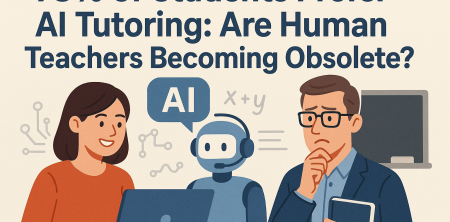
In a sweeping shift that has left educators and parents alike reeling, a recent study reveals that a staggering 78% of high school students now favor AI tutoring chatbots over traditional human teachers for exam preparation. This seismic change highlights a troubling trend in education as students increasingly turn to technology for help with their studies. But what does this mean for the future of education?
1. The Study: Key Findings
The study, conducted by a leading educational research firm, surveyed thousands of high school students across the nation. The results were undeniable: 78% of respondents preferred using AI chatbots for their exam prep. Reasons cited included the immediacy of responses and a lack of judgment, factors that made students feel more comfortable seeking help. Unlike in human interactions where students might fear embarrassment for asking "stupid questions," AI tutoring offers a judgment-free zone.
This preference isn't just anecdotal; the numbers speak for themselves. Since January 2026, downloads of AI tutoring applications have surged by 300%. This rapid adoption indicates a significant cultural shift toward integrating technology into educational practices. With students embracing the convenience of AI tutoring, educators are compelled to reassess their roles.
2. Instant Answers and Zero Judgment
One of the most compelling factors driving students toward AI tutoring is the ability to receive instant answers. In an age where immediacy is the norm—thanks to smartphones and social media—students have come to expect quick resolutions to their questions. AI tutoring systems can provide this immediate feedback, answering queries 24/7 without the time constraints that come with traditional schooling.
Moreover, the zero-judgment aspect of AI tutoring resonates deeply with students. The fear of being judged can deter students from engaging in the learning process. AI chatbots allow for a more personalized and non-threatening educational experience, enabling students to explore topics at their own pace without the anxiety that often accompanies human interaction.
3. Impact on Critical Thinking Skills
While the benefits of AI tutoring are evident, the implications for critical thinking skills are troubling. Educators worry that an over-reliance on AI may stifle students' ability to think critically and solve problems independently. The concern is that students may settle for the quick answers provided by chatbots instead of engaging deeply with the material.
Researchers suggest that, while AI can enhance learning by providing support, it should not replace the essential discussions and debates that happen in a classroom setting. Human teachers foster an environment where complex ideas can be explored, challenged, and discussed, elements that are difficult to replicate with AI. The need for balance is more crucial than ever as we enter this new era of education.
4. Parents’ Concerns: AI vs Human Tutoring
The preferences of students have sparked an urgent debate among parents. Many are now actively searching for information about "AI vs human tutoring," concerned that their children may be falling behind in traditional education. Parents want to ensure their children are not only academically successful but also developing the social and emotional skills that come from interaction with human educators.
This growing concern is fueled by the fear that if students are solely relying on AI tutoring, they may lack the essential interpersonal skills required in the workforce. Parents are questioning how this shift might affect their children's future, leading to a wave of conversations about the role of technology in education.
5. The Educators’ Perspective
Educators are in a unique position as they witness this trend unfold. Many are grappling with feelings of frustration and concern for their students’ future. The traditional role of teachers as facilitators of knowledge and skills is being challenged by the rise of AI tutoring. Teachers are worried that they may be seen as obsolete, rendered unnecessary by technology.
However, some educators view this as an opportunity rather than a threat. They argue that AI tutoring can complement traditional teaching methods, providing support to students who may need extra help outside of the classroom. By integrating AI tools into their teaching strategies, educators can enhance their effectiveness and provide a more personalized learning experience.
6. Social Media Buzz: AI Tutoring Goes Viral
The conversation around AI tutoring has exploded on social media, with many users sharing their personal experiences and opinions. Posts detailing how AI has replaced some traditional learning methods have garnered immense attention, challenging the long-held belief that human interaction is essential for education. (See: Education and its impact on health.)
This buzz on social media reflects a larger cultural shift, as students are comfortable sharing their feelings toward educational tools. It’s clear that the narrative around AI tutoring is evolving, as more people recognize its potential benefits. However, it’s also a space where concerns are voiced, reminding us that technology's role in education is complex and multifaceted.
7. What Lies Ahead for AI Tutoring?
As we move deeper into the AI tutoring landscape, the future of education seems to be at a crossroads. With a significant percentage of students opting for AI over human interaction, there will likely be a push for schools to integrate AI tools into their curriculums. This could lead to a hybrid model of education, where traditional teaching and AI tutoring co-exist.
In integrating AI, educators will need to establish guidelines to ensure technology enhances learning without undermining critical thinking or social skills. The key will be to strike a balance that allows students to reap the benefits of AI while still engaging meaningfully with their peers and teachers.
8. Final Thoughts: The Future of Learning
The rise of AI tutoring represents a dramatic shift in how students prepare for exams and engage with learning materials. While it offers undeniable benefits, it raises important questions about the role of human teachers and the necessity of interpersonal interactions in education. As technology continues to evolve, so too must our strategies for teaching and learning. This builds on Lexia's insights on tech choices.
Ultimately, the goal should be to create an educational landscape where AI tutoring enhances, rather than replaces, the human elements of learning. It's a challenging journey, but one that we must navigate thoughtfully to prepare students for a future that blends technology with essential human skills.
9. Advantages of AI Tutoring
AI tutoring offers several advantages that make it a compelling alternative to traditional learning methods. Firstly, it is highly accessible; students can engage with AI tutors at any time and from anywhere, which is particularly beneficial for those who may have busy schedules or limited access to human tutors. Furthermore, AI tutoring programs often use sophisticated algorithms to adapt to a student’s learning style, personalizing the educational experience in ways that can be more challenging for human tutors to achieve.
Additionally, AI tutoring can cater to various subjects and learning levels simultaneously, providing equal support to students struggling with different topics. This flexibility is a game-changer, especially in diverse classrooms where students have a wide range of abilities and needs.
10. Case Studies: Success Stories in AI Tutoring
Several schools and educational programs have successfully integrated AI tutoring into their curriculum, showcasing its effectiveness. For example, a high school in California implemented AI tutoring software for math and science classes. The results were remarkable; students using the AI tool not only improved their grades by an average of 15% but also reported higher levels of engagement during lessons.
Similarly, a tutoring center in New York City began using AI chatbots to supplement their human tutors. They found that students were able to get immediate help on problems they struggled with, which helped reinforce concepts learned during sessions with human tutors. The data collected from these implementations support the idea that when used effectively, AI tutoring can significantly enhance educational outcomes.
11. Statistics on AI Tutoring Adoption
The statistics around AI tutoring are compelling. According to recent studies, 83% of students using AI tutoring reported increased confidence in their academic abilities. Additionally, 70% of educators noted that AI tutoring tools helped students stay engaged with their studies, particularly in subjects they previously found challenging.
Furthermore, a survey indicated that 60% of parents are open to integrating AI tutoring into their children's learning, reflecting a growing acceptance of technology in education. These statistics paint a picture of a shifting landscape where AI tutoring is not just a trend but a potentially transformative element in educational practices.
12. Comparative Analysis: AI vs Traditional Tutoring
When comparing AI tutoring to traditional tutoring, there are several factors to consider. AI tutoring often provides immediate feedback, while traditional tutoring relies on scheduled sessions that may not address a student's questions in real-time. This immediacy can be particularly beneficial for students who may need clarification outside of standard classroom hours.
On the other hand, human tutors can offer empathy and understanding that AI currently cannot replicate. They can read nuances in a student’s expression or tone, enabling them to adjust their teaching style accordingly. This emotional intelligence is crucial for building a supportive learning environment that encourages student motivation and resilience. (See: Youth Risk Behavior Surveillance System.)
Ultimately, the best approach may not be an either-or situation but rather a blended model that leverages the strengths of both AI and human tutoring. This combination could ensure that students benefit from the personalized, adaptable nature of AI while also receiving the emotional support and mentorship that human tutors provide.
13. Expert Perspectives on AI Tutoring
Experts in educational technology emphasize the importance of blending AI with traditional teaching methods. Dr. Emily Chen, an education researcher, states, "AI tutoring can act as a supplementary tool that empowers students to take charge of their learning. However, we must ensure that it doesn’t replace the critical discussions that happen in a classroom." This sentiment is echoed by several educators who argue for a collaborative model where AI supports, rather than supersedes, the human element in education.
In contrast, tech entrepreneurs like Sam Patel, founder of an AI tutoring startup, argue, "The future is AI-driven. We can analyze student behaviors in real-time and adapt lessons instantaneously. This is something human tutors simply cannot do at scale." This perspective highlights the potential for AI to revolutionize personalized learning, yet it raises questions about the irreplaceable value of human interaction in education.
14. Frequently Asked Questions (FAQ)
1. What is AI tutoring?
AI tutoring refers to the use of artificial intelligence technology to provide personalized educational assistance to students. This can include chatbots, learning platforms, and applications that adapt to individual student needs.
2. How does AI tutoring benefit students?
Students benefit from AI tutoring through immediate feedback, personalized learning experiences, and increased accessibility. It allows them to engage with subjects at their own pace and without the pressure of judgment from peers or teachers.
3. Can AI tutoring replace human teachers?
While AI tutoring can enhance learning, it is unlikely to fully replace human teachers. Educators provide emotional support, mentorship, and the ability to foster critical discussions that AI cannot replicate.
4. Is AI tutoring effective for all subjects?
AI tutoring has shown effectiveness across various subjects, particularly in math and science. However, its success may vary depending on the complexity of the material and the individual's learning style.
5. Are there any downsides to using AI tutoring?
Some potential downsides include a lack of emotional engagement, possible over-reliance on technology, and the risk of not developing necessary social skills. Balancing AI tutoring with human interaction is crucial for a well-rounded educational experience.
6. How can parents support their children in using AI tutoring?
Parents can support their children by encouraging them to use AI tutoring as a supplement to their studies, monitoring their progress, and ensuring they engage with human teachers and peers for a balanced learning experience.
7. What should educators consider when implementing AI tutoring?
Educators should assess the specific needs of their students, ensure that AI tools align with curriculum goals, and strike a balance that integrates technology while maintaining the critical human elements of education.
15. The Role of AI Tutoring in Bridging Educational Gaps
AI tutoring has the potential to bridge significant educational gaps, particularly in underserved communities. Many students in low-income areas face barriers such as lack of access to quality educational resources and experienced tutors. AI tutoring can act as a supplementary tool that provides these students with the support they need outside school hours.
For example, a study found that students in rural areas who used AI tutoring platforms improved their math scores by an average of 20% over a semester, highlighting the capability of AI to provide assistance where traditional means may fall short. This accessibility can promote equity in education, offering all students the chance to succeed regardless of their background. (See: Associated Press Education News.)
16. Ethical Considerations in AI Tutoring
As the use of AI tutoring grows, ethical considerations become increasingly important. Issues such as data privacy, algorithmic bias, and the implications of relying heavily on technology for education need to be addressed. For instance, many AI tutoring systems collect and analyze vast amounts of student data to personalize learning experiences. This raises questions about how this data is used, who has access to it, and how it is protected.
Additionally, there is concern about the potential for AI algorithms to inadvertently perpetuate biases present in the data they were trained on. This can affect the quality of the tutoring received by students from diverse backgrounds. Ensuring fairness and transparency in AI tutoring systems is crucial for maintaining trust and efficacy in these educational tools.
17. Future Trends in AI Tutoring
Looking ahead, several trends are likely to shape the future of AI tutoring. One emerging trend is the integration of AI with virtual and augmented reality to create immersive learning experiences. For example, platforms that combine AI tutoring with VR can simulate real-world scenarios, providing students with practical applications of their knowledge.
Additionally, personalized AI tutoring is expected to evolve with advancements in natural language processing and machine learning. This will allow AI to better understand students' emotions and adapt its responses accordingly, creating a more interactive and engaging learning environment.
As AI continues to advance, the possibility of incorporating gamification into AI tutoring will also be explored. Gamified learning experiences can enhance motivation and engagement, making education more enjoyable and effective for students.
18. Implementing AI Tutoring in Schools: Best Practices
For schools looking to integrate AI tutoring into their programs, certain best practices should be considered. Firstly, professional development for educators is essential. Teachers need training to understand how to effectively incorporate AI tools into their teaching methods and how to complement them with traditional educational practices.
Secondly, schools should choose AI tutoring platforms that align with their curriculum goals and provide comprehensive support for various subjects. Pilot programs can be beneficial, allowing schools to test out different tools and gather feedback from both students and teachers before a full rollout.
Lastly, schools should establish a framework for assessing the effectiveness of AI tutoring. Collecting data on student performance and engagement will help educators determine the impact of AI on learning outcomes and make necessary adjustments to their approach. There's a fuller look at white paper on educational tools.
```
Trending Now
Frequently Asked Questions
Why do students prefer AI tutoring over human teachers?
Students prefer AI tutoring because it offers instant answers and a judgment-free environment. The ability to receive immediate feedback without the fear of embarrassment encourages students to seek help more freely, making AI chatbots a popular choice for exam preparation.
What are the key findings of the study on AI tutoring?
The study found that 78% of high school students favor AI tutoring chatbots for exam prep. It highlighted the surge in AI app downloads by 300% since January 2026, indicating a significant shift towards technology in education.
How has AI tutoring changed the education landscape?
AI tutoring has transformed the education landscape by providing students with immediate access to help, increasing engagement, and challenging traditional teaching methods. Educators are now reassessing their roles as technology becomes a central part of learning.
What benefits do AI tutoring systems offer students?
AI tutoring systems offer several benefits, including 24/7 access to information, instant feedback, and a non-judgmental space for students to ask questions. This convenience aligns with students' expectations for quick resolutions in today's fast-paced world.
Are human teachers becoming obsolete due to AI tutoring?
While AI tutoring is gaining popularity, it does not necessarily mean human teachers are becoming obsolete. Instead, the role of teachers may evolve, focusing more on personalized instruction and mentorship alongside technological tools.
What did we miss? Let us know in the comments and join the conversation.

