```html
In an age where our children are practically born with a screen in their hands, the struggle for online safety for kids feels like an endless uphill battle. You're constantly worried, aren't you? What are they watching? Who are they talking to? Are they truly safe in that vast, often bewildering digital world? It's a question that keeps millions of parents awake at night, and for good reason. The internet, while an incredible tool, can also be a minefield, especially for impressionable young minds.
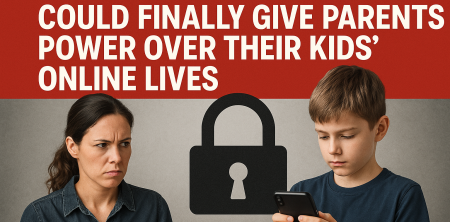
It's a sentiment clearly shared by U.S. Congressman Josh Gottheimer, a Democrat representing New Jersey's 5th Congressional District, who recently stepped forward with a proposed solution that has many parents buzzing with a mix of hope and cautious optimism. On October 1, 2026, Congressman Gottheimer announced the bipartisan "Parents Decide Act," legislation designed to put the reins back in parents' hands when it comes to their children's online access. This isn't just another political announcement; it's a direct response to what many see as a critical failure in the current digital ecosystem, where tech giants often dictate the rules, and parents are left scrambling to keep up.
The core idea behind the "Parents Decide Act" is simple yet profound: parents, not tech companies, should have the ultimate say in what their children can access online. It sounds like common sense, doesn't it? But for years, the reality has been anything but. We've seen a disturbing trend where children, some as young as elementary school age, are navigating complex social media platforms, often unsupervised and exposed to content far beyond their developmental stage. This bill aims to change that, offering a beacon of hope for families grappling with the ever-present challenges of online safety for kids.
The Disturbing Reality: Kids and Social Media's Digital Wild West
Let's be brutally honest: the statistics surrounding children and social media are nothing short of alarming. We're not talking about a few isolated cases; we're talking about a widespread phenomenon that's deeply impacting an entire generation. Congressman Gottheimer's announcement didn't pull any punches, highlighting the disturbing reality that many children under the age of 13 possess multiple social media accounts. Think about that for a moment: kids who aren't even teenagers yet are juggling profiles on platforms designed for older users, often by simply lying about their age.
Consider the sheer scale of the issue. Studies indicate that a staggering 95% of American teens are actively using social media. While that number itself is high, the real kicker is the significant proportion of children *under 13* who are also accessing these platforms. They're not just peeking over an older sibling's shoulder; they're creating their own profiles, engaging with content, and often, without adequate parental oversight. Platforms like TikTok and Instagram, with their seemingly endless scroll of videos and images, have become ubiquitous, pulling in younger and younger users with their addictive algorithms.
The problem isn't just access; it's the ease with which age restrictions are bypassed. A child can simply type in a fake birthdate, click a button, and suddenly they're in, exposed to a world of content they're not ready for. This isn't a glitch; it's a systemic loophole that tech companies have, wittingly or unwittingly, allowed to persist. It's a clear indication that the current safeguards are failing, leaving parents feeling powerless against the sophisticated design of these platforms, which are often engineered to maximize engagement, regardless of the user's age or vulnerability.
The Unseen Dangers: Harmful Content and Mental Health Risks
Beyond simply gaining access, the real concern for parents and policymakers alike is the kind of content children are exposed to once they're online. Imagine your 10-year-old stumbling upon graphic violence, explicit material, or extremist ideologies. It's a terrifying thought, and unfortunately, it's a daily reality for many young users. The algorithms that power these platforms, designed to keep users engaged, can inadvertently (or sometimes directly) funnel children towards inappropriate or even dangerous material. They learn what keeps a user hooked, and sometimes, that means showing them things that are anything but wholesome.
But it's not just explicit content that poses a threat. The impact on mental health is perhaps even more insidious and widespread. Constant exposure to curated, often unrealistic portrayals of life can lead to body image issues, anxiety, depression, and a pervasive sense of inadequacy in children and teens. The pressure to present a perfect online persona, the fear of missing out (FOMO), and the relentless pursuit of likes and validation can be incredibly detrimental to developing minds. Studies have increasingly linked excessive social media use in young people to a rise in mental health challenges, a connection that cannot be ignored.
Cyberbullying is another dark facet of this digital landscape. Hiding behind screens, some individuals feel emboldened to harass, intimidate, and torment others, often with devastating consequences. Children, particularly those who are already vulnerable, can become targets, and the pervasive nature of online interactions means there's often no escape. The "Parents Decide Act" is a direct effort to mitigate these risks by giving parents the tools to prevent their children from being exposed to such harmful elements in the first place, allowing them to create a safer, more controlled online environment. (See: CDC online safety resources for parents.)
The "Parents Decide Act": What Does It Propose?
So, what exactly does this proposed legislation entail? While the full text of the "Parents Decide Act" will offer the granular details, the core principle, as articulated by Congressman Gottheimer, is about empowerment. It's designed to shift the power dynamic from the tech companies, who currently set the default settings and age gates, to the parents who are ultimately responsible for their children's well-being. This isn't about banning social media outright, but rather about ensuring that access is a conscious, parental choice.
One of the central tenets of the bill is likely to focus on stricter age verification mechanisms. The current system, where a child can simply lie about their age, is clearly insufficient. The Act will likely mandate more robust methods for platforms to verify the age of their users, making it significantly harder for children under 13 to create accounts. This could involve linking accounts to parental identification, utilizing advanced AI for age estimation, or other innovative solutions that move beyond a simple checkbox. The goal is to create a genuine barrier, not just a speedbump.
Furthermore, the legislation is expected to include provisions that give parents greater control over the types of content their children can access, even on platforms they are permitted to use. This could manifest as enhanced parental control dashboards, allowing parents to filter specific categories of content, restrict interaction with unknown users, or set time limits for usage. The underlying philosophy is that parents are the primary decision-makers, and technology should facilitate, not obstruct, their ability to guide their children's digital experiences. It's a proactive approach to online safety for kids, rather than a reactive one.
Why Bipartisan Support Matters for Online Safety for Kids
The fact that the "Parents Decide Act" is a bipartisan effort is incredibly significant. In today's often polarized political climate, finding common ground on anything, let alone technology regulation, can feel like a Herculean task. The united front on this issue underscores the universal concern about children's online safety. It transcends political ideologies, appealing to the fundamental instinct of parents from all walks of life to protect their kids.
When legislation garners bipartisan support, it significantly increases its chances of moving through Congress and ultimately becoming law. This isn't seen as a Democrat issue or a Republican issue; it's a children's issue, a family issue, and a societal issue. Both sides of the aisle recognize the pervasive public concern and the perceived helplessness of parents against the might of tech giants. This shared understanding provides powerful momentum for the bill, indicating a strong desire across the political spectrum to address what many see as an unchecked problem.
A bipartisan approach also signals to tech companies that this isn't a fleeting political whim, but a serious and sustained push for change. It sends a clear message that lawmakers are united in their resolve to ensure greater accountability and protection for young users. This broad consensus can be a powerful catalyst for meaningful reform, pushing platforms to re-evaluate their current practices and prioritize user safety over engagement metrics, especially when it comes to the most vulnerable members of society.
The Tech Giant Dilemma: Profit vs. Protection
Here's the uncomfortable truth: for years, many tech companies have operated with a primary focus on growth and engagement, sometimes at the expense of user safety, particularly for younger demographics. The business model of social media often relies on maximizing screen time and data collection, which can create a conflict of interest when it comes to protecting children. The more time users spend on a platform, the more ads can be shown, and the more data can be gathered, fueling the company's bottom line.
While many platforms have implemented some form of age restrictions and parental controls, these have often been criticized as insufficient or easily circumvented. Critics argue that these measures are often reactive, implemented only after public outcry or regulatory pressure, rather than being built into the core design of the platforms from the outset. The "Parents Decide Act" aims to address this head-on by mandating a higher standard of protection, forcing tech companies to reconsider their design choices and prioritize the well-being of young users.
This legislation could force a fundamental shift in how tech companies approach their responsibilities. It moves beyond voluntary guidelines and into the realm of legal obligation. The debate will undoubtedly involve intense lobbying from tech companies, who may argue against increased regulation, citing concerns about innovation or the feasibility of implementing stricter controls. However, the bipartisan nature of this bill suggests that lawmakers are prepared to push back, asserting that the protection of children must take precedence over corporate profits.
Parents' Perceived Helplessness and the Call for Action
One of the driving forces behind the "Parents Decide Act" is the palpable sense of helplessness many parents feel. They're trying their best to navigate the digital world, but it often feels like they're playing whack-a-mole with new apps, trends, and challenges that emerge daily. The sheer speed of technological change, coupled with the sophisticated design of social media platforms, can leave even the most tech-savvy parents feeling outmatched.
You want to protect your children, but how do you effectively do that when they have access to a device that connects them to billions of people and an endless stream of content? The current landscape often leaves parents feeling like they're constantly reacting to problems rather than proactively preventing them. This bill is a direct response to that frustration, aiming to provide concrete tools and legal backing for parents to exert greater control and influence over their children's online lives. It's about giving them a fighting chance. (See: New York Times on children's online safety.)
The public outcry isn't just about general concern; it's specific and pointed. Parents are tired of seeing their children exposed to harmful content, cyberbullying, and the pervasive pressures of social media. They're demanding accountability from tech companies and a clear framework for online safety for kids. The "Parents Decide Act" taps into this widespread sentiment, offering a legislative pathway to address these deep-seated anxieties and empower parents in a way that feels genuinely impactful.
The Broader Impact: Reshaping the Digital Landscape for Youth
If passed, the "Parents Decide Act" could have far-reaching implications, fundamentally reshaping the digital landscape for children and teenagers. It wouldn't just be about stricter age gates; it would signal a new era of accountability for social media platforms. Companies might be compelled to redesign their user interfaces, algorithms, and content moderation policies with the specific vulnerabilities of young users in mind, rather than as an afterthought.
Imagine a future where platforms are designed not just to be engaging, but to be inherently safer for children. This could mean more transparent content filtering options, clearer privacy settings that default to the highest level of protection for minors, and even new features that facilitate parental oversight in a user-friendly way. It could also spur innovation in the development of truly age-appropriate digital experiences, rather than simply retrofitting adult platforms for younger users.
Beyond the immediate impact on social media, this legislation could set a precedent for other online services and apps that cater to or are accessed by children. It could inspire a broader movement towards prioritizing online safety for kids across the entire tech industry, forcing a re-evaluation of ethical design principles and corporate responsibility. The ripple effect could be transformative, creating a safer and more nurturing digital environment for the next generation.
Expert Perspectives on Children's Online Safety
It's not just parents and politicians sounding the alarm; child development specialists, psychologists, and educators have long highlighted the risks children face online. Dr. Sarah Miller, a developmental psychologist specializing in adolescent behavior, notes, "Children's brains are still developing critical executive functions like impulse control and risk assessment. They're inherently more susceptible to the manipulative aspects of social media, from addictive scroll patterns to validation-seeking behaviors." She emphasizes that expecting children to self-regulate in such an environment is unrealistic, making external safeguards, whether parental or legislative, absolutely essential for online safety for kids.
Furthermore, research from organizations like the American Academy of Pediatrics consistently recommends limiting screen time for young children and emphasizes the importance of media literacy education. They point out that even "safe" content can be problematic if it displaces crucial real-world interactions, imaginative play, and physical activity. The consensus among experts is clear: the digital world, while offering benefits, must be approached with caution and deliberate protection for young users.
Technology ethicists also weigh in, arguing that platforms have a moral obligation to protect their most vulnerable users. Dr. David Chen, a leading voice in digital ethics, states, "The 'move fast and break things' mantra of early tech development simply doesn't apply when children's well-being is at stake. Companies need to adopt 'safety by design' principles, where the protection of children is integrated from the very first concept, not patched on later." This perspective reinforces the idea that the "Parents Decide Act" isn't an overreach, but a necessary correction to an industry that has, for too long, prioritized engagement over ethical responsibility.
A Look at International Approaches to Online Child Safety
The United States isn't alone in grappling with the challenges of online safety for kids. Many countries globally have implemented or are developing their own legislative frameworks to protect children in the digital sphere. The European Union, for example, has been a trailblazer with its General Data Protection Regulation (GDPR), which includes specific provisions for children's data and requires parental consent for data processing of users under a certain age (typically 13 or 16, depending on the member state). This has pushed tech companies to be more mindful of how they collect and use data from young people.
The UK has introduced its Age Appropriate Design Code, often called the "Children's Code," which sets out 15 standards that online services likely to be accessed by children must meet. These standards cover everything from privacy settings defaulting to high levels, to clear explanations of how data is used, and prohibiting "nudge techniques" that encourage children to provide more personal data or spend more time online. This proactive, design-centric approach has set a global benchmark for how to build safer digital products for children. (See: WHO fact sheet on adolescent health.)
Comparing these international efforts to the "Parents Decide Act" highlights a growing global consensus. While the specifics differ, the core aim remains the same: empower parents, hold tech companies accountable, and prioritize the well-being of children. The US legislation could learn from the successes and challenges faced by these other nations, potentially integrating best practices to create an even more robust and effective framework for online safety for kids.
Beyond Legislation: What Else Can Parents Do Now?
While the "Parents Decide Act" offers a promising legislative solution, it's crucial to remember that its passage and implementation will take time. In the interim, and even after it becomes law, parents still have a vital role to play in ensuring online safety for kids. Legislation provides a framework, but active parental engagement remains indispensable. So, what steps can you take right now?
First, and perhaps most importantly, open a dialogue with your children. Talk to them regularly about what they're doing online, who they're interacting with, and what content they're consuming. Foster an environment where they feel comfortable coming to you with concerns or if they encounter something unsettling. Make it clear you're there to help, not to judge or immediately restrict access, which can sometimes lead to kids hiding their online activities.
Second, utilize the parental controls that *do* exist, imperfect as they may be. Most devices, operating systems, and even some individual apps offer settings that can help manage screen time, filter content, and restrict purchases. While these aren't foolproof, they provide an important layer of protection. Consider using third-party parental control apps that offer more robust features. Educate yourself on the privacy settings of the platforms your children use and adjust them to the highest level of protection.
Finally, lead by example. Your own digital habits influence your children. Demonstrate responsible screen time, mindful engagement, and a healthy balance between online and offline activities. Engage in shared online experiences with your kids, whether it's playing a game together or watching an educational video. This not only strengthens your bond but also gives you direct insight into their digital world, empowering you to guide them more effectively through the complexities of online safety for kids.
The "Parents Decide Act" represents a significant step towards a safer digital future for our children. It's a testament to the idea that collective action and legislative will can stand up to the unchecked power of technology. While the journey is long, the conversation has begun, and hopefully, true empowerment for parents is finally within reach.
```
Trending Now
Frequently Asked Questions
What is the Parents Decide Act?
The Parents Decide Act is a proposed bipartisan legislation introduced by Congressman Josh Gottheimer aimed at giving parents control over their children's online access. This act seeks to ensure that parents, rather than tech companies, have the final say on what content their kids can view, addressing growing concerns over children's safety in the digital space.
Why do parents need more control over kids' online activities?
Parents need more control over their children's online activities due to the increasing exposure to inappropriate content and the complexities of social media platforms. With children navigating these digital spaces often unsupervised, the Parents Decide Act aims to empower parents to make informed decisions regarding their children's online safety.
How does the Parents Decide Act aim to improve online safety for children?
The Parents Decide Act aims to improve online safety for children by establishing guidelines that prioritize parental authority over children's online access. This legislation intends to create a safer digital environment by enabling parents to restrict access to harmful content and monitor their children's online interactions.
What concerns do parents have about kids and social media?
Parents are increasingly concerned about their children's exposure to inappropriate content, cyberbullying, and the potential for online predators on social media platforms. The Parents Decide Act addresses these concerns by advocating for parental control and oversight in managing children's online experiences.
When was the Parents Decide Act announced?
The Parents Decide Act was announced on October 1, 2026, by Congressman Josh Gottheimer. This legislation is a response to the urgent need for parents to regain authority over their children's online activities, amidst growing fears regarding the safety of kids in the digital landscape.
What did we miss? Let us know in the comments and join the conversation.

