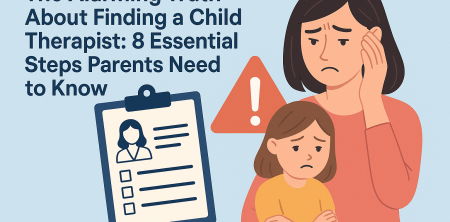
As a parent, few things are more unsettling than watching your child struggle emotionally or behaviorally, feeling powerless to help. In an era where the pediatric mental health crisis is not just a headline but a lived reality for countless families, figuring out how to choose a child therapist can feel like navigating a minefield blindfolded. With alarming statistics like only half of adolescents receiving the mental health support they need, and waitlists for care stretching to a hundred children in some places, as noted by clinical psychologist Rachel Levy-Bell at Boston Medical Center (BMC), the urgency is palpable. It's a daunting task, but a crucial one. You want the best for your child, and finding the right therapist is a monumental step in that direction.
It’s not just about finding 'a' therapist; it's about finding the *right* one – someone who clicks with your child, understands their unique challenges, and employs effective strategies. This isn't a one-size-fits-all scenario. Just like you wouldn't pick a doctor for a physical ailment without considering their specialization, the same thoughtful approach is vital when it comes to mental health. So, how do you even begin to sift through the options? Let's break down the essential steps to help you confidently determine how to choose a child therapist for your family.
1. Understand the Specific Needs of Your Child: Pinpointing the Core Issue
Before you even start looking for names, you need to have a clear, albeit perhaps preliminary, understanding of what your child is going through. Is it anxiety that manifests as school refusal? Persistent sadness that looks like depression? Behavioral outbursts that are hard to manage? Or perhaps it's a significant life event, like a divorce or a loss, that's triggering emotional distress?
Different therapeutic approaches and specializations exist for different challenges. A therapist who excels at treating trauma might not be the best fit for a child struggling with ADHD management, and vice versa. Take some time to observe your child, talk to them (if they're old enough), and even consult with their teachers or school counselors. Write down specific behaviors, feelings, and situations that concern you. This initial assessment of your child's specific needs will be your compass in the vast ocean of mental health professionals, helping you narrow down your search for how to choose a child therapist with appropriate expertise.
2. Look for Specific Specializations and Expertise: Matching Skills to Struggles
Once you have a better grasp of your child's needs, you can start looking for therapists who specialize in those areas. This is where the magic happens, matching a practitioner's honed skills to your child's particular struggles. For instance, if your child is dealing with obsessive-compulsive disorder (OCD), you'll want someone trained in Exposure and Response Prevention (ERP) therapy. If it's trauma, Eye Movement Desensitization and Reprocessing (EMDR) or Trauma-Focused Cognitive Behavioral Therapy (TF-CBT) might be essential. For younger children with behavioral issues, Parent-Child Interaction Therapy (PCIT) or play therapy could be incredibly effective.
Don't be shy about asking potential therapists about their specific training, certifications, and experience with conditions similar to your child's. A general practitioner is fine for many things, but when it comes to specialized mental health challenges, you really want someone who lives and breathes that particular area. This targeted approach is a critical step in how to choose a child therapist who can truly make a difference.
3. Consider Different Therapeutic Approaches: Finding the Right 'Fit' for Intervention
Beyond specialization, therapists employ various methodologies. It’s not just *what* they treat, but *how* they treat it. Some common approaches include Cognitive Behavioral Therapy (CBT), which helps children identify and change negative thought patterns; Dialectical Behavior Therapy (DBT), which focuses on emotional regulation and coping skills; psychodynamic therapy, which explores underlying conflicts; and, as mentioned, play therapy for younger children, which uses play as a medium for communication and healing. Each approach has its strengths and might resonate differently with your child's personality and the nature of their struggles.
Some therapists might integrate several approaches, creating a more eclectic and personalized treatment plan. Ask prospective therapists about their primary therapeutic orientation and how they tailor their approach to children. You might even do a little research beforehand to understand the basics of these therapies. This proactive step helps you intelligently participate in the discussion and is invaluable when considering how to choose a child therapist whose methods align with your family's values and your child's temperament.
4. Prioritize Compatibility and Rapport: The Human Connection
This might be the most intangible yet critical factor. A therapist can have all the right credentials and specializations in the world, but if your child doesn't feel comfortable, safe, and connected to them, progress will be minimal. A good rapport is the bedrock of effective therapy. Your child needs to feel understood, respected, and genuinely cared for by their therapist. (See: CDC on children's mental health.)
During initial consultations, observe how the therapist interacts with your child (if they are present) and with you. Do they listen attentively? Do they speak in a way that's age-appropriate and engaging? Does your child seem at ease, or do they appear hesitant? Trust your gut feeling here, and importantly, get your child's input. Even if they're young, they can often sense who they feel comfortable with. Remember, you're looking for a therapeutic partnership, and that starts with a strong human connection. This personal element is often overlooked but profoundly important in how to choose a child therapist who will truly resonate with your child.
5. Verify Credentials and Experience: Ensuring Professionalism and Safety
While rapport is key, it absolutely must be built on a foundation of professional competence. Always verify the therapist's credentials. Are they licensed? What are their educational backgrounds? Are they a Licensed Professional Counselor (LPC), a Licensed Marriage and Family Therapist (LMFT), a Licensed Clinical Social Worker (LCSW), a clinical psychologist (Ph.D. or Psy.D.), or a psychiatrist (M.D.)? Each designation brings a different scope of practice, and understanding these differences is vital. For more context, see 5 Parental Control Apps That Could Save Your Daughter's Mental Health.
Ask about their experience working with children of your child's age group and with similar presenting issues. How long have they been practicing? Do they participate in ongoing professional development? A therapist who is committed to continuous learning is often a sign of a dedicated and up-to-date professional. Don't hesitate to ask for references, if appropriate, or check with their licensing board for any disciplinary actions. This due diligence ensures you're placing your child in capable and ethical hands, a non-negotiable step in how to choose a child therapist.
6. Discuss Logistics and Practicalities: Making it Work for Your Family
Even the most perfect therapist won't be helpful if you can't actually get your child to their appointments. Practical considerations are unfortunately often a stumbling block. Think about location: is the office conveniently located, or will it require significant travel that adds stress to your family's schedule? What about availability? Do their session times align with your child's school schedule and your work commitments? With waitlists of 100 children for mental health care, as cited by BMC, immediate availability can be a significant factor.
Then there's the critical issue of cost and insurance. What are their fees per session? Do they accept your health insurance? Are they in-network or out-of-network? If out-of-network, do they provide superbills for reimbursement? Many families face financial hurdles when seeking mental health care, so having a clear understanding of the costs upfront is essential to avoid surprises down the line. Don't be afraid to discuss these practicalities openly and honestly; a good therapist's office staff should be transparent and helpful with this information. Addressing these logistical points is a pragmatic, yet essential, part of how to choose a child therapist.
7. Involve Your Child in the Process (Age-Appropriately): Fostering Ownership
While you, as the parent, are ultimately responsible for making the decision, involving your child in the selection process, to the extent that they are capable, can significantly increase their buy-in and engagement. For older children and adolescents, this might mean having them participate in initial phone calls or meeting a couple of potential therapists for a brief chat to see who they feel most comfortable with. Even for younger children, you can talk about the idea of seeing a 'feelings helper' or 'play doctor' and gauge their reactions.
When children feel they have a voice in the process, they are more likely to view therapy as a collaborative effort rather than something being imposed upon them. This sense of agency can be incredibly empowering and set a positive tone for their therapeutic journey. Remember, this is about *their* healing, and their perspective matters immensely in how to choose a child therapist they will willingly engage with.
8. Prepare for the First Few Sessions and Be Patient: The Journey Begins
Once you've made your decision and scheduled that first appointment, it's important to set realistic expectations. Therapy isn't a magic wand; it's a process, and often a slow one. It takes time for a child to build trust with a new therapist, to open up, and to start integrating new coping strategies. Don't expect dramatic changes overnight. There might be ups and downs, periods of resistance, and moments when you question if it's working. This is normal.
Communicate regularly with the therapist (respecting your child's privacy, of course) to understand the goals, progress, and any adjustments needed. Be patient, be supportive, and continue to create a nurturing and understanding environment at home. The commitment you show as a parent is a powerful message to your child that their emotional well-being is a priority. Taking these steps is how to choose a child therapist and, more importantly, how to support your child through this vital healing journey.
9. The Role of Parental Involvement: A Collaborative Journey
It's crucial to understand that child therapy isn't just for the child; it's a family affair. While your child is the primary client, your active involvement as a parent is often a significant predictor of therapeutic success. This doesn't mean you'll be in every session, especially as your child gets older and needs more privacy, but it does mean maintaining open lines of communication with the therapist and being willing to participate in parent-guidance sessions. (See: NIMH statistics on mental illness.)
Many child therapists will schedule regular check-ins with parents to discuss progress, share strategies, and address any concerns. They might offer advice on how to reinforce therapeutic concepts at home, manage challenging behaviors, or improve family communication. For younger children, approaches like Parent-Child Interaction Therapy (PCIT) directly involve parents in the session, coaching them on interaction skills. Your commitment to implementing suggested strategies and creating a supportive home environment can amplify the benefits of therapy. When considering how to choose a child therapist, ask about their approach to parental involvement. A therapist who values and clearly outlines the role of parents often signals a comprehensive and effective treatment philosophy.
10. What to Expect in the Initial Assessment Phase: Laying the Groundwork
The first few sessions with a child therapist are typically dedicated to assessment. This isn't just a casual chat; it's a structured process where the therapist gathers information to understand your child's unique situation, strengths, and challenges. They'll likely meet with you, the parents, first to get a detailed history – developmental milestones, family dynamics, school performance, previous interventions, and your specific concerns. This helps them get a full picture before meeting your child. For more context, see 9 Mind-Blowing Homeschool Curriculums for Busy Parents.
When they meet your child, especially younger ones, the assessment might involve observation during play, structured activities, or age-appropriate conversations. For adolescents, it might be more direct dialogue. The therapist is looking for patterns, emotional expressions, coping mechanisms, and how your child interacts. They might also use standardized assessment tools or questionnaires. This comprehensive initial phase is vital for the therapist to formulate an accurate understanding and propose a tailored treatment plan. Don't be surprised if the first few sessions feel more like information gathering than direct intervention; it's a necessary step to ensure the therapy is targeted and effective. Understanding this process helps you manage your expectations and contributes to your informed decision on how to choose a child therapist who is thorough.
11. Monitoring Progress and When to Re-evaluate: Is it Working?
Therapy is an investment of time, emotion, and resources, so it's fair to expect progress. While it's not always linear, you should see some positive shifts over time. A good therapist will work with you and your child to set clear, measurable goals at the outset. These goals might include a reduction in specific challenging behaviors, an increase in coping skills, improved emotional regulation, or better school attendance.
Regularly check in with your child (if appropriate) about how they feel about therapy and with the therapist about their observations. What changes have they noticed? Are they making adjustments to the treatment plan? If after several months, you're not seeing any meaningful progress, or if your child is consistently resistant or unhappy with the therapist, it might be time to gently re-evaluate. This doesn't necessarily mean the therapist is "bad," but perhaps the fit isn't quite right, or a different approach is needed. It’s okay to consider a change if the current path isn't yielding results. This continuous monitoring and willingness to adjust is a key part of how to choose a child therapist who remains effective for your child's evolving needs.
12. Online vs. In-Person Therapy: Navigating Modern Options
The rise of telehealth has opened up new avenues for mental health care, and child therapy is no exception. Online therapy, or teletherapy, offers convenience, accessibility, and can sometimes reduce the stress of travel for both children and parents. It can be particularly beneficial for adolescents who might feel more comfortable communicating from their own space, or for families in rural areas with limited local options.
However, in-person therapy also has distinct advantages. For younger children, especially those engaged in play therapy, the physical presence of the therapist and the therapeutic environment can be crucial for building rapport and facilitating expression. Some children thrive on face-to-face interaction and the non-verbal cues that are more easily perceived in person. When making your decision, consider your child's age, personality, and the nature of their struggles. Ask potential therapists about their experience and effectiveness with both modalities, and whether they offer a hybrid approach. The best choice for how to choose a child therapist might depend on which setting best supports your child's engagement and therapeutic process.
Frequently Asked Questions About Choosing a Child Therapist
Q1: How do I know if my child needs therapy?
A: It's natural for children to experience ups and downs, but if you notice persistent changes in behavior, mood, sleep, or appetite that last for several weeks, or if their struggles are interfering with school, friendships, or family life, it might be time to consider therapy. Significant life events like divorce, loss, trauma, or a new diagnosis (e.g., ADHD, anxiety) are also common reasons parents seek professional help. Trust your parental instincts; if you're concerned, it's always okay to get a professional opinion.
Q2: What's the difference between a psychologist, psychiatrist, and therapist?
A: This is a common point of confusion! A psychiatrist (M.D.) is a medical doctor who specializes in mental health. They can diagnose mental health conditions, prescribe medication, and often provide therapy. A psychologist (Ph.D. or Psy.D.) has a doctoral degree in psychology and specializes in assessing, diagnosing, and treating mental health conditions through various forms of therapy. They cannot prescribe medication in most states. A "therapist" is a broader term that can include Licensed Professional Counselors (LPCs), Licensed Clinical Social Workers (LCSWs), and Licensed Marriage and Family Therapists (LMFTs). These professionals hold master's degrees and are trained to provide counseling and psychotherapy. The best choice depends on whether medication might be needed and the specific therapeutic approach your child requires. For more context, see 8 Essential Curriculums Every Homeschool Parent Needs to See.
Q3: How long does child therapy usually last?
A: The duration of therapy varies greatly depending on the child's specific needs, the nature and severity of their challenges, the therapeutic approach used, and how consistently they attend sessions. Some children might benefit from short-term therapy (a few months) for specific issues, while others with more complex or chronic conditions might need longer-term support (a year or more). Your therapist should discuss a treatment plan and provide an estimated timeline during the initial assessment phase, and this will be re-evaluated regularly.
Q4: Will my child's therapist tell me everything they discuss in sessions?
A: This is a delicate balance. Therapists maintain confidentiality to build trust with your child, which is essential for effective therapy. However, they also understand your need as a parent to be informed. For younger children, therapists typically share more general themes, progress, and strategies for parents to use at home. As children enter adolescence, therapists often share less specific content to respect their privacy and foster their independence, unless there's a safety concern (e.g., risk of harm to themselves or others). Discuss the therapist's confidentiality policy upfront and how they plan to communicate with you.
Q5: What if my child refuses to go to therapy or doesn't like their therapist?
A: It's not uncommon for children, especially adolescents, to be resistant to therapy at first. Start by validating their feelings and explaining the purpose of therapy in an age-appropriate way (e.g., "It's a place to talk about big feelings," or "It's a helper to learn new ways to manage things"). If they genuinely don't connect with the therapist after a few sessions, it's important to listen to their feedback. Rapport is paramount, and it's perfectly okay to explore other options. Sometimes a different personality or therapeutic style can make all the difference. Don't force a bad fit; finding the right connection is worth the effort.
Q6: Can therapy make things worse before they get better?
A: Sometimes, yes. As children begin to open up and process difficult emotions or experiences, they might initially feel more overwhelmed, irritable, or even experience a temporary increase in symptoms. This can be a sign that they're engaging with the therapeutic process and confronting challenging material. It's often referred to as a "therapeutic dip." It's important to communicate any concerns about worsening symptoms with the therapist, who can help you understand if this is a normal part of the process or if adjustments are needed. Patience and continued support during these periods are key.
Q7: What questions should I ask a potential child therapist during an initial consultation?
A: Beyond the practicalities of cost and availability, here are some key questions:
- What is your experience working with children my child's age and with similar issues?
- What therapeutic approaches do you primarily use, and how do you adapt them for children?
- How do you involve parents in the therapeutic process?
- What does a typical session look like for a child of my child's age?
- How do you measure progress, and how often will we discuss it?
- What is your policy on confidentiality, especially with minors?
- What should we expect during the first few sessions?
Asking these questions helps you gather essential information to make an informed decision on how to choose a child therapist who is the best fit for your family.
Navigating the current pediatric mental health crisis, especially with waitlists as long as they are, means that finding the right child therapist might require persistence and advocacy. But armed with these insights, you're better equipped to make an informed decision that truly serves your child's needs and sets them on a path toward greater emotional health and resilience. Your dedication now will pay dividends in their future well-being.
Trending Now
Frequently Asked Questions
What should I consider when choosing a child therapist?
When choosing a child therapist, consider your child's specific needs, such as emotional or behavioral challenges. Look for a therapist with experience in those areas, and ensure they employ effective strategies. It's important to find someone who connects well with your child and understands their unique situation.
How do I know if my child needs therapy?
Signs that your child may need therapy include persistent sadness, anxiety, behavioral outbursts, or difficulty coping with significant life events. If these issues interfere with their daily life or development, it may be time to seek professional help.
What types of therapy are available for children?
There are various types of therapy available for children, including cognitive-behavioral therapy (CBT), play therapy, and family therapy. The right type depends on your child's specific challenges, so it's essential to find a therapist who specializes in the appropriate method.
How long does it take to find a good child therapist?
Finding a good child therapist can vary in time depending on your location and the availability of specialists. It may take several weeks to identify potential candidates, schedule consultations, and determine the right fit for your child.
What questions should I ask a potential child therapist?
When interviewing a potential child therapist, ask about their experience with your child's specific issues, their therapeutic approach, and success rates. Inquire about their qualifications, session structure, and how they involve parents in the process.
Have you experienced this yourself? We'd love to hear your story in the comments.

