```html
Introduction to Social Learning Theory
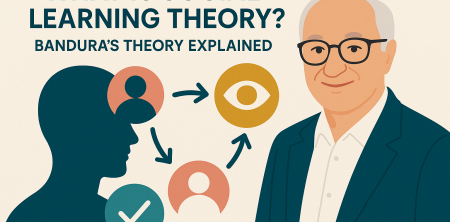
Social Learning Theory (SLT), developed by psychologist Albert Bandura, is a significant concept in the field of psychology that explains how people learn and develop behaviors through observation and imitation. Unlike traditional learning theories that focus solely on reinforcement and punishment, Bandura emphasized the role of social context and cognitive processes in learning. This theory has far-reaching implications in various domains, including education, psychology, and even media studies.
The Origins of Social Learning Theory
Albert Bandura first introduced Social Learning Theory in the 1960s, during a time when behaviorism was the dominant paradigm in psychology. Behaviorism emphasized that learning occurs through direct experiences, particularly through reinforcement and punishment. Bandura challenged this view by proposing that much of human behavior is learned observationally through modeling.
His groundbreaking experiment known as the Bobo Doll experiment, conducted in 1961, provided compelling evidence for his theory. In this study, children observed an adult behaving aggressively towards an inflatable doll. The results showed that children who witnessed the aggressive behavior were more likely to imitate it in their own play. This experiment highlighted the importance of observational learning and laid the foundation for social learning theory.
Key Concepts of Social Learning Theory
Social Learning Theory is built on several key concepts that help explain how learning occurs within a social context. These include:
- Observational Learning: This is the process of learning through watching others. Bandura posited that individuals can learn new behaviors without direct experience, simply by observing the actions of others.
- Attention: For observational learning to take place, individuals must first pay attention to the model. Factors such as the attractiveness of the model, their status, and how relevant the behavior is to the observer play critical roles.
- Retention: After observing a behavior, the observer must be able to remember it. This involves encoding the behavior into memory and being able to retrieve it later when needed.
- Reproduction: Observers must then be capable of reproducing the observed behavior. This requires various skills and abilities that the observer may need to develop.
- Motivation: Finally, the desire to imitate the behavior is crucial. If the observer perceives a reward or a positive outcome from the behavior, they are more likely to perform it themselves.
The Role of Reinforcement in Social Learning Theory
While Bandura's theory emphasizes observational learning, it does not dismiss the importance of reinforcement. In fact, reinforcement plays a vital role in the process of learning. Bandura distinguished between two types of reinforcement: direct reinforcement and vicarious reinforcement.
Direct reinforcement occurs when an individual experiences rewards or punishments after performing a behavior. For instance, if a child is praised for sharing their toys, they are likely to repeat that behavior. On the other hand, vicarious reinforcement occurs when an observer sees someone else receive rewards or punishments for a behavior. If a child watches another child receive praise for sharing, they may be inspired to share in hopes of receiving similar approval.
Applications of Social Learning Theory in Education
Social Learning Theory has profound implications in educational settings. By understanding how students learn through observation, educators can tailor their teaching methods to foster effective learning environments. Here are several ways that SLT can be applied in education:
- Modeling Positive Behavior: Teachers can serve as role models for students, demonstrating positive behaviors such as cooperation, respect, and perseverance. When students observe these behaviors in their teachers, they are more likely to imitate them.
- Peer Learning: Collaborative learning environments encourage students to learn from one another. Group projects and peer teaching strategies enable students to observe and imitate their peers, enhancing the learning experience.
- Creating a Supportive Environment: Classrooms that foster a sense of community and support promote positive interactions. When students feel safe and valued, they are more likely to engage in observational learning.
- Utilizing Technology: In today's digital age, educators can leverage technology to provide students with access to diverse models. Online platforms can introduce students to experts in various fields, allowing them to observe and learn from those who excel in their areas of interest.
Social Learning Theory and Media Influence
In an era dominated by media consumption, Social Learning Theory offers valuable insights into how media influences behavior. With the prevalence of television, video games, and social media, individuals, especially children and adolescents, are exposed to a myriad of behaviors and role models. Related reading: Comparing learning theories.
Research indicates that media can significantly impact attitudes and behaviors. For example, violent video games may lead to increased aggression in players, while prosocial content can encourage altruism and empathy. Bandura's work suggests that the way individuals interpret and internalize these media influences is a critical factor in their behavioral outcomes. (See: Wikipedia article on Social Learning Theory.)
Critiques of Social Learning Theory
While Bandura's Social Learning Theory has made significant contributions to the understanding of learning processes, it has also faced criticism. Some scholars argue that the theory oversimplifies the complexity of human behavior and overlooks biological and emotional factors that influence learning.
Critics contend that SLT does not adequately address the role of innate biological predispositions or cognitive processes that occur before learning takes place. Moreover, the emphasis on observational learning may not account for cases where individuals learn through direct experience, even in the absence of a model.
Current Relevance of Social Learning Theory
Today, Social Learning Theory remains a relevant framework for understanding contemporary learning environments. Its principles are applied in various fields, including psychology, education, and organizational behavior. In an age where technology offers new avenues for learning and interaction, the relevance of SLT continues to grow.
In workplaces, for instance, organizations often utilize social learning concepts to enhance employee training and development. Mentorship programs and collaborative projects allow employees to learn from one another, fostering a culture of continuous improvement.
Future Directions in Social Learning Theory Research
The landscape of learning is continually evolving, and future research in Social Learning Theory will likely focus on several key areas:
- The Impact of Digital Media: As technology advances, the implications of social learning through digital platforms will be a critical area of investigation. Understanding how online interactions shape learning behaviors can provide valuable insights for educators and psychologists.
- Diversity in Learning Models: Research may explore how cultural differences affect observational learning. Understanding how diverse cultural backgrounds influence learning can lead to more inclusive educational practices.
- Neuroscience and Learning: Integrating findings from neuroscience with Social Learning Theory could provide a more comprehensive understanding of the cognitive processes underlying observational learning.
Practical Tips for Applying Social Learning Theory
If you're interested in incorporating the principles of Social Learning Theory into your personal or professional life, here are some actionable tips:
- Be a Role Model: Whether at home or work, demonstrate behaviors you wish to see in others. Your actions can inspire those around you.
- Encourage Peer Learning: Create opportunities for individuals to learn from one another. This could be through group projects, discussion groups, or collaborative tasks.
- Utilize Technology Wisely: Leverage digital platforms to provide access to diverse role models and learning experiences. Online courses, webinars, and educational videos can enhance observational learning.
- Create a Supportive Environment: Foster a culture of respect and encouragement. When individuals feel valued, they are more likely to engage in positive behaviors.
Real-World Examples of Social Learning Theory
In the real world, Social Learning Theory manifests in numerous contexts, showcasing its practicality and effectiveness:
- Parenting Styles: Many parents employ observational learning by demonstrating behaviors they want their children to adopt. For instance, parents who read regularly are likely to have children who also develop a love for reading, as they observe this behavior regularly.
- Workplace Training: Companies often use mentorship programs to facilitate social learning. A mentor may model effective communication skills, which the mentee observes and replicates in their interactions, thereby improving their own performance.
- Sports Coaching: Coaches utilize social learning by demonstrating techniques and strategies for their athletes. By watching their coach perform drills, players can learn proper techniques and strategies, enhancing their skills.
Statistics on Social Learning and Behavior Change
Data supports the effectiveness of Social Learning Theory across various settings. Here are some relevant statistics:
- A study found that children are 60% more likely to engage in prosocial behaviors when they observe others being rewarded for similar actions.
- Evidence shows that knowledge retention increases by 50% when learning is combined with observational techniques compared to traditional instructional methods.
- In workplace training programs that incorporate social learning models, companies report a 40% increase in employee performance ratings.
Social Learning Theory in the Age of Social Media
With the rise of social media, the principles of Social Learning Theory are more pertinent than ever. Social media platforms allow users to share behaviors, ideas, and values widely. Here's how SLT plays out in this context:
- Influencers as Models: Social media influencers often serve as role models for their followers. Their behaviors, fashion choices, and opinions can shape the attitudes and actions of their audience, demonstrating the power of observational learning.
- Viral Challenges: Online trends, such as dance challenges or social awareness campaigns, rely heavily on social learning. When one user participates in a challenge, their followers may feel compelled to imitate them, leading to widespread participation.
- Peer Feedback: Social media provides immediate feedback through likes, shares, and comments, enhancing the motivation to imitate certain behaviors. Users are more likely to replicate behaviors that receive positive reinforcement from their peers.
Frequently Asked Questions (FAQ) about Social Learning Theory
Here are some common questions related to Social Learning Theory that can provide further insights: (See: CDC on the importance of social learning.)
1. What is the main focus of Social Learning Theory?
The main focus of Social Learning Theory is to explain how individuals learn from one another through observation and imitation, emphasizing the importance of social context in the learning process.
2. How does Social Learning Theory differ from traditional learning theories?
Unlike traditional learning theories that prioritize reinforcement and punishment, Social Learning Theory emphasizes the role of observation and social interaction in the learning process.
3. Can Social Learning Theory be applied in adult learning environments?
Absolutely! Social Learning Theory is applicable in adult learning settings, particularly in professional development, where peer learning and mentorship are vital components of effective training programs.
4. What role do emotions play in Social Learning Theory?
While Bandura's original work did not heavily emphasize emotions, subsequent research suggests that emotions can influence motivation and the likelihood of imitating behaviors, particularly if the observer feels empathy towards the model. There's a fuller look at The role of cognition.
5. How can parents use Social Learning Theory to influence their children's behavior?
Parents can model desired behaviors, such as sharing, kindness, and responsibility. By demonstrating these behaviors consistently and providing positive reinforcement, parents can encourage their children to adopt them.
6. What are some criticisms of Social Learning Theory?
Critics argue that the theory may oversimplify the complexities of human behavior by neglecting biological and emotional factors. It may also not account for all forms of learning, particularly those that occur through direct experience without a model.
Additional Insights into Social Learning Theory
Understanding the full scope of Social Learning Theory requires looking beyond just its definitions and applications. Here are some additional insights that outline the broader implications and considerations of SLT:
7. The Importance of Social Context
One of the most compelling aspects of Social Learning Theory is its emphasis on the social context of learning. This means that the environment in which learning occurs significantly affects outcomes. In highly interactive settings, such as classrooms or workplaces, the likelihood of observational learning increases. A study indicated that learning outcomes were markedly better in environments that promoted collaboration and peer interaction, suggesting that social dynamics play a crucial role in the effectiveness of observational learning.
8. Cultural Influences on Learning
Cultural context also shapes how individuals learn via social mechanisms. Different cultures may prioritize various models of behavior based on societal values and norms. For instance, collectivist cultures may emphasize group learning and shared experiences, while individualistic cultures might highlight personal achievement and self-directed learning. Understanding these cultural nuances can help tailor educational practices to better meet the needs of diverse student populations.
9. The Impact of Technology and Online Learning
In recent years, the integration of technology in education has transformed how social learning occurs. With the rise of online learning platforms and social networks, students now have access to a broader range of models to observe. Video tutorials, webinars, and forums offer new opportunities for observational learning. Research shows that students who engage in online courses that incorporate social learning principles, such as discussion boards and interactive sessions, report higher satisfaction and learning gains.
10. The Role of Emotional Intelligence
Emotional intelligence (EI) plays a significant role in the effectiveness of Social Learning Theory. Individuals with high EI are more likely to recognize social cues and empathize with others, facilitating better observational learning. They can interpret the actions and emotions of role models more effectively, which may enhance their motivation to replicate observed behaviors. This connection between EI and SLT highlights the importance of emotional skills in educational and professional development contexts.
Practical Applications Beyond Education
Social Learning Theory is not confined to the classroom; its practical applications extend into various fields:
- Healthcare: In healthcare settings, Social Learning Theory can be used to improve patient outcomes. By modeling healthy behaviors—like maintaining a balanced diet or adhering to medical advice—healthcare professionals can encourage patients to adopt similar habits.
- Marketing: Companies can apply SLT by using testimonials and influencer marketing. By showcasing satisfied customers or industry experts using their products, brands can enhance observational learning among potential buyers, as consumers often imitate the purchasing behaviors of those they admire.
- Public Health Campaigns: Social Learning Theory principles are often employed in public health campaigns. For example, campaigns encouraging smoking cessation frequently feature former smokers sharing their success stories, thereby providing observational learning opportunities for those still struggling with addiction.
Future Considerations for Practitioners
As practitioners continue to apply Social Learning Theory in various fields, several considerations should be kept in mind:
- Adaptability: Given the constant evolution of societal norms and technological advancements, it's crucial for practitioners to adapt SLT principles to meet contemporary needs. Regularly updating teaching methods and engagement strategies can enhance effectiveness.
- Inclusivity: It's essential to incorporate diverse perspectives in modeling behaviors. This inclusivity can help students and employees from different backgrounds feel represented and understood, fostering a more effective learning environment.
- Continuous Research: Ongoing research into the impact of social learning across different mediums, populations, and cultures will be essential for refining and expanding SLT applications. Engaging with evolving studies helps practitioners remain informed about best practices.
Conclusion
Social Learning Theory, as proposed by Albert Bandura, offers a nuanced understanding of how individuals learn from one another within a social context. By emphasizing observational learning and the role of cognitive processes, Bandura’s work has shaped education, psychology, and our understanding of media influences. As we continue to navigate an increasingly complex world, the principles of SLT remain vital for fostering positive learning environments and understanding behavior.
```
Trending Now
Frequently Asked Questions
What is Social Learning Theory?
Social Learning Theory (SLT), developed by Albert Bandura, explains how people learn behaviors through observation and imitation. It emphasizes the role of social contexts and cognitive processes, contrasting with traditional theories that focus solely on reinforcement and punishment.
Who developed Social Learning Theory?
Social Learning Theory was developed by psychologist Albert Bandura in the 1960s. He introduced the theory to highlight how much of human behavior is learned observationally through modeling, challenging the behaviorist focus on direct experiences.
What is the Bobo Doll experiment?
The Bobo Doll experiment, conducted by Albert Bandura in 1961, demonstrated observational learning. In the study, children who observed an adult behaving aggressively towards an inflatable doll were more likely to imitate that aggressive behavior during their play.
What are the key concepts of Social Learning Theory?
Key concepts of Social Learning Theory include observational learning, attention, retention, reproduction, and motivation. These concepts explain how individuals learn behaviors by observing others and the factors that influence this learning process.
How does Social Learning Theory apply to education?
Social Learning Theory has significant implications in education by emphasizing the importance of role models and the social context of learning. Teachers can enhance learning by modeling desired behaviors and creating an environment that encourages observational learning.
What's your take on this? Share your thoughts in the comments below — we read every one.


0 Responses