```html
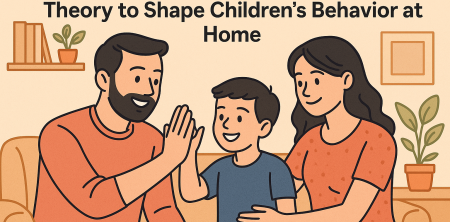
Understanding how children learn and develop behavior is a fundamental concern for parents. One effective framework that can help in this regard is social learning theory parenting. This theory, developed by psychologist Albert Bandura, emphasizes the importance of observing and modeling behaviors, attitudes, and emotional reactions of others. In essence, children learn not just from direct experiences but also by watching others, including their parents. This article will explore how parents can leverage social learning theory to shape their children's behavior positively.
What is Social Learning Theory?
At its core, social learning theory posits that learning occurs within a social context and can happen through observation or imitation. Bandura’s famous Bobo doll experiment in the 1960s provided pivotal evidence for this theory, illustrating that children could learn aggressive behaviors merely by watching adults interact with a doll. The key components of this theory include:
- Attention: For learning to occur, one must pay attention to the behavior being modeled.
- Retention: The observer must be able to remember the behavior they've witnessed.
- Reproduction: The ability to replicate the behavior once it has been observed.
- Motivation: A desire or reason to imitate the observed behavior must be present.
These elements highlight why parents play a crucial role in their children's learning processes. Children are naturally inclined to mimic what they see, making it imperative for parents to model positive behavior.
The Role of Parents in Social Learning Theory Parenting
Parents are influential figures in a child's life, serving as primary role models. Everything from how they communicate to their reactions toward challenges can shape their children's perspectives and behaviors. According to Bandura, children are more likely to adopt behaviors they see rewarded in others. Thus, when parents exhibit positive behaviors and attitudes, they create a nurturing environment that encourages similar responses in their children.
Parental behaviors can significantly affect a child's social, emotional, and cognitive development. For instance, when parents practice kindness and empathy, children are more likely to develop those traits themselves. Furthermore, parents who demonstrate healthy coping mechanisms when faced with stress teach their children how to handle their own challenges effectively.
Strategies for Implementing Social Learning Theory in Parenting
Here are seven actionable strategies that parents can adopt to integrate social learning theory into their parenting practices:
1. Model Desired Behaviors
The most direct way to influence your child's behavior is to model it yourself. If you want your children to be polite, respectful, or hardworking, you must embody those characteristics. For instance, if you consistently say "please" and "thank you," your children are more likely to adopt these polite behaviors.
Furthermore, it’s essential to demonstrate emotional regulation. When you handle frustration or disappointment without resorting to anger, your children learn how to cope with their feelings positively. This modeling extends to problem-solving skills as well; show them how you approach challenges logically and calmly, and they’ll likely imitate those strategies.
2. Create a Positive Environment
A supportive home environment fosters positive behavior. Children thrive when they feel safe and valued, which encourages them to engage in pro-social behaviors. This can be achieved by:
- Providing positive reinforcement for good behavior, such as praise or rewards.
- Establishing clear boundaries while allowing children the freedom to express themselves.
- Creating family traditions or rituals that promote togetherness and positive interactions.
A nurturing atmosphere not only enhances self-esteem but also encourages children to emulate the positive behaviors they observe in their surroundings. (See: Social Learning Theory on Wikipedia.)
3. Use Storytelling and Media
Storytelling is a powerful tool for imparting moral lessons and desirable behaviors. When parents share stories that feature characters demonstrating good behavior, children can learn through observation. This can include reading books or discussing movies and how the characters respond to various situations.
Moreover, with the prevalence of media in children’s lives, it’s crucial to select age-appropriate content that reinforces positive values. Discussing the behaviors exhibited by characters can help children understand the consequences of different choices, leading to more thoughtful behavior in real-life situations.
4. Encourage Peer Interaction
Children often learn from each other. By facilitating opportunities for social interaction with peers, parents can help their children develop social skills and learn appropriate behaviors through observation. Playdates, group activities, and team sports provide settings where children can observe and mimic their friends’ behaviors.
Encouraging teamwork and cooperation during these interactions helps children grasp the importance of collaboration and respect. It’s vital to guide these experiences, discussing positive and negative behaviors observed in their peers, further solidifying the learning process.
5. Reinforce Positive Actions
Positive reinforcement is critical when it comes to shaping behavior through social learning theory. When children exhibit desirable behaviors, they should be recognized and rewarded for their actions. This could be in the form of verbal praise, stickers, or privileges.
For example, if a child helps with chores without being asked, acknowledging their effort reinforces the notion that such behavior is valued. This not only encourages them to repeat the behavior but also shows them the importance of contributing to family responsibilities.
6. Discuss Emotions and Reactions
Understanding emotions is a key component of behavioral development. Parents can facilitate discussions about feelings and appropriate reactions to various situations. By doing so, children learn not only to identify their emotions but also to understand the impact of their behavior on others.
For instance, if a child reacts negatively to a disappointment, a parent can guide them in processing those feelings and finding constructive ways to cope. This approach teaches children how to manage their emotions and helps them develop empathy toward others’ feelings.
7. Be Consistent
Consistency is crucial in effective parenting, especially when implementing social learning theory. Children thrive in environments where expectations and consequences are clear. When a behavior is rewarded or reprimanded consistently, children learn the associated outcomes and adjust their actions accordingly.
If parents are inconsistent in their expectations or responses, it can lead to confusion and frustration for the child. Establishing a consistent approach to discipline, praise, and modeling helps solidify the lessons being taught.
Current Relevance of Social Learning Theory in Parenting
As we look at the current landscape of parenting, social learning theory remains incredibly relevant. In an age defined by technology and social media, children are exposed to a vast array of behaviors and influences beyond their immediate family. This modern setting amplifies the importance of parental modeling and guidance. (See: CDC on Behavioral Learning.)
Parents now face challenges such as online interactions that can influence children’s behaviors significantly. For instance, children may observe negative or harmful behaviors in digital spaces, making it critical for parents to discuss these issues openly. By guiding children through media literacy and critical thinking, parents can help them navigate these challenges while reinforcing positive behaviors.
Expert Perspectives on Social Learning Theory Parenting
Experts in child development emphasize the importance of understanding and applying social learning theory. Dr. Laura Markham, a clinical psychologist, advocates for parents to be aware of their behaviors, stating, "Children learn far more from what parents do than from what they say. Modeling positive behavior creates a ripple effect, influencing not just your child but their peers and future relationships."
Furthermore, Dr. Bandura himself highlighted the role of the environment in shaping behavior, suggesting that parents should be proactive in creating a positive atmosphere conducive to learning. His belief in the power of observational learning continues to resonate with psychologists and educators today.
Challenges in Applying Social Learning Theory
While the principles of social learning theory are valuable, applying them effectively can come with challenges. For instance, busy lifestyles and external pressures may lead parents to overlook their modeling behavior. It can be easy to fall into negative patterns, especially during stressful times.
Additionally, children may encounter influences outside the home that conflict with the values parents want to instill. This discrepancy can create tension and confusion for a child. Therefore, it becomes vital for parents to engage in regular discussions about values, expectations, and behaviors, ensuring a consistent approach to social learning.
Frequently Asked Questions (FAQ)
1. How can social learning theory be used to teach children about empathy?
Social learning theory can be instrumental in teaching empathy by encouraging parents to model empathetic behavior. This includes expressing understanding and compassion in everyday situations, such as when a family member is upset. Discussing feelings openly and acknowledging others' emotions helps children learn to recognize and respond to feelings in themselves and others.
2. What role does media play in social learning theory parenting?
Media plays a significant role in social learning by providing examples of various behaviors and social interactions. Parents can use media as a tool by choosing educational programs that promote positive values and discussing the characters' actions. This helps children discern appropriate behaviors and the consequences of different choices.
3. Can social learning theory help with discipline?
Yes, social learning theory can greatly assist with discipline. By consistently modeling appropriate behavior and applying consistent consequences for actions, parents guide children toward understanding the boundaries of acceptable behavior. When children see their parents respond thoughtfully to mistakes or challenges, they're more likely to adopt similar strategies.
4. How can parents reinforce positive behavior in a multicultural context?
In a multicultural context, parents can reinforce positive behavior by acknowledging and celebrating different cultural practices while modeling inclusivity and respect. Encouraging children to appreciate diversity through interactions with peers from various backgrounds can enhance their social learning experience.
5. What are some pitfalls to avoid when applying social learning theory in parenting?
Some pitfalls include inconsistency in modeling behaviors, failing to recognize negative behaviors displayed through media or peers, and neglecting to engage in open discussions about values. Parents should strive for a balanced approach, ensuring they consistently model positive actions while addressing any harmful influences effectively.
6. How does social learning theory address peer pressure?
Social learning theory acknowledges that peers significantly influence behavior, especially during childhood and adolescence. Parents can use this theory to help their children understand peer pressure by discussing real-life scenarios where friends may influence choices. Parents should encourage critical thinking about peer actions and help children develop the confidence to make their own choices, separate from group dynamics.
7. In what ways can parents model effective communication skills?
Modeling effective communication involves demonstrating active listening, expressing thoughts clearly, and using respectful language. Parents can engage in conversations where they practice these skills, showing children how to articulate their feelings or opinions. Additionally, discussing the importance of non-verbal cues, such as eye contact and body language, can help children understand the full spectrum of effective communication.
8. How can parents help their children navigate negative influences from social media?
Parents can help children navigate negative influences from social media by fostering open conversations about online behavior. This includes discussing the difference between reality and the curated lives often portrayed on social media. Encouraging kids to think critically about the media they consume and empowering them to set boundaries for screen time can significantly reduce exposure to harmful influences.
9. What are some examples of positive reinforcement that parents can use?
Positive reinforcement can take various forms, including verbal praise, tangible rewards like stickers or treats, and special privileges, such as an extra hour of screen time or a fun outing. It's essential for parents to find what resonates with their child, as different children may respond better to different types of reinforcement. The key is to be specific in praise, so children know exactly what behavior is being acknowledged.
10. Can social learning theory be applied in educational settings as well?
Absolutely! Social learning theory is widely utilized in educational settings to enhance learning. Teachers act as role models, demonstrating behaviors and attitudes they wish to instill in their students. Collaborative learning environments, where students work together on projects, also utilize social learning principles, allowing them to learn from one another. This approach fosters a sense of community and encourages positive peer interactions.
Conclusion: Parental Influence Through Social Learning Theory
Incorporating social learning theory into parenting practices offers profound implications for how children develop their behaviors and attitudes. By modeling positive actions, creating supportive environments, and promoting open discussions, parents can significantly influence their children's learning processes. As they grow and navigate the world, these foundational lessons will help them develop into empathetic, responsible, and socially aware individuals. In the end, it’s about building a home where learning thrives, and children feel empowered to emulate the best of what they see.
```
Trending Now
- “How to Use Exit Tickets as…
- “Adapting Socratic Seminars for Elementary Students:…
- “Why Neuroscientists Say Learning Styles Theory Lacks Scientific Evidence”
- this guide on “the bobo doll experiment explained: what it teaches about aggression and modeling”
Frequently Asked Questions
What is social learning theory in parenting?
Social learning theory in parenting, developed by Albert Bandura, emphasizes that children learn behaviors by observing and imitating others, particularly their parents. It highlights the importance of modeling positive behaviors, attitudes, and emotional responses, as children are likely to adopt behaviors they see rewarded in adults.
How can parents use social learning theory?
Parents can use social learning theory by actively modeling positive behaviors, such as effective communication and problem-solving skills. By demonstrating desirable actions and attitudes, parents can encourage their children to imitate these behaviors, ultimately shaping their development and social interactions.
What are the key components of social learning theory?
The key components of social learning theory include attention, retention, reproduction, and motivation. These elements highlight the process through which children observe, remember, replicate behaviors, and feel motivated to imitate actions they see in their parents or role models.
Why is modeling behavior important for parents?
Modeling behavior is crucial for parents because children learn through observation. When parents demonstrate positive behaviors, such as kindness and resilience, children are more likely to adopt these traits. This makes parental influence vital in shaping children's behavior and attitudes.
How does observation influence children's behavior?
Observation significantly influences children's behavior as they often mimic what they see. Through social learning theory, children learn not only from direct experiences but also by watching their parents and peers, making it essential for parents to exhibit positive behaviors to guide their children's development.
Have you experienced this yourself? We'd love to hear your story in the comments.

