```html
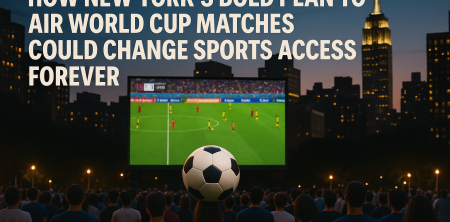
As the world eagerly anticipates the 2026 FIFA World Cup, New York City is set to take a bold leap into the future of sports broadcasting. Mayor Zohran Mamdani recently announced a groundbreaking initiative to air World Cup matches throughout the city on numerous LinkNYC kiosks. This move is more than just a technological upgrade; it tackles critical issues of accessibility and affordability in an increasingly commercial sports landscape. Mamdani's commitment to ensuring that sports do not become a luxury is a powerful statement in an era where many fans feel sidelined by rising costs. For more on this, see live stream details.
The Vision Behind the Plan
Mayor Mamdani's vision is clear: he wants to democratize access to one of the biggest sporting events on the planet. By utilizing LinkNYC kiosks, which are already installed across the five boroughs, the city aims to make the World Cup a public spectacle. This plan is particularly significant for those who cannot afford pay TV packages or streaming services, which often exclude casual fans from watching elite sports.
“Sports cannot become a luxury,” Mamdani stated, emphasizing that everyone deserves the chance to experience thrilling moments like World Cup matches, regardless of their financial situation. This initiative signifies a shift in how sports events are perceived and consumed, potentially setting a precedent for future events.
A Step Beyond the NBA Finals
This announcement follows the city's recent agreement to publicly air two NBA Finals games, further highlighting the emotional connection New Yorkers have with their teams, particularly the Knicks. After a long 53-year championship drought, the Knicks' playoff run captured the hearts of many, making the initiative to air these games even more poignant.
The NBA Finals serving as a warm-up act for the World Cup is no mere coincidence. It reflects the city’s strategy to harness the excitement around local teams and translate that passion into a broader commitment to sports accessibility. As the Knicks vie for a title, this serves as a reminder of the uniting power of sports within communities.
LinkNYC: A Platform for Change
The LinkNYC initiative, which began in 2015, aimed to replace outdated payphones with free Wi-Fi kiosks. Now, these kiosks stand poised to become more than just a source of internet access. By airing the World Cup, they will transform into hubs of community engagement, where fans can come together to watch matches, share their enthusiasm, and celebrate their teams.
The kiosks themselves are strategically placed in high-traffic areas, making them accessible to anyone who wants to tune into the matches. This move can create a vibrant atmosphere in neighborhoods, with fans gathering to cheer on their national teams, fostering a sense of camaraderie and community.
Addressing Equity in Sports Consumption
The decision to air World Cup matches publicly raises essential questions about equity in sports viewing. In recent years, the cost of accessing premium sporting events has skyrocketed, pushing many fans out of the conversation and away from the screens. Streaming services and cable packages can cost a small fortune, leaving individuals and families who can't afford such luxuries feeling alienated.
Mamdani's plan seeks to bridge this gap, championing the idea that sports should be a communal experience, accessible to all. This approach stands in stark contrast to the commercialization of sports, which often prioritizes profit over fans. By airing the World Cup, New York City sets a precedent for other cities to follow suit, challenging the status quo of pay-per-view models.
Cultural Significance of the World Cup
The FIFA World Cup is not just a tournament; it's a global phenomenon that brings together diverse cultures and nationalities. For many, the World Cup represents a chance to unite, cheer, and celebrate their heritage with pride. New York, with its rich tapestry of cultures, is a fitting backdrop for such a celebration, where fans from various backgrounds can come together. (See: World Cup accessibility initiatives.)
By making these matches accessible, Mamdani's administration is also acknowledging the cultural significance of the event. Every four years, millions tune in to watch their teams battle it out, leading to unforgettable experiences that transcend geographical boundaries. New Yorkers, regardless of their national origins, should be able to participate in this joyous occasion.
Potential Challenges and Criticism
While the initiative is commendable, it may not be without its challenges. Critics could argue that airing World Cup matches in public spaces might lead to overcrowding, noise complaints, or even safety issues. There’s also the question of funding and logistics: how will the city ensure that the technology and infrastructure needed to support this initiative are in place and effective?
Moreover, the move could face pushback from sports networks that rely on pay-per-view models, fearing a loss of revenue. However, Mamdani seems prepared to navigate these potential pitfalls, framing the initiative as essential for community and connection.
What This Means for the Future of Sports
The decision to air World Cup matches on LinkNYC kiosks could signal a significant shift in how sports are broadcasted in urban environments. If successful, this initiative may encourage more cities to adopt similar measures, leading to a broader movement towards public access to high-profile sporting events.
This could ultimately change the landscape of sports consumption, where less privileged fans no longer have to feel disconnected from the action. Instead of being relegated to the sidelines, they would find themselves in the heart of the action, alongside fellow fans, sharing in the highs and lows of competition.
What Other Events Might Follow?
If New York's World Cup initiative proves successful, it's fair to wonder what other events might be included in this public viewing strategy. Could we see public screenings of major boxing matches, the Super Bowl, or even local college championships? The potential is vast, and it could open doors for a wider range of community engagement through sports.
Local leaders, teams, and sports organizations might start collaborating more closely to create community-based viewing experiences. This could lead to a renaissance of local sports culture, where watching events becomes a community affair rather than just a private activity.
Community Engagement and New York's Sports Identity
New York City has a long history of sports enthusiasm, with a passionate fanbase that spans various sports, from basketball and baseball to soccer and football. The initiative to air World Cup matches taps into this rich sports culture, allowing diverse communities to come together and celebrate their teams. The power of sports to forge connections can be seen in how fans of different backgrounds rally around their national teams, creating a sense of unity and pride.
For instance, during the last World Cup, neighborhoods across New York saw vibrant watch parties with flags waving, food stalls featuring international cuisines, and music resonating in the streets. By recreating this environment on a broader scale through LinkNYC kiosks, the city is not just highlighting the World Cup; it’s reinforcing the spirit of New York as a melting pot of cultures.
Economic Impact of Public Viewing
The economic implications of airing the World Cup in public spaces extend beyond just increased viewership. Local businesses could benefit significantly from the influx of fans gathered to watch the matches. Restaurants, bars, and food vendors near the kiosks might see an uptick in sales as fans grab food and drinks while enjoying the games. This could lead to a unique opportunity for small businesses to thrive during the tournament.
Statistics from past major sporting events suggest that public viewing can boost local economies. For example, during the last FIFA World Cup, cities that hosted public viewing events reported a 30% increase in business for nearby establishments. New York City has the chance to replicate this success, channeling the excitement of the World Cup into a financial boon for local entrepreneurs. (See: importance of youth sports access.)
Technology and Infrastructure: The Backbone of the Initiative
Implementing this ambitious plan relies heavily on the technology and infrastructure that LinkNYC provides. Each kiosk is equipped with high-speed internet and screens capable of broadcasting high-definition content. Ensuring that these kiosks can handle the increased traffic during World Cup matches will be crucial. The city will need to conduct thorough testing of the systems to guarantee smooth streaming and prevent outages that could detract from the viewing experience.
Moreover, the city might explore partnerships with tech companies to enhance the viewing experience further. Imagine augmented reality features that allow viewers to access stats and player profiles in real time or interactive social media features that let fans engage with each other while watching. These innovations could elevate public viewings from simple broadcasts to immersive experiences, encouraging even greater community involvement.
FAQs about the World Cup New York Initiative
1. How many LinkNYC kiosks will air the World Cup matches?
The exact number of kiosks that will broadcast the matches is still being finalized, but the goal is to utilize as many of the over 1,600 existing kiosks spread throughout the five boroughs to maximize accessibility.
2. Will the broadcasts be in multiple languages?
Yes, the city is working on offering the broadcasts in multiple languages to cater to the diverse population of New York City, ensuring that as many fans as possible can enjoy the matches in their preferred language.
3. What measures will be taken to ensure public safety during viewings?
The city is planning to coordinate with law enforcement and local organizers to manage crowds and ensure safety during public viewings. This might include designated crowd control measures, first aid stations, and security personnel to maintain order.
4. Are there any costs associated with watching the matches at the kiosks?
No, the initiative aims to provide free access to World Cup matches at LinkNYC kiosks, ensuring that everyone can enjoy the games without financial barriers.
5. How can local businesses get involved in this initiative?
Local businesses can partner with the city by promoting their services during the matches or setting up food stalls near kiosks. The city encourages collaboration to create a festive atmosphere and enhance the overall experience for fans.
6. What happens if the technology fails during a match?
The city is putting in place support systems to address potential technology failures. Maintenance teams will be on standby to quickly respond to any issues that arise, ensuring that fans don't miss any action during the matches.
Engaging Local Communities: Events and Activities
In addition to simply airing the matches, the initiative envisions a series of events and activities around the World Cup viewing experience. These could include local festivals, themed food events, and activities for families and children. The aim is to create a festive atmosphere that celebrates not just the sport but the cultures that converge in New York City.
For example, the city could organize cultural showcases at kiosks, where different communities can present traditional music, dance, or cooking demonstrations related to their countries participating in the World Cup. This would not only enhance the viewing experience but also educate attendees about the diverse cultures that make up the fabric of New York City. (See: Harvard University's research on sports economics.)
Expert Perspectives on the Initiative
To gain insight into the potential impact of this initiative, we spoke with several experts in urban planning and sports management. Dr. Emma Rodriguez, a professor of Urban Studies at a prominent university, highlighted the importance of such initiatives in fostering community engagement. “Sports have the power to bring people together, especially in a diverse city like New York. This initiative could set a trend for how public spaces are used for communal experiences,” she noted.
Furthermore, sports marketing expert James Fenton pointed out that this approach could reshape fan loyalty. “By making sports more accessible, especially to younger audiences, cities can cultivate a new generation of fans who feel a connection to their teams and communities,” he commented. “It’s about creating an inclusive environment where everyone feels they belong.”
The Global Landscape of Sports Accessibility
New York City isn't alone in this effort; around the globe, cities are exploring innovative ways to make sports more accessible. For example, during the 2018 FIFA World Cup in Russia, many cities organized public viewing areas that attracted thousands of fans. These events not only fostered community spirit but also provided a boost to local economies through increased tourism and engagement.
In England, community initiatives have emerged to provide free access to matches in lower-income areas, further demonstrating a growing trend towards inclusivity in sports consumption. As global sports organizations begin to recognize the importance of accessibility, New York's initiative may inspire similar projects worldwide, creating a movement that champions fan engagement and community building.
Future Prospects: Could This Be a Model for Other Cities?
If New York's World Cup initiative proves successful, it could serve as a blueprint for other cities both in the United States and globally. Cities with rich sports cultures and diverse populations might look to replicate this model as a means of fostering community spirit and connection. The potential for partnership with local businesses, tech firms, and community organizations could result in a dynamic environment where sports viewing transcends mere entertainment.
As other cities observe the outcomes of Mayor Mamdani's initiative, they might take cues on how to enhance public engagement through sports. A shared vision of inclusivity could emerge, where public spaces are reimagined as hubs of cultural exchange and community pride during major sporting events.
A New Era of Sports Accessibility
New York Mayor Zohran Mamdani's initiative to air World Cup matches on LinkNYC kiosks signals a transformative moment for sports accessibility. By addressing issues of affordability and equity, this plan opens the door for conversations about how we engage with sports in our communities. As fans gear up for the 2026 World Cup, the excitement isn't just about the matches; it's about who gets to be part of the experience. In a world where sports can often feel exclusive, New York’s approach brings the joy of competition back into the hands of the people. It’s a move that could inspire a nationwide trend, making elite sports accessible to all, regardless of their socioeconomic background.
```
Trending Now
Frequently Asked Questions
How will New York's plan to air World Cup matches work?
New York City plans to air World Cup matches on LinkNYC kiosks, which are located throughout the five boroughs. This initiative aims to provide free access to the matches, making the event available to those who may not afford traditional broadcasting options.
What is the purpose of airing World Cup matches in public spaces?
The purpose is to democratize access to sports, ensuring that everyone, regardless of financial means, can enjoy significant events like the World Cup. Mayor Mamdani emphasizes that sports should not be a luxury and this initiative seeks to foster community engagement and inclusivity.
Why is New York's initiative significant for sports access?
This initiative is significant as it addresses rising costs associated with sports broadcasting, allowing casual fans to experience major events without the burden of expensive pay TV packages or streaming services, thus redefining sports accessibility.
What other events has New York City aired publicly?
In addition to the World Cup, New York City recently agreed to publicly air two NBA Finals games. This move reflects the city's commitment to making sports more accessible and capitalizing on local enthusiasm for its teams, particularly the Knicks.
Who is behind the plan to air World Cup matches in New York?
The plan is spearheaded by Mayor Zohran Mamdani, who is focused on ensuring that sports remain accessible to all citizens. His vision aims to transform how sports events are consumed, promoting inclusivity and community participation.
Agree or disagree? Drop a comment and tell us what you think.

