```html
When it comes to applying for colleges, jobs, or internships, transcripts are key documents that provide insight into your academic history. However, many people don’t fully grasp the differences between official and unofficial transcripts. Understanding these differences can help you make informed choices when it comes to your educational and career pursuits. Let’s dissect the nuances of official vs. unofficial transcript and explore why it matters.
1. What is an Official Transcript?
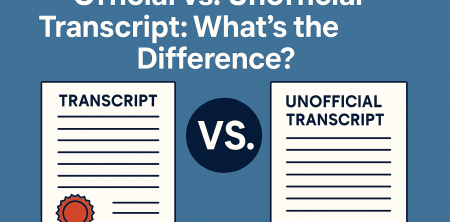
An official transcript is an academic record that is generated and issued by a school or university. This document carries the institution's seal or watermark, which signifies that it is a validated and authentic record of a student’s academic performance. Official transcripts are often required by colleges during the application process, as they provide a clear account of coursework, grades, and degrees conferred.
Typically, an official transcript is sent directly from the educational institution to the requesting organization, be it another school, a potential employer, or a certification body. This direct transmission helps ensure the integrity of the transcript and confirms that no alterations have been made. Because of this, official transcripts are often considered the gold standard when verifying academic credentials.
2. What is an Unofficial Transcript?
In contrast, an unofficial transcript is a document that contains similar academic information but is not issued directly by the institution in a sealed envelope and may lack the official seal. Students can often generate these transcripts themselves through their student portals. While they typically include the same data regarding courses, grades, and GPA, they are not considered valid for formal purposes such as college admissions or job applications.
Unofficial transcripts can be beneficial for various situations, such as self-assessment, helping students track their academic progress, or providing easy access to information for personal use. However, it's important to note that they should not be used in place of official transcripts where verification is necessary.
3. Key Differences in Format and Presentation
The presentation of official and unofficial transcripts can significantly differ. Official transcripts are typically printed on high-quality paper and bear the institution's seal or signature. They may also include additional security features, such as a watermark or special ink, to help prevent forgery.
On the other hand, unofficial transcripts can vary in appearance. They may be printed on standard paper without any distinguishing features. Some institutions may allow students to download and print these transcripts themselves, which can lead to variations in format. This lack of uniformity can raise questions about their authenticity when presented to employers or other educational institutions.
4. When to Use Official Transcripts
There are specific scenarios where obtaining an official transcript is essential. For instance, when applying for graduate school or transferring to another college, institutions will often require official transcripts to ensure that all academic records are accounted for. Employers, particularly for positions that require specific educational qualifications, may also request official transcripts as part of their hiring process.
Notably, if you are applying for financial aid or scholarships, many organizations will mandate the submission of official transcripts to verify your academic standing. Therefore, understanding when to use an official transcript is crucial for meeting application requirements and ensuring your credentials are recognized.
5. When to Use Unofficial Transcripts
While official transcripts are necessary for formal processes, unofficial transcripts have their place too. They can be used for personal tracking of academic progress, initial assessments when applying for internships, or informal applications where a full official document is not required. For instance, students might use unofficial transcripts to help plan their courses for the upcoming semester.
Additionally, if you want to provide potential employers or organizations with a preview of your academic performance while waiting for official transcripts, an unofficial version may serve as a useful stopgap. However, be sure to clarify that it is unofficial if you choose to present it.
6. Cost Considerations
Another important aspect to consider in the official vs. unofficial transcript debate is the cost associated with obtaining these documents. Generally, official transcripts require a fee, which can vary by institution—some may charge a nominal fee while others might have higher costs. This fee often covers administrative expenses related to processing and sending the document. (See: Understanding academic transcripts.)
In contrast, unofficial transcripts are usually free to obtain. Students can access them through their school’s online portal without any associated costs. This affordability makes unofficial transcripts a practical choice for students who need academic records for personal use or planning.
7. How to Request Official Transcripts
Requesting an official transcript typically involves a straightforward process. Most educational institutions have specific procedures in place for transcript requests. Generally, you’ll need to provide personal information, such as your student ID, dates of attendance, and the address where you want the transcript sent.
Many institutions now offer online request forms, making it easier than ever to obtain an official transcript. Depending on the school, you may receive your transcript by mail or electronically. Keep in mind that processing times can vary, so it’s best to request your official transcript well in advance of any deadlines.
8. How to Access Unofficial Transcripts
Accessing an unofficial transcript is often a quick and easy process. Most colleges and universities allow students to log into their student portals, where they can view and print their unofficial transcripts at any time. This convenience is a significant advantage for students who need immediate access to their academic records.
While the ease of access to unofficial transcripts is beneficial, it’s essential to use them appropriately. Make sure to understand the limitations of these documents and when they can be used effectively without creating misunderstandings about their validity.
9. Final Thoughts on Official vs. Unofficial Transcripts
The official vs. unofficial transcript debate highlights important differences that can have real implications for your academic and professional journey. Knowing when to use each type can save you time, effort, and potential headaches down the road. Whether you need an official transcript for a critical application or an unofficial one to track your progress, understanding their unique roles is essential.
Ultimately, transcripts are more than just pieces of paper; they are vital records that reflect your academic journey. By grasping the differences between official and unofficial transcripts, you’re better equipped to navigate the educational landscape and take control of your future.
10. Common Misconceptions about Transcripts
There are several misconceptions surrounding official and unofficial transcripts. One prevalent myth is that unofficial transcripts are less reliable or contain inaccurate information. In reality, unofficial transcripts often reflect the same data as official transcripts up until the point they were generated. However, they lack the institutional verification that makes official transcripts trustworthy for formal applications.
Another misunderstanding is that the process of obtaining official transcripts is overly complicated. While it can vary by institution, most schools have streamlined the process to be user-friendly, allowing you to make requests online or through established forms.
11. Impact of Transcripts on Career Opportunities
Your transcripts can significantly influence your career opportunities. For many employers, particularly in competitive fields, transcripts serve as a benchmark for assessing a candidate’s qualifications and competencies. A strong academic record reflected in an official transcript can open doors to internships and job offers. Conversely, a lack of attention to academic performance, as indicated by poor grades or incomplete coursework, can raise red flags for employers.
In today's job market, some companies even conduct background checks that include a verification of academic credentials. This highlights the importance of ensuring that your official transcripts accurately reflect your educational achievements.
12. Transcripts for International Students
International students often face unique challenges concerning transcripts. When applying to schools in another country, understanding the equivalency of your academic records is crucial. Official transcripts from foreign institutions may need to be evaluated by a credential evaluation service to establish their equivalence to local educational standards.
Additionally, some universities might request that translated versions of transcripts be provided alongside the official documents. This adds another layer of complexity to the process and requires careful attention to ensure compliance with application guidelines. (See: Importance of academic records.)
13. Expert Perspectives on the Importance of Transcripts
Education professionals often stress the significance of transcripts beyond just grades. According to Dr. Anna Thompson, an education consultant, “Transcripts tell a story about a student’s journey and commitment to learning. They reflect not only academic performance but also the choices students make in shaping their education.”
Dr. Thompson points out that students should take proactive steps to understand their academic records and utilize both official and unofficial transcripts for personal and professional development. Regularly reviewing and discussing transcripts with academic advisors can help students align their educational paths with their career goals.
14. Statistics on Transcript Usage
Recent research indicates that approximately 70% of colleges in the U.S. require official transcripts for admissions. A survey by the National Association of Colleges and Employers found that 68% of employers consider academic transcripts as an important factor in the hiring process. This underscores the necessity for students to maintain a good academic record and understand the implications of both types of transcripts.
Furthermore, many employers use transcripts as a measure of a candidate's work ethic, with 58% stating they would prefer candidates with strong academic performance in relevant coursework. This data highlights the importance of not only striving for good grades but also ensuring that these achievements are accurately reflected in your official transcripts.
15. Frequently Asked Questions (FAQ)
1. Can I use an unofficial transcript for college applications?
No, most colleges require official transcripts for admissions. However, unofficial transcripts can be useful for personal tracking or initial assessments.
2. How long does it typically take to receive an official transcript?
Processing times can vary, but it generally takes anywhere from a few days to a couple of weeks, depending on the institution’s procedures and workload.
3. Are there any drawbacks to using unofficial transcripts?
Yes, unofficial transcripts may not be accepted for formal applications, and sending them can create confusion about your academic standing if not clearly marked as unofficial.
4. What if my official transcript contains errors?
If you find errors on your official transcript, contact your school's registrar's office immediately to request corrections. They will guide you through the process of rectifying any discrepancies.
5. Can I obtain my official transcript online?
Many institutions now offer the option to request official transcripts online through their student portals. Check your institution's website for specific instructions.
6. Is there a limit to how many official transcripts I can request?
Most institutions don't impose a strict limit, but it’s best to check with your specific school for any policies regarding multiple requests.
7. Will employers verify my transcript?
Yes, many employers conduct background checks that include verifying academic credentials, so it's crucial to ensure your official transcript is accurate and reflective of your achievements.
16. How Transcripts Affect Graduate School Applications
For students considering graduate school, the importance of transcripts cannot be overstated. Graduate programs often require a minimum GPA threshold as part of their admission criteria, and your official transcript is the primary document used to evaluate this. Schools will look for not just overall GPA but also performance in specific courses relevant to the field of study. (See: Latest news on education policies.)
It’s also worth noting that some graduate schools consider trends in academic performance. For example, if your grades improved over time, it may be viewed positively, indicating that you have matured and developed stronger study habits. However, a poor performance in relevant coursework could negatively affect your chances of admission.
Many graduate programs also request letters of recommendation that discuss your academic abilities, making it essential to maintain a strong relationship with your professors, who can provide insight into your academic performance as reflected in your transcript.
17. Best Practices for Maintaining Your Transcripts
Maintaining your transcripts is crucial for both current students and alumni. Here are some best practices to follow:
- Keep Copies: Always keep digital and physical copies of your transcripts. This can be useful for quick reference and ensure you have a backup in case of loss.
- Regular Review: Periodically review your transcripts to ensure all courses and grades are accurately reflected. This is especially important after each semester.
- Communicate with Advisors: Regularly discuss your academic performance with an academic advisor, especially if you are contemplating changes in your study path or applying to competitive programs.
- Stay Informed: Be aware of your institution's policies regarding transcript requests and any fees associated. This can save you time and potential complications down the road.
18. The Role of Technology in Managing Transcripts
With advancements in technology, managing transcripts has become easier than ever. Many institutions now offer secure online platforms where students can access their transcripts at any time. This technology not only makes it easier to request transcripts but also provides a means for institutions to share transcripts electronically with other schools or employers, reducing the risk of loss or delay associated with postal mail.
Some apps and software programs help students manage their academic records by tracking grades, calculating GPAs, and even predicting future academic outcomes based on current performance. Utilizing these tools can empower students to take charge of their academic journey and make informed decisions about their education and career paths.
19. Potential Issues with Transcripts
While transcripts are essential documents, several potential issues can arise. One major concern is the accuracy of the transcript. Errors can occur due to administrative mistakes or data entry errors. If a grade is missed or incorrectly recorded, it can lead to significant problems for a student applying for jobs or graduate programs.
Another issue can arise when students transfer schools. Transcripts from different institutions may not easily align, causing confusion during the evaluation process. Students should ensure that all their records are updated and correct, especially when changing schools or majors.
Students should keep track of deadlines for transcript requests, as delays can significantly affect their application timelines. Being proactive and organized can help mitigate these potential issues.
```
Trending Now
Frequently Asked Questions
What is an official transcript?
An official transcript is an academic record issued directly by a school or university, featuring the institution's seal or watermark. This validated document details a student's coursework, grades, and degrees conferred, and is often required for college applications and job opportunities to verify academic credentials.
What is an unofficial transcript?
An unofficial transcript is similar to an official one but is not issued in a sealed envelope and may lack the institution's seal. Students can typically generate these through their student portals. While they include course and grade information, unofficial transcripts are not valid for formal purposes like college admissions or job applications.
Why do colleges require official transcripts?
Colleges require official transcripts to ensure the authenticity and integrity of a student's academic record. These transcripts, sent directly from the issuing institution, provide verified information about coursework, grades, and degrees, which is crucial for the admissions process.
Can I use an unofficial transcript for job applications?
While unofficial transcripts contain similar information to official ones, they are generally not accepted for job applications. Employers typically require official transcripts to verify a candidate's academic credentials and ensure the information is authentic and unaltered.
How can I obtain my official transcript?
To obtain an official transcript, you usually need to request it through your school's registrar's office or online student portal. The institution will then send the transcript directly to the requesting organization, ensuring it is sealed and authenticated.
What's your take on this? Share your thoughts in the comments below — we read every one.

