```html
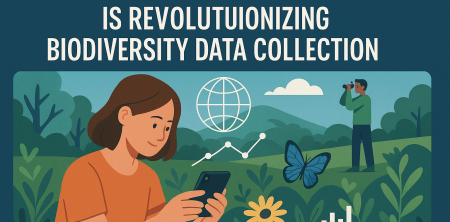
The challenge of biodiversity loss and climate change is no longer a distant concern; it’s a matter that directly affects our ecosystems and, by extension, our lives. As awareness of these issues grows, so does the need for innovative solutions that engage the public in meaningful ways. One such solution lies in the concept of citizen science integration, where ordinary people collaborate with scientists to collect and analyze biodiversity data. This dynamic approach not only enhances scientific research but also empowers communities, creating a grassroots movement for ecological conservation.
The Urgency of Biodiversity Conservation
Everywhere you look, the signs of biodiversity decline are alarming. According to the World Wildlife Fund’s Living Planet Report, global wildlife populations have plummeted by an average of 68% since 1970. This dramatic loss is attributed to factors like habitat destruction, pollution, climate change, and invasive species. As ecosystems collapse, the implications for humanity grow dire. Biodiversity underpins essential services like food production, clean water, and climate regulation—services that are increasingly threatened by human activity.
In light of this situation, the traditional methods of collecting biodiversity data often fall short. Scientific studies can be expensive and time-consuming, limiting the scope of research. Integrating citizen science presents an innovative solution to these challenges, allowing for larger-scale data collection that would be impossible for scientists to achieve alone.
What is Citizen Science Integration?
At its core, citizen science integration involves harnessing the skills and enthusiasm of the general public to contribute to scientific research. This can take many forms, from people recording local wildlife sightings to participating in environmental monitoring programs. The data collected by citizen scientists can be invaluable, providing researchers with insights into biodiversity patterns and trends across vast geographic areas.
For example, projects like the Audubon Society’s Christmas Bird Count or the Marine Conservation Society’s Beachwatch mobilize thousands of volunteers each year. By coordinating efforts between amateur naturalists and professional scientists, researchers can gather comprehensive datasets that inform conservation efforts and policy decisions.
The Power of Public Participation
One of the most compelling aspects of citizen science is its ability to engage the public in ecological issues. When ordinary citizens contribute to scientific research, they develop a deeper connection to their environment. This engagement fosters a sense of stewardship, motivating individuals to take action in their communities.
The emotional aspect of public participation can't be ignored. People often feel overwhelmed by climate change and biodiversity loss, leading to a sense of helplessness. However, by integrating citizen science into conservation efforts, individuals can become part of the solution rather than mere spectators. This shift in narrative is crucial—empowering individuals to contribute to scientific knowledge fosters optimism and collective action.
Case Studies in Successful Citizen Science Integration
Many successful projects exemplify the potential of citizen science integration. One notable example is the Citizen Science Project in Australia, where volunteers monitor over 60 different wildlife species. Through this initiative, participants gather vital data that informs conservation strategies. The project's success lies not only in the data collected but also in the community's mobilization around biodiversity issues.
Another striking case is the iNaturalist platform, where users can upload photos of plants and animals, which are then identified by the community and by experts. This platform has amassed millions of observations, enabling researchers to track species distributions and changes over time. iNaturalist demonstrates how technology can facilitate citizen involvement and create a collaborative relationship between amateur enthusiasts and professional scientists.
Challenges and Considerations
Despite the promise of citizen science integration, challenges remain. Data quality is a significant concern; not all contributions are scientifically rigorous. Researchers must establish protocols to ensure that the data collected is reliable and usable. Training programs for volunteers can help mitigate these issues, providing participants with the skills necessary to collect meaningful data. (See: CDC on Environmental Health.)
Additionally, fostering sustained engagement is vital. While many people may be initially enthusiastic about participating in a citizen science project, maintaining that interest over time can be difficult. Researchers need to create environments that are inclusive and rewarding, ensuring that volunteers see the value in their contributions and the impact they have on conservation efforts.
Technological Advances Enhancing Citizen Science
In recent years, technological advances have transformed how citizen science operates. Mobile apps and online platforms facilitate data collection and sharing, making it easier than ever for the public to participate. For example, smartphone apps can enable users to document species sightings with just a few taps, instantly contributing to a larger dataset.
Moreover, social media platforms have become powerful tools for outreach. Researchers can use these platforms to communicate their work, recruit volunteers, and share findings with a broader audience. The viral nature of social media amplifies the impact of citizen science projects, inspiring new participants and fostering community engagement.
The Role of Educational Institutions
Educational institutions play a crucial role in promoting citizen science integration. Schools and universities can establish partnerships with local conservation organizations to create hands-on learning opportunities for students. By involving young people in real-world research, educators can instill a sense of responsibility toward environmental stewardship.
Furthermore, citizen science projects can serve as platforms for interdisciplinary learning, combining elements of biology, technology, and community engagement. This approach not only enhances scientific literacy but also prepares the next generation of scientists and environmental advocates.
Policy Implications and Future Directions
The integration of citizen science into formal research processes has significant policy implications. Governments and conservation agencies can leverage citizen-collected data to inform policy decisions and prioritize conservation actions. By recognizing the value of public participation, policymakers can create frameworks that support citizen science initiatives and facilitate collaboration between scientists and local communities.
The future of biodiversity conservation may well depend on successful citizen science integration. As climate change accelerates, the need for timely and accurate data becomes even more urgent. Collaborative efforts that include citizen scientists can yield more comprehensive insights into biodiversity trends, ultimately leading to more effective conservation strategies.
Benefits of Citizen Science Integration
Integrating citizen science into research offers numerous benefits, not just for the scientific community but for society as a whole. Here are a few notable advantages:
1. Increased Data Collection
Citizen science allows for an exponential increase in data collection and analysis. With thousands of volunteers participating, the volume of data generated can provide a more detailed picture of biodiversity than traditional methods. For instance, projects like the eBird initiative have gathered billions of bird observations, which help researchers understand migration patterns and population trends across vast areas.
2. Cost-Effectiveness
Collecting data through citizen science can significantly reduce research costs. Funding for traditional research can be limited, but involving the public lowers financial barriers. For example, the Marine Debris Tracker app not only engages citizens in tracking litter but also has become a cost-effective approach to gather data on marine pollution.
3. Community Building
Citizen science fosters community building and strengthens social ties. As individuals work together towards common conservation goals, they build relationships and networks that can enhance local environmental advocacy. Programs like the Great Canadian Shoreline Cleanup mobilize communities, bringing together diverse groups to address local pollution issues. (See: Nature article on citizen science.)
4. Educational Opportunities
Engaging in citizen science projects provides unique educational opportunities for participants. These initiatives encourage critical thinking and problem-solving skills as volunteers navigate real-world scientific challenges. Schools that incorporate citizen science into their curriculums often see improved student engagement and understanding of ecological concepts.
FAQs about Citizen Science Integration
What types of projects are considered citizen science?
Citizen science projects can vary widely, including wildlife monitoring, environmental assessments, and data collection for climate research. Projects like the Zooniverse platform invite citizens to help classify galaxies and transcribe historical documents, demonstrating the diverse possibilities of citizen engagement in science.
How can I get involved in citizen science?
Getting involved in citizen science is easy! Many organizations have online platforms where you can sign up for projects, access resources, and contribute data. Websites like SciStarter and iNaturalist provide detailed listings of ongoing projects that you can join based on your interests and location.
Is citizen science data reliable?
While there are concerns about data quality in citizen science, many projects implement rigorous protocols to ensure reliability. With proper training and guidance, citizen scientists can produce valuable data that meets scientific standards. Researchers often validate contributions through expert review or by comparing them to existing datasets.
Are there age restrictions for participating in citizen science?
Most citizen science projects are open to participants of all ages. However, some projects may have specific age guidelines or parental consent requirements for minors. Many projects encourage family participation, allowing young people to engage in science alongside adults.
What impact does citizen science have on conservation efforts?
Citizen science significantly impacts conservation by providing essential data that shapes policy and management decisions. Projects can raise public awareness of environmental issues, build community engagement, and foster grassroots movements that drive real change. The data collected often leads to targeted conservation initiatives, restoration projects, and informed advocacy efforts.
Further Examples of Successful Citizen Science Integrations
Recent projects have demonstrated the effectiveness of citizen science integration across various domains. For instance, the Global Biodiversity Information Facility (GBIF) has enabled citizen scientists to gather and share biodiversity data worldwide. This project has become a critical resource for researchers, helping them understand global biodiversity trends in ways that would be impossible without public involvement.
Similarly, the Phenology Network engages volunteers in tracking seasonal changes in plants and animals. This data is crucial for understanding the impacts of climate change on phenology, which refers to the timing of biological events. The network illustrates how citizen science can provide insights that inform climate adaptation strategies.
Statistics That Highlight the Impact of Citizen Science
Evidence of the impact of citizen science is compelling. A study published in the journal Nature found that citizen-led initiatives contribute to over 80% of biodiversity monitoring in some regions, illustrating the reliance of researchers on these grassroots efforts. Additionally, a survey by the Citizen Science Association indicated that 70% of participants felt more connected to their local ecosystem through their involvement in scientific projects.
Moreover, data from the National Oceanic and Atmospheric Administration (NOAA) shows that citizen scientists have contributed to over 1,000,000 observations of marine species along the U.S. coastline, directly influencing marine conservation efforts. These statistics not only showcase the scale of citizen science participation but also highlight the invaluable role it plays in shaping environmental policies.
Creating a Culture of Citizen Science
For citizen science integration to thrive, a culture of participation must be cultivated. This can be achieved through community events, workshops, and educational programs that highlight the importance of biodiversity and conservation. Engaging storytelling can also be pivotal; sharing success stories from previous citizen science projects can inspire others to get involved. Campaigns that leverage local media or social networks can further enhance community engagement.
At the local level, municipalities can support citizen science by providing resources, funding, or recognition for citizen-led initiatives. For instance, cities that have developed urban biodiversity programs often see increased public participation in monitoring local wildlife. These efforts not only benefit scientific research but also enhance community pride and environmental awareness.
The Road Ahead: Challenges and Opportunities
As the demand for data-driven conservation strategies grows, the role of citizen science will likely expand. However, challenges such as data quality and participant retention must be addressed. Investing in training and creating supportive networks for citizen scientists can help overcome these hurdles. Additionally, fostering partnerships between academic institutions, non-profits, and community organizations can amplify the reach and effectiveness of citizen science projects.
Looking forward, one of the most promising developments in citizen science integration is the potential to harness artificial intelligence and machine learning. These technologies can enhance data analysis, allowing citizen scientists to contribute to more complex research projects while still benefiting from their insights and local knowledge. As these technologies evolve, they will likely open new doors for public participation in scientific research.
Conclusion: A Call to Action
The urgency of addressing biodiversity loss cannot be overstated, and citizen science integration offers a promising path forward. This approach empowers communities, fosters engagement, and generates valuable data to inform conservation efforts. Whether you’re a seasoned naturalist or someone who simply enjoys spending time outdoors, there’s a role for you in this vital movement.
As the global community continues to grapple with the environmental crises of our time, it’s clear that collaboration is key. By integrating citizen science into traditional research frameworks, we can harness the collective power of individuals to create meaningful change. So why not get involved? Every contribution counts, and together, we can make a difference for our planet.
```
Trending Now
Frequently Asked Questions
What is citizen science integration?
Citizen science integration involves engaging the public in scientific research by allowing them to collect and analyze data. This collaborative effort enhances biodiversity data collection and empowers communities to participate in ecological conservation.
How does citizen science help biodiversity conservation?
Citizen science helps biodiversity conservation by enabling large-scale data collection that would be otherwise impossible for scientists alone. It mobilizes community involvement, providing crucial insights into wildlife populations and ecosystem health. This builds on Rhode Island's environmental monitoring.
Why is biodiversity data collection important?
Biodiversity data collection is essential for understanding ecosystem health, tracking wildlife populations, and informing conservation efforts. It supports crucial services such as food production and climate regulation, which are threatened by human activities.
What are the benefits of involving the public in scientific research?
Involving the public in scientific research through citizen science enhances data collection, fosters community engagement, and raises awareness about environmental issues. It empowers individuals to contribute meaningfully to ecological conservation efforts.
What challenges does biodiversity face today?
Biodiversity faces significant challenges, including habitat destruction, pollution, climate change, and invasive species. These factors have led to alarming declines in wildlife populations, threatening essential ecosystem services vital for human survival.
Have you experienced this yourself? We'd love to hear your story in the comments.

