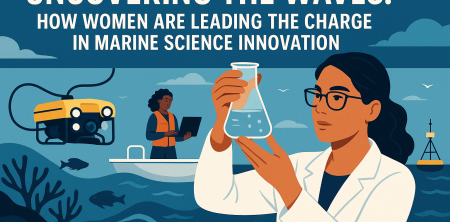
```html
In an era where climate change and environmental degradation are pressing issues, the role of marine science becomes increasingly critical. This field not only explores the depths of our oceans but also examines the intricate ecosystems that sustain life on Earth. In 2026, we see a remarkable trend in this discipline: a surge of research led by women. This shift not only enhances the diversity of perspectives in marine science but also brings fresh insights into how we understand and interact with our oceans.
The Growing Influence of Women in Marine Science
Historically, marine science has been dominated by male voices, with women often underrepresented in both research and leadership roles. However, recent data indicates a significant change. The current publications from the *Frontiers in Marine Science* journal hub highlight numerous women-led studies that span various marine disciplines, including ecology, marine policy, and conservation efforts. This shift is crucial, as diverse teams are known to produce more innovative solutions to complex problems.
The contributions from women in marine science are not merely about inclusion; they have profound implications for the way research is conducted and applied. Female researchers often approach problems with unique perspectives, fostering collaboration that bridges gaps between different sectors, from academia to policy-making.
Key Areas of Research in 2026
The *Frontiers in Marine Science* journal serves as an important platform to showcase various research topics that are timely and critical. Some of the key areas of focus for women-led studies in 2026 include:
- Marine Ecology: Research that examines the relationships between marine organisms and their environments is crucial for understanding ecosystem health.
- Climate Change Impacts: Studies focusing on how climate change is affecting marine habitats, species distribution, and food security are paramount.
- Marine Policy: Women are leading discussions on effective marine policies that address sustainability, conservation, and economic impacts.
- Ocean Technology: Innovations in underwater data collection and monitoring are being spearheaded by female scientists.
Each of these areas is ripe for exploration and holds the potential for groundbreaking findings that could reshape our understanding of marine environments.
Marine Ecology: Insights That Matter
At the core of marine science lies ecology, the study of how organisms interact with each other and their environment. Women researchers have been instrumental in revealing unexpected relationships within marine ecosystems. For instance, a recent study documented the synergy between predator fish and coral health, showcasing how species interactions can lead to more resilient reefs.
This kind of research not only deepens our understanding of marine environments but also informs conservation strategies. By identifying which species play pivotal roles in maintaining ecosystem balance, scientists can better target efforts to protect these crucial marine habitats.
Climate Change: The Ocean's Frontline
The impact of climate change on the oceans is one of the most alarming aspects of current marine science. Female-led studies are at the forefront of documenting these changes, from ocean acidification to rising sea levels. For example, research has shown how coral reefs are not only dying but also adapting in response to these stressors, providing hope and avenues for restoration efforts.
Moreover, women researchers are working to highlight the intersection of climate change and food security, particularly in coastal communities that rely on fishing. By linking environmental health to human livelihoods, these studies underscore the urgency of sustainable practices in marine resource management.
Marine Policy: Shaping a Sustainable Future
As the challenges facing our oceans grow more complex, the need for effective marine policy becomes apparent. Women in marine science are increasingly taking up the mantle to shape policies that protect marine environments and promote sustainability. Their research often emphasizes the need for policies that integrate scientific findings with community needs and economic realities.
For instance, a study led by a female researcher examined the effectiveness of marine protected areas (MPAs) and found that when local communities are involved in decision-making, the enforcement of these areas improves significantly. This highlights an important lesson: policies that are informed by scientific research and shaped by community voices are more likely to succeed. (See: Women in marine science research.)
Ocean Technology: Innovating for the Future
Innovation in marine science is not just about studying the ocean; it's also about harnessing technology to better understand it. Women researchers are at the helm of developing exciting new tools and technologies for ocean exploration. From advanced remote sensing to autonomous underwater vehicles (AUVs), these innovations are transforming how we collect data and monitor marine environments.
For example, a recent project involving female marine scientists utilized AUVs equipped with sensors to map underwater habitats in unprecedented detail. This research not only provides valuable baselines for assessing environmental change but also opens doors for future exploration.
Engaging the Public: Marine Science in Action
One of the most powerful aspects of marine science today is its ability to engage the public and raise awareness about oceanic issues. Women-led initiatives are particularly adept at crafting narratives that resonate with diverse audiences. Through social media campaigns, educational programs, and community workshops, these scientists are making marine science accessible and actionable.
For instance, the successful “Ocean Voices” campaign, led by female marine scientists, utilized storytelling to highlight the experiences of coastal communities affected by climate change. By connecting personal stories to scientific findings, the campaign enhanced public understanding and encouraged grassroots advocacy for marine protection.
Future Directions: What Lies Ahead for Marine Science?
The momentum generated by women in marine science points toward a promising future. As more female researchers take on leadership roles, the diversity of thought and experience will continue to enrich the field. Looking ahead, key areas for future exploration include:
- Interdisciplinary Research: Collaborations between marine scientists, social scientists, and policymakers will be vital to address multifaceted marine issues.
- Community-Based Conservation: Engaging local communities in conservation efforts will become increasingly important for sustainable marine resource management.
- Technology Integration: Continued advancements in technology will enhance our ability to monitor and protect marine ecosystems effectively.
This forward-looking approach not only strengthens the field of marine science but also emphasizes the need for ongoing support and investment in women-led research initiatives.
The Power of Representation in Marine Science
Perhaps one of the most inspiring aspects of the current wave of women-led marine science is the emphasis on representation. By showcasing the work of female scientists, we are not only celebrating their achievements but also inspiring future generations of women to pursue careers in science. This is crucial, as role models can play a significant role in shaping young girls’ aspirations and breaking down barriers that have historically limited women’s participation in STEM fields.
Additionally, representation in marine science has broader implications for societal engagement with environmental issues. People are more likely to support and advocate for science when they see themselves reflected in it. Therefore, as women continue to lead in marine science, we can expect a ripple effect that extends beyond academia and into public policy and community activism.
Challenges and Barriers in Marine Science
While the progress in women’s participation in marine science is commendable, challenges still exist. Institutional biases, lack of funding, and limited access to resources can hinder women's research opportunities. A recent survey from the National Science Foundation indicated that women in marine science are more likely to experience discrimination compared to their male counterparts, affecting career advancement and professional recognition.
Addressing these barriers requires concerted efforts from academic institutions, funding agencies, and the scientific community as a whole. Initiatives aimed at mentorship, funding for women-led projects, and creating inclusive environments can foster a more equitable landscape in marine science.
Statistics on Women in Marine Science
To paint a clearer picture of women's involvement in marine science, consider these compelling statistics from various studies and reports:
- According to a 2023 report by the Ocean Conservancy, women make up approximately 45% of the workforce in marine science fields, a significant increase from just 30% two decades ago.
- A study published in *Science Advances* found that institutions with gender-diverse teams were 20% more likely to publish high-impact research compared to those with less diversity.
- Research from the American Association of University Women revealed that women in marine science are more likely to engage in interdisciplinary research, leading to innovative solutions for complex environmental issues.
These statistics not only highlight the increasing representation of women in marine science but also underline the positive impact of diversity on research outcomes. (See: Impact of diversity in research teams.)
Expert Perspectives on the Future of Marine Science
Various experts in marine science have shared their perspectives on the future of this field, especially regarding the influence of women. Dr. Susan H. McClain, a leading marine ecologist, emphasizes the importance of mentorship for aspiring female scientists. “We need to cultivate a culture where young women feel empowered to pursue marine science. This means providing them with resources and opportunities to shine,” she states.
Another prominent figure, Dr. Elena T. Rodriguez, a conservation policy expert, highlights the necessity of incorporating diverse voices in policy-making. “When women are part of the conversation, it leads to more comprehensive policies that consider different aspects of marine ecosystems and the communities that depend on them,” she argues.
These insights from experts reinforce the notion that the future of marine science is not only about scientific advancement but also about inclusivity and representation.
Frequently Asked Questions (FAQ) about Marine Science
What is marine science?
Marine science is the study of ocean environments, including the physical, chemical, biological, and geological processes that occur in the ocean. It encompasses various disciplines, such as marine biology, oceanography, and marine ecology.
Why is marine science important?
Marine science is crucial for understanding the ocean's role in climate regulation, biodiversity, and human livelihoods. Healthy oceans provide essential resources like food, oxygen, and medicine, making their study vital for sustainability.
How do women contribute to marine science?
Women in marine science contribute by leading research efforts, influencing policy decisions, and engaging communities in conservation efforts. Their diverse perspectives lead to innovative solutions for complex marine challenges.
What are some current trends in marine science?
Current trends in marine science include a focus on climate change impacts, the development of sustainable fishery practices, and advancements in ocean technology. Research is increasingly interdisciplinary, integrating social sciences to address marine issues. We covered groundbreaking marine research findings in more detail.
How can I get involved in marine science?
Getting involved in marine science can start with education, such as pursuing a degree in marine biology or environmental science. Volunteering with marine conservation organizations, participating in citizen science projects, or attending local marine science events are also great ways to engage with the field.
Marine Science in Different Cultures
Marine science is not only a Western endeavor; its roots and applications span across cultures worldwide. Indigenous communities have long understood the ocean’s complexities and have developed sustainable practices based on their interactions with marine ecosystems. These practices often emphasize respect and a deep understanding of nature, which can serve as models for modern marine conservation efforts.
For example, the Māori people of New Zealand have a rich tradition of marine stewardship known as kaitiakitanga, which emphasizes guardianship and conservation of marine resources. This perspective is increasingly being recognized in marine policies that seek to integrate traditional knowledge with scientific research, proving that a holistic approach can yield impressive results.
Global Collaborations in Marine Science
In an interconnected world, global collaborations in marine science are essential for addressing international challenges like climate change and ocean pollution. Scientific partnerships across borders allow for shared knowledge, resources, and technology that can enhance research outcomes. The Oceanographic Society and UNESCO’s Intergovernmental Oceanographic Commission are examples of organizations facilitating these global partnerships.
Joint projects often include collaborations between universities, research institutions, and governmental agencies that pool their expertise and funding. For instance, the International Coastal Cleanup, which mobilizes thousands of volunteers around the world, exemplifies how global efforts can lead to meaningful changes in local marine environments.
The Economic Value of Marine Science
Understanding the economic value of marine science is crucial for garnering support and funding for research initiatives. The ocean economy contributes trillions of dollars annually, from fisheries and tourism to renewable energy sources like offshore wind farms. Recognizing this value can help prioritize marine research and conservation efforts.
According to the World Bank, the ocean economy is projected to grow significantly over the next decade, especially with advancements in sustainable fisheries and aquaculture. Women-led enterprises in marine sectors are emerging, creating new job opportunities while promoting sustainable practices. These developments not only help protect marine ecosystems but also support local economies, showcasing the interconnectedness of marine science and economic health.
Innovative Educational Programs in Marine Science
Education plays a vital role in the advancement of marine science, especially in fostering the next generation of scientists. Innovative educational programs that integrate hands-on experiences with scientific learning inspire students to engage with marine issues actively. Programs like Ocean Discovery Institute and Sea Grant provide platforms for students, especially from underrepresented communities, to explore marine science through mentorship and immersive experiences.
These initiatives often include field trips, lab work, and community projects that allow students to apply their knowledge in real-world contexts. By encouraging young people to explore marine science, these programs are not only expanding the field's diversity but also creating future leaders who will champion sustainable practices.
Conclusion: The Ocean Awaits
The advancements made by women in marine science are nothing short of remarkable. As we continue to face pressing environmental challenges, the need for diverse and innovative solutions has never been clearer. The studies emerging from the *Frontiers in Marine Science* journal not only shine a light on the importance of women’s contributions but also underscore the potential for transformative change in how we understand and protect our oceans.
As you engage with marine science in the coming years, remember that behind every significant study, there are dedicated researchers—often women—who are pushing the boundaries of knowledge and advocating for a sustainable future. Their work is vital, and it’s up to all of us to amplify their voices, support marine research, and take action to preserve the precious ecosystems that sustain our planet.
```
Trending Now
- this guide on unlocking opportunities: why the senior ai engineer education role at a.team matters
- this guide on official vs. unofficial transcript: what’s the difference?
- How Kinesthetic Learning Helps Students with ADHD Focus
- What Is Developmentally Appropriate Practice? NAEYC…
- this guide on how to improve your high school transcript before college applications
Frequently Asked Questions
How are women contributing to marine science?
Women are increasingly leading research in marine science, bringing diverse perspectives that enhance innovation. Their contributions span various disciplines, including marine ecology, climate change impacts, and marine policy, which are crucial for addressing environmental challenges.
What are the key areas of marine science research in 2026?
In 2026, key areas of marine science research led by women include marine ecology, climate change impacts on marine habitats, and marine policy. These studies are vital for understanding ecosystem health and addressing the effects of climate change.
Why is diversity important in marine science?
Diversity in marine science fosters collaboration and leads to more innovative solutions for complex environmental problems. Female researchers often approach issues from unique angles, bridging gaps between academia, policy-making, and conservation efforts.
What trends are emerging in marine science research?
A notable trend in marine science is the rise of women-led research, which is enhancing the field's diversity and depth. This shift is reflected in the increased publication of studies in journals like *Frontiers in Marine Science*.
How does climate change affect marine ecosystems?
Climate change significantly impacts marine ecosystems by altering species distribution, affecting food security, and disrupting habitats. Research focusing on these areas is essential for understanding and mitigating the consequences of climate change on our oceans.
Have you experienced this yourself? We'd love to hear your story in the comments.

