```html
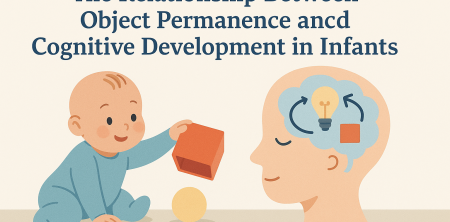
The journey of cognitive development in infants is a fascinating exploration into the early stages of human intelligence. One of the key milestones in this journey is the concept of object permanence, a fundamental building block that shapes how babies understand the world around them. Object permanence refers to the understanding that objects continue to exist even when they cannot be seen, heard, or otherwise sensed. This critical cognitive leap is not just a fascinating aspect of child development; it's a lens through which we can examine how infants learn, interact, and grow.
What is Object Permanence?
Object permanence is a term coined by the Swiss psychologist Jean Piaget, who emphasized its significance in cognitive development. According to Piaget, infants develop this understanding around 8 to 12 months of age, during what he termed the sensorimotor stage of cognitive development. Before this developmental milestone, infants may believe that when an object is removed from sight, it ceases to exist. For example, if you hide a toy under a blanket, a younger infant might not search for it, as they don’t yet grasp that the toy still exists despite being out of view.
The Importance of Object Permanence in Cognitive Development
Understanding object permanence is vital for several reasons. First and foremost, it lays the foundation for later cognitive abilities, including memory, problem-solving, and even social interactions. When infants realize that objects exist independently of their perceptions, they can begin to construct more complex mental representations of the world. This cognitive shift is crucial for developing skills such as:
- Memory: Recognizing that objects persist helps infants retain information about these objects.
- Problem Solving: Infants learn to search for hidden objects, prompting them to think critically about the environment.
- Social Interaction: Understanding that others also have perspectives leads to the development of empathy and social skills.
Milestones of Object Permanence
Infants typically navigate through specific stages of understanding object permanence. Piaget outlined these developmental milestones, which serve as a general guide, though individual differences abound:
- Birth to 4 Months: Infants are primarily focused on immediate stimuli. If an object is removed from sight, they show little reaction.
- 4 to 8 Months: Infants begin to look for partially hidden objects but may still struggle with fully concealed items.
- 8 to 12 Months: This is the critical period when infants demonstrate a clear understanding of object permanence. They actively search for hidden objects, indicating a more sophisticated cognitive awareness.
- 12 Months and Beyond: As cognitive development continues, infants not only understand object permanence but also begin to apply this knowledge to more complex scenarios, such as predicting the actions of others.
How to Support the Development of Object Permanence
As a caregiver, you can play a significant role in helping your infant establish a strong grasp of object permanence. Engaging in play that promotes this understanding can be both fun and educational. Here are some practical ways to support this critical aspect of cognitive development:
- Hide and Seek: Play games where you hide a toy or an object under a blanket or behind a pillow, encouraging your infant to explore and find it.
- Peek-a-Boo: This classic game not only entertains but also teaches infants about permanence by demonstrating that you still exist even when they can’t see you.
- Simple Hiding Games: Place a toy under a cup and encourage your child to find it. This will reinforce the idea that the toy is still there, even if it’s out of sight.
The Role of Play in Cognitive Development
Play is not merely a pastime for infants; it's an essential aspect of their cognitive development. Through play, infants experiment with object permanence and other cognitive skills. The act of manipulating objects, hiding them, and discovering them again enhances understanding and builds neural pathways in the brain.
Studies show that free play encourages exploration and experimentation, which are crucial for cognitive growth. When infants engage in play, they learn to test hypotheses about the world. For example, if they drop a toy and it falls, they might drop it repeatedly to observe the outcome. This trial-and-error method is foundational for developing critical thinking skills. This builds on supporting brain development.
Current Research on Object Permanence and Cognitive Development
The study of object permanence continues to evolve with advancements in research methods. Recent studies have employed more sophisticated techniques, such as eye-tracking, to examine how infants respond to object permanence challenges. Researchers have discovered that infants as young as 3.5 months may have a rudimentary understanding of object permanence, suggesting that Piaget may have underestimated the capabilities of infants.
One noteworthy study demonstrated that infants can track the trajectory of moving objects, suggesting that they might possess a more advanced understanding of the physical world than previously thought. Such insights prompt us to reconsider the timeline of cognitive milestones and recognize that the development of object permanence may be an earlier and more gradual process rather than a sudden leap. (See: Wikipedia article on Object Permanence.)
Impact on Later Cognitive Abilities
Object permanence plays a pivotal role in shaping later cognitive abilities. Research indicates that infants who develop a strong understanding of object permanence tend to perform better in tasks requiring memory and problem-solving in later childhood. This correlation highlights the importance of early cognitive development and suggests that fostering object permanence can have lasting effects on a child's intellectual growth.
For instance, children who grasp object permanence are more likely to engage in imaginative play, which further enhances their cognitive skills. They can create scenarios involving hidden objects, leading to the ability to think abstractly and engage in storytelling. This early foundation sets the stage for more complex cognitive functions that emerge as they grow.
Challenges in Understanding Object Permanence
While many infants readily grasp the concept of object permanence, some may face challenges. Factors such as developmental delays or certain cognitive disorders can impact how quickly or effectively an infant understands object permanence.
For example, infants with autism spectrum disorders (ASD) may exhibit different developmental timelines, affecting their ability to understand that objects continue to exist when out of sight. Caregivers and educators should approach these situations with sensitivity and tailored strategies to support cognitive growth.
Strategies for Overcoming Challenges
For parents or caregivers of infants who may struggle with object permanence, there are several strategies to help them along the way:
- Consistent Routines: Establishing predictable routines can help infants feel more secure, making it easier for them to explore and understand the concept of object permanence.
- Incremental Learning: Start with partially hidden objects and gradually increase the complexity. This step-by-step approach allows infants to build their understanding progressively.
- Visual and Auditory Cues: Use sounds or visual stimuli to reinforce the existence of hidden objects. For instance, shaking a rattle while a toy is covered can help infants associate the sound with the object.
- Be Patient: Every child develops at their own pace. Providing a supportive environment where infants can explore without pressure is crucial for their learning journey.
Expert Perspectives on Object Permanence
Experts in developmental psychology emphasize the significance of object permanence in the broader context of cognitive development. Dr. Laura Berk, a prominent developmental psychologist, highlights the role of caregivers in facilitating this understanding. She suggests that responsive interactions, where caregivers engage with infants and follow their lead, can enhance cognitive milestones, including object permanence.
Additionally, Dr. Susan Johnson, an early childhood educator, points out that play-based learning is crucial. She advocates for incorporating object permanence-focused games into daily activities, noting that playful interactions can foster a deeper understanding while also strengthening the caregiver-child bond.
Comparative Cultural Perspectives
Cultural factors can influence how object permanence is understood and nurtured. In some cultures, the emphasis on interactive play is more pronounced, thereby facilitating earlier grasping of object permanence. For instance, in cultures where communal caregiving is the norm, infants may receive more varied experiences and stimuli, leading to a broader understanding of their environment.
On the contrary, in more individualistic societies, where caregivers may be more focused on structured activities, infants may not have as many opportunities to explore object permanence through free play. Recognizing these differences is essential for tailoring approaches to encourage cognitive development across diverse cultural contexts.
Frequently Asked Questions
What age do infants typically develop object permanence?
Infants usually begin to exhibit signs of object permanence between 4 to 8 months, with a more robust understanding emerging around 8 to 12 months.
How can I tell if my child understands object permanence?
Look for behaviors such as actively searching for hidden objects, showing surprise or excitement when an object reappears, or playing peek-a-boo with enthusiasm. These are all signs that your child is developing an understanding of object permanence. (See: NIH article on cognitive development.)
What activities can help improve my child's object permanence skills?
Engaging in simple hiding games, playing peek-a-boo, and using toys that encourage exploration—like pop-up toys or nested boxes—are excellent ways to enhance your child's understanding of object permanence.
Are there any developmental disorders that affect object permanence?
Yes, developmental delays or conditions like autism spectrum disorder (ASD) may influence how quickly an infant grasps object permanence. Children with these challenges may need tailored support and strategies.
Is object permanence linked to other cognitive skills?
Absolutely! Mastering object permanence is closely related to memory, problem-solving, and even social skills. Children who understand that objects exist independently tend to perform better in various cognitive tasks later in life.
The Role of Object Permanence in Social Development
While we often associate object permanence with cognitive skills, it also plays a significant role in social development. As infants grasp the idea that objects exist even when out of sight, they begin to extend this understanding to other people. This shift allows them to recognize that caregivers have their own experiences and emotions, which is foundational for developing empathy.
For example, when an infant understands that their parent will return after leaving the room, it promotes a sense of security and attachment. This attachment is crucial for healthy emotional development and forms the basis for future relationships. Infants who are secure in their understanding of object permanence are more likely to explore their environment and engage with others, reflecting a healthy social development trajectory.
Longitudinal Studies on Object Permanence
Longitudinal studies have provided deeper insights into how object permanence influences cognitive and social development over time. Tracking a cohort of infants from the point they begin to develop object permanence into later childhood, researchers have found notable correlations between early understanding of object permanence and later academic success. Children who displayed strong object permanence skills often excelled in math and reading tasks as they aged.
One study published in the journal "Child Development" followed children from infancy through age 5, revealing that those who mastered object permanence earlier tended to have higher problem-solving abilities and better social skills. These findings underscore the importance of fostering object permanence as part of a comprehensive approach to early childhood education.
Neuroscience Insights on Object Permanence
The burgeoning field of neuroscience has begun to unravel the brain processes involved in object permanence. Studies utilizing neuroimaging techniques have shown that specific areas of the brain become active when infants engage in tasks requiring object permanence. The prefrontal cortex, which is associated with higher cognitive functions like planning and reasoning, shows increased activity as infants search for hidden objects.
This suggests that the understanding of object permanence is not only crucial for cognitive development but also indicates the maturation of important brain regions. Insights from neuroscience could potentially lead to targeted interventions for children struggling with cognitive delays, providing a pathway for optimized learning strategies.
The Importance of Caregiver Interaction
Caregiver interaction is pivotal in nurturing object permanence. Engaging with infants during play not only supports their cognitive development but also enhances the parent-child bond. Responsive caregiving, where caregivers acknowledge and respond to infants' cues, can significantly impact how quickly and effectively infants learn about object permanence.
Research shows that children whose caregivers frequently engage in social games that highlight object permanence—like peek-a-boo—tend to develop these skills more robustly. This means that caregivers who are proactive in fostering interactive play can make a significant difference in their child's cognitive trajectory.
Future Directions in Research
As our understanding of object permanence evolves, future research is likely to focus on the interplay between cultural, social, and cognitive factors in its development. Investigating how different forms of play influence the acquisition of object permanence across various cultures may provide valuable insights for educators and parents alike.
Moreover, as technology advances, new methodologies for studying infant cognition are emerging. The use of virtual reality and interactive digital environments could offer groundbreaking ways to explore how infants understand object permanence in real-time scenarios, potentially leading to new strategies for fostering these critical cognitive skills.
Conclusion: The Journey of Cognitive Development
The relationship between object permanence and cognitive development in infants is a rich area of exploration. This understanding is essential not only for developmental psychology but also for parents and educators who seek to foster healthy cognitive growth in young children. By engaging infants in playful activities that promote object permanence, caregivers can lay a strong foundation for lifelong learning.
As research progresses, our understanding of this critical developmental milestone continues to deepen. Recognizing that object permanence is not merely a cognitive trick but a lens through which infants perceive their world can transform our approach to nurturing young minds. The journey of cognitive development is intricate and profound, and by emphasizing the importance of object permanence, we can help shape brighter futures for our children.
```
Trending Now
Frequently Asked Questions
What is object permanence in infants?
Object permanence is the understanding that objects continue to exist even when they cannot be seen or sensed. This concept, developed by psychologist Jean Piaget, typically emerges in infants between 8 to 12 months of age, marking a crucial milestone in their cognitive development.
Why is object permanence important for cognitive development?
Object permanence is essential as it lays the groundwork for memory, problem-solving, and social interactions. When infants recognize that objects exist independently of their perceptions, they can form more complex mental representations and engage more effectively with their environment.
At what age do babies develop object permanence?
Babies typically develop object permanence between 8 to 12 months of age. This understanding occurs during Piaget's sensorimotor stage of cognitive development, where infants begin to realize that objects continue to exist even when out of sight.
How does object permanence affect memory in infants?
Understanding object permanence enhances an infant's memory by helping them retain information about objects. When infants grasp that objects persist despite not being visible, they can remember and interact with these objects more effectively.
What are the signs of object permanence in infants?
Signs of object permanence in infants include searching for hidden objects, showing surprise when an object reappears, and demonstrating awareness that people and objects exist even when not in immediate view. These behaviors indicate a developing cognitive understanding of the world.
What did we miss? Let us know in the comments and join the conversation.

