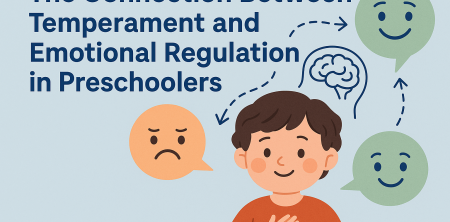
```html
Understanding the connection between temperament and emotional regulation in preschoolers is essential for parents, educators, and childcare professionals. While every child is unique, their temperament plays a critical role in how they manage emotions, respond to stress, and interact with the world around them. This article explores the intricacies of this relationship, offering insights into how we can better support young children in their emotional development.
What Is Temperament?
Temperament refers to the innate traits that influence how children react to their environment and regulate their emotions. Researchers have identified various dimensions of temperament, such as activity level, emotional intensity, adaptability, and mood. One of the pioneering figures in this field, Dr. Jerome Kagan, distinguished between inhibited and uninhibited temperaments in children, highlighting how these traits manifest in different behaviors.
Children with an inhibited temperament might be shy and cautious in new situations, while those with an uninhibited temperament may be outgoing and spontaneous. These fundamental differences can significantly affect how preschoolers express and manage their emotions. For instance, a child with a highly reactive temperament might find it challenging to cope with frustration or disappointment, leading to more frequent emotional outbursts.
The Importance of Emotional Regulation
Emotional regulation refers to the ability to monitor, evaluate, and modify emotional reactions in both positive and negative situations. For preschoolers, mastering emotional regulation is crucial as it influences their social interactions, academic success, and overall well-being. Children who can effectively regulate their emotions are more likely to form healthy relationships, adapt to new environments, and face challenges with resilience.
Research suggests that effective emotional regulation can lead to improved academic performance and social competence. For example, children who manage their emotions well tend to exhibit fewer behavioral problems in school settings and have more positive peer relationships. Thus, understanding the link between temperament and emotional regulation can provide valuable insights for fostering these skills in young children.
The Connection Between Temperament and Emotional Regulation
The relationship between temperament and emotional regulation is both complex and multifaceted. Temperament can impact how children understand and respond to their feelings, which in turn affects their ability to regulate emotions. For instance, a preschooler with a high activity level might express emotions more intensely, making it difficult for them to calm down when upset. temperament categories for babies offers useful background here.
Furthermore, certain temperamental traits may predispose children to struggle with emotional regulation. For example, children who exhibit high levels of negativity or are easily frustrated might find it hard to cope in challenging situations. Conversely, those who are more adaptable and positive may have an easier time managing their emotions. Understanding these connections allows parents and educators to tailor their approaches to meet children's emotional needs effectively.
Practical Strategies for Supporting Emotional Regulation
Given that temperament significantly influences emotional regulation, it's crucial to employ strategies that can help children develop these skills. Here are several effective approaches:
- Modeling Emotional Regulation: Children learn by observing adults. By demonstrating healthy emotional regulation in your own life, you can provide a valuable framework for preschoolers. Discuss your feelings openly and share how you cope with challenges.
- Creating a Safe Environment: A nurturing and supportive environment allows preschoolers to express their emotions without fear of judgment. Establishing routines and predictability can help children feel secure, making it easier for them to manage their feelings.
- Using Emotion Language: Teach children to identify and express their emotions by using appropriate language. Simple phrases like "I feel sad" or "I’m frustrated" can empower preschoolers to articulate their feelings, promoting emotional awareness.
- Teaching Coping Skills: Introduce age-appropriate coping strategies such as deep breathing, counting to ten, or using a calm-down corner. These techniques can help children learn to manage their emotional responses effectively.
- Encouraging Problem-Solving: Help preschoolers develop their problem-solving skills by guiding them through scenarios where they must manage frustration or disappointment. Role-playing different situations can also be an effective way to practice coping strategies.
The Role of Parents and Caregivers
Parents and caregivers play a central role in fostering emotional regulation in preschoolers. Understanding each child's temperament is a first step in developing effective parenting strategies that promote emotional growth. For example, a child with a more sensitive temperament might benefit from gentle guidance and reassurance during emotional challenges, while a child with a more resilient temperament may require encouragement to face their fears. (See: Emotional regulation in children.)
Additionally, maintaining consistent communication is key. Regularly checking in with preschoolers about their feelings and experiences can help them feel understood and supported. This connection lays the groundwork for healthy emotional regulation, as children learn to articulate their emotions and seek help when needed.
Educators' Influence in Preschool Settings
Preschool educators also play a pivotal role in shaping children's emotional regulation. By creating an emotionally responsive classroom environment, teachers can support students in navigating their feelings. This can include implementing social-emotional learning (SEL) programs that explicitly teach emotional skills, fostering empathy, and promoting positive relationships among peers.
Educators should be aware of the temperamental differences among students and adapt their approaches accordingly. For instance, a teacher might provide additional support to a child who struggles with emotional outbursts while encouraging more emotionally resilient students to help their peers. This not only fosters a supportive classroom culture but also teaches children the value of compassion and cooperation.
Research Insights on Temperament and Emotional Regulation
Numerous studies have illuminated the relationship between temperament and emotional regulation in preschoolers. For example, research published in the journal "Child Development" found that children with difficult temperaments were more likely to exhibit externalizing behaviors, such as aggression or tantrums, when faced with emotional challenges. The study emphasized the importance of early intervention to help these children develop better emotional regulation skills.
Another study published in "Developmental Psychology" highlighted how preschoolers with high levels of emotional reactivity often benefited from structured routines and predictable environments. Such structures gave these children a sense of security, enabling them to manage emotions more effectively.
These findings underscore the necessity of understanding temperament when addressing emotional regulation challenges. Tailoring interventions based on temperamental traits can enhance their effectiveness and promote long-term emotional well-being.
Current Relevance and Future Implications
As society becomes increasingly aware of the importance of emotional intelligence and mental health, understanding the link between temperament and emotional regulation in preschoolers has never been more relevant. Early childhood is a critical period for emotional development, and the skills children learn during this time can have lasting effects on their personal and academic lives.
Moreover, with the rise of digital technology and social media, children are faced with new emotional challenges that require strong regulation skills. By equipping preschoolers with the tools to manage their emotions effectively, we can help them navigate these challenges, fostering resilience and adaptability.
In looking ahead, it’s essential for parents and educators to continue collaborating in supporting emotional regulation. Community resources, such as workshops and parenting classes, can provide valuable insights and strategies to enhance emotional education.
Additional Factors Influencing Emotional Regulation
While temperament is a significant factor in emotional regulation, several other elements come into play. Family dynamics, culture, and even socioeconomic status can shape how children learn to handle their emotions. For instance, children from supportive families tend to develop stronger emotional regulation skills. In contrast, those in high-stress environments may struggle more with managing their feelings, as they may not receive the same level of emotional support and guidance.
Moreover, cultural factors can influence emotional expression and regulation. In some cultures, expressing emotions openly is encouraged, while in others, restraint may be valued. Understanding these cultural contexts can help caregivers and educators tailor their approaches to better support children’s needs. For example, in a culture that values emotional restraint, teaching children to recognize their feelings without necessarily expressing them outwardly might be more effective. (See: Temperament and behavior in children.)
Comparative Temperament Profiles
It's also useful to look at different temperament profiles and their implications for emotional regulation. Children can often be categorized into various temperament types, such as:
- Easy Temperament: These children are generally adaptable and have a positive mood. They tend to adjust well to new situations and are less likely to experience intense emotional outbursts. With proper guidance, they usually develop strong emotional regulation skills.
- Difficult Temperament: Often characterized by high activity levels and intense emotional reactions, children with difficult temperaments may struggle with regulation. They often require more structured environments and additional support to help them learn to manage their responses to frustration.
- Slow-to-Warm-Up Temperament: These children may take longer to adapt to new situations and can be hesitant in social interactions. They often benefit from gradual exposure to new experiences and supportive guidance to help them regulate their emotions as they become more comfortable.
Recognizing these profiles can help educators and parents customize their support strategies to align with a child's specific temperament, ultimately enhancing their emotional regulation skills.
Expert Perspectives on Temperament and Emotional Regulation
Experts in child psychology emphasize the importance of understanding the interplay between temperament and emotional regulation. Dr. Lisa Miller, a child psychologist, notes that "the earlier we can identify a child's temperament and adapt our responses accordingly, the better equipped they will be to handle emotional challenges." She highlights the significance of early intervention, stating that tailored approaches can greatly enhance a child's emotional development.
Dr. Miller also emphasizes the role of play in supporting emotional regulation. "Pretend play is crucial for children," she explains. "It allows them to explore different emotional scenarios and practice reactions in a safe environment." This type of play can serve as a valuable tool for both parents and educators, providing children with opportunities to experiment with expressing and regulating their emotions.
FAQ About Temperament and Emotional Regulation in Preschoolers
What are the key temperamental traits that affect emotional regulation?
The key traits include activity level, emotional intensity, adaptability, and mood. These traits can influence how a child experiences and expresses emotions and their ability to regulate those feelings.
How can I assess my child's temperament?
Observing your child's behavior in various situations can provide insights into their temperament. Consider how they react to new experiences, their emotional responses, and how they interact with peers. Additionally, standardized temperament assessments are available and can help provide a more structured evaluation.
When should I seek help if my child struggles with emotional regulation?
If you notice persistent challenges that interfere with your child’s daily life, such as excessive tantrums, difficulty making friends, or trouble in school, it may be beneficial to consult a child psychologist or counselor. Early interventions can be crucial in helping children develop better emotional regulation skills. See also effective emotional regulation tips.
Can temperament change over time?
While some aspects of temperament are relatively stable, children can learn to adapt and change their emotional responses with guidance and support. Factors such as positive parenting practices, a supportive school environment, and effective coping strategies can facilitate this growth.
What resources are available for parents and educators?
There are numerous resources available, including books on child development, online courses on emotional regulation, and community workshops. Connecting with local parenting groups can also provide support and shared experiences that may help in understanding and addressing temperament and emotional regulation.
Understanding Emotional Outbursts in Preschoolers
Preschoolers often experience emotional outbursts that can be challenging for both the child and caregivers. These outbursts are typically a manifestation of their developmental stage, where emotions can be intense and difficult to manage. Children may cry, scream, or have meltdowns when faced with frustration, disappointment, or overwhelming situations.
It's essential to recognize that these outbursts are not necessarily indicative of behavioral issues but rather a natural part of emotional development. For instance, a child who struggles with sharing toys may become upset when another child takes a turn. Understanding this is crucial for caregivers who need to respond appropriately to such situations, helping to guide the child through their feelings rather than simply punishing the behavior.
Strategies for Managing Emotional Outbursts
Here are some strategies that can help manage emotional outbursts effectively:
- Stay Calm: Your emotional response can set the tone for how your child reacts. Staying calm during an outburst can help de-escalate the situation.
- Validate Feelings: Let your child know that it’s okay to feel upset or angry. Validating their feelings can help them feel understood and may ease their emotional turmoil.
- Provide Guidance: After the outburst, discuss what happened and how they might handle similar situations in the future. This can help them learn better coping skills.
- Establish Boundaries: While it’s important to validate emotions, it’s also essential to set clear expectations for behavior. Help your child understand that while feeling upset is normal, there are appropriate ways to express those feelings.
Long-Term Effects of Emotional Regulation
The ability to regulate emotions in early childhood can have profound long-term effects. Research indicates that children who learn emotional regulation skills early on are better equipped to handle the challenges of adolescence and adulthood. They tend to have improved relationships, higher academic achievements, and better mental health outcomes.
For instance, a longitudinal study published in "The Journal of Child Psychology and Psychiatry" revealed that children who displayed strong emotional regulation skills were less likely to face difficulties with anxiety or depression in later years. This highlights the critical importance of supporting emotional growth during the preschool years.
Conclusion
Understanding the intricate relationship between temperament and emotional regulation in preschoolers is crucial for fostering healthy emotional development. By recognizing the unique temperamental traits of each child, parents and educators can implement targeted strategies that promote effective emotional regulation. As we invest in the emotional well-being of our youngest learners, we lay the groundwork for their future success and resilience.
```
Trending Now
- Unlocking Opportunities: Why the Senior AI Engineer Education Role at A.Team Matters
- our breakdown of official vs. unofficial transcript: what’s the difference?
- this guide on how kinesthetic learning helps students with adhd focus
- this guide on what is developmentally appropriate practice? naeyc guidelines explained
- this guide on how to improve your high school transcript before college applications
Frequently Asked Questions
What is the relationship between temperament and emotional regulation in preschoolers?
Temperament significantly influences how preschoolers manage their emotions. Innate traits such as emotional intensity and adaptability affect their ability to cope with stress and interact socially. Understanding these traits helps caregivers support children's emotional development.
How does a child's temperament affect their behavior?
A child's temperament can dictate their behavior in various situations. For instance, inhibited children may be shy and cautious, while uninhibited children tend to be outgoing and spontaneous. These differences impact how they express and manage emotions.
Why is emotional regulation important for preschoolers?
Emotional regulation is crucial for preschoolers as it influences their social interactions, academic success, and overall well-being. Children who can effectively regulate their emotions are better equipped to build healthy relationships and adapt to new environments.
What are the dimensions of temperament in children?
Dimensions of temperament include activity level, emotional intensity, adaptability, and mood. These traits help define how children react to their environment and manage their emotions, impacting their behavior and emotional responses.
How can parents support emotional development in preschoolers?
Parents can support emotional development by understanding their child's temperament and promoting emotional regulation skills. Encouraging open communication, modeling appropriate emotional responses, and providing a supportive environment are key strategies.
What's your take on this? Share your thoughts in the comments below — we read every one.

