```html
In educational settings, creating a supportive atmosphere is crucial for fostering student growth and development. One of the most effective frameworks for achieving this is through positive behavior support (PBS), which not only encourages positive behaviors but also significantly enhances students’ self-esteem. This article delves into how PBS can transform students’ lives by promoting self-worth, creating a more inclusive environment, and ultimately leading to improved academic and social outcomes.
Understanding Positive Behavior Support
Positive Behavior Support is a proactive approach designed to promote positive behavior among students while minimizing negative behaviors. It is rooted in the principles of behavior analysis and emphasizes the importance of creating supportive environments where students can thrive both socially and academically. PBS operates on the belief that all students can learn and succeed when provided with the right conditions and support.
The PBS framework typically involves three key tiers:
- Tier 1: Universal interventions that apply to all students, including teaching positive behaviors and setting clear expectations.
- Tier 2: Targeted interventions for students who are at risk of developing behavioral problems, offering additional support and guidance.
- Tier 3: Individualized interventions for students with significant behavioral challenges, focusing on personalized strategies to address their needs.
The Connection Between PBS and Self-Esteem
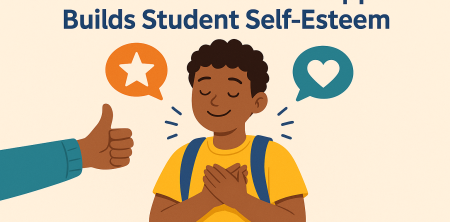
Self-esteem refers to an individual’s perception of their own worth and value. It is crucial for students, as it influences their motivation, behavior, and overall mental health. A collaborative study by researchers at the University of Florida found a direct correlation between positive behavior reinforcement and enhanced self-esteem among students. When students receive consistent praise for positive behaviors, they develop a stronger sense of self-worth, which can lead to greater engagement and achievement in school.
Positive behavior support works at enhancing self-esteem through several mechanisms:
- Reinforcement of Positive Behaviors: PBS emphasizes recognizing and rewarding positive behaviors, which helps students associate their actions with success and approval.
- Building Trusting Relationships: By creating a supportive and understanding environment, PBS fosters connections between educators and students, making students feel valued and respected.
- Encouragement of Self-Reflection: PBS encourages students to reflect on their behavior and its impact on themselves and others, promoting self-awareness and personal growth.
Practical Application of PBS in Schools
Implementing positive behavior support within schools requires a comprehensive approach involving educators, administrators, and families. Here are practical steps schools can take to effectively implement PBS:
1. Establish Clear Expectations
Schools should outline clear, concise expectations for behavior that are communicated to all students. These expectations should be positively framed and easy to understand. For instance, instead of saying “don’t run in the hallways,” schools might articulate “walk calmly and safely in the hallways.”
2. Provide Training for Educators
Educators must be equipped with the tools and strategies needed to implement PBS effectively. Professional development opportunities should focus on classroom management techniques, positive reinforcement strategies, and methods for addressing challenging behaviors without punishment.
3. Encourage Family Engagement
Engaging families in the PBS process is crucial. Schools can organize workshops to inform parents about PBS, its benefits, and how they can support the same principles at home. A strong partnership between school and home creates consistency in expectations and reinforcement.
The Role of Positive Reinforcement
Positive reinforcement is at the heart of PBS. It involves acknowledging and rewarding students for displaying desired behaviors. This can take many forms, from verbal praise and stickers to school-wide recognition programs.
Research indicates that the immediate acknowledgment of positive behavior significantly boosts self-esteem. When students are celebrated for their efforts and achievements, they internalize these positive messages, which enhances their self-image. For example, a school might implement a “Student of the Month” program that highlights students who exemplify school values, thereby motivating others to strive for recognition as well.
Creating a Supportive Environment
For PBS to be effective, schools must cultivate an inclusive and supportive atmosphere. This involves more than just addressing negative behaviors; it also means promoting a culture of respect, empathy, and community. Here’s how schools can achieve this:
1. Foster Collaboration
Encouraging students to work together on projects and group activities can build a sense of community and belonging. Collaborative learning experiences help students develop interpersonal skills and appreciate the strengths of their peers.
2. Integrate Social-Emotional Learning
Incorporating social-emotional learning (SEL) into the curriculum is essential for developing self-awareness and interpersonal skills. Lessons that focus on managing emotions, setting goals, and resolving conflicts can be instrumental in building self-esteem. (See: CDC on positive behavior support.)
Monitoring and Adjusting PBS Strategies
Continuous monitoring is vital to the PBS process. Schools should regularly assess the effectiveness of their PBS strategies and make necessary adjustments based on feedback from students and educators. This iterative process ensures that PBS remains relevant and responsive to the needs of the school community.
Data collection and analysis play a crucial role here. Schools can track behavioral incidents, monitor academic performance, and survey student self-esteem levels. By analyzing this data, educators can identify patterns and areas where additional support may be needed.
The Impact of PBS on Academic Performance
Beyond enhancing self-esteem, positive behavior support has a significant impact on academic performance. When students feel good about themselves, they are more likely to engage fully in their education. Research has consistently shown that environments that prioritize positive behavior lead to improved academic outcomes.
According to a study published in the journal Psychology in the Schools, schools that implemented PBS saw a notable decrease in disciplinary referrals and an increase in academic achievement. This correlation suggests that when students' self-esteem is nurtured through positive reinforcement and supportive environments, their capacity for learning and success grows exponentially.
Challenges to Implementing PBS
Despite the numerous benefits of positive behavior support, some challenges can arise during its implementation. Understanding these obstacles can help schools develop strategies to overcome them:
1. Resistance to Change
Educators and staff may resist shifting from traditional behavior management methods to a more positive approach. Ongoing training and open discussions can help alleviate fears and highlight the benefits of PBS.
2. Inconsistent Application
For PBS to be effective, consistency is key. If different educators apply PBS principles unevenly, students may become confused about expectations. Regular meetings and collaborative planning among staff can help ensure a unified approach.
3. Resource Limitations
Some schools may struggle with limited resources to implement comprehensive PBS programs. Seeking partnerships with local organizations or applying for grants can provide additional funding and support for PBS initiatives.
Current Relevance of Positive Behavior Support
The importance of positive behavior support has only grown in the wake of the COVID-19 pandemic. With increased stressors affecting students' mental health and well-being, the need for supportive educational frameworks is more critical than ever. Schools are now faced with the challenge of addressing not only academic gaps but also the emotional and social needs of students.
PBS provides a roadmap for schools to create environments that prioritize psychological safety and well-being. As students return to in-person learning, implementing PBS strategies can help them rebuild their self-esteem and navigate the complexities of post-pandemic life.
Success Stories: Schools Thriving with PBS
There are numerous success stories from schools that have embraced positive behavior support. For example, Maplewood High School in New Jersey implemented a PBS framework that resulted in a 50% decrease in behavioral referrals within the first year. Teachers reported feeling more equipped to handle classroom challenges, and students expressed higher levels of engagement and satisfaction.
Additionally, Stonebridge Elementary School in Colorado integrated PBS with social-emotional learning and noted substantial improvements in both academic performance and student self-esteem. Students engaged more deeply in their learning, and the school community became more cohesive and supportive.
Building Capacity for PBS
A successful PBS implementation goes beyond initial training and requires ongoing development and support. To build capacity for PBS, schools should consider the following strategies:
1. Establishing Leadership Teams
Creating a dedicated team of leaders within the school can help drive the PBS initiative forward. This team should include teachers, administrators, and support staff who are committed to promoting positive behavior and ensuring that PBS principles are consistently applied throughout the school.
2. Professional Learning Communities
Forming professional learning communities focused on PBS allows educators to share successes, struggles, and resources with one another. By collaborating with peers, teachers can refine their practices and find innovative ways to support students’ behavioral and social-emotional needs. (See: WHO on mental health and education.)
3. Continuous Improvement Cycles
Utilizing continuous improvement cycles enables schools to remain flexible and responsive to the changing needs of their students. This involves regularly reviewing practices, analyzing data, and making adjustments to improve the effectiveness of PBS interventions.
Engaging Students in PBS
For PBS to truly resonate, it’s crucial to involve students in the process. When students feel they have a voice in their learning environment, they are more likely to take ownership of their behavior. Here are a few strategies to engage students:
1. Student Committees
Creating a student-led committee dedicated to promoting positive behavior can empower students to take an active role in shaping the school culture. This committee can organize events, campaigns, and peer mentoring programs that reinforce PBS principles.
2. Student-Led Workshops
Encouraging students to lead workshops on topics like conflict resolution, empathy, and self-regulation can foster a sense of community and shared responsibility. By teaching their peers, students reinforce their understanding and commitment to positive behavior.
3. Feedback Mechanisms
Instituting regular feedback mechanisms where students can express their thoughts on PBS initiatives can help educators understand what is working and what needs improvement. This could include surveys, suggestion boxes, or discussion forums.
Frequently Asked Questions about Positive Behavior Support
1. What are the key components of PBS?
The key components of positive behavior support include establishing clear expectations for behavior, teaching those behaviors, monitoring student progress, and providing appropriate reinforcement. The PBS framework also emphasizes data-driven decision-making and community involvement.
2. How does PBS benefit students with special needs?
PBS is particularly beneficial for students with special needs as it focuses on individualized interventions that cater to their specific behavioral challenges. By providing tailored support, PBS helps these students develop essential skills and improve their self-esteem.
3. Can PBS be implemented in all types of schools?
Yes, PBS can be adapted for all types of educational settings, including elementary, middle, and high schools, as well as alternative education programs. The principles of PBS are flexible and can be customized to fit the unique needs of any school environment.
4. How long does it take to see results from PBS?
The timeline for seeing results from PBS can vary depending on the specific context of the school and the commitment to implementation. While some improvements may be seen within months, more significant changes in school culture and student behavior can take several years of consistent effort.
5. What resources are available for schools interested in implementing PBS?
Many organizations provide resources and training for schools looking to implement PBS, including the PBIS Technical Assistance Center and local educational agencies. These resources often include training materials, implementation guides, and access to a network of other schools utilizing PBS.
Challenges in Sustaining PBS
Even after successful implementation, sustaining positive behavior support can present its own set of challenges. Schools may face issues such as staff turnover, shifting priorities, and changes in leadership that can disrupt the ongoing commitment to PBS. To counteract these challenges, it’s important to establish a strong foundation built on ongoing training, community support, and a clear vision of the benefits of PBS for both students and educators.
1. Staff Turnover
When key staff members leave, the momentum of PBS initiatives can falter. To mitigate this, schools should document procedures, train new staff on PBS practices, and foster a culture that embraces positive behavior support as a core part of the school's mission.
2. Shifting Priorities
As educational policies and priorities evolve, PBS initiatives can sometimes be sidelined. Schools should advocate for the importance of mental health and positive behavior support in policy discussions and seek to integrate these principles into broader educational goals.
Measuring the Success of PBS
Measuring the impact of positive behavior support is essential for understanding its effectiveness and making informed adjustments. Schools should utilize a variety of data sources to assess both behavioral and academic outcomes. Here are some methods for measuring success:
1. Behavioral Data
Tracking behavioral incidents, referrals, and disciplinary actions before and after PBS implementation can show clear trends in student behavior. This data can reveal whether positive behavior support is leading to fewer negative incidents and a more positive school climate.
2. Academic Performance
Monitoring changes in academic performance indicators, such as grades, test scores, and attendance rates, can help schools understand the correlation between PBS and student success. Schools can compare data from before and after PBS was introduced to assess its impact.
3. Surveys and Feedback
Conducting surveys among students, staff, and parents can provide qualitative insights into the perceived effectiveness of PBS initiatives. Feedback on school climate, student engagement, and overall satisfaction can guide future PBS practices.
Expanding PBS Beyond the Classroom
The principles of positive behavior support can extend beyond the classroom and into the home and community. Engaging families and community members in PBS initiatives can create a holistic support system for students. Here are a few ideas:
1. Family Workshops
Organizing workshops for families to learn about PBS principles can empower parents to implement similar strategies at home. Providing tools for positive reinforcement and effective communication can enhance the overall effectiveness of PBS.
2. Community Partnerships
Schools can collaborate with local organizations to provide resources and support for students and families. Community involvement can amplify the impact of PBS and create a network of support that benefits everyone.
3. Public Awareness Campaigns
Launching public awareness campaigns that highlight the importance of positive behavior in shaping a supportive community can further reinforce PBS principles. Engaging the wider community can help foster an environment where positive behavior is celebrated and encouraged.
Conclusion: The Future of Positive Behavior Support
The evidence is clear: positive behavior support is a powerful tool for building student self-esteem and promoting a supportive educational environment. As schools continue to grapple with the challenges of modern education, embracing PBS can lead not only to improved behavior but also to enhanced academic success and personal growth for students.
By prioritizing positive behavior support, we can create schools where students feel valued, respected, and empowered to thrive. The future of education lies in nurturing our students' self-esteem and ensuring they have the tools they need to succeed.
```
Trending Now
Frequently Asked Questions
What is Positive Behavior Support in education?
Positive Behavior Support (PBS) is a proactive framework designed to encourage positive behavior among students while minimizing negative actions. It focuses on creating supportive environments that foster both academic and social success, utilizing a tiered approach to interventions tailored to meet the needs of all students.
How does Positive Behavior Support improve self-esteem?
PBS enhances self-esteem by consistently reinforcing positive behaviors, which helps students develop a stronger sense of self-worth. Research shows that when students receive praise and recognition for their positive actions, their self-esteem increases, leading to improved motivation and mental health.
What are the tiers of Positive Behavior Support?
PBS consists of three key tiers: Tier 1 includes universal interventions for all students; Tier 2 provides targeted support for at-risk students; and Tier 3 offers individualized interventions for those with significant behavioral challenges, ensuring tailored strategies to meet diverse needs.
Why is self-esteem important for students?
Self-esteem is crucial for students as it influences their motivation, behavior, and overall mental health. A positive self-image encourages students to engage more fully in learning and social interactions, leading to better academic performance and personal development.
Can Positive Behavior Support create an inclusive environment?
Yes, PBS promotes an inclusive environment by establishing clear expectations and providing support for all students. By addressing diverse behavioral needs through its tiered approach, PBS ensures that every student feels valued and capable of succeeding, fostering a sense of belonging.
What's your take on this? Share your thoughts in the comments below — we read every one.

