```html
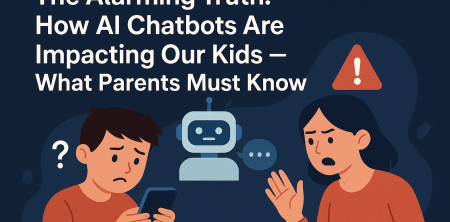
The rise of technology in our daily lives has been nothing short of phenomenal. From smartphones to virtual assistants, these innovations have transformed the way we communicate, learn, and interact. However, as parents, one critical question looms large: how do we go about protecting children from technology? This dilemma has become even more pressing with the advent of AI chatbots, devices often perceived as both helpful tools and potential threats.
The Growing Concern: AI Chatbots and Our Children
Recent discussions reveal a startling trend — fewer than 50% of parents are aware that their children are engaging with AI chatbots. This statistic alone raises alarms about the knowledge gap that exists between parents and the tech-savvy youth of today. For many parents, the rapid pace at which technology evolves can be overwhelming. One moment you’re trying to explain the concept of a smartphone, and the next, your child is chatting with an AI.
AI chatbots, designed to mimic human conversation, can provide kids with companionship, answers to their questions, and even assistance with schoolwork. While these benefits are alluring, the risks associated with emotional dependence and misinformation cannot be ignored. Children may begin to confide in these tools rather than seek guidance from adults, creating a chasm between parents and their kids.
Emotional Dependence: A Hidden Threat
As AI chatbots become more prevalent, the potential for emotional dependence in children is alarming. Chatbots, like ChatGPT and others, offer immediate responses to queries, often tailored to be as soothing and supportive as possible. When kids receive understanding and affirmation from these digital companions, they may prefer conversation with them over peers or adults.
This emotional bond can hinder the development of essential social skills. Children learn how to navigate human relationships through interaction with family and friends. If they begin to rely heavily on AI for emotional support, they may miss out on crucial lessons about empathy, conflict resolution, and communication. It's crucial for parents to understand that while technology can be a friend, it should never replace genuine human connection.
Understanding Misinformation: A Key to Protecting Our Kids
Another significant concern surrounding AI chatbots is the prevalence of misinformation. Children, often eager to learn and explore, might not have the critical thinking skills necessary to discern fact from fiction. These chatbots can inadvertently provide incorrect or misleading information, which could lead to confusion and misinformed decisions.
The potential for misinformation becomes especially troubling when kids seek advice on personal issues or topics related to their well-being. If they receive inaccurate information from an AI, it could have serious consequences. Parents should encourage children to verify information and consult trusted adults when it comes to health, relationships, and other sensitive topics. For more on this, see books for social skills.
The Role of Privacy: What Parents Need to Know
Privacy is another critical issue when discussing AI chatbots. Many of these tools collect data from conversations to improve their responses, raising questions about what happens to that data. As parents, it’s essential to consider the implications of our children sharing personal details with an AI.
While chatbots can provide a safe space for kids to express themselves, the reality is that their conversations could be stored and analyzed. This means that sensitive information might be at risk of being exposed or misused. Parents should take a proactive approach in discussing privacy with their children, helping them understand the importance of safeguarding their personal information.
Bridging the Knowledge Gap: Keeping Parents Informed
As technology evolves, so must our understanding of it. Parents need to stay informed about the tools their children are using, including AI chatbots. Engaging with the technology can demystify it and provide insights into how it impacts children's lives. Workshops, online resources, and community events can help parents stay updated on the latest tech trends.
Moreover, having open conversations with children about their online experiences can foster a sense of trust. Instead of being adversaries in the world of technology, parents can become allies. By asking children about their interactions with AI chatbots, parents can gauge their understanding, address any concerns, and guide them toward healthy usage. (See: Children's mental health and technology.)
Strategies for Safe Usage of AI Chatbots
Protecting children from technology doesn’t mean banning it outright. Instead, it's about fostering a safe and informed environment for their technological interactions. Here are some actionable strategies:
- Set Boundaries: Establish clear guidelines around the use of AI chatbots. Let your child know when, where, and how long they can interact with these tools.
- Encourage Critical Thinking: Teach your children to question the information they receive. This skill is essential not just for dealing with AI but for navigating the vast sea of information online.
- Monitor Interactions: While respecting your child's privacy, occasionally check in on their conversations with AI chatbots. This practice can provide insights into their interests and any potential risks.
- Promote Human Interaction: Encourage your children to foster relationships with friends and family. Provide opportunities for them to engage in social activities that emphasize face-to-face communication.
- Educate About Privacy: Have discussions about what kinds of information are safe to share online. Empowering your child with knowledge about privacy can help them make safer choices.
Engaging Experts: The Role of Educators and Psychologists
It's not just parents who need to be informed; educators and child psychologists also play a critical role in this conversation. Schools can implement programs to educate children about technology, focusing on its benefits and pitfalls. Teaching digital literacy from an early age can equip children with the tools they need to navigate the online world responsibly.
Child psychologists can provide insights into the psychological effects of technology on children. They can help parents understand how AI chatbots may influence a child's development and offer strategies for promoting healthy interactions. Collaborating with professionals can create a comprehensive support system for families.
Future Technologies: Anticipating What's Ahead
As technology continues to evolve, it's essential to anticipate future developments and their potential impact on children. Emerging tools may offer even more advanced interactions, pushing the boundaries of what AI can do. Parents need to remain vigilant and adaptable, ready to adjust their approaches as new challenges arise.
For instance, advancements in augmented reality and virtual reality could create immersive experiences for children, providing exciting educational opportunities. However, these experiences also come with risks, such as increased screen time and the potential for addiction. By staying informed about trends, parents can proactively address these challenges.
Comparing Technology Use Among Different Age Groups
Understanding how technology impacts children across various age groups can provide a clearer picture for parents. Younger children, typically from ages 2 to 7, may engage with technology for educational games and activities. Their interactions are often more innocent and exploratory, but it's essential to guide them toward age-appropriate content.
For children ages 8 to 12, the use of technology expands as they access social media, gaming platforms, and educational resources. This age group can be particularly susceptible to peer influence, making it vital for parents to establish open communication lines. Discussing online interactions and fostering a sense of responsibility is key during this stage.
Teenagers, typically ages 13 and up, are often fully immersed in technology, using it for social connections, educational purposes, and entertainment. At this stage, parents should focus on teaching critical thinking skills about internet safety, privacy, and managing time spent online. The goal is to prepare them to navigate the digital world independently while still providing guidance.
Statistics on Technology Use by Children
The statistics surrounding technology use by children are eye-opening. According to a 2023 report by the American Academy of Pediatrics, children aged 8-18 spend an average of 7.5 hours a day on screens. This heavy usage raises concerns about screen time and its effects on physical and mental health.
Furthermore, a survey conducted by Common Sense Media found that 50% of teens feel addicted to their mobile devices. This indicates a growing issue with technology dependence that parents need to address proactively. Understanding these statistics can help parents frame conversations about technology use with their children.
Addressing the Risks of Cyberbullying and Online Predators
Another substantial risk associated with technology use among children is cyberbullying. With the anonymity that the internet provides, individuals may feel emboldened to say things they wouldn't say in person. Parents should monitor their children's social media interactions and encourage open conversations about online experiences.
Online predators are another critical concern. Children often share personal information without understanding the potential consequences. Educating children about the importance of privacy settings and the risks of sharing personal details is essential in reducing vulnerabilities to online threats. (See: Children and technology's mental health effects.)
Creating a Family Media Plan
A proactive approach for parents is to create a family media plan. This plan should outline guidelines for technology use, screen time limits, and expectations for online behavior. A collaborative approach can help children feel involved in the decision-making process and more likely to adhere to the rules.
Here are some components to consider when creating a family media plan:
- Screen Time Limits: Set daily or weekly limits on screen time for recreational use while emphasizing the importance of balancing technology with other activities.
- Device-Free Zones: Designate certain areas of the house, such as the dining room or bedrooms, as device-free zones to encourage family interaction.
- Content Guidelines: Establish age-appropriate content restrictions and ensure children understand the types of media they are allowed to consume.
- Tech Check-Ins: Schedule regular family meetings to discuss technology use, experiences, and any concerns that may arise.
Frequently Asked Questions (FAQ)
What age is appropriate for children to start using AI chatbots?
While there is no one-size-fits-all answer, many experts suggest that children as young as 8 can start using AI chatbots under parental supervision. However, it's crucial to assess individual maturity and understanding before allowing unsupervised access.
How can I ensure my child’s safety while using technology?
To ensure your child's safety, establish clear boundaries, regularly monitor their online interactions, educate them about privacy, and encourage open communication about their experiences. Building trust is essential for your child to feel comfortable discussing any issues they encounter.
Are there educational benefits to using AI chatbots?
Yes, AI chatbots can provide educational benefits by offering personalized learning experiences, answering questions, and reinforcing concepts taught in school. However, it's essential to balance this with other forms of learning and social interaction. (common tech integration errors)
How can I help my child develop critical thinking skills regarding technology use?
Encourage your child to ask questions about the information they encounter online, challenge assumptions, and seek out multiple sources for verification. Engaging in discussions about current events or various topics can also enhance their critical thinking skills.
What should I do if I suspect my child is being cyberbullied?
If you suspect your child is being targeted by cyberbullying, it's vital to approach the situation with empathy. Encourage them to talk about their experiences and document any incidents. Involve the school if necessary, and help your child understand that they are not alone and that there are ways to seek help.
Protecting Children: A Community Responsibility
While the focus often rests on parents, protecting children from technology is a responsibility that extends to the entire community. Educators, caregivers, and even tech developers have roles to play in ensuring a safe digital environment. Schools can collaborate with parents to promote awareness of technology's impact, while tech companies can design products with safety features in mind.
For example, tech developers can implement stricter guidelines for data collection and transparency in how AI chatbots function. They can also create more robust parental control features that allow families to customize their children's experiences. By working together, we can create innovative solutions that prioritize children's safety.
The Importance of Open Dialogue
Engaging in open dialogue about technology is crucial for children's digital well-being. Regular discussions about their online experiences can help identify potential issues early on and create a supportive environment where children feel comfortable sharing their thoughts and concerns. This communication should extend beyond just the risks; it should also celebrate the positive aspects of technology.
By discussing their favorite apps, games, or educational tools, parents can understand their children's interests and preferences. This way, parents can guide their children to use technology positively, enhancing their learning and creativity while mitigating risks. Encouraging children to share their experiences not only builds trust but also empowers them to make informed decisions about their technology use.
Real-Life Examples of Success Stories
Many families have successfully navigated the challenges of technology by implementing effective strategies. For instance, one family set up a weekly technology night where everyone shares their favorite apps or games. This event fosters communication and allows for discussions about what is safe and appropriate, reinforcing the importance of critical thinking.
Another example comes from a school that introduced a “digital citizenship” curriculum. This program focuses on teaching children the skills needed to navigate online spaces safely and responsibly. It covers topics like privacy, cyberbullying, and the importance of verifying information. Parents are encouraged to participate in workshops, ensuring that they stay informed and engaged with their children’s education regarding technology.
Future Challenges: What to Look Out For
As technology continues to evolve, new challenges will emerge. Virtual reality and artificial intelligence are likely to become more integrated into children's lives. Parents must prepare for the implications of these technologies, including potential addiction, isolation, and exposure to inappropriate content. Being proactive in understanding these new tools and their effects can help families navigate these changes more effectively.
Additionally, the rise of social media platforms that cater specifically to children raises questions about safety and mental health. Parents should stay informed about the platforms their children are using and engage in conversations about online behavior and the effects of social media on self-esteem and body image. This awareness can equip parents to better guide their children in making sensible choices.
Conclusion: A Collaborative Approach to Protecting Children
Protecting children from technology, particularly AI chatbots, requires a collaborative effort. It's not just up to parents to navigate this complex landscape; educators, child psychologists, and even technology developers have roles to play. By working together, we can foster an environment where the benefits of technology are harnessed while minimizing its risks.
Ultimately, it’s about finding a balance. Technology isn't going away; it's an integral part of our lives. However, understanding its impact on children is crucial in ensuring their safety and well-being. Through open dialogue, education, and informed decisions, we can create a safer digital world for our children — one where they can thrive in a technology-driven future.
```
Trending Now
Frequently Asked Questions
What are the risks of AI chatbots for children?
AI chatbots can pose several risks for children, including emotional dependence and misinformation. Children may prefer interacting with chatbots over parents or peers, which can hinder their social skills and development. Additionally, the information provided by chatbots may not always be accurate, leading to potential confusion or misunderstanding.
How can parents protect their kids from technology?
Parents can protect their kids from technology by actively engaging in their online activities, setting clear boundaries for technology use, and encouraging open communication. It's essential to educate children about the implications of using AI chatbots and to foster strong relationships so they feel comfortable discussing their experiences with technology.
Are AI chatbots safe for children to use?
While AI chatbots can provide companionship and help with learning, they are not entirely safe for children. Concerns about emotional dependence and the potential spread of misinformation make it crucial for parents to monitor their children's interactions with these tools and guide them towards healthy technology use.
What should parents know about AI chatbots?
Parents should be aware that many children are engaging with AI chatbots without their knowledge. Understanding how these tools work, their benefits, and the associated risks can help parents navigate their children's use of technology and ensure they are providing appropriate guidance and support.
How do AI chatbots affect children's social skills?
AI chatbots can negatively impact children's social skills by providing a substitute for human interaction. If children become emotionally reliant on chatbots for conversation and support, they may struggle to develop essential social skills needed for real-life relationships with peers and adults.
Have you experienced this yourself? We'd love to hear your story in the comments.

