```html
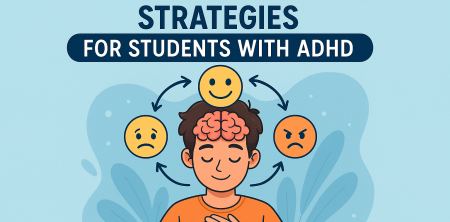
Understanding emotional regulation is crucial for ADHD students as it directly influences their academic performance and social interactions. Many of these students experience intense emotions that can lead to impulsive behavior, academic struggles, and difficulties in maintaining relationships. By implementing effective emotional regulation strategies, educators and parents can significantly improve their emotional well-being and learning outcomes. This article explores various techniques to help students with ADHD manage their emotions more effectively.
Understanding ADHD and Emotional Regulation
Attention Deficit Hyperactivity Disorder (ADHD) affects approximately 5% of children worldwide. It manifests through symptoms such as inattention, hyperactivity, and impulsivity. However, one of the less-discussed aspects of ADHD is the challenge of emotional regulation. Emotional regulation refers to the ability to monitor, evaluate, and modify emotional reactions. For ADHD students, this can be particularly challenging due to neurological differences in their brain structure.
Research has shown that students with ADHD often face difficulties in understanding their emotions, which can lead to frustration and behavioral issues. According to a study published in Psychological Bulletin, ADHD students are more likely to experience emotional dysregulation, indicating a disconnect between their emotional responses and their ability to manage them. This lack of regulation can result in heightened stress, anxiety, and lower academic performance.
The Importance of Emotional Regulation for ADHD Students
Emotional regulation skills are essential for academic and social success. When ADHD students learn to manage their emotions effectively, they are more likely to experience improved focus, better relationships with peers and teachers, and higher academic achievement. These skills enable students to cope with challenges, reduce impulsive reactions, and engage in constructive problem-solving.
Moreover, emotional regulation contributes to overall mental health. Students who can manage their emotions tend to experience lower levels of anxiety and depression. By fostering these skills, parents and educators can help ADHD students build resilience and adapt to everyday challenges.
Key Strategies for Emotional Regulation
Now that we understand the significance of emotional regulation, let's explore some practical strategies that can help ADHD students effectively manage their emotions.
1. Mindfulness Techniques
Mindfulness involves paying attention to the present moment without judgment. Practicing mindfulness can help ADHD students become more aware of their emotional states and learn to respond rather than react impulsively. Simple mindfulness exercises, such as deep breathing, body scans, or guided imagery, can be integrated into daily routines.
For example, a short breathing exercise can be done before a test or a stressful situation, allowing students to center themselves and reduce anxiety. Research shows that mindfulness can enhance emotional regulation, improve focus, and decrease impulsivity over time.
2. Emotional Check-Ins
Regular emotional check-ins can provide ADHD students with opportunities to reflect on their feelings. Educators can create a routine where students express their emotions at the beginning or end of a class. This practice encourages self-awareness and helps students articulate their feelings, making it easier to manage them.
Teachers can use emotion scales (e.g., smiling faces or color-coded charts) to help students identify their emotions visually. Such tools can facilitate discussions about feelings and coping strategies, empowering students to take control of their emotional responses.
3. Setting Achievable Goals
Setting realistic, achievable goals is a crucial aspect of emotional regulation for ADHD students. It helps them focus their energy on specific tasks without feeling overwhelmed. When students set small, incremental goals, they can experience success, which boosts their self-esteem and motivation.
For instance, teachers can guide students in creating a weekly plan outlining what they wish to accomplish. This structured approach helps students prioritize tasks, reducing anxiety and frustration. Celebrating small successes reinforces positive emotional responses and encourages continued effort.
4. Developing Coping Strategies
Coping strategies are essential tools for students to manage stress and emotional upheaval. Educators and parents can work with ADHD students to identify healthy coping mechanisms, such as physical activity, art, or talking to a trusted friend or adult. Encouraging students to engage in these activities during challenging moments can promote emotional resilience. (See: CDC ADHD guidelines and resources.)
For example, if a student feels overwhelmed during a test, they might take a brief walk to clear their mind or listen to calming music. By fostering a range of coping strategies, students can learn to choose the most appropriate one for their situation.
5. Positive Reinforcement
Positive reinforcement is an effective way to encourage emotional regulation in ADHD students. When students demonstrate appropriate emotional responses or use effective coping strategies, immediate praise or rewards can reinforce those behaviors. This creates a positive feedback loop, motivating students to continue practicing emotional regulation skills.
For instance, a teacher might acknowledge a student who successfully calms themselves down after feeling frustrated. Such recognition not only boosts the student's self-esteem but also reinforces the behavior that led to the positive outcome.
Utilizing Technology for Emotional Regulation
In the digital age, technology offers a variety of tools that can support emotional regulation for ADHD students. Apps aimed at mindfulness, emotional tracking, and organizational skills can provide students with accessible resources to manage their emotions effectively.
1. Apps for Mindfulness and Relaxation
Many mindfulness apps, such as Headspace and Calm, offer guided meditation and relaxation exercises tailored for students. These tools can be integrated into daily routines, helping ADHD students develop mindfulness practices that enhance emotional regulation.
2. Emotional Tracking Apps
Emotional tracking apps allow students to log their feelings over time, providing insights into their emotional patterns. By identifying triggers and trends, students can better understand their emotional responses, which is a crucial step in learning to regulate them effectively.
3. Organizational Tools
For ADHD students, staying organized can significantly reduce anxiety and emotional overload. Apps like Todoist or Trello can help students manage tasks and deadlines, making it easier to focus on their academic responsibilities without feeling overwhelmed.
Collaboration Between Parents and Educators
Effective emotional regulation strategies for ADHD students often require collaboration between parents and educators. Communication is key to ensuring that both parties are on the same page regarding a student's emotional needs and progress.
Regular meetings or check-ins can facilitate this collaboration. Parents can share observations from home, while educators can provide insights from the classroom, leading to a more comprehensive understanding of the student's emotional regulation challenges.
Additionally, parents can reinforce strategies used at school at home, creating a consistent approach to emotional regulation. This synergy helps ADHD students feel supported in their efforts to manage their emotions.
Current Research and Trends
The landscape of emotional regulation strategies for ADHD students is continually evolving. Recent research has highlighted the importance of personalized approaches to emotional regulation. Instead of a one-size-fits-all solution, effective strategies consider individual student needs and preferences.
Moreover, there's growing recognition of the role of social-emotional learning (SEL) programs in schools. These programs aim to teach students essential emotional regulation skills, fostering a more inclusive and supportive learning environment. Schools implementing SEL programs have reported decreases in behavioral issues and improvements in academic performance among students with ADHD.
Effective Interventions for Emotional Regulation
In addition to the strategies discussed, various interventions can be tailored to help ADHD students enhance their emotional regulation skills. Here are some noteworthy approaches:
1. Cognitive Behavioral Therapy (CBT)
Cognitive Behavioral Therapy has proven effective for students with ADHD. This therapy focuses on identifying negative thought patterns and replacing them with more positive, manageable ones. By addressing those patterns, students can gain control over their emotional responses. For instance, a student might learn to recognize when they’re thinking "I can’t do this" and reframe it to "This is challenging, but I can take it step by step." (See: NIH ADHD management strategies.)
CBT can also incorporate skill-building exercises to help students develop better emotional responses, such as identifying triggers and practicing calming techniques.
2. Social Skills Training
Students with ADHD often struggle with social interactions, which can exacerbate emotional challenges. Social skills training can provide them with the tools they need to navigate social situations effectively. Role-playing, modeling appropriate responses, and practicing conversation skills can improve their confidence and emotional regulation during social interactions.
As they develop better social skills, ADHD students may experience fewer emotional outbursts and improved relationships with peers, which can further enhance their emotional well-being.
3. Behavioral Interventions
Behavioral interventions can be an effective way to address impulsivity and enhance emotional regulation. Techniques like token economies or structured behavior contracts can encourage positive emotional responses. For example, students might earn tokens for using effective coping strategies during stressful situations. Over time, this approach reinforces desired behavior and assists students in developing better emotional regulation.
Statistics on Emotional Regulation and ADHD
Understanding the impact of emotional regulation on ADHD students is supported by various statistics:
- According to the CDC, ADHD affects about 6.1 million children in the United States, with emotional dysregulation being a common challenge for at least 50% of these students.
- A study in the Journal of Attention Disorders indicates that students with ADHD are three times more likely to struggle with emotional regulation compared to their non-ADHD peers.
- Research has also shown that interventions focused on emotional regulation can result in a 30% improvement in academic performance among ADHD students.
- A survey from the National Institute of Mental Health found that about 70% of ADHD students report feeling overwhelmed by their emotions, which can lead to school absenteeism and disengagement.
- Recent studies indicate that incorporating emotional regulation strategies in educational settings can lead to a decrease in behavioral problems by up to 40% among ADHD students.
Expert Perspectives on Emotional Regulation for ADHD Students
Experts in child psychology and education stress the importance of emotional regulation for ADHD students. Dr. Stephen Hinshaw, a leading researcher in ADHD, emphasizes that “students with ADHD need tailored strategies that cater to their unique emotional and neurological profiles. When they learn to effectively manage their emotions, they not only succeed academically but also cultivate meaningful relationships.”
Dr. Hinshaw notes that schools should implement training sessions for teachers to better understand the emotional landscape of their students and how to effectively address it. Collaboration with mental health professionals can ensure that the strategies are not only evidence-based but also suitable for each individual student.
Frequently Asked Questions (FAQ)
1. What are the signs of emotional dysregulation in ADHD students?
Signs may include frequent mood swings, difficulty managing frustration, impulsive reactions, and challenges with relationships. Students may also struggle to cope with stress or changes in routine.
2. Can emotional regulation strategies be taught at home?
Absolutely! Parents can use similar techniques as educators, such as mindfulness practices, emotional check-ins, and positive reinforcement to help their children at home.
3. How can teachers create a supportive classroom environment for ADHD students?
Teachers can foster a supportive environment by maintaining open communication with students, using flexible teaching methods, and incorporating emotional regulation strategies into their lessons.
4. What role does medication play in emotional regulation for ADHD students?
Medication can help manage ADHD symptoms, making it easier for students to focus on emotional regulation strategies. However, it should be part of a comprehensive treatment plan that includes behavioral interventions and support.
5. Are there any resources for parents and educators to learn more about emotional regulation for ADHD students?
Yes, many organizations offer resources, training, and workshops. The ADHD Coaches Organization and CHADD (Children and Adults with Attention-Deficit/Hyperactivity Disorder) are great places to start.
Strategies for Educators to Foster Emotional Regulation
Educators play a pivotal role in creating an environment that supports emotional regulation among ADHD students. Here are some effective strategies to consider:
1. Create a Safe Space
Establishing a designated area in the classroom where students can take a break when feeling overwhelmed can be beneficial. This space should be quiet and calming, stocked with resources like stress balls, coloring books, or calming music. Having a safe haven helps students know they have a place to regroup when emotions run high.
2. Incorporate Social-Emotional Learning (SEL)
Integrating SEL into the curriculum can equip students with the tools to understand and manage their emotions. Activities such as group discussions, role-playing scenarios, and reflective journaling can enhance emotional awareness and empathy among students. Research has shown that students engaged in SEL programs see significant improvements in their emotional regulation skills.
3. Use Visual Supports
Visual supports, like emotion charts or social stories, can help ADHD students better understand and manage their emotional states. These tools can serve as reminders for students to recognize their feelings and implement coping strategies when needed. For instance, a visual guide may outline steps to take when feeling anxious or frustrated, making the process easier to navigate.
Building Emotional Literacy
Teaching emotional literacy is a vital component of emotional regulation for ADHD students. Helping students recognize their emotions, articulate them, and understand the emotions of others can create a foundation for improved interpersonal relationships and emotional management. Here’s how:
1. Vocabulary Building
Introduce students to a variety of emotional vocabulary words. Activities like “feelings word of the day” can expand their ability to describe their emotional experiences. This not only helps them communicate better but also increases their understanding of complex emotional states.
2. Literature Connections
Using stories and literature to discuss emotions can be a powerful tool. Books that focus on characters facing emotional challenges can open discussions about empathy and coping strategies. After reading, students can share how they would feel in similar situations and what they might do to manage those feelings.
Final Thoughts on Emotional Regulation for ADHD Students
Emotional regulation is a critical skill for ADHD students, impacting their academic and social experiences. By employing various strategies—mindfulness techniques, emotional check-ins, goal setting, and positive reinforcement—students can learn to manage their emotions more effectively. With support from technology, collaborative efforts between parents and educators, and an awareness of current trends, we can create a nurturing environment that empowers ADHD students to thrive.
As we continue to explore innovative practices and share knowledge, the ultimate goal remains the same: to equip ADHD students with the tools they need to navigate their emotions successfully and achieve their fullest potential.
```
Trending Now
Frequently Asked Questions
What are emotional regulation strategies for students with ADHD?
Emotional regulation strategies for students with ADHD include techniques such as mindfulness, cognitive-behavioral approaches, and self-monitoring. These methods help students identify their emotions, understand triggers, and develop coping mechanisms to manage their responses effectively.
Why is emotional regulation important for ADHD students?
Emotional regulation is crucial for ADHD students as it enhances their academic performance and social interactions. By managing their emotions, these students can reduce impulsivity, improve focus, and build better relationships with peers and teachers.
How does ADHD affect emotional regulation?
ADHD affects emotional regulation by causing challenges in monitoring and modifying emotional responses. Students with ADHD may experience emotional dysregulation due to neurological differences, leading to frustration, behavioral issues, and lower academic performance.
What techniques can help ADHD students manage emotions?
Techniques that can help ADHD students manage emotions include mindfulness practices, structured routines, social skills training, and positive reinforcement. Implementing these strategies can improve emotional awareness and promote better self-regulation.
What is the impact of emotional dysregulation on ADHD students?
Emotional dysregulation in ADHD students can lead to increased stress, anxiety, and difficulties in academic settings. This disconnect between emotional responses and management can hinder their overall performance and social relationships.
What did we miss? Let us know in the comments and join the conversation.

