```html
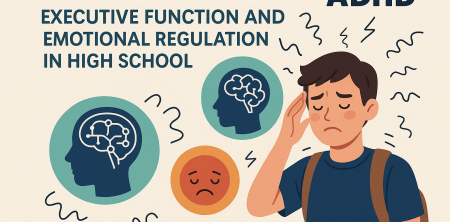
Attention Deficit Hyperactivity Disorder (ADHD) presents a myriad of challenges for students in high school, often affecting their ability to manage executive functions and emotional regulation. Students grappling with ADHD executive function high school experience difficulties that extend beyond traditional academic hurdles. This article delves into how ADHD affects these two critical areas, offering insights for students, educators, and parents alike.
What is ADHD?
ADHD is a neurodevelopmental disorder characterized by patterns of inattention, hyperactivity, and impulsivity. It is typically diagnosed in childhood, but symptoms can persist into adolescence and adulthood. The Centers for Disease Control and Prevention (CDC) estimates that approximately 6 million children in the United States between the ages of 2-17 are diagnosed with ADHD. Understanding this condition is vital for grasping how it affects executive function and emotional regulation in high school students.
Executive Function: What It Is and Why It Matters
Executive function refers to a set of cognitive processes that are essential for managing oneself and one’s resources effectively. These processes include planning, organization, time management, working memory, and self-regulation. In a high school setting, executive function is crucial because it helps students balance their academic responsibilities with extracurricular activities and personal lives.
For students with ADHD, deficits in executive function can manifest as difficulty in organizing tasks, keeping track of assignments, and managing time effectively. This can lead to missed deadlines, incomplete work, and increased stress, ultimately affecting overall academic performance.
Emotional Regulation: A Key Component of Success
Emotional regulation is the ability to manage and respond to emotional experiences. It plays a significant role in how students react to stressors, frustrations, and social interactions. For adolescents with ADHD, emotional dysregulation is common and can lead to heightened emotional responses, difficulty coping with stress, and challenges in peer relationships.
Many students with ADHD exhibit impulsive behaviors, which can result from their struggles with emotional regulation. For instance, a student may react with anger in response to criticism or frustration, leading to conflicts with teachers and peers. Understanding this aspect is essential for creating supportive environments in high schools.
The Interplay Between ADHD, Executive Function, and Emotional Regulation
The relationship between ADHD, executive function, and emotional regulation is complex and interdependent. Poor executive function can exacerbate emotional challenges, while emotional dysregulation can lead to further neglect of executive functioning skills.
Consider a high school student who has difficulty organizing their study schedule (an executive function challenge). As deadlines approach, they may feel overwhelmed, leading to anxiety or frustration (an emotional regulation issue). This cycle of dysfunction can hinder academic success and personal development. Addressing both aspects is crucial for fostering resilience and academic achievement in students with ADHD.
Identifying the Signs of Executive Function Deficits in Students
Recognizing the signs of executive function deficits is the first step in supporting students with ADHD. Some common indicators include: (See: CDC ADHD facts and statistics.)
- Chronic disorganization of materials and assignments.
- Difficulty in following multi-step instructions.
- Frequent loss of items such as books, assignments, and personal belongings.
- Challenges with time management, often leading to late submissions.
- Failure to start or complete tasks, especially those that require sustained attention.
- Inconsistent performance across subjects or assignments.
By understanding these signs, educators and parents can implement supportive strategies to help students navigate their challenges more effectively.
Strategies for Supporting Executive Function Skills in High School
High schools can adopt several strategies to support students with ADHD in developing their executive functioning skills:
- Structured Environments: Creating a structured classroom environment with clear routines can help students feel more secure and organized.
- Use of Visual Aids: Charts, planners, and checklists can serve as visual reminders to help students keep track of assignments and deadlines.
- Chunking Tasks: Breaking larger projects into smaller, manageable tasks can make them less overwhelming and easier to complete.
- Incorporating Technology: Tools such as apps and software designed to enhance organization and time management can be beneficial for students with ADHD.
- Regular Check-Ins: Frequent meetings between teachers and students can provide opportunities for feedback and support, helping students stay on track.
Implementing these strategies can create a more conducive learning environment for students struggling with ADHD executive function high school issues.
Fostering Emotional Regulation in the Classroom
In addition to executive function, emotional regulation must be addressed in high schools. Here are several strategies that educators can use:
- Teaching Coping Skills: Educators can teach students relaxation techniques, such as deep breathing exercises, mindfulness, or meditation to help them manage their emotional responses.
- Encouraging Positive Relationships: Building a supportive classroom community can foster strong peer relationships, which can help students feel safe and understood.
- Establishing Clear Expectations: Clearly defined behavioral expectations can help students understand the consequences of their actions and promote self-regulation.
- Offering Choices: Allowing students to make choices in their learning can give them a sense of control, which can help mitigate impulsive reactions.
- Open Communication: Encouraging students to express their feelings and thoughts can create an atmosphere of trust and understanding.
By integrating emotional regulation strategies into the classroom, educators can support students with ADHD in managing their emotions more effectively.
The Role of Parents and Caregivers
Parents and caregivers play a pivotal role in supporting adolescents with ADHD. They can reinforce learning strategies at home, promote healthy habits, and create an environment conducive to emotional regulation. Here are some key actions parents can take:
- Establish Routines: Maintaining consistent daily routines can help students with ADHD feel secure and organized.
- Encourage Open Dialogue: Creating a safe space for discussions about feelings and challenges can strengthen the parent-child relationship.
- Collaborate with Teachers: Working closely with educators can ensure a unified approach to supporting the student’s needs.
- Seek Professional Help: Counseling or therapy could provide additional support for emotional regulation and coping strategies.
These steps can foster a supportive structure that allows students with ADHD to thrive both academically and emotionally.
Current Trends in ADHD Research and Treatment
Ongoing research continues to shed light on ADHD's complexities, revealing insights that can improve treatment and support methods. Recent studies emphasize the importance of tailored interventions that adapt to each student's unique needs. For example, a growing body of evidence suggests that cognitive-behavioral therapy (CBT) can be particularly effective in helping adolescents manage both executive function and emotional regulation challenges.
Additionally, the use of pharmacological treatments, such as stimulants, remains common. These medications can improve focus and impulse control, making it easier for students to engage in learning. However, they must be carefully monitored by healthcare providers to ensure they are effectively managing symptoms without adverse side effects.
The Importance of Advocacy and Awareness
Advocacy for ADHD awareness in educational settings is crucial. Many students with ADHD face stigma and misunderstanding, which can exacerbate their challenges. Programs that educate teachers, administrators, and peers about ADHD can foster a more inclusive atmosphere. (See: NIMH ADHD statistics and information.)
Organizations such as CHADD (Children and Adults with ADHD) provide resources for awareness campaigns and support networks for families and individuals affected by ADHD. Promoting understanding within schools can significantly improve the educational experience for students with ADHD executive function high school challenges.
Common Misconceptions About ADHD
Understanding ADHD goes beyond recognizing its symptoms. There are many misconceptions that can affect how students with ADHD are viewed and treated. Some of the most common misconceptions include:
- ADHD is just a lack of discipline: Many people mistakenly believe that ADHD is simply a result of poor parenting or a lack of discipline. In reality, ADHD is a neurobiological condition that requires understanding and appropriate intervention.
- Students with ADHD are just lazy: This misconception can lead to negative stereotypes. It's important to recognize that students with ADHD often work much harder than their peers to achieve the same results and may still struggle despite their best efforts.
- ADHD only affects boys: While ADHD is often diagnosed more frequently in boys, it can affect individuals of any gender. Girls may exhibit different symptoms, like inattentiveness, which can lead to underdiagnosis.
Addressing these misconceptions is important for creating a supportive environment for students with ADHD and ensuring they receive the necessary accommodations and understanding from peers and educators.
Statistics on ADHD in High School Students
Understanding the prevalence and impact of ADHD in high school students is crucial for educators and parents alike. Here are some relevant statistics:
- According to the CDC, about 9.4% of children ages 2-17 are diagnosed with ADHD, and this prevalence extends into the high school years.
- Research indicates that approximately 50% of children with ADHD will continue to experience symptoms into adolescence and adulthood.
- Students with ADHD are at a significantly higher risk for academic underachievement, with studies showing that they are more likely to drop out of high school compared to their peers without ADHD.
- ADHD is associated with higher instances of disciplinary actions in schools, including suspension and expulsion, often due to impulsive behaviors.
These statistics highlight the importance of tailored interventions and support systems in high schools to assist students with ADHD in achieving academic success.
FAQ About ADHD and Executive Function in High School
What are executive function skills?
Executive function skills encompass a variety of cognitive processes that enable individuals to plan, organize, strategize, remember details, and manage time effectively. These skills are vital for academic success, particularly in high school, where demands increase significantly.
How can teachers help students with ADHD improve their executive functions?
Teachers can help by providing structured environments, using visual aids, and implementing strategies such as breaking tasks into smaller steps. Regular feedback and the use of technology can also assist in enhancing organizational skills.
Are there specific organizational tools that can help students with ADHD?
Yes, tools like planners, reminder apps, and organizational software can greatly assist students with ADHD in managing their time and tasks. Visual schedules and checklists can also be particularly effective in keeping students on track.
What role does medication play in managing ADHD?
Medication can be an important part of the treatment plan for ADHD, often helping to improve focus, impulse control, and overall functioning. However, it should be used in conjunction with behavioral therapies and educational support for the best outcomes. (See: Research on ADHD and executive function.)
How can parents foster better emotional regulation at home?
Parents can help by encouraging open communication about emotions, teaching coping strategies, and creating a supportive atmosphere where children feel safe to express themselves. Engaging in activities like family discussions or role-playing can also assist in emotional growth.
What are some common challenges students with ADHD face in high school?
Students with ADHD often face challenges such as difficulty concentrating in class, trouble completing assignments on time, issues with maintaining organization, and navigating social interactions. These challenges can lead to frustration and decreased self-esteem if not addressed properly.
What additional support services are available for high school students with ADHD?
Many high schools offer support services such as counseling, special education programs, and tutoring specifically designed for students with ADHD. Accessing these services can provide tailored assistance, promote academic success, and improve emotional well-being.
Can students with ADHD succeed academically in high school?
Absolutely! With the right support, strategies, and accommodations in place, students with ADHD can thrive academically. Many successful individuals have ADHD and have achieved their goals by leveraging their unique strengths and receiving appropriate assistance.
How can peers support classmates with ADHD?
Peer support is crucial. Classmates can help by being understanding and patient, offering to study together, and including students with ADHD in social activities. Simple gestures of inclusion can go a long way in helping them feel accepted and valued.
In high school, students with ADHD navigate a unique set of challenges that can affect their academic and emotional well-being. Understanding the impact of ADHD on executive function and emotional regulation is crucial for creating supportive environments that foster resilience and success. By working together—students, educators, and parents—we can help these students not only survive but thrive in their high school years and beyond.
```
Trending Now
Frequently Asked Questions
How does ADHD affect executive function in high school students?
ADHD impacts executive function by impairing cognitive processes such as planning, organization, and time management. Students with ADHD may struggle to keep track of assignments, meet deadlines, and manage their workload, which can lead to increased stress and lower academic performance.
What is emotional regulation and why is it important for students with ADHD?
Emotional regulation refers to the ability to manage and respond to emotional experiences. For students with ADHD, effective emotional regulation is crucial as it influences their reactions to stressors and social interactions, affecting their overall success in high school.
What challenges do high school students with ADHD face?
High school students with ADHD face challenges related to attention, hyperactivity, and impulsivity, which can hinder their academic performance. Difficulties in executive function and emotional regulation further complicate their ability to manage schoolwork and social situations effectively.
How can parents help high school students with ADHD manage their executive function?
Parents can support high school students with ADHD by helping them establish routines, use organizational tools like planners, and break tasks into manageable steps. Encouraging self-monitoring and providing consistent feedback can also enhance their executive function skills.
What strategies can educators use to support students with ADHD?
Educators can support students with ADHD by implementing structured classroom environments, providing clear instructions, and allowing for flexible deadlines. Using visual aids, breaking lessons into smaller segments, and incorporating movement can also help these students manage their executive function and emotional regulation.
Agree or disagree? Drop a comment and tell us what you think.

