```html
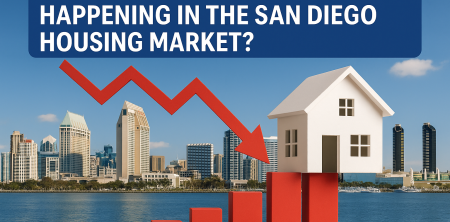
The San Diego housing market has long been viewed as a bastion of high prices and resilience, but recent data reveals a surprising shift. Home prices in this coastal city have fallen by 3.0% year-over-year as of May 2026, with the median sale price now sitting at $954,000. This decline is particularly striking given San Diego's reputation for being one of the most expensive real estate markets in the United States. Let's explore the key factors contributing to this downturn, what it means for buyers and sellers, and how it could reshape the future of real estate in San Diego.
1. Current Trends in the San Diego Housing Market
The most immediate trend affecting the San Diego housing market is the recent drop in home prices. This 3.0% decline is a notable reversal for a city that has historically seen steady, if not accelerating, price increases. This shift has caught the attention of both current homeowners and potential buyers, many of whom are wondering whether this trend reflects a broader cooling of the market or merely a seasonal fluctuation.
San Diego's median sale price of $954,000 represents a significant financial commitment for potential buyers, particularly first-time homebuyers who are grappling with affordability issues. Those who have long aspired to own property in this prime location may find this downturn an opportune moment to enter the market, while existing homeowners may feel the pinch of declining equity.
2. Understanding the Factors Behind Price Declines
Multiple factors contribute to the recent decline in the San Diego housing market. First, rising interest rates have made mortgage financing more expensive, leading to a reduction in buyer demand. As potential homeowners face higher monthly payments, many are forced to reconsider their purchasing decisions. This decrease in demand naturally leads to price stagnation or reduction.
Additionally, there’s been a shift in buyer preferences post-pandemic. Remote work has allowed many individuals to move away from traditional job centers, resulting in increased inventory in San Diego as sellers attempt to maximize their investments. This influx of homes for sale, combined with declining demand, has put downward pressure on prices.
Another factor to consider is the influence of investor activity. With the changing landscape, many investors are reevaluating their strategies. Some might be choosing to hold onto properties longer, waiting for favorable conditions to sell, while others could be looking to offload assets in a declining market, thus adding to the inventory. This investor behavior can further complicate the market dynamics.
3. Comparing San Diego to Other Coastal Markets
San Diego is not alone in its pricing struggles; other coastal markets are also facing similar challenges. For example, cities like San Francisco and Los Angeles have also seen fluctuations in their housing markets, albeit with varying degrees of severity. However, what sets San Diego apart is its historical resilience in the face of economic downturns.
Unlike some markets that have experienced dramatic price drops, San Diego's decline is more of a mild adjustment rather than a catastrophic collapse. This could indicate that the San Diego housing market is adapting to new economic realities rather than experiencing a full-blown crisis.
Statistics reveal that while San Diego's prices dipped 3.0% year-over-year, Los Angeles faced a steeper decline of approximately 5.5%, and San Francisco saw a staggering 7.2% drop in the same timeframe. This comparison highlights San Diego's relative stability, despite the challenges affecting the broader coastal regions.
4. The Role of Inventory Levels
One of the critical elements influencing the San Diego housing market is inventory levels. As of May 2026, there is a notable increase in the number of homes for sale, which contributes to the price decline. Increased inventory can lead to more competitive pricing as sellers adjust their expectations to attract buyers.
In a market where demand is cooling, elevated inventory levels can be both a blessing and a curse. While more options can benefit buyers, prolonged price drops can lead to uncertainty for sellers. Many homeowners may hold off on selling, hoping to weather the storm rather than risk their equity in a declining market.
In early 2026, the inventory of homes available for sale surged by 20% compared to the previous year. This influx of homes can be attributed in part to sellers wanting to capitalize on the previous highs, leading to a greater supply than what the current demand can absorb and ultimately pushing prices down. (See: housing market health impacts.)
5. Impact of Economic Conditions
The broader economic environment plays a significant role in shaping the San Diego housing market. Inflationary pressures, changing employment rates, and overall economic growth—or lack thereof—can influence buyers’ purchasing power and willingness to invest in real estate.
For instance, if the job market remains strong, individuals might feel more confident about making large purchases such as homes. Conversely, if jobs are scarce and uncertainty lingers, the fear of making a bad investment can keep buyers on the sidelines. In many ways, the San Diego housing market could serve as a bellwether for the state of the wider economy.
A recent economic report indicated that while job growth has been steady, wages have not kept pace with inflation, which has led to a squeeze on disposable income. This has resulted in potential buyers being more cautious and selective, causing a slowdown in transactions and further contributing to the price decline.
6. What This Means for First-Time Homebuyers
For first-time homebuyers, the current state of the San Diego housing market presents both challenges and opportunities. The decrease in home prices can make the dream of homeownership more attainable in a city known for its high-cost living. Yet, with rising interest rates, potential buyers might find their overall purchasing power diminished, even with lower prices.
First-time buyers should remain vigilant, monitoring market conditions as they evolve. Engaging with local real estate agents who have a finger on the pulse of the market can provide insights that help guide their decisions. Additionally, exploring different neighborhoods or types of properties might yield better affordability while still allowing buyers to enjoy the San Diego lifestyle.
For those considering purchasing a home for the first time, programs like first-time homebuyer grants and federal loans can offer financial assistance. Familiarizing oneself with these resources can enhance the chances of entering the market successfully. There's a fuller look at the silent threat article.
7. Sellers: Navigating a Cooling Market
For sellers in the San Diego housing market, the recent price decline necessitates strategic decision-making. With prices falling, many homeowners may be reluctant to sell, fearing they will not recoup their investments. However, the market is still active, and sellers can take steps to position their homes more favorably.
Effective pricing strategies, staging, and marketing are essential in a cooling market. Sellers should consider consulting with real estate professionals who can offer targeted insights into pricing their homes competitively. Additionally, offering incentives, such as covering closing costs or including home warranties, could make a listing more attractive.
Statistics show that homes that are professionally staged sell for up to 20% more than non-staged homes, which can make a substantial difference in a competitive marketplace. Understanding how to present a home effectively can influence selling timelines and overall satisfaction with the sale.
8. Future Predictions for the San Diego Housing Market
Looking ahead, several experts are weighing in on the future of the San Diego housing market. While the current decline is noteworthy, many analysts believe it may stabilize as the market adjusts to the new economic environment. The hope is that as buyer demand picks up, possibly due to lower prices, a more balanced market can emerge.
Furthermore, as local economic conditions improve and interest rates stabilize, the San Diego housing market could experience a resurgence. However, this recovery may take time, requiring both buyers and sellers to remain patient and strategic in their approaches.
According to a recent forecast from the California Association of Realtors, San Diego’s market could see a rebound in 2027, with predictions of a slight increase in prices as buyer sentiment improves and inventory levels normalize. This suggests that both buyers and sellers should keep a close watch on trends going forward, as opportunities may arise sooner than expected.
9. The Importance of Local Market Knowledge
As the San Diego housing market undergoes changes, local knowledge will be paramount for both buyers and sellers. Understanding specific neighborhoods, market trends, and local economic conditions can provide a critical edge when navigating real estate transactions. (See: recent trends in San Diego housing.)
Buyers should focus on communities that are experiencing revitalization or growth, while sellers can benefit from deep knowledge of their neighborhood’s market dynamics to set competitive prices. Resources like neighborhood reports, market analytics, and guidance from experienced local real estate agents can all provide valuable insights.
For instance, neighborhoods like North Park and East Village have shown signs of increased demand due to new conveniences and amenities being developed. Staying informed about these shifts can help buyers identify when to enter the market or how to position their property for sale effectively.
10. Exploring Alternative Housing Options
As traditional homeownership becomes increasingly challenging for many, exploring alternative housing options can be beneficial. Concepts like co-housing, tiny homes, or even renting-to-own arrangements are gaining popularity in San Diego. These options can provide a pathway to affordable living while still allowing individuals to enjoy the benefits of residing in such a vibrant city.
In co-housing communities, for instance, residents share communal spaces while maintaining private living quarters. This not only reduces costs but also fosters a sense of community, which can be appealing in urban settings. Similarly, tiny homes can offer a more affordable entry point into the housing market, catering to those looking for minimalist living.
11. Frequently Asked Questions About the San Diego Housing Market
What are the main factors driving the current decline in home prices?
The primary factors include rising interest rates, increased inventory levels, shifts in buyer preferences due to remote work, and economic conditions affecting buyer confidence.
Is it a good time to buy in San Diego?
For many, the current price decline could represent an opportunity to enter the market. However, potential buyers should also consider current interest rates and their long-term financial situations.
How long might these price declines last?
Experts believe that while the market may stabilize in the coming months, the timeline for a complete recovery is uncertain and could depend heavily on economic conditions and buyer sentiment.
What should sellers do in this market?
Sellers should focus on strategic pricing, effective marketing, and consider offering incentives to attract buyers. Consulting with a local real estate professional is key for navigating these changes successfully.
How does local economy affect the housing market?
The local economy impacts job stability and disposable income, which directly influences buyers' ability to purchase homes. A strong job market can lead to increased demand, while economic downturns can suppress buyer interest.
Are there specific neighborhoods in San Diego that are more favorable for buyers right now?
Yes, areas like Chula Vista and Escondido are becoming more attractive as they offer relatively lower prices compared to the more traditional hot spots like La Jolla or Coronado. These neighborhoods often have good schools and community amenities, making them appealing for families.
What impact does remote work have on the housing market in San Diego?
Remote work has shifted buyer preferences significantly, with many individuals seeking homes that offer more space rather than proximity to their workplaces. This has led to increased demand in suburban areas while causing some urban neighborhoods to see reduced interest.
How do rising construction costs affect the San Diego housing market?
Rising construction costs can exacerbate the housing shortage, as builders may be less inclined to undertake new projects. This can lead to a longer-term inventory issue, keeping prices high in certain segments of the market despite the current price drop. (See: affordable housing initiatives.)
12. Analyzing the Rental Market in San Diego
While the housing market is undergoing price adjustments, the rental market in San Diego is also worth examining. As some potential buyers opt to rent rather than purchase, demand for rental properties has increased. This trend could lead to rising rental rates as supply struggles to keep up with demand. For more on this, see housing affordability insights.
According to recent data, rental prices in San Diego have risen by about 4.5% year-over-year, driven by the influx of new residents and the limited availability of rental units. In particular, areas like Little Italy and Pacific Beach have seen notable increases due to their desirable location and lifestyle offerings.
For investors, this presents an opportunity to consider multi-family properties or rental units in up-and-coming neighborhoods. However, they should also be cautious of potential tenant turnover and the overall economic climate, which could influence rental demand.
13. Understanding the Impact of Climate Change on the San Diego Housing Market
As a coastal city, San Diego is particularly vulnerable to the effects of climate change, including rising sea levels and increased frequency of wildfires. These factors could significantly impact the housing market in the coming years. Buyers and investors alike should consider the long-term viability of properties in high-risk areas.
Insurance costs are likely to rise as well, which could further deter potential buyers from investing in certain locations. Properties in areas deemed more resilient to climate impacts, such as those situated further inland or that have robust disaster preparedness measures in place, may see increased demand.
In response, many developers are focusing on sustainable building practices and enhancing the resilience of new projects to attract eco-conscious buyers. Buyers should do their due diligence and consider potential climate risks when making investment decisions.
14. Final Thoughts on the San Diego Housing Market
The recent changes in the San Diego housing market may feel disconcerting, especially for those accustomed to the consistent upward trajectory of home prices. However, this adjustment could signify an opportunity for both buyers and sellers to reevaluate their strategies in a changing landscape.
As you consider your position in the San Diego real estate market, remember to stay informed about market trends, stay patient, and consult with professionals who can provide guidance tailored to your needs. Whether you’re looking to buy your first home or sell a longtime residence, understanding the intricacies of the current landscape is key to making informed decisions.
```
Trending Now
Frequently Asked Questions
What is causing the decline in the San Diego housing market?
The decline in the San Diego housing market is primarily attributed to rising interest rates, which have increased mortgage costs and reduced buyer demand. Additionally, changing buyer preferences post-pandemic are influencing market dynamics, leading to a notable decrease in home prices.
How much have home prices dropped in San Diego?
As of May 2026, home prices in San Diego have dropped by 3.0% year-over-year, with the median sale price now at $954,000. This marks a significant shift for a market previously known for consistent price increases.
Is now a good time to buy a house in San Diego?
With the recent decline in home prices, many potential buyers, especially first-time homebuyers, may find this an advantageous time to enter the San Diego housing market. However, they should also consider rising interest rates that could impact overall affordability.
How does the San Diego housing market compare to other cities?
Historically, the San Diego housing market has been one of the most expensive in the U.S. However, the recent 3.0% decline in home prices signals a shift, which may make it more competitive compared to other high-price markets experiencing similar trends.
What does the decline in home prices mean for current homeowners?
Current homeowners in San Diego may experience a decrease in equity due to the declining home prices. This shift could lead to concerns about financial stability and potential impacts on future selling opportunities in a cooling market.
What's your take on this? Share your thoughts in the comments below — we read every one.

