```html
Understanding El Niño: The Basics
Before discussing the impending Super El Niño 2026, it’s essential to grasp what El Niño even is. This climate phenomenon involves the periodic warming of the sea surface temperatures in the central and eastern tropical Pacific Ocean. These temperature fluctuations impact weather patterns around the globe, influencing precipitation, storm activity, and temperature extremes.
El Niño events typically occur every two to seven years, but their intensity and effects can vary significantly. Some El Niños are relatively mild, while others can be catastrophic, producing significant storms, droughts, and other extreme weather phenomena. The 2026 Super El Niño, however, is projected to be a different beast altogether.
The 2026 Super El Niño is No Ordinary Event
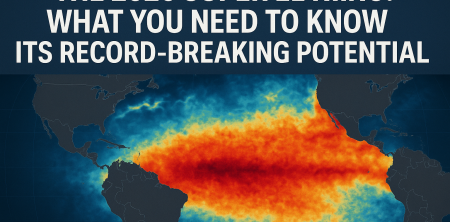
Unlike typical El Niños, the Super El Niño 2026 currently trending is already showing strong anomalies. Data from the European Centre for Medium-Range Weather Forecasts (ECMWF) indicates a remarkable forecast, with sea surface temperature anomalies exceeding +2 degrees Celsius during the summer months. This degree of warming is historically significant and points towards a potentially record-breaking event.
What does this mean for us? In simple terms, the implications could be vast, affecting millions as weather patterns become increasingly volatile. This phenomenon is expected to escalate already existing weather turmoil, leading to heightened risks of extreme weather events across the globe.
Projected Weather Impacts Across North America
One of the most alarming aspects of the 2026 Super El Niño is its predicted impact on North America. According to forecasts, we can expect a surge of intense heat across the central and western United States and western Canada. The summer months could bring unprecedented temperatures, raising concerns about heat waves, droughts, and increased wildfire risks.
Conversely, conditions will shift dramatically across the southern U.S. and parts of the Midwest, where a wetter weather pattern is anticipated. This could lead to heavy rainfall and potential flooding, changing the landscape of these regions significantly. Those in agriculture may need to brace for both drought and deluge, a dual threat exacerbated by climate change and ongoing environmental challenges.
Global Repercussions: The Butterfly Effect of El Niño
The implications of the Super El Niño 2026 extend far beyond North America. In fact, El Niño events can trigger a domino effect, influencing weather patterns around the globe. For example, countries in Southeast Asia often experience drier conditions during El Niños, which can lead to agricultural impacts and food security issues.
Simultaneously, regions like the Horn of Africa might face increased rainfall and the associated risks of flooding, displacement, and disease outbreaks. Understanding the global nature of El Niño is crucial to grasping the broader context of these climatic shifts.
Why El Niño Matters: The Intersection of Weather and Climate
The urgency surrounding the Super El Niño 2026 lies in the fact that it is not just a weather event but rather an intersection of short-term weather and long-term climate change. As our planet continues to warm, the intensity and frequency of these events can also increase, leading to potentially catastrophic consequences.
As we become more aware of the climate crisis, understanding the implications of El Niño becomes imperative. Simple weather patterns take on new significance when viewed through the lens of climate change, illustrating the interconnected nature of our planet’s systems.
Preparing for the Super El Niño: What You Can Do
Given the potential impacts of the 2026 Super El Niño, preparation is key. Here are some actionable steps you can take: (See: Understanding El Niño phenomenon.)
- Stay Informed: Keep track of the weather forecasts and updates from reputable meteorological sources.
- Emergency Preparedness: Make sure you have a disaster kit ready, including food, water, and other essentials.
- Community Engagement: Join local groups focused on climate resilience to share resources and information.
- Advocate for Climate Action: Engage in discussions and support policies that address climate change on a local and global scale.
Historical Context: Learning from the Past
Understanding the Super El Niño 2026 also requires looking back at previous significant El Niño events. Take, for instance, the 1997-1998 El Niño, widely regarded as one of the strongest on record. It resulted in widespread flooding, droughts, and economic losses estimated at $34 billion globally.
By examining the repercussions of past El Niños, we can better prepare for the likely scenarios that the 2026 event may bring. The lessons learned emphasize the need for proactive measures in anticipating and mitigating potential disaster.
Climate Change: Amplifying the Effects of El Niño
It’s crucial to note that the impacts of the Super El Niño 2026 cannot be viewed in isolation. Climate change is already altering weather patterns, making El Niños more intense and prolonged. Rising global temperatures lead to more moisture in the atmosphere, which can exacerbate rainfall during these events.
Researchers are increasingly linking the changing climate with the frequency of extreme weather events. El Niño events might become more severe, as scientists warn that climate change can amplify the natural variability of weather systems. For more on this, see flight disruptions report.
The Role of Technology in Monitoring and Predicting El Niño
In our increasingly complex world, technology plays a crucial role in monitoring and predicting El Niño events. Advanced satellite observations and climate models have improved our ability to forecast the patterns associated with El Niño.
Organizations like the National Oceanic and Atmospheric Administration (NOAA) are at the forefront of this monitoring, offering predictions and updates that are essential for public awareness and preparedness. The reliance on technology allows for more timely interventions and supports communities in better managing their responses to weather-related challenges.
Economic Impacts of the Super El Niño
The Super El Niño 2026 is poised to have significant economic repercussions. A report from the World Bank suggests that extreme weather phenomena can reduce GDP growth in affected countries by up to 1% annually. With the 2026 event expected to induce severe weather across various regions, sectors like agriculture, tourism, and infrastructure could suffer considerable losses.
For instance, agriculture, particularly in Latin America and parts of Asia, may see reduced crop yields due to erratic rainfall patterns, leading to food shortages and increased prices. Additionally, industries relying on stable weather conditions, such as tourism, could see fewer visitors during adverse weather months, impacting local economies.
It’s crucial for governments and businesses to invest in climate resilience to mitigate these economic impacts. Developing adaptive strategies, such as investing in climate-smart agriculture and infrastructure improvement, can help cushion economies against the shocks of climate variability.
Health Risks Associated with Super El Niño
One aspect that often gets overlooked during discussions about the Super El Niño 2026 is the potential health risks. Changes in rainfall patterns can significantly affect public health outcomes. Increased rainfall might lead to flooding, which typically promotes waterborne diseases like cholera and leptospirosis.
Conversely, droughts can exacerbate respiratory conditions because of dust storms and contribute to mental health issues among affected populations. The World Health Organization (WHO) has warned that climate-related health risks could become more prevalent, stressing the importance of preparedness.
Public health systems must be geared up to manage these potential spikes in health issues. Efforts should involve not just healthcare provision but also public awareness campaigns about the health risks associated with extreme weather events. Community engagement is vital for spreading knowledge on prevention and preparedness. (See: 2026 Super El Niño forecast.)
Community Resilience and Climate Adaptation Strategies
Communities across the globe face the challenge of adapting to the unpredictable impacts of the Super El Niño 2026. Building resilience involves developing local strategies that enhance preparedness and recovery efforts. Community-based initiatives can play a significant role in adaptation.
For example, local governments can establish early warning systems to alert residents about impending weather changes. They can also promote green infrastructure projects, like creating rain gardens and restoring wetlands, which can help manage stormwater and mitigate flooding risks.
Education and training programs can empower citizens to respond effectively to emergencies. This could involve workshops on disaster preparedness or initiatives that encourage sustainable practices, like water conservation and energy efficiency.
Frequently Asked Questions about Super El Niño 2026
What is a Super El Niño, and how does it differ from a regular El Niño?
A Super El Niño is characterized by unusually high sea surface temperature anomalies in the central and eastern Pacific, typically exceeding +2°C above average. While regular El Niños may show moderate warming, Super El Niños represent a more extreme deviation, often leading to more severe weather patterns globally.
How can I prepare for the potential effects of Super El Niño 2026?
Preparation involves being informed about weather forecasts, creating a disaster readiness kit, and engaging with community programs focused on climate resilience. Local authorities often provide resources and guidance on how to prepare for extreme weather events.
What should governments do to mitigate the impacts of Super El Niño?
Governments can invest in infrastructure improvements, enforce land-use policies that promote sustainability, and work on creating comprehensive disaster response plans. Collaboration with scientists and climate experts can ensure that policies are data-driven and effective.
Will the Super El Niño have lasting effects beyond 2026?
Yes, the impacts of Super El Niño can extend far beyond the event itself. Changes in temperature and precipitation patterns can have lasting effects on ecosystems, agriculture, and economies, potentially leading to new challenges in climate adaptation and resilience.
How do climate change and El Niño interact?
Climate change can intensify the effects of El Niño by raising baseline temperatures and increasing the amount of moisture in the atmosphere. This interaction means that future El Niños might not only be more frequent but also more severe, creating compounding challenges for societies around the world.
Long-Term Effects of Super El Niño on Ecosystems
The ecological consequences of the Super El Niño 2026 can be profound. Changes in temperature and precipitation can disrupt the delicate balance of ecosystems. For instance, marine life in the Pacific Ocean can be affected as warmer waters shift species distribution, impacting fishing industries and local economies.
Coral reefs, already stressed by climate change, may experience bleaching as increased sea temperatures and acidification intensify. This not only affects marine biodiversity but also the livelihoods of communities reliant on these ecosystems for fishing and tourism. Protecting these areas and promoting sustainable fishing practices will be crucial during and after this event. (See: Impact of climate change on health.)
Education and Awareness: The Key to Resilience
Raising awareness about the impacts of the Super El Niño 2026 is crucial for fostering community resilience. Educational programs that inform the public about climate change and its effects can empower individuals to take action. Schools and community centers can host workshops to teach people about preparedness and response strategies.
Additionally, leveraging social media and local media outlets can help disseminate vital information quickly. The more informed people are, the better prepared they’ll be to handle the challenges posed by this impending climatic event.
Exploring the Science Behind El Niño Predictions
The science of predicting El Niño events has advanced significantly in recent decades. Climate models utilize various data inputs, including ocean temperatures, wind patterns, and atmospheric pressure, to anticipate El Niño occurrences. These models are essential for effective planning and response strategies.
One interesting aspect of these models is their reliance on historical data. By analyzing past El Niño events, scientists can identify patterns and correlations that help improve accuracy in predictions. For example, a meta-analysis of historical El Niño data can reveal connections between sea surface temperatures and subsequent weather patterns.
Continuous advancements in satellite technology also enhance prediction capabilities. Real-time monitoring of oceanic conditions allows scientists to update forecasts more frequently, improving public safety measures in the face of extreme weather events.
The Role of International Collaboration
Addressing the challenges posed by the Super El Niño 2026 requires international cooperation. Countries need to share data and resources to create a collective response to the anticipated impacts. Initiatives like the Global Climate Observing System facilitate collaboration among scientists, policymakers, and communities worldwide.
Furthermore, financial mechanisms such as the Green Climate Fund support developing countries in implementing resilience strategies against climate-related shocks. Sharing best practices and resources can help vulnerable countries prepare for extreme weather while fostering sustainable development.
Conclusion: Embracing Resilience in the Face of Change
The Super El Niño 2026 is shaping up to be a potentially record-breaking climate event with significant implications for weather patterns, agriculture, and community planning around the globe. Understanding its impacts, preparing adequately, and fostering resilience can make a real difference in how we cope with the consequences. As we stand on the brink of this significant atmospheric shift, it is vital to remain vigilant, informed, and proactive. By doing so, we can embrace the challenges ahead and work towards a more sustainable future.
```
Trending Now
Frequently Asked Questions
What is a Super El Niño?
A Super El Niño is a particularly intense version of the El Niño climate phenomenon, characterized by significant warming of sea surface temperatures in the tropical Pacific Ocean. The 2026 Super El Niño is projected to exceed +2 degrees Celsius in anomalies, indicating its potential for record-breaking impacts on global weather patterns.
How often do El Niño events occur?
El Niño events typically occur every two to seven years, but their intensity and effects can vary significantly. Some events are mild, while others can lead to extreme weather phenomena, such as storms and droughts. The upcoming 2026 Super El Niño is expected to be one of the most powerful in recent history.
What are the expected impacts of the 2026 Super El Niño?
The 2026 Super El Niño is expected to lead to extreme weather conditions, including increased heat across the central and western United States and western Canada. This could result in heat waves, droughts, and higher wildfire risks, affecting millions of people and altering weather patterns globally.
How does El Niño affect weather patterns?
El Niño influences global weather patterns by altering precipitation, storm activity, and temperature extremes. The warming of sea surface temperatures in the Pacific Ocean can lead to significant disruptions in weather, causing events such as severe storms, droughts, and other extreme weather phenomena.
What should we expect during the 2026 Super El Niño summer?
During the summer of 2026, the Super El Niño is projected to bring unprecedented temperatures, particularly in North America. The central and western regions of the U.S. and Canada may experience intense heat and increased risks of drought and wildfires, leading to significant environmental and societal impacts.
Have you experienced this yourself? We'd love to hear your story in the comments.

