```html
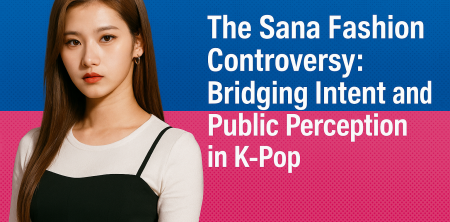
The world of K-Pop is vibrant, fast-paced, and often breathes with the unexpected. Recently, the Sana fashion controversy has swept through social media, igniting conversations about the delicate balance between a celebrity's intent and how the public perceives their choices. The crux of this debate? A floral-patterned dress worn by TWICE’s Sana. This incident reflects more than just fashion; it highlights the intersection of style, identity, and the sometimes volatile reactions of fans and the broader audience.
1. The Dress That Sparked a Debate
Sana, a member of the popular K-Pop group TWICE, wore a striking floral dress that quickly became a focal point for online discussions. The dress, characterized by its vibrant floral patterns, was intended to convey a sense of femininity and elegance. However, the public reaction was mixed. Some fans praised her for taking fashion risks, while others criticized the outfit as inappropriate or ill-fitting for her image.
This divide in opinion places Sana at the center of a complex dialogue about fashion in K-Pop. The industry is known for encouraging artists to express themselves through bold fashion choices. Yet, the rapid shifts in public opinion can often leave artists vulnerable to backlash, as they navigate the pressures of being both a role model and a trendsetter.
2. Understanding Intent vs. Interpretation
At the heart of the Sana fashion controversy is the gap between Sana's intent and the audience's interpretation. When an artist chooses an outfit, they often have a specific vision: to showcase their personality, artistry, or current trends. For Sana, the dress may have been a celebration of beauty and individuality. However, audiences frequently bring their own biases and cultural interpretations to the table, which can skew the intended message.
Moreover, K-Pop's global reach means that fashion choices are interpreted through various cultural lenses. What may be deemed acceptable or trendy in one culture might be seen as controversial or inappropriate in another. This cultural clash adds layers of complexity to public perception, where an artist’s style can be subjected to intense scrutiny.
3. The Role of Fans in Fashion Debates
Fans play a crucial role in shaping the narrative surrounding a celebrity's fashion choices. With Sana’s dress, fans quickly took to social media to express their opinions—both for and against the outfit. This immediate feedback loop can amplify both praise and criticism, creating a volatile environment where even a single post can generate massive discussions.
In today’s digital era, the fashion choices of K-Pop idols are often dissected publicly, leading to heated debates in fan communities. These discussions can foster a sense of belonging among fans, as they unite around shared opinions, whether supportive or critical. However, this can also lead to toxicity, where dissenting opinions are met with aggressive backlash, intensifying the pressure on idols like Sana.
4. The Viral Nature of Celebrity Fashion
The Sana fashion controversy exemplifies how fashion in K-Pop can quickly become a viral phenomenon. Given that K-Pop fans are highly engaged on social media platforms, any outfit worn by a celebrity can be instantly shared, debated, and remixed. This virality can create a snowball effect, where the initial outfit becomes part of a larger conversation about celebrity culture, identity, and image management.
Fashion moments in K-Pop are not just about aesthetics; they often tie into broader themes of empowerment, rebellion, or tradition. With Sana, her choice of dress was potentially a statement of self-expression that resonated with some fans while alienating others. As the conversation spreads across platforms like Twitter, Instagram, and TikTok, artists are often left to grapple with the fallout from public interpretation.
5. Branding in the Age of Social Media
Modern celebrity branding is an intricate dance, especially in the K-Pop industry. The rapid pace of social media means that an artist's image can be shaped in real-time, making it crucial for them to be aware of public perceptions. Sana’s experience with the controversial dress underscores the importance of a carefully curated image that aligns with fan expectations while still allowing for personal expression.
The challenge lies in balancing artistic freedom with the potential for backlash. As K-Pop idols often represent their labels and brands, a misstep in fashion can affect not only their personal image but also their group's reputation and marketability. Thus, the Sana fashion controversy serves as a reminder that in the world of K-Pop, the stakes are incredibly high. (See: K-Pop fashion and public perception.)
6. Cultural Sensitivity in Fashion Choices
Cultural sensitivity plays a significant role in how fashion is perceived, particularly in a globally connected society. Artists like Sana operate in a melting pot of cultural influences, and their fashion choices can sometimes unintentionally offend or misrepresent certain groups. In this case, the floral dress—while meant to embody beauty—was seen by some as an oversimplification of cultural motifs.
Understanding cultural appropriation versus appreciation is vital in K-Pop, where artists often draw inspiration from diverse traditions. The backlash against Sana’s dress may reflect deeper societal discussions about representation and respect for cultural symbols. This highlights the need for artists and their teams to engage more deeply with the cultural implications of their fashion choices.
7. The Impact of Media Narratives
The media’s portrayal of fashion controversies can significantly impact public perception. In the case of the Sana fashion controversy, articles, blogs, and social media posts can frame the narrative in ways that either amplify or mitigate the backlash. Depending on the angle taken, the story can shift from a light-hearted critique to a serious discussion about cultural insensitivity or artistic freedom.
This narrative framing influences how fans and the general public respond. A supportive article can encourage fans to rally around an artist, while a critical piece can lead to increased scrutiny and negativity. Thus, media narratives play a pivotal role in shaping the broader conversation around celebrity fashion and its implications.
8. Fashion as a Form of Self-Expression
For many K-Pop idols, fashion is not just a means of showcasing trends; it’s a vital form of self-expression. Sana's floral dress, regardless of public reaction, can be seen as an attempt to convey her individuality and artistic vision. In a world where K-Pop idols often face strict image guidelines from their agencies, moments of personal expression through fashion can be liberating.
This desire for self-expression is often at odds with fan expectations, creating a push-and-pull dynamic in K-Pop culture. Fans may want their idols to adhere to certain styles or images that they associate with them, leading to disappointment or backlash when those expectations aren’t met. Sana’s experience highlights the thin line that K-Pop artists walk between personal style and fan approval.
9. Moving Forward: Lessons from the Controversy
The Sana fashion controversy serves as a critical case study in understanding the interaction between celebrity culture, fashion, and public perception. As K-Pop continues to grow in global popularity, the stakes for artists will only rise. Moving forward, it’s essential for both artists and fans to foster a more nuanced understanding of fashion as a form of expression that can transcend cultural boundaries.
For artists like Sana, embracing the conversation around their fashion choices can lead to deeper connections with fans, opening up dialogues about identity and self-representation. Fans, on the other hand, can strive to appreciate the artistic intent behind fashion decisions, fostering a more supportive environment that encourages creativity and growth.
Ultimately, the Sana fashion controversy is not just about a dress; it reflects the complexities of modern celebrity, the intricacies of cultural sensitivity, and the ongoing battle between intent and perception in the vibrant world of K-Pop.
10. Analyzing Public Reactions to the Sana Fashion Controversy
Public reactions to fashion choices in K-Pop often vary widely, and the Sana controversy is no exception. Some fans defended her, citing the importance of individual expression and the idea that celebrities should not be confined to traditional norms of beauty and fashion. In contrast, critics argued that Sana’s dress was a misstep that did not resonate with the image they associate with her as part of TWICE.
This reaction emphasizes the emotional investment fans have in their idols. For many, K-Pop stars represent ideals or aspirations, and any deviation from these can feel like a betrayal. Psychologically, this can be linked to the concept of parasocial relationships, where fans develop one-sided relationships with celebrities. When their idol takes a risk, it can trigger feelings ranging from excitement to disappointment.
11. Comparative Analysis: Fashion Controversies Across Cultures
Fashion controversies are not unique to K-Pop; they can be seen across various entertainment industries globally. For instance, in Western pop culture, artists like Miley Cyrus and Rihanna have faced backlash for their bold fashion statements. These controversies often ignite discussions about body image, empowerment, and cultural representation, similar to the discussions surrounding Sana’s dress. (See: The intersection of fashion and K-Pop.) We covered top K-Pop videos in more detail.
In many cases, these incidents spark broader conversations about societal norms and the evolution of fashion. In the age of social media, where images can go viral in seconds, the fashion choices of public figures are scrutinized more than ever. Analyzing how different cultures respond to similar controversies can provide insight into the universal challenges artists face when expressing themselves through fashion.
12. Statistics on Fan Engagement and Fashion Controversies
Research indicates that fashion-related controversies can significantly boost engagement on social media. A study conducted by a marketing firm found that posts about controversial fashion choices receive, on average, 60% more interactions than neutral posts. In Sana's case, the discussions surrounding her dress led to a spike in mentions across platforms like Twitter and Instagram, with thousands of fans weighing in on the topic.
Furthermore, surveys show that nearly 75% of fans feel more connected to their idols when they express themselves through fashion. This suggests that while there may be backlash, there’s also a substantial portion of the audience that appreciates the boldness and creativity of K-Pop idols like Sana. This duality is crucial for artists to understand, as it underscores the importance of finding a balance between personal expression and marketability.
13. Expert Perspectives on Fashion and Identity in K-Pop
Fashion experts and cultural commentators have weighed in on the Sana fashion controversy, providing insights into the broader implications of her choices. Dr. Lee Jin-woo, a cultural anthropologist specializing in K-Pop, suggests that Sana's dress can be seen as a representation of changing norms surrounding femininity in South Korea. "K-Pop is evolving, and with it, the expectations of female idols are also changing," Dr. Lee states. "Fashion is a reflection of these shifts, and while it can be controversial, it also represents progress."
Similarly, fashion designer Kim Soo-young points out that the backlash against Sana's dress indicates a tension between traditional standards of beauty and modern self-expression. "In a society that often prizes conformity, moments of individual expression can be polarizing," she explains. "Yet, these controversies can spark important conversations that ultimately lead to a more inclusive understanding of beauty and style."
14. Frequently Asked Questions (FAQ) About the Sana Fashion Controversy
- What was the Sana fashion controversy about?
The controversy centers around a floral-patterned dress worn by TWICE's Sana, which led to mixed reactions from fans and critics regarding its appropriateness for her image.
- Why do K-Pop idols face backlash for their fashion choices?
K-Pop idols often represent both their personal brand and the expectations of fans, leading to scrutiny and potential backlash when they deviate from established norms.
- How does culture influence perceptions of fashion in K-Pop?
Cultural backgrounds shape how fashion is interpreted; what’s trendy in one culture may be seen as controversial in another, especially in the globally diverse K-Pop scene.
- What role do social media platforms play in fashion controversies?
Social media amplifies discussions around fashion choices, allowing for immediate feedback that can lead to viral trends, both positive and negative.
- Can fashion choices impact an artist's career?
Yes, fashion choices can significantly affect an artist's public image and marketability, as they are often linked to the artist's brand and fan expectations. (See: Harvard's research on celebrity culture.)
15. Lessons from Fashion Controversies: A Broader Perspective
The Sana fashion controversy provides valuable lessons not just for K-Pop artists but for the entire entertainment industry. It demonstrates the need for artists to be aware of the potential ramifications their fashion choices may spark. Fame comes with a responsibility, and navigating that responsibility can be challenging, especially in a digital age where every decision is scrutinized.
For aspiring K-Pop idols, understanding the nuances of public perception can be a crucial part of their training. Many entertainment agencies now include media training and public relations strategies as part of their curricula, emphasizing the importance of managing one’s image in a rapidly changing social landscape.
Additionally, this controversy underscores the need for ongoing education around cultural sensitivity within the industry. As K-Pop continues to reach global audiences, artists and their teams must be equipped with the knowledge to navigate cultural references responsibly. This could involve consulting with cultural experts when developing fashion concepts that draw from various traditions.
16. Future Trends in K-Pop Fashion
Looking ahead, the trends in K-Pop fashion are likely to be influenced by the discussions sparked by controversies like the one involving Sana. As the dialogue around cultural appropriation and representation evolves, we may see a shift towards more inclusive and diverse fashion choices. Artists might opt for styles that celebrate their heritage or collaborate with designers from various cultural backgrounds, promoting a sense of authenticity rather than appropriation.
Moreover, eco-friendly fashion is gaining traction globally, and K-Pop idols are beginning to adopt sustainable practices in their wardrobes. This could lead to a new wave of fashion statements that not only push artistic boundaries but also resonate with a socially conscious audience. Fans are increasingly interested in supporting artists who advocate for sustainability, which may become a significant factor in fashion choices for K-Pop stars.
17. Conclusion: The Journey Ahead for K-Pop Fashion
The Sana fashion controversy emphasizes the complex interplay of fashion, culture, and identity in the world of K-Pop. As artists continue to explore their personal styles, the dialogue surrounding these choices will evolve. By fostering open conversations and understanding the diverse perspectives of fans, K-Pop can continue to grow as a platform for both artistic expression and cultural exchange.
Ultimately, the key takeaway from the Sana fashion controversy is that fashion is not merely about clothes; it's an evolving narrative that artists tell through their choices. As conversations around identity and representation deepen, so too will the landscape of K-Pop fashion, paving the way for a more inclusive and expressive future.
```
Trending Now
Frequently Asked Questions
What sparked the Sana fashion controversy in K-Pop?
The Sana fashion controversy was ignited by a floral-patterned dress worn by TWICE’s Sana, which led to mixed reactions from fans and the public. While some praised her bold fashion choice, others criticized it as inappropriate, highlighting the complex dialogue surrounding fashion in the K-Pop industry.
How does public perception affect K-Pop artists like Sana?
Public perception can significantly impact K-Pop artists like Sana, as they often face backlash for their fashion choices. The divide in opinion can leave artists vulnerable as they navigate the pressures of being role models and trendsetters, influencing their self-expression and artistic decisions.
What was Sana's intent behind her floral dress?
Sana's intent behind wearing the floral dress was likely to convey femininity and elegance, showcasing her personality and artistry. However, the audience's interpretation can vary based on cultural biases, leading to differing opinions on the outfit's appropriateness.
Why is fashion important in the K-Pop industry?
Fashion plays a crucial role in the K-Pop industry as it allows artists to express their individuality and connect with fans. Bold fashion choices are encouraged, but they also come with the risk of public scrutiny, as seen in the Sana fashion controversy.
How do cultural interpretations impact fashion in K-Pop?
Cultural interpretations greatly impact fashion in K-Pop, as artists like Sana are viewed through various cultural lenses. What may be acceptable in one culture could be criticized in another, showcasing the complexities of global fashion perceptions in the K-Pop community.
Have you experienced this yourself? We'd love to hear your story in the comments.

