```html
When it comes to helping kids develop their body awareness, proprioception activities for kids can play a significant role. Proprioception, often referred to as the "sixth sense," is the body’s ability to perceive its position and movement in space. This sensory input is crucial for coordination, balance, and overall body control. Whether your child is a toddler learning to walk or a pre-teen involved in sports, engaging in proprioceptive activities can enhance their physical abilities and provide a sense of security in their movements.
Understanding Proprioception
Proprioception is the awareness of body parts in relation to one another. It involves sensory receptors in the joints, muscles, and skin that send signals to the brain about body position and movement. This feedback mechanism allows children to perform tasks without having to look at their limbs. For instance, think about how you can touch your nose with your eyes closed — that’s proprioception at work.
The development of proprioceptive skills begins in infancy and continues throughout childhood. While most children develop these skills naturally, some may struggle due to developmental delays or sensory processing disorders. This makes it essential for parents and educators to introduce proprioceptive activities that promote the enhancement of these vital skills.
Benefits of Proprioception Activities
Engaging in proprioception activities offers numerous benefits for children:
- Improved Coordination: Regular proprioceptive activities help kids coordinate their movements better, enhancing their overall physical capabilities.
- Enhanced Balance: Activities that involve shifting body weight can improve stability and balance, reducing the risk of falls.
- Body Awareness: Increased awareness of body position aids in tasks that require precision, such as writing or playing sports.
- Emotional Regulation: Proprioceptive activities can have a calming effect, helping children manage anxiety and stress.
- Social Skills: Many proprioceptive activities are designed for group participation, promoting social interaction and teamwork.
In summary, incorporating proprioception activities for kids into their daily routines not only helps with physical skills but also supports emotional and social development.
25 Proprioception Activities for Kids
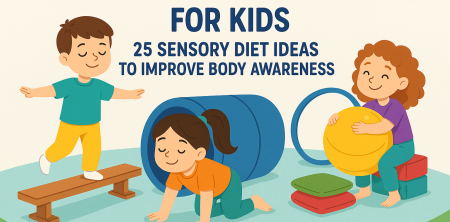
Now, let’s explore 25 engaging proprioception activities that you can easily incorporate into your child’s day. These activities are fun, effective, and can be adapted for various age groups.
1. Heavy Work Activities
Heavy work is any activity that requires using the large muscles of the body to push, pull, lift, or carry. This type of activity provides deep pressure input through the joints and muscles, enhancing body awareness. Examples include:
- Carrying groceries
- Helping with yard work (e.g., raking leaves or pushing a wheelbarrow)
- Pushing a heavy object, like a shopping cart or a sled
2. Obstacle Courses
Setting up obstacle courses using cushions, furniture, and other household items can be a fantastic way to boost proprioceptive skills. Children must navigate through various elements, enhancing their spatial awareness and body control. Encourage them to crawl under tables, jump over pillows, or balance on a line of tape on the floor.
3. Animal Walks
Have your child mimic different animal walks. This activity incorporates strength and balance, while also providing proprioceptive input. Some fun examples include:
- Bear Crawl: Walking on hands and feet
- Crocodile Walk: Sliding on the belly
- Bunny Hops: Jumping forward with feet together
4. Climbing Activities
Climbing structures at parks or climbing walls provide an excellent way to enhance proprioception. The act of climbing requires a child to be aware of their body in space and helps develop coordination and balance.
5. Wheelbarrow Walks
In this activity, one child holds the ankles of another while they walk on their hands. This not only builds upper body strength but also develops body awareness as they navigate their environment upside down.
6. Jumping on Trampolines
Jumping is a fun way to engage proprioceptive senses. Trampolines provide varying degrees of bounce and resistance, which helps children learn about their body’s position relative to gravity. If a trampoline is not available, consider jumping off low steps or platforms.
7. Tummy Time for Younger Kids
For infants and toddlers, tummy time is crucial for developing proprioceptive awareness. Lying on their stomachs helps them strengthen their neck and shoulder muscles. It can also encourage rolling over and crawling, which are significant milestones in motor development. (See: Proprioception in children and its importance.)
8. Sensory Play with Different Textures
Engaging in sensory play with various materials can stimulate proprioceptive senses. Fill a bin with rice, beans, or sand, and let children dig, pour, and create. This tactile experience helps them understand their body movements and positioning. We covered understanding sensory processing in more detail.
9. Balance Beam Activities
Using a balance beam, or even a line of tape on the floor, can help children work on balance and coordination. Encourage them to walk, hop, or even perform yoga poses on the beam to enhance their stability and awareness.
10. Playing with Playdough
Manipulating playdough can provide excellent proprioceptive input. Squeezing, rolling, and flattening the dough requires children to adjust their grip and use their muscles, promoting body awareness and fine motor skills.
11. Yoga and Stretching
Yoga poses and stretches can enhance both proprioception and flexibility. Activities like downward dog or tree pose encourage kids to focus on their body positioning while also promoting relaxation.
12. Riding Bikes or Scooters
Riding bikes or scooters is a great way for children to develop balance and coordination. It requires them to adjust their body movements while navigating turns and changes in speed, enhancing their proprioceptive skills.
13. Simon Says with Movement
Play a game of "Simon Says" that incorporates movement and physical actions. Phrases like "Simon says touch your toes" or "Simon says jump three times" invite fun while promoting body awareness.
14. Building with Blocks
Constructing towers or other structures with blocks involves spatial awareness and hand-eye coordination. As children build, they must pay attention to their movements and balance, which enhances their proprioceptive skills.
15. Swinging
Using swings can provide valuable sensory input. Pushing and pulling their bodies as they swing helps kids develop spatial awareness and body control. Adding a twist by swinging them gently with their eyes closed can heighten the experience.
16. Dance Parties
Throwing a dance party at home is a fun and energetic way to engage proprioception. Dancing to music allows kids to express themselves while being aware of their body movements in relation to the rhythm.
17. Balloon Volleyball
Playing volleyball with a balloon is a low-impact way to promote hand-eye coordination and body awareness. Encourage kids to move around the space to hit the balloon, helping them to be aware of their movements.
18. Nature Walks
Going on nature walks allows children to explore different terrains and surfaces. Encourage them to walk on grass, sand, or rocky paths to help enhance their stability and body awareness.
19. Sledding or Rolling Down Hills
Sledding in winter or rolling down grassy hills can provide intense proprioceptive input. The feeling of speed and the pressure through the body can help children understand their physical limits and abilities.
20. Creating Art with Movement
Incorporate movement into art by having kids paint while standing or using their whole body. Consider using large canvases on the ground where they can use their arms and legs to create vibrant artwork.
21. Hide and Seek
This classic game involves a lot of movement and awareness of space, as children must navigate around furniture and other obstacles to hide or seek. It’s a simple yet effective way to enhance their spatial awareness while having fun.
22. Playing with Kinetic Sand
Kinetic sand provides a unique tactile experience that promotes both fine motor skills and proprioception. As children mold and shape the sand, they develop strength and awareness in their hands and arms.
23. Balance and Coordination Games
Games like “Twister” or “Floor is Lava” encourage kids to think about their body positions and movements in a playful manner, enhancing their proprioceptive skills while also incorporating social interaction. (See: Understanding proprioception and body awareness.)
24. Gardening
Gardening involves various movements such as bending, squatting, and digging, which can strengthen proprioceptive awareness. Whether planting flowers or vegetables, the physical activity helps children connect with their environment.
25. Interactive Fitness Videos
There are plenty of interactive fitness videos designed for kids that incorporate movement and coordination. These guided activities can provide structured ways for children to engage their bodies and improve their proprioceptive skills.
Tips for Implementing Proprioception Activities
While introducing proprioception activities for kids, here are some practical tips to consider:
- Make it Fun: Choose activities that are enjoyable for your child. The more fun they have, the more engaged they will be.
- Be Consistent: Incorporate these activities into your daily routine. Consistency will help reinforce body awareness over time.
- Adapt to Their Needs: Pay attention to your child’s comfort level and adjust the activities as needed. Some may thrive in group settings, while others might prefer solo activities.
- Involve Peers: Encourage group activities to enhance social interaction while supporting proprioceptive development.
- Monitor Progress: Observe your child’s development over time. If you notice improvements in their coordination and body awareness, you’re on the right track.
Seeking Professional Guidance
If you notice that your child struggles significantly with proprioception or has developmental delays, it may be beneficial to seek professional guidance. Occupational therapists are trained to assess sensory processing and can provide tailored strategies and activities to support your child's development. They can also help create a sensory diet specifically designed to meet your child's unique needs.
Frequently Asked Questions (FAQ)
What age can children start engaging in proprioception activities?
Proprioception activities can begin as early as infancy. Activities like tummy time are essential for newborns and infants. As children grow, you can introduce a variety of more complex activities suitable for their development level.
How do I know if my child needs more proprioceptive activities?
If you notice your child has difficulty with balance, coordination, or shows signs of anxiety when moving, they may benefit from increased proprioceptive activities. Additionally, children with sensory processing disorders or developmental delays may specifically require these activities to develop body awareness.
Can proprioception activities be done indoors?
Absolutely! Many proprioceptive activities can be easily adapted for indoor settings. For instance, you can create obstacle courses using furniture, engage in animal walks in a hallway, or have dance parties in the living room. The key is to be creative with the space you have.
Are there any specific sports that enhance proprioceptive skills?
Yes! Many sports naturally enhance proprioceptive skills. Activities like gymnastics, martial arts, dance, and team sports (like soccer or basketball) require kids to be aware of their bodies in relation to other players and their environment, which promotes proprioception.
What if my child doesn’t enjoy physical activities?
If your child is reluctant to engage in physical activities, consider starting with activities that require less physical exertion but still provide proprioceptive input. Options like art that involves large movements (like painting with big brushes) or interactive games that can be played while seated might pique their interest.
Deeper Analysis of Proprioception and Childhood Development
Understanding proprioception is crucial not just for physical development but also for cognitive and emotional growth. Research indicates that children who engage in regular proprioceptive activities often show improvements in academic performance due to enhanced focus and concentration. This is because proprioceptive activities help to regulate the nervous system, making it easier for children to sit still and pay attention during lessons.
Additionally, proprioceptive activities can play a significant role in social interactions. For example, games that involve teamwork and movement can improve communication skills and the ability to collaborate with peers. This is particularly beneficial in school settings where group work is common. See also improve hand-eye coordination.
Comparative Analysis: Proprioception vs. Other Senses
Proprioception often gets overshadowed by other senses like sight and hearing. However, it works incredibly closely with them, creating a comprehensive picture of our surroundings. For instance, in sports, an athlete relies on proprioception to coordinate their movements while also using their vision to track a ball or a teammate’s position. This synergy is essential for optimal performance. (See: Sensory processing disorder overview.)
Unlike other senses, which can often be overwhelming (think of loud noises or bright lights), proprioceptive input is usually calming. Activities that provide proprioceptive feedback tend to be more grounding for children, helping them manage stress and anxiety levels. This unique quality makes proprioception activities a powerful tool for emotional regulation.
Enhancing Proprioception Through Daily Routines
Incorporating proprioception-focused activities into daily routines doesn’t have to be a chore. Simple adjustments can create opportunities for proprioceptive input. For instance, encourage your child to help with household chores that involve lifting, pushing, or pulling. You could also implement a regular “movement break” during homework sessions, allowing them to jump or stretch before returning to their tasks. This not only aids their proprioceptive development but also breaks the monotony of sedentary tasks.
Even during errands, you can turn walking into a form of proprioceptive activity by choosing places with varying terrains or engaging them in carrying items. Over time, these simple practices can significantly boost their body awareness and coordination without feeling like formal exercises.
Additional Proprioception Activities to Consider
In addition to the 25 activities mentioned above, there are numerous other activities that can enhance a child's proprioception. Here are a few more ideas:
26. Balancing on One Foot
Encourage kids to practice standing on one foot for a few seconds at a time. This simple exercise helps improve balance and stability, essential components of proprioception. To make it more challenging, have them close their eyes or try to perform it on a soft surface like grass or a yoga mat.
27. Playing Catch with Different Sizes of Balls
Engaging children in catch with various sizes and weights of balls can help enhance their spatial awareness and coordination. This activity encourages them to gauge their body movements in relation to the ball’s trajectory, enhancing both proprioception and hand-eye coordination.
28. Water Play
Water activities, whether it’s filling cups, splashing, or pouring, provide excellent sensory input. Letting kids splash in water or play with pouring tools can create dynamic proprioceptive experiences. This can be especially beneficial during warmer months.
How Proprioception Affects Learning
Proprioception plays a critical role in a child’s ability to learn effectively. Children who struggle with body awareness may find it difficult to concentrate in a classroom setting. The constant shifting of their bodies can be distracting not only to themselves but also to their peers. Research has shown that children with strong proprioceptive skills can better focus on tasks, leading to improved academic outcomes.
For instance, a child who is aware of their body and how it occupies space is likely to be more engaged during sitting activities, such as reading or writing. Incorporating proprioceptive activities during break times, such as jumping jacks or stretches, can help refresh their minds, making them more receptive to learning once they return to their desks.
Conclusion: The Power of Proprioception Activities
Engaging in proprioception activities for kids is not just about enhancing physical skills — it’s about building confidence, improving emotional regulation, and fostering social interactions. The 25 activities listed here offer a variety of options to support your child's development in a fun and engaging way. Remember, the key is consistency and enjoyment. The more your child is engaged in these activities, the better their proprioceptive skills will become. So get moving and have fun with it! Your child’s journey to better body awareness and confidence is just beginning.
```
Trending Now
Have you experienced this yourself? We'd love to hear your story in the comments.

