```html
In the ever-evolving landscape of education and child development, emotional regulation has emerged as a critical element in fostering a healthy learning atmosphere. One innovative approach that has gained traction is the concept of creating calming spaces for emotional regulation within educational settings, particularly through the framework of Conscious Discipline. This article delves into the significance of these calming spaces, how they function, and practical steps to implement them effectively.
Understanding Conscious Discipline
Conscious Discipline is an evidence-based, trauma-informed approach created by Dr. Becky Bailey. It transforms the culture of classrooms and homes by integrating social-emotional learning with discipline and self-regulation practices. The core of this method is the realization that individuals can only learn and grow in a safe, nurturing environment.
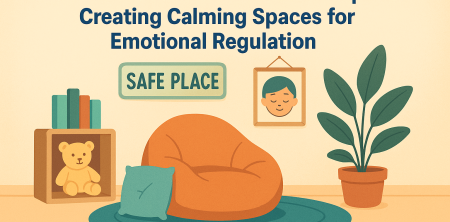
At the heart of Conscious Discipline lies the concept of the Safe Place, which serves as a calming area for children to retreat to when feeling overwhelmed or emotionally charged. The Safe Place is designed to provide children with tools and strategies for self-regulation, ultimately leading to improved emotional health and better learning outcomes.
The Importance of Calming Spaces
Research points to a direct correlation between emotional well-being and academic performance. When children struggle with their emotions, their ability to concentrate, engage, and perform in school can significantly diminish. This is where calming spaces come into play. By creating designated areas that promote emotional regulation, educators can help students regain their composure and focus.
In schools, a calming space serves several purposes. First, it offers a safe environment where children can process their feelings without fear of judgment. Second, it provides tools such as sensory objects, mindfulness activities, and visual aids that assist in emotional self-regulation. Lastly, calming spaces help cultivate a sense of belonging and security, which is crucial in today’s diverse educational settings.
Elements of an Effective Calming Space
Designing an effective calming space requires thoughtful consideration of various elements that cater to the diverse needs of students. Here are some essential components to consider:
- Location: Choose a quiet, accessible area within the classroom or school that minimizes distractions. This location should feel secure and separate from high-traffic zones.
- Comfort: Furnish the space with comfortable seating options such as bean bags, cushions, or floor mats. The goal is to create a cozy atmosphere where children feel at ease.
- Calming Tools: Include sensory objects like stress balls, fidget toys, or calming jars. Visual aids like emotion cards or breathing posters can also guide children in managing their emotions.
- Nature Elements: Incorporating elements of nature, such as plants or soft natural lighting, can enhance the calming effect of the space.
- Personalization: Allow students to contribute to the space’s décor or choose specific items that resonate with them, fostering a sense of ownership.
The Role of Educators in Facilitating Emotional Regulation
Educators play a pivotal role in the implementation and success of calming spaces. By modeling emotional regulation themselves, teachers can provide students with a live example of managing emotions in real-time. This means that educators need to be aware of their own emotional states, as their responses to stress can significantly influence student behavior.
Additionally, teachers should actively encourage students to utilize the calming space when needed, reinforcing that it’s okay to take a break. Consistent reminders and positive reinforcement can help normalize the use of these spaces, allowing students to feel empowered in managing their emotions.
Practical Strategies for Implementing Calming Spaces
Creating calming spaces for emotional regulation isn’t just about setting up a corner in the classroom; it requires intentional planning, collaboration, and ongoing evaluation. Here are several actionable strategies for educators: (See: Emotional well-being and academic performance.)
- Assess Student Needs: Start by understanding the emotional needs of your students. Conduct surveys or informal discussions to learn about their stressors and preferences.
- Collaborate with Stakeholders: Work with parents, counselors, and school psychologists to develop a comprehensive approach to emotional regulation that aligns with the needs of the entire community.
- Integrate Mindfulness Practices: Consider incorporating mindfulness exercises into daily routines. Simple practices like deep breathing or short meditations can help students prepare to use the calming space effectively.
- Evaluate and Adapt: Regularly assess the effectiveness of the calming space through student feedback. Be open to making changes based on what works and what doesn’t.
Success Stories: Calming Spaces in Action
There are numerous examples of schools successfully implementing calming spaces, leading to notable improvements in student behavior and emotional regulation. For instance, a middle school in California transformed its unused library corner into a calming oasis equipped with soft lighting, sensory tools, and art supplies. Teachers reported a marked decrease in disciplinary issues, as students often chose to self-regulate in the space rather than act out.
Another inspiring case comes from an elementary school in New York, where a group of educators collaborated to create a calming room that not only serves as a place for students to decompress but also as a training ground for emotional intelligence. Through guided activities in the calming space, students learned skills such as empathy and conflict resolution, which they applied in their interactions with peers.
The Connection Between Emotional Regulation and Academic Performance
Understanding the connection between emotional regulation and academic success is crucial. Studies reveal that students with higher emotional intelligence tend to perform better academically. They are more resilient, possess stronger communication skills, and can manage stressors effectively.
Furthermore, a study published in the Journal of Educational Psychology found that students who received social-emotional learning interventions, including the use of calming spaces, exhibited higher academic performance compared to their peers who did not receive such support. This reinforces the importance of integrating emotional regulation strategies into the education system, ensuring that students are not only academically successful but emotionally well-adjusted.
The Broader Implications of Calming Spaces for Emotional Regulation
The impact of calming spaces extends beyond individual classrooms. When implemented school-wide, these spaces can foster a positive school culture where emotional well-being is prioritized. Such an environment reduces stigma around mental health, encouraging open discussions about emotions and providing support for students who may struggle.
Moreover, as schools begin to recognize the importance of emotional regulation, they can develop partnerships with community organizations focused on mental health. These collaborations can provide resources, training, and support for both educators and students, creating a holistic approach to emotional health.
Future Directions for Calming Spaces
As the educational landscape continues to evolve, the focus on emotional regulation through calming spaces will likely expand. Future developments may include:
- Technology Integration: Incorporating technology, such as virtual reality experiences for relaxation or mindfulness apps, could enhance the calming experience for students.
- Research and Evaluation: Ongoing research into the effectiveness of calming spaces will provide valuable data that can inform best practices and innovative approaches.
- Policy Changes: Advocacy for mental health support in schools can drive policy changes that formalize the inclusion of calming spaces in educational settings.
Creating a Calming Space: Step-by-Step Guide
If you're looking to create your own calming space, here’s a straightforward step-by-step guide to get you started:
- Identify the Area: Start by assessing your classroom or school for a suitable location. Look for a quiet corner or unused space where children can feel comfortable and secure.
- Gather Resources: Collect materials and tools that will be beneficial in the space, including sensory items, seating options, and calming visuals.
- Design the Layout: Arrange the space thoughtfully. Ensure there’s enough room for children to sit or lie down and for various activities. Organize items so they’re easily accessible.
- Set Ground Rules: Establish guidelines for using the space. Make sure students understand when and how to use it, reinforcing that it’s a place for all to find peace when needed.
- Promote Awareness: Introduce the calming space to your students. Provide opportunities for them to explore and become familiar with the tools available.
- Solicit Feedback: After introducing the space, ask students for their thoughts. What do they like? What would they change? Use this feedback to continually improve the space.
Statistics on Emotional Regulation in Education
To better understand the impact of emotional regulation in education, here are some compelling statistics: (See: Understanding emotional regulation treatments.)
- According to the American Psychological Association, nearly 1 in 5 children experience a mental health disorder during their school years, making emotional support essential in educational settings.
- Research from the National Center for Education Statistics indicates that students who feel safe and supported in school have a 75% higher chance of achieving academic success.
- A study published in the Child Development Journal found that schools implementing social-emotional learning programs, including calming spaces, reported a 20% decrease in disciplinary actions.
Expert Perspectives on Calming Spaces
Experts in child psychology and education frequently highlight the importance of emotional regulation in the learning process. Dr. Laura Markham, a clinical psychologist, emphasizes that when children have a safe space to process their emotions, they are more likely to engage positively with their peers and educators. “Emotional regulation is not just about controlling feelings; it’s about understanding them and using that understanding to foster growth,” she explains.
Similarly, Dr. Daniel Goleman, author of “Emotional Intelligence,” argues that schools should prioritize emotional learning alongside academics. “When students learn to manage their feelings, they are better equipped to face challenges both in and out of school. Calming spaces can be a wonderful tool in that learning journey,” he states.
Frequently Asked Questions About Calming Spaces
What age groups benefit from calming spaces?
Calming spaces can be beneficial for all age groups, from early childhood education through high school. However, the design and tools may vary based on developmental stages.
How do I know if a calming space is effective?
To gauge the effectiveness of a calming space, monitor student usage, gather feedback, and observe any changes in behavior and emotional regulation. Surveys and informal discussions can help assess its impact.
Can calming spaces be integrated into online learning?
Yes, calming techniques can be implemented in online learning by creating virtual calming spaces. This can include guided meditation sessions, breathing exercises, and virtual relaxation environments.
Do calming spaces need to be supervised?
While it can be beneficial to have some adult supervision, it’s important to allow students the autonomy to use the space independently. Establishing guidelines can help ensure they use it appropriately while feeling empowered.
Can parents create calming spaces at home?
Absolutely! Parents can create calming spaces at home by designating a quiet area with calming tools and resources. Encouraging mindfulness practices at home can complement the skills learned in school.
Benefits of Calming Spaces Beyond the Classroom
While the primary focus of calming spaces is within educational settings, their benefits extend into the home and community. When children learn to manage their emotions in school, they carry those skills into their daily lives. Families can also benefit, as children who can regulate their emotions tend to have more stable home environments and healthier relationships with family members.
Calming spaces can also be instrumental in community centers and after-school programs. By providing similar environments outside of school, communities can support children's emotional needs, which may lead to reduced behavioral issues and increased social engagement. Programs that incorporate emotional regulation techniques can help children build resilience and develop essential life skills.
The Science Behind Calming Spaces
Understanding the neuroscience behind calming spaces can shed light on why they are effective. The brain's limbic system is heavily involved in emotional processing, and calming spaces can help regulate its activity. When a child is overwhelmed, their amygdala, the part of the brain responsible for the fight-or-flight response, becomes activated, leading to heightened stress levels.
Calming spaces can help deactivate this response by promoting relaxation through sensory experiences. For instance, soft lighting can stimulate the parasympathetic nervous system, which regulates the body’s rest and digestion mode, counteracting stress responses. Providing tactile materials, soothing sounds, and opportunities for mindfulness can help children shift from a state of anxiety to one of calmness, allowing them to better manage their reactions to stressors.
Implementing Calming Spaces in Diverse Learning Environments
In schools with students from diverse backgrounds or those with special needs, calming spaces must be thoughtfully adapted to be inclusive. Understanding cultural differences in emotional expression and regulation is critical for creating a welcoming space for all students. For instance, some cultures might emphasize collective emotional experiences, while others focus on individual regulation techniques.
Additionally, students with special needs may require specific tools or adaptations in the calming space. For example, visual schedules, social stories, or noise-canceling headphones can enhance the space's accessibility. Collaborating with special education professionals can help ensure that calming spaces meet the needs of all learners effectively.
Conclusion: Embracing Calming Spaces for a Brighter Future
The conversation around calming spaces for emotional regulation is just beginning, but the positive implications are clear. By integrating these spaces into educational settings, we’re not only providing students with the tools needed to manage their emotions but also creating a supportive and nurturing environment that fosters learning and growth. As we move forward, it's imperative that educators, parents, and policymakers work together to champion the emotional well-being of students, ensuring that every child has the opportunity to thrive.
```
Trending Now
- “Building Fluency in English Language Learners: Practical Classroom Techniques That Work”
- this guide on “5 evidence-based strategies to improve math fluency in middle school classrooms”
- our breakdown of “can adults have dyscalculia? recognizing and managing math learning disabilities later in life”
- this guide on “why young children think more water means a taller glass: explaining conservation concepts”
- “Teaching Math to Children Who Struggle with Irreversibility: Concrete Strategies That Help”
Frequently Asked Questions
What is the Safe Place in Conscious Discipline?
The Safe Place in Conscious Discipline is a designated calming area where children can retreat when feeling overwhelmed. It provides tools and strategies for self-regulation, helping them manage their emotions and improve their overall emotional health.
How do calming spaces help with emotional regulation?
Calming spaces help children process their emotions in a safe environment, reducing anxiety and promoting focus. They provide sensory objects, mindfulness activities, and visual aids that assist students in self-regulation, ultimately enhancing their learning experience.
Why are calming spaces important in schools?
Calming spaces are crucial in schools as they directly correlate with emotional well-being and academic performance. By offering a safe place for emotional processing, these areas help students regain composure, focus, and engage better in their learning.
What tools are used in calming spaces for children?
Calming spaces typically include sensory objects, mindfulness activities, and visual aids. These tools are designed to assist children in self-regulating their emotions, providing practical strategies to help them cope with overwhelming feelings.
How can educators implement calming spaces in the classroom?
Educators can implement calming spaces by designating specific areas in the classroom equipped with calming tools and resources. They should create a welcoming environment that encourages students to use the space when needed, fostering a culture of emotional regulation.
What's your take on this? Share your thoughts in the comments below — we read every one.

