```html
Understanding Proprioception
Proprioception is often described as the "sixth sense." It's the body's ability to perceive its own position in space, which is crucial for coordinating movements and maintaining balance. This sensory system involves various receptors located in muscles, tendons, and joints, sending information to the brain about where our body parts are without us having to look at them. In the context of handwriting, proprioception plays a vital role in how children develop their writing skills.
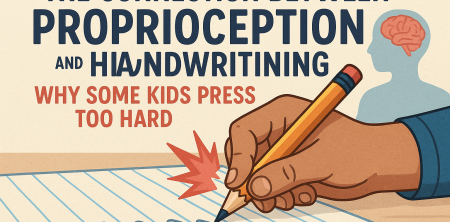
When kids are learning to write, they're not just forming letters; they're also mastering the complex interplay of fine motor skills, visual perception, and proprioceptive feedback. This intricate process can affect how hard they press down with their writing instruments. If a child has an underdeveloped sense of proprioception, they might press too hard, leading to issues like fatigue or discomfort, or even damage to paper and writing tools.
The Importance of Handwriting Development
The ability to write is an essential skill that children begin to develop in their early education years. Handwriting is not just about the physical act of writing; it also involves cognitive processes such as thinking, organizing ideas, and expressing emotions. According to a study published in the Journal of Educational Psychology, children who struggle with handwriting may also experience difficulties in other academic areas, including reading and math.
As kids transition from pre-writing skills to actual handwriting, they face numerous challenges. These challenges range from forming letters accurately to understanding spacing and pressure. Writing pressure is often a neglected aspect of handwriting education, and yet, it profoundly impacts the overall quality of a child’s writing.
Why Do Some Kids Press Too Hard?
For many children, the way they grip their writing instruments and the amount of pressure they apply can vary significantly. Some kids press down too hard, which can lead to poorly formed letters, hand fatigue, and even soreness. Understanding why this happens requires a closer examination of proprioception and its effects on fine motor control.
Children with a heightened sense of proprioception might press too hard as they try to achieve a level of control they feel is necessary. This can stem from a lack of body awareness. They may not realize how much pressure they’re applying to the page, which can lead to overly aggressive writing habits. Additionally, factors such as anxiety or perfectionism can exacerbate this tendency, as the child unconsciously believes that pressing harder will somehow improve their writing quality.
Identifying Proprioceptive Issues
Recognizing proprioceptive issues in children requires a keen eye. Parents and educators should look for specific signs that might indicate difficulties with proprioception. Children who consistently press too hard when writing often exhibit other behaviors, such as:
- Tight grip on writing implements
- Frequent hand fatigue
- Poor letter formation
- Difficulty maintaining a consistent writing speed
- Difficulty relaxing their grip
These signs suggest that the child might benefit from targeted interventions aimed at improving their proprioceptive awareness. Understanding these indicators can help caregivers and educators devise effective strategies to support children’s handwriting development.
Impact of Poor Proprioception on Learning
The implications of poor proprioception extend beyond just handwriting. Research indicates that children with impaired proprioceptive abilities may struggle with coordination, balance, and even social interactions. This can lead to broader challenges in their educational experience.
In a classroom setting, children who press too hard may become frustrated with their writing tasks, leading to a lack of motivation. This frustration can snowball, resulting in avoidance of writing assignments altogether. Moreover, the physical discomfort associated with excessive pressure can lead to negative emotions around writing, which can further hinder academic progress. (See: Understanding proprioception.)
Enhancing Proprioception in Children
Improving proprioceptive awareness is crucial for helping children refine their handwriting skills. Fortunately, several activities can effectively enhance a child's proprioceptive system. Activities like jumping on a trampoline, climbing, and playing with resistance toys can improve muscle awareness and coordination. These activities engage the senses and provide the necessary feedback for children to learn how to control their body movements better.
In addition, fine motor skill activities such as using playdough, threading beads, or engaging in arts and crafts can also promote proprioceptive development. These tasks encourage hand strength and dexterity, helping children gain better control over their grip and pressure when writing.
Practical Strategies for Parents and Educators
Supporting children with handwriting issues linked to proprioception can be an ongoing journey. Here are some practical strategies that parents and educators can employ:
- Use adaptive tools: Introducing ergonomic pens or special grips can help children maintain a relaxed hand posture.
- Incorporate sensory activities: Provide opportunities for children to engage in play that encourages proprioceptive input, like crawling through tunnels or playing on swings.
- Encourage relaxation techniques: Teach children how to shake out their hands or use hand massages to relieve tension before writing.
- Monitor grip pressure: Use textured surfaces, such as sandpaper, to help children practice writing with a lighter touch.
- Create a comfortable writing environment: Ensure that the child has a proper workspace that encourages good posture and reduces distractions.
By adopting these strategies, parents and educators can foster an environment that encourages healthy handwriting habits, ultimately leading to improved writing quality.
Expert Opinions on Proprioception and Handwriting
Experts in child development and occupational therapy emphasize the importance of proprioception in handwriting. According to Dr. Karen P. McCarty, an occupational therapist with over 20 years of experience, “Proprioceptive input is foundational for developing fine motor skills. Children who lack this awareness may struggle with other skills essential for academic success.”
Similarly, pediatric neurologist Dr. Louisa M. Sorrentino notes that “addressing proprioceptive issues early can significantly improve a child's confidence and performance in school. Simple interventions can make a world of difference in helping children feel more comfortable and less anxious when writing.” This underscores the critical nature of recognizing and addressing proprioceptive issues early on.
Current Research and Developments
The intersection of proprioception and handwriting is an area of ongoing research. Recent studies continue to explore how different interventions can support children struggling with handwriting due to proprioceptive issues. For example, a study published in the International Journal of Pediatric Occupational Therapy examined the effects of proprioceptive activities on children's handwriting performance and found significant improvements in both writing speed and quality.
Furthermore, technology is beginning to play a role in this area. Emerging tools like handwriting analysis software and app-based interventions are being developed to assess grip pressure and provide real-time feedback to children and their caregivers. This type of data-driven approach may revolutionize how we understand and address handwriting difficulties related to proprioception.
Frequently Asked Questions (FAQ)
What is proprioception and why is it important for handwriting?
Proprioception is the body's ability to sense its position and movement in space. It's important for handwriting because it helps children develop fine motor skills, control grip pressure, and maintain stability while writing. A well-developed proprioceptive system contributes to better coordination and balance, which are crucial for effective handwriting.
How can I tell if my child has proprioceptive issues?
Look for signs such as an overly tight grip on writing utensils, frequent hand fatigue, or difficulty relaxing their grip. Additionally, children with proprioceptive issues often struggle with letter formation and maintaining a consistent writing speed, and they may express frustration during writing activities.
What activities can help improve my child's proprioception?
Engaging in physical activities like climbing, jumping, and playing with resistance toys can significantly improve proprioception. Fine motor skills activities, such as using playdough, threading beads, or engaging in arts and crafts, are also beneficial. These activities help strengthen hand muscles and improve overall coordination. (See: The importance of handwriting development.)
Are there specific tools that can assist children with proprioception issues during writing?
Adaptive tools, such as ergonomic pens and specialized grips, can help maintain a relaxed grip and reduce hand fatigue. Textured writing surfaces can also provide tactile feedback, encouraging children to adjust their grip pressure appropriately.
What role do therapists play in addressing handwriting issues related to proprioception?
Occupational therapists can assess a child's proprioceptive abilities and create tailored intervention plans. They may introduce targeted exercises and activities designed to enhance proprioceptive awareness and improve fine motor skills, ultimately supporting better handwriting performance.
Creating a Consistent Practice Routine
While individual strategies are vital, consistency is equally important. Establishing a regular practice routine can help reinforce both handwriting skills and proprioceptive awareness. This routine can include daily handwriting exercises, proprioceptive games, and sensory activities. Keeping the routine fun and varied helps maintain a child's interest while promoting engagement.
The Role of the Environment in Learning
The environment in which children learn to write plays a significant role in their handwriting development. A clutter-free and organized workspace can help children focus better, while a comfortable chair and desk height can promote good posture. Moreover, reducing distractions, such as background noise or visual clutter, can enhance a child’s ability to concentrate on their writing tasks.
Parents and educators can also consider using visual aids, such as letter charts or lined paper with different color sections, to guide children in their handwriting practice. These tools can provide important visual cues that support the development of proper letter formation, spacing, and overall writing quality.
Peer and Social Influences on Handwriting
Children’s handwriting success and challenges can also be influenced by their peers. Positive reinforcement from classmates who exemplify good handwriting can motivate children to improve their own skills. Conversely, pressure to perform at a certain level can lead to anxiety and further exacerbate proprioceptive issues. Encouraging collaborative writing activities can help create a supportive environment where children feel comfortable learning and practicing their handwriting skills alongside their peers.
Long-term Impact of Proprioception on Writing Skills
The development of proprioceptive skills during childhood has lasting implications for writing abilities in later years. Children who develop a strong sense of body awareness and fine motor control are more likely to excel in academic writing tasks as they progress through school. Additionally, these skills often translate into other areas of life, enhancing overall coordination, balance, and confidence in various physical activities.
Recognizing the importance of this skill early on can lead to proactive measures that not only improve handwriting but also foster a positive relationship with writing and learning throughout a child's development.
The Connection Between Proprioception and Technology
In today's digital age, the intersection of technology and education has grown significantly. Proprioception and handwriting are no exceptions. With the rise of tablet and touchscreen technology, children are being exposed to various writing methods beyond traditional paper and pencil. For instance, writing apps can offer dynamic feedback on grip pressure and stroke strength, enhancing proprioceptive awareness in a digital context. (See: Handwriting and learning difficulties.)
Some apps even include features that allow children to practice handwriting on a virtual surface, providing prompts that encourage proper letter formation. This blend of traditional skills and modern technology can engage children more effectively, particularly those who may struggle with conventional methods. Moreover, some programs utilize gamification techniques to make the learning process fun, motivating children to practice more frequently.
Case Studies and Success Stories
Several case studies highlight the effectiveness of addressing proprioception-related handwriting issues. For example, a school in New York implemented a targeted handwriting intervention program focusing on proprioceptive activities and tools. Over six months, they observed a significant improvement in students' handwriting quality and speed. Teachers reported that students became more confident in their writing abilities, leading to increased participation in class activities.
Another inspiring case involved a child with diagnosed proprioceptive dysfunction who began occupational therapy sessions. The therapist integrated various proprioceptive exercises with handwriting practice, gradually improving the child's grip and pressure management. After several months, the child's handwriting not only improved but the child also expressed a newfound enthusiasm for writing. These examples underscore the positive outcomes that can arise when proprioception is explicitly addressed in handwriting education.
Support Resources for Parents and Educators
Numerous resources are available for parents and educators looking to enhance children's handwriting through proprioceptive development. Websites that focus on occupational therapy often provide printable worksheets and instructional videos that can guide effective practices at home or in the classroom. Many occupational therapists also offer workshops or webinars, providing valuable insights into strategies for improving proprioceptive awareness.
Books and research papers focused on child development and motor skills can give deeper insights into the importance of proprioception in handwriting. Engaging with local support groups or online forums can also connect parents with others facing similar challenges, fostering a community of sharing best practices and resources.
Conclusion: Creating a Supportive Environment for Handwriting Success
The connection between proprioception and handwriting is a nuanced yet crucial aspect of child development. By understanding the complexities of how proprioception impacts a child’s ability to write, parents, educators, and therapists can work together to create supportive strategies that address these challenges. Investing time and resources into improving proprioceptive skills can lead to better handwriting, higher confidence, and an overall more positive learning experience for children.
As we continue to learn more about how proprioception affects handwriting, we owe it to our children to foster an environment that allows them to express themselves freely and effectively through writing. After all, writing is not just an academic skill; it’s a vital form of communication that will serve them throughout their lives.
```
Trending Now
Frequently Asked Questions
What is proprioception and why is it important for handwriting?
Proprioception is the body's ability to perceive its position in space, crucial for coordinating movements. In handwriting, it helps children develop fine motor skills and control over pressure applied while writing, impacting the quality of their writing.
Why do some children press too hard when writing?
Children may press too hard due to an underdeveloped sense of proprioception, affecting their grip and pressure on writing instruments. This can lead to discomfort, fatigue, and damage to writing tools.
How does handwriting affect a child's academic performance?
Handwriting skills are linked to cognitive processes like organizing ideas and expressing emotions. Children who struggle with handwriting may also face challenges in reading and math, highlighting the importance of handwriting development.
What are common handwriting challenges children face?
Children encounter challenges such as forming letters accurately, understanding spacing, and controlling writing pressure. These aspects are critical for developing effective handwriting skills.
How can parents help improve their child's handwriting pressure?
Parents can help by encouraging activities that enhance proprioception, such as playing with clay or engaging in balance exercises. Additionally, providing guidance on grip and pressure while writing can improve their child's handwriting.
Agree or disagree? Drop a comment and tell us what you think.

