```html
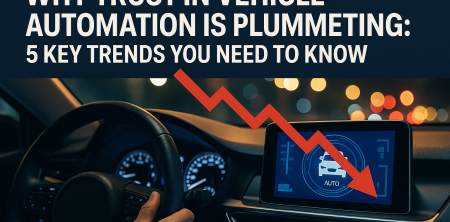
The landscape of vehicle automation is shifting dramatically, and recent trends indicate a significant decline in trust among U.S. drivers. A new study reveals that consumer confidence in autonomous technology has dropped by an astonishing 18% since 2023, largely fueled by a series of high-profile accidents involving self-driving cars. This shift in perception is not just a fleeting moment in the automotive world; it signals a profound change in how drivers view vehicle automation.
The Rise and Fall of Trust in Automation
To understand the current state of vehicle automation trends, it’s essential to look back at the optimism that surrounded advancements in self-driving technology. In the years leading up to 2023, many consumers were excited about the potential of automation to enhance safety, reduce congestion, and free up time during commutes. However, as accidents involving autonomous vehicles have made headlines, that excitement has waned.
According to industry analysts, this decline in trust is alarming. In fact, the study highlights that the fear of technology failure has become the primary barrier to adoption, overturning the previous belief that convenience would drive acceptance. This is a striking evolution: consumers are now more concerned about the safety of automated systems than the potential benefits they offer.
High-Profile Accidents and Their Impact on Perception
Several notable incidents involving self-driving vehicles have captured public attention, leading to a wave of skepticism. For instance, incidents that resulted in fatalities or serious injuries drew widespread media coverage, causing many drivers to question the safety protocols in place for autonomous vehicles. Social media platforms have become hotspots for discussions, with many users sharing their concerns about the reliability of these advanced technologies.
The emotional response to these events cannot be overstated. Fear and anxiety about technology failing in critical moments are powerful sentiments that can drastically impact consumer behavior. As a result, potential car buyers are now more likely to research the safety records of vehicle automation features before making a purchase, a stark contrast to previous habits where features were often seen as cutting-edge selling points.
Manual Overrides: A Counterintuitive Trend
One of the most surprising findings from the study is a 30% increase in drivers manually overriding their vehicle’s automation systems. This trend suggests that many drivers are losing faith in the capabilities of the very technology that was designed to assist them. Instead of enhancing the driving experience, advanced automation features seem to be breeding hesitation and second-guessing.
The rationale behind this behavior is multifaceted. As vehicles become equipped with more sophisticated automation features, drivers often feel that they need to maintain control to ensure safety. This reflects a growing sentiment that, despite advancements, human intuition and decision-making are still vital, especially when it comes to safety-critical scenarios.
Changing Drivers’ Attitudes: From Convenience to Caution
With the decline in trust toward vehicle automation, drivers are shifting their attitudes from viewing automation as a convenient tool to seeing it as a potential danger. The study indicates that the average consumer is now more cautious when interacting with automation systems, often opting to take manual control rather than rely on technology.
This shift highlights a critical aspect of vehicle automation trends: the perception of risk has outweighed the perceived convenience that automation offers. Many consumers now prioritize feeling secure over enjoying the benefits of a hands-free driving experience. Automakers are facing the challenge of addressing these fears to regain consumer trust.
The Role of Automakers in Regaining Trust
Industry experts warn that automakers must take immediate action to address safety concerns surrounding vehicle automation. Transparency is key; manufacturers need to communicate openly about how their automation technologies work, the safety measures in place, and how they respond to real-world conditions.
Additionally, improving training and education for consumers on how to interact safely with automation features is crucial. By providing practical demonstrations and clear guidelines, automakers can help bridge the gap between consumer anxiety and technological capabilities.
Social Media: A Double-Edged Sword
Social media plays a significant role in shaping public perception of vehicle automation. Platforms like Twitter and Facebook have become arenas where consumers express their concerns, share experiences, and discuss the implications of recent incidents involving self-driving cars. While this can create a sense of community among worried drivers, it can also amplify fears and misconceptions.
Automakers must engage with consumers on social media, ensuring that accurate information is disseminated and misinformation is countered effectively. By fostering a transparent dialogue, manufacturers can work on rebuilding trust, but they must tread carefully, as a single misstep can lead to further erosion of confidence. (See: self-driving cars accidents.)
Looking Ahead: The Future of Vehicle Automation
The study projects that the landscape of vehicle automation will continue to evolve from 2019 to 2025. As technology advances, manufacturers are expected to invest heavily in research and development aimed at improving the safety and reliability of automated systems. However, the path forward is fraught with challenges.
Consumer trust will not be easily regained. Automakers need to focus on delivering not just functional technology, but safe technology that can withstand scrutiny. The dialogue between manufacturers and consumers will be essential in navigating this complex landscape.
Lessons Learned: What Consumers Want
One of the most critical lessons learned from the recent decline in trust is that consumers want more than just shiny new features. They crave reassurance and proof that the technology is safe. Many are asking for rigorous testing protocols, transparency in reporting accidents, and clear communication of how automation works under various driving conditions.
As the industry moves forward, understanding these needs will be paramount in shaping future vehicle automation trends. Companies that prioritize consumer safety and foster open communication stand a better chance of succeeding in a market that is increasingly skeptical.
Emerging Trends in Vehicle Automation
As we analyze the current landscape of vehicle automation trends, it's essential to identify the emerging themes that are shaping the future. Key trends include the integration of artificial intelligence, the collaboration between automakers and tech companies, and the rise of regulatory frameworks to ensure safety and reliability.
Artificial Intelligence and Machine Learning
Artificial intelligence (AI) is at the heart of many automation technologies. Machine learning algorithms enable vehicles to learn from vast amounts of data and improve their decision-making processes over time. For instance, companies like Tesla and Waymo are leveraging AI to enhance their vehicles' ability to navigate complex environments and respond to unpredictable conditions.
Statistics show that AI can significantly reduce the likelihood of accidents. A study conducted by the Insurance Institute for Highway Safety (IIHS) found that vehicles equipped with advanced driver-assistance systems (ADAS) saw a 29% reduction in collision claims. This statistic highlights the potential for AI to contribute positively to road safety, provided that consumer fears are addressed effectively.
Collaboration with Tech Industry
Another critical trend is the collaboration between traditional automakers and technology companies. As the demand for sophisticated automation features increases, automakers are partnering with tech firms to accelerate innovation. Companies like Ford have joined forces with Google to integrate cloud computing and AI into their vehicles. This partnership aims to enhance data analytics, improve customer experiences, and ultimately create smarter cars.
The collaboration not only improves the technology but also helps to build consumer trust as automakers align themselves with reputable tech companies known for their innovation and reliability.
Regulatory Frameworks and Safety Standards
As vehicle automation continues to evolve, so does the need for robust regulatory frameworks. Governments across the globe are starting to implement safety standards and guidelines for automated vehicles. In the U.S., the National Highway Traffic Safety Administration (NHTSA) has been working on policies that govern the testing and deployment of autonomous vehicles, ensuring that safety is at the forefront of innovation.
These regulations aim to protect consumers while fostering a conducive environment for technological advancements. For example, states like California require companies to submit detailed reports on their testing outcomes, including any incidents or accidents that occur during trials. Such transparency can help rebuild trust among consumers who have become wary of automation technologies.
Consumer Education: The Key to Acceptance
As automakers strive to regain consumer trust, a critical component of their strategy should be consumer education. The complexities of automation technology can be daunting, and many consumers may not fully understand how these systems work. Automakers can invest in educational campaigns, workshops, and online resources to demystify vehicle automation.
For example, hosting community events where consumers can experience hands-on demonstrations of automation features can be an effective way to build understanding and confidence. By showing how technologies like adaptive cruise control or lane-keeping assistance work in real-time, consumers can better appreciate their benefits and limitations.
Real-World Testing and Feedback Loops
Real-world testing is another vital aspect of consumer education. Allowing consumers to experience automated vehicles in various scenarios can provide valuable insights into their performance and reliability. Feedback loops—where consumers share their experiences and concerns—can inform manufacturers about necessary improvements and enhancements. (See: automated driving safety.)
Consider pilot programs where consumers can drive vehicles equipped with the latest automation technologies in controlled environments. Gathering data from these experiences can help manufacturers fine-tune their features while also addressing any safety concerns that arise.
The Role of Data in Enhancing Safety
Data collection plays a significant role in enhancing the safety and reliability of automated vehicles. As more vehicles are equipped with automation technologies, they generate vast amounts of data that can be analyzed to identify patterns and potential safety issues. This data can include information on driver behavior, environmental conditions, and system performance.
Automakers can use this data to improve algorithms, refine safety protocols, and better understand how vehicles respond in real-world situations. By analyzing this information, they can proactively address potential risks, ensuring a safer driving experience for consumers.
Furthermore, sharing anonymized data with researchers and regulatory bodies can help inform industry standards and guidelines, ultimately fostering a culture of safety and accountability.
FAQs About Vehicle Automation Trends
What are the main concerns consumers have about vehicle automation?
Consumers primarily express concerns regarding safety, reliability, and potential technology failures. High-profile accidents have heightened these fears, leading many to question the safety protocols surrounding autonomous vehicles.
How can automakers rebuild consumer trust?
Automakers can rebuild trust by being transparent about their technologies, enhancing consumer education efforts, and engaging with community feedback. Demonstrating a commitment to safety and reliability is essential for regaining consumer confidence.
What role does social media play in shaping opinions on vehicle automation?
Social media serves both as a platform for consumers to voice their concerns and as a tool for automakers to communicate directly with the public. It can amplify misinformation but can also be used to educate and inform consumers about safety measures and technological advancements.
How important is collaboration between automakers and tech companies?
Collaboration is crucial as it allows for accelerated innovation and the integration of advanced technologies into vehicles. Partnering with reputable tech firms can enhance safety features and improve consumer perceptions of automation technologies.
What is the future of vehicle automation?
The future of vehicle automation will likely involve increased integration of AI, improved regulatory frameworks, and a stronger focus on consumer education. As technology evolves, addressing safety and reliability concerns will be paramount to gaining widespread acceptance.
Innovative Uses of Vehicle Automation
Vehicle automation isn't just about self-driving cars; it encompasses a wide range of applications that are transforming transportation. From public transit to logistics, here are some innovative uses of vehicle automation that are emerging in the market.
Autonomous Delivery Vehicles
Companies like Amazon and DoorDash are testing autonomous delivery vehicles that can transport goods without human intervention. These vehicles utilize advanced navigation and obstacle-avoidance systems to operate safely on roads. A report from McKinsey estimates that the market for autonomous delivery could reach $90 billion by 2030, highlighting the significant impact automation has on logistics and consumer convenience.
Delivery drones are also gaining traction, with companies like Zipline already using them to deliver medical supplies to remote areas. Automation in last-mile delivery not only enhances efficiency but also reduces costs for businesses while improving access to essential services for consumers. (See: consumer confidence in automation.)
Public Transportation Solutions
Some cities are experimenting with autonomous public transportation systems. Pilot programs featuring self-driving buses and shuttles are being tested to provide efficient, on-demand transportation options. For example, in Las Vegas, an autonomous shuttle service was introduced, offering free rides to tourists and locals alike. These systems aim to reduce congestion and improve access to public transportation while allowing city planners to gather data on ridership patterns.
According to the American Public Transportation Association, the use of automated public transit can lower operational costs and improve service reliability, which may attract more users to public transport systems in urban areas.
Impact on Car Ownership and Insurance Models
As vehicle automation evolves, it has the potential to disrupt traditional car ownership models. The rise of shared autonomous vehicles could lead to a decrease in individual car ownership, as consumers opt for ride-hailing services instead. This shift could also impact insurance models, as the liability for accidents may shift from drivers to manufacturers of automated systems.
Insurance companies are already adapting by developing new policies that take into account the unique risks associated with automated driving. A study by Deloitte found that insurers expect premiums to decrease for consumers using autonomous vehicles, which could make such technologies more appealing.
Long-Term Implications for Employment
While vehicle automation promises efficiency and safety improvements, it also raises concerns about job displacement in various sectors. The trucking industry, for instance, employs millions of drivers; the introduction of autonomous trucks could fundamentally change this landscape. According to the American Trucking Associations, there are approximately 3.5 million professional truck drivers in the U.S. While automation may improve efficiency, it could lead to significant job losses if not managed carefully.
However, some experts believe that automation could also create new job opportunities in areas such as vehicle maintenance, technology development, and safety oversight. The key will be to prepare the workforce for the changes ahead through reskilling and education initiatives.
The Importance of Ethical Considerations
As automation technologies advance, ethical considerations surrounding their development and deployment become increasingly important. Questions about accountability, decision-making in critical situations, and the broader societal impacts of automation must be addressed. For instance, in the event of an unavoidable accident, how should the vehicle's algorithms prioritize safety? These ethical dilemmas require input from technologists, ethicists, and policymakers alike to create frameworks that guide the responsible use of automation.
Public discourse on these issues is essential. Engaging with communities to understand their concerns and values can help shape technologies that align with societal norms and ethical standards. This dialogue can also enhance trust, as consumers feel their voices are being heard and considered in the development of autonomous systems.
Conclusion: The Road Ahead for Automation
Trust in vehicle automation is at a crossroads, and how automakers respond will determine the future of this technology. While the current trends may appear discouraging, they also present an opportunity for the industry to adapt and innovate. By addressing safety concerns head-on and focusing on consumer education, manufacturers can work to restore the public's faith in vehicle automation. As we look toward 2025 and beyond, the path to acceptance will be paved with transparency, reliability, and genuine concern for driver safety.
```
Trending Now
Frequently Asked Questions
Why is trust in vehicle automation declining?
Trust in vehicle automation is declining due to a significant drop in consumer confidence, which has fallen by 18% since 2023. This decline is largely attributed to high-profile accidents involving self-driving cars, leading to increased fears about technology failure and safety concerns among drivers.
What are the main reasons for the decline in consumer confidence in autonomous vehicles?
The main reasons for the decline in consumer confidence in autonomous vehicles include a series of high-profile accidents that have raised safety concerns, a shift in focus from the convenience of technology to fears of its failure, and heightened skepticism fueled by media coverage and social media discussions. (Toyota recall news)
How have high-profile accidents affected public perception of self-driving cars?
High-profile accidents have significantly affected public perception of self-driving cars by drawing widespread media attention and sparking fear and anxiety about their safety. These incidents have led many drivers to question the reliability of autonomous systems and the effectiveness of existing safety protocols.
What trends indicate a change in how drivers view vehicle automation?
Recent trends indicate a profound change in how drivers view vehicle automation, with a notable decline in trust. This shift is characterized by increased concerns about safety over convenience, driven by accidents involving autonomous vehicles and a growing fear of technology failure.
What is the primary barrier to the adoption of autonomous vehicles?
The primary barrier to the adoption of autonomous vehicles is the fear of technology failure, which has overtaken the previous belief that convenience would drive acceptance. Consumers are increasingly concerned about the safety of automated systems, impacting their willingness to embrace vehicle automation.
What's your take on this? Share your thoughts in the comments below — we read every one.

